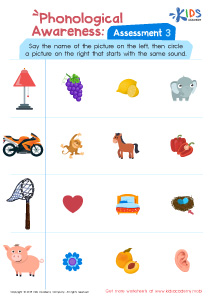
Phonics practice Consonants Worksheets for Ages 4-9
5 filtered results
-
From - To
Unlock the joy of learning with our Phonics Practice Consonants Worksheets tailored for ages 4-9! These engaging printables help young learners master consonant sounds, improve reading skills, and build a strong language foundation. Each worksheet offers fun and interactive activities designed to enhance phonemic awareness and letter recognition. Perfect for both classroom use and at-home practice, our phonics exercises cater to different learning styles, ensuring every child can succeed. Boost your child's confidence and set them on the path to literacy excellence with these comprehensive and easy-to-use worksheets. Start practicing today!
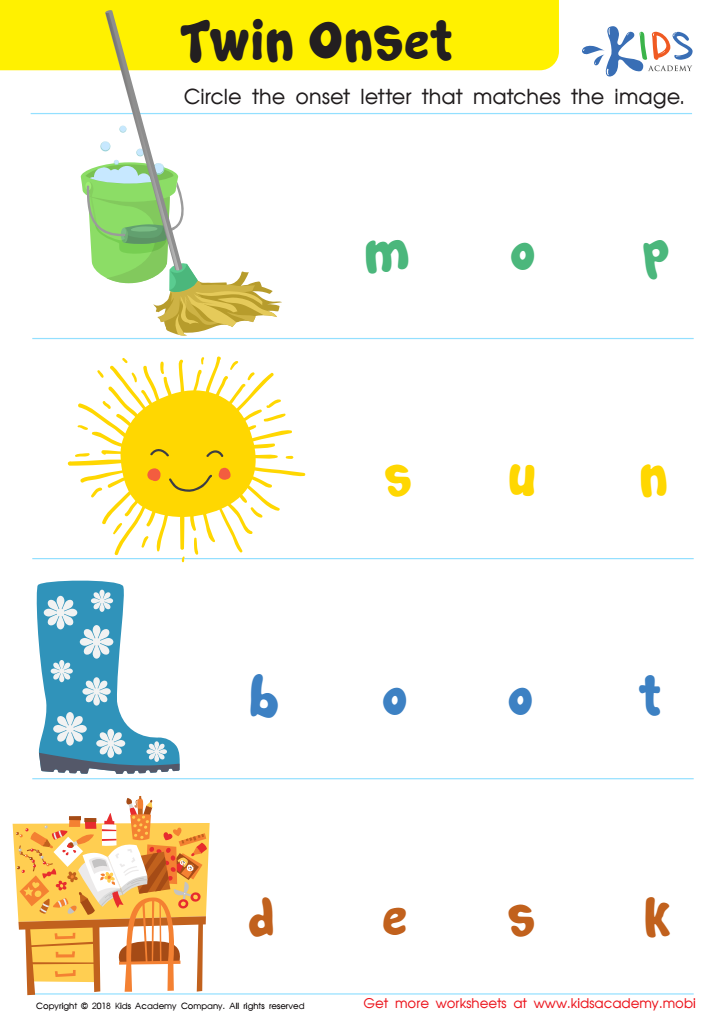
Twin Onset Worksheet
 Assign to My Students
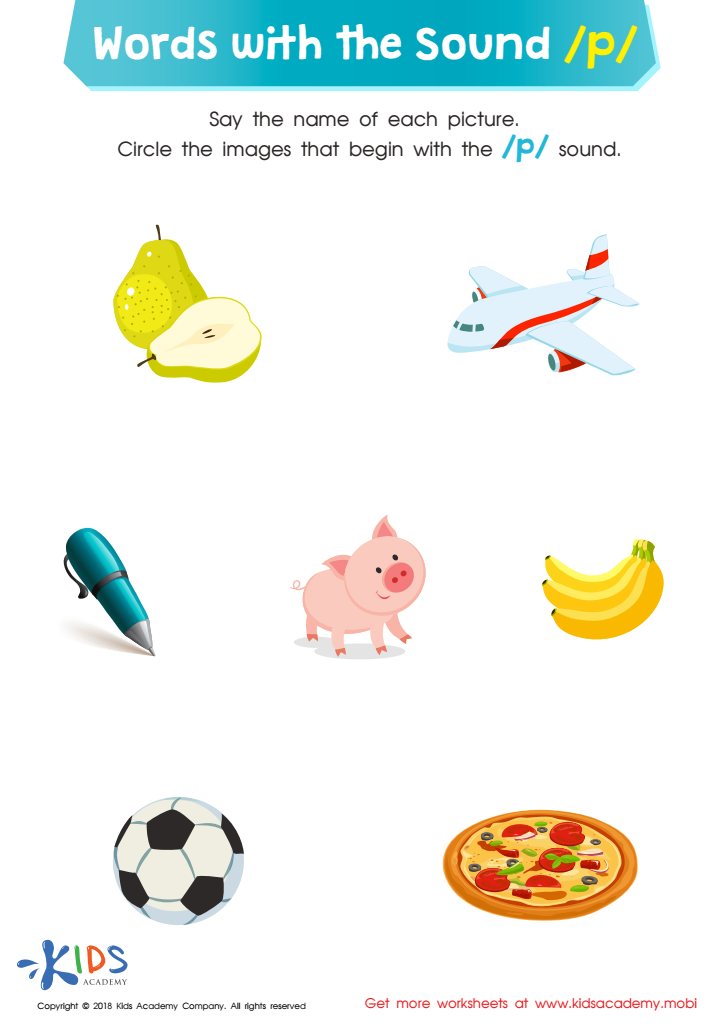
Words with sound p Reading Worksheet
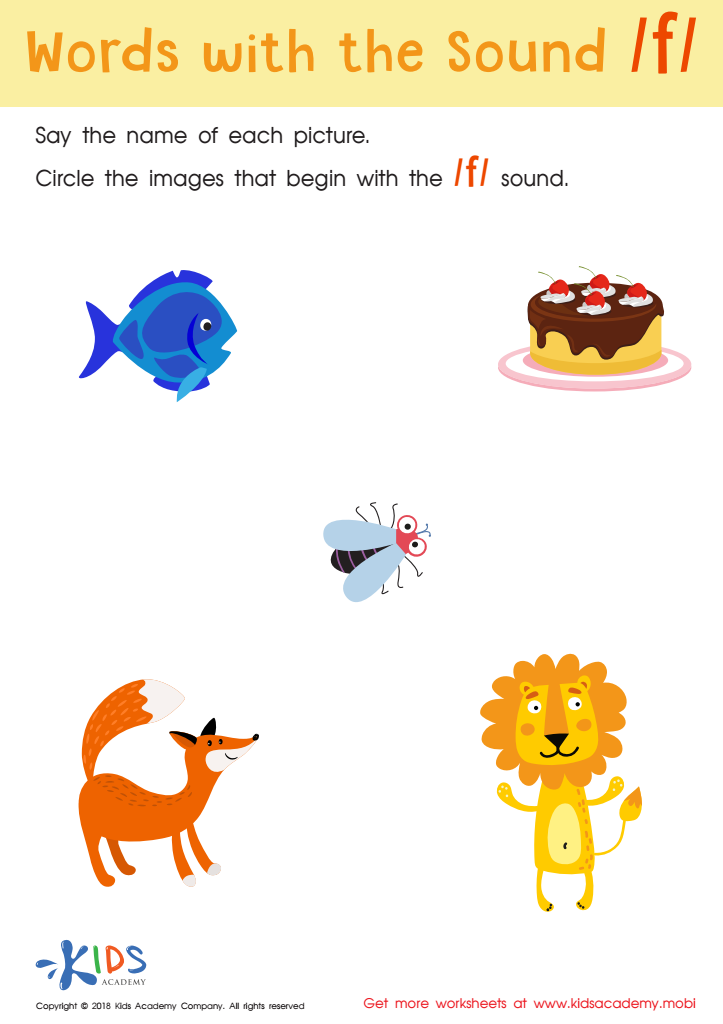
Words with sound f Reading Worksheet
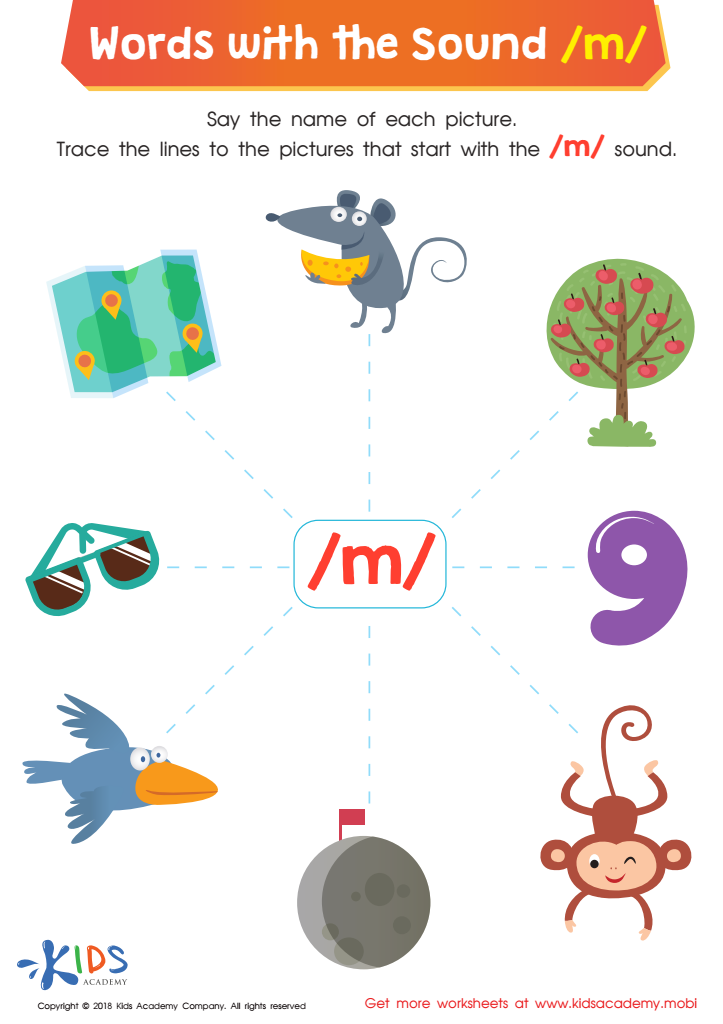
Words with Sound M Reading Worksheet
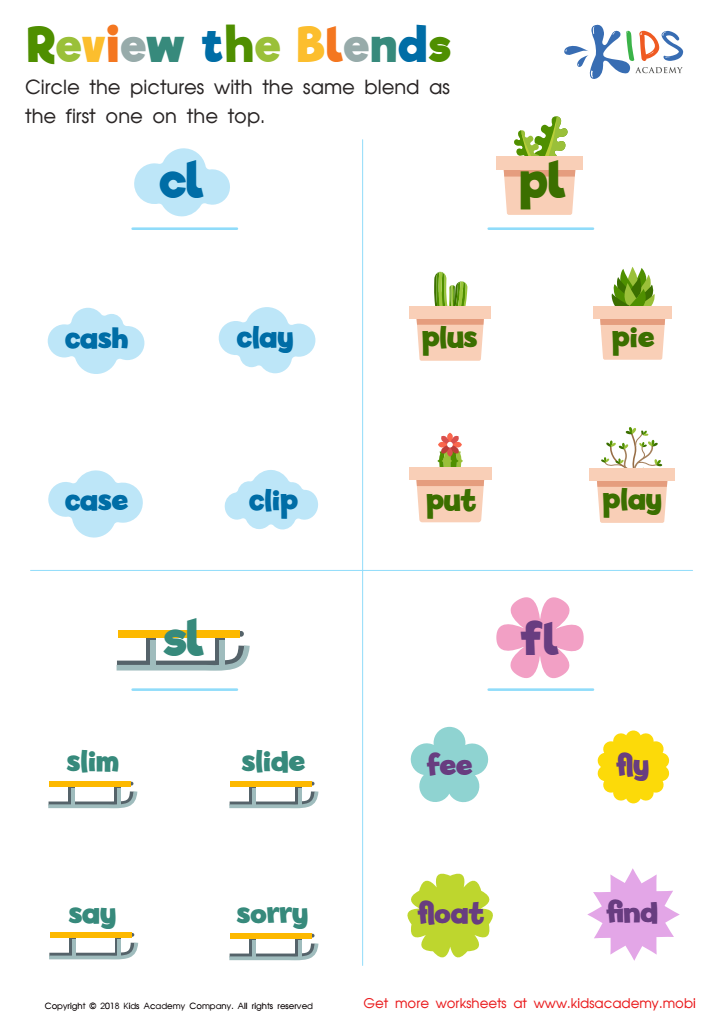
Review the Blends Worksheet



Phonics practice focusing on consonants is fundamental for children aged 4-9 as it sets the groundwork for successful reading and writing skills. At this critical age, children are rapidly developing their understanding of language, and a strong phonics foundation can make a tremendous difference. Phonics instruction helps children understand that words are made up of sounds (phonemes) and that these sounds are represented by letters and letter combinations.
By focusing on consonants, parents and teachers help children recognize and produce the sounds that are essential for decoding words. Consonants are the building blocks of language; their sounds are used to form the majority of words. Regular phonics practice improves children’s ability to sound out unfamiliar words, leading to better reading fluency and comprehension.
Moreover, phonics practice enhances children's spelling skills. When children understand the relationship between sounds and letters, they can better guess the spelling of words they’ve heard. This dual benefit in improving reading and writing competence builds a child's confidence in language use, enabling more effective communication.
In essence, investing time in phonics and consonants practice equips children with crucial language skills, paving the way for academic success and a lifelong love for reading. Hence, parents and teachers should prioritize phonics practice during these formative years.