Reading development Alphabet Worksheets for Ages 4-9
5 filtered results
-
From - To
Discover our engaging Reading Development Alphabet Worksheets for children ages 4-9, designed to enhance early literacy skills in a fun and interactive way. These worksheets support essential reading skills by introducing letters through colorful visuals, tracing activities, and phonetic exercises. Tailored for young learners, our resources promote letter recognition, vocabulary expansion, and decoding practices. Help your child build a solid foundation in reading with enjoyable activities that cater to different learning styles. Perfect for home or classroom use, these worksheets make learning the alphabet both delightful and effective, encouraging a lifelong love of reading. Get started on your child’s reading journey today!
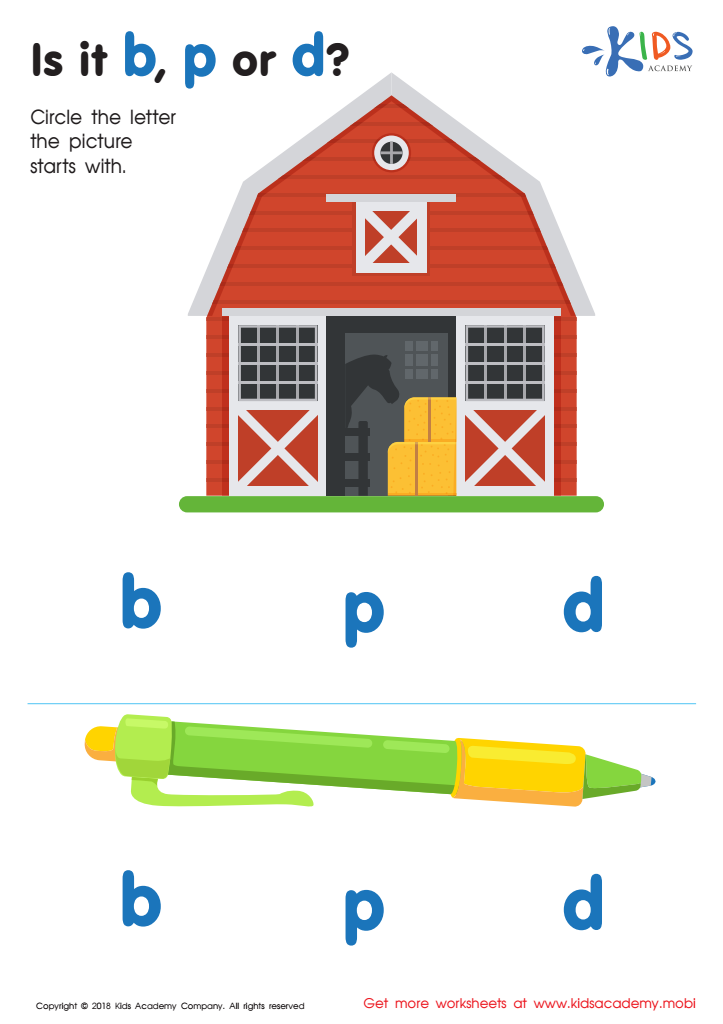
Is it b, p or d? Worksheet
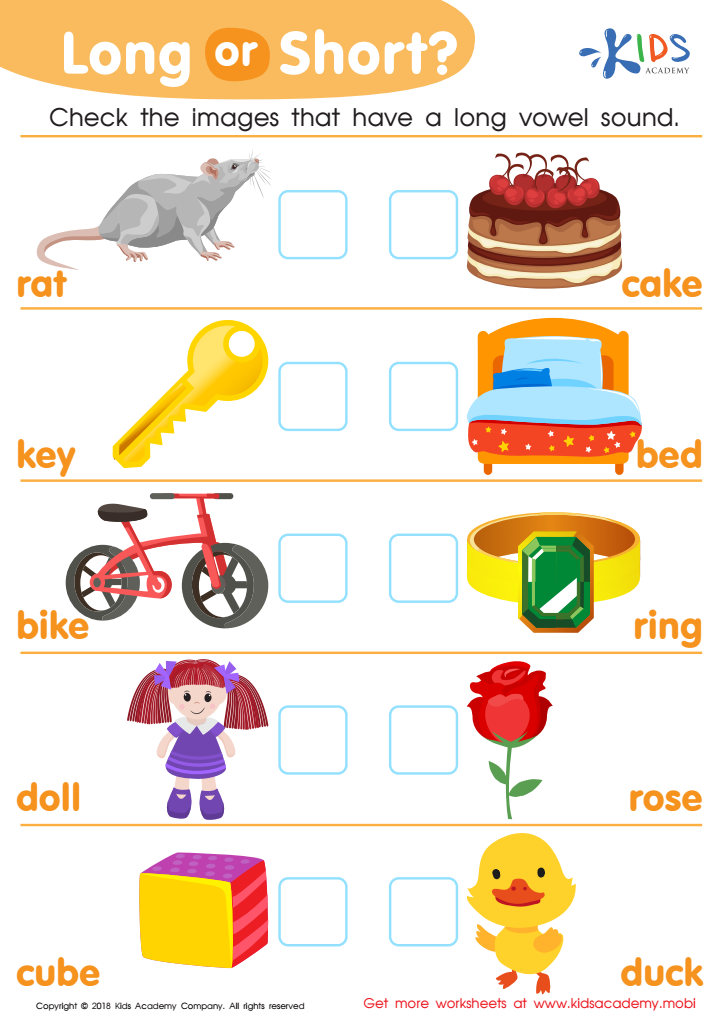
Long or Short Reading Worksheet
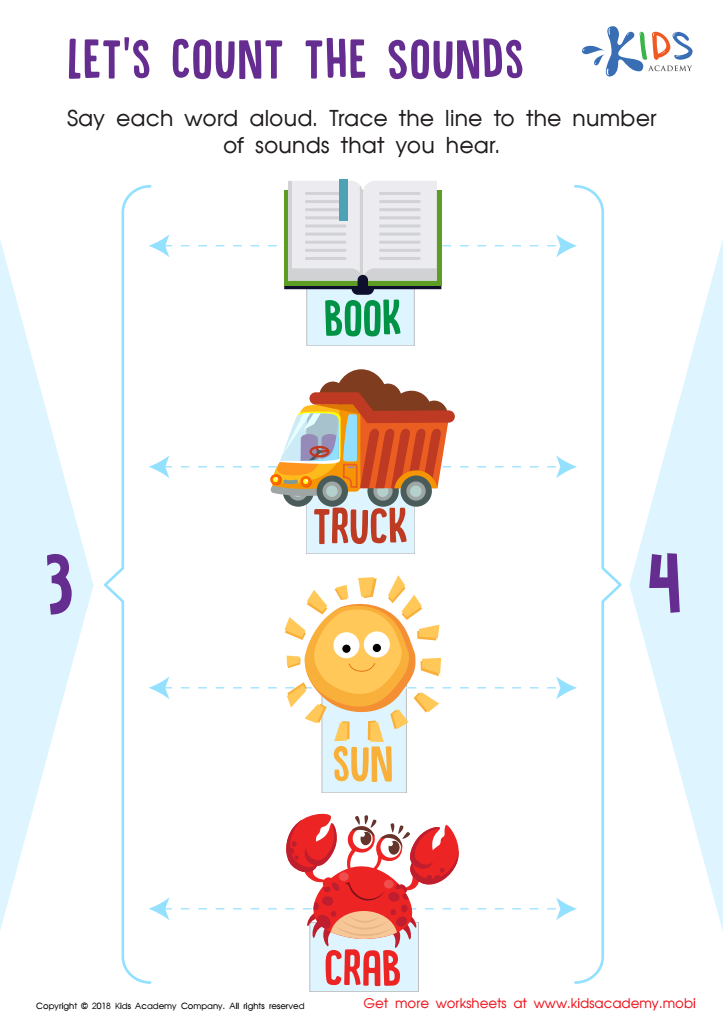
Let's Count the Sounds Worksheet
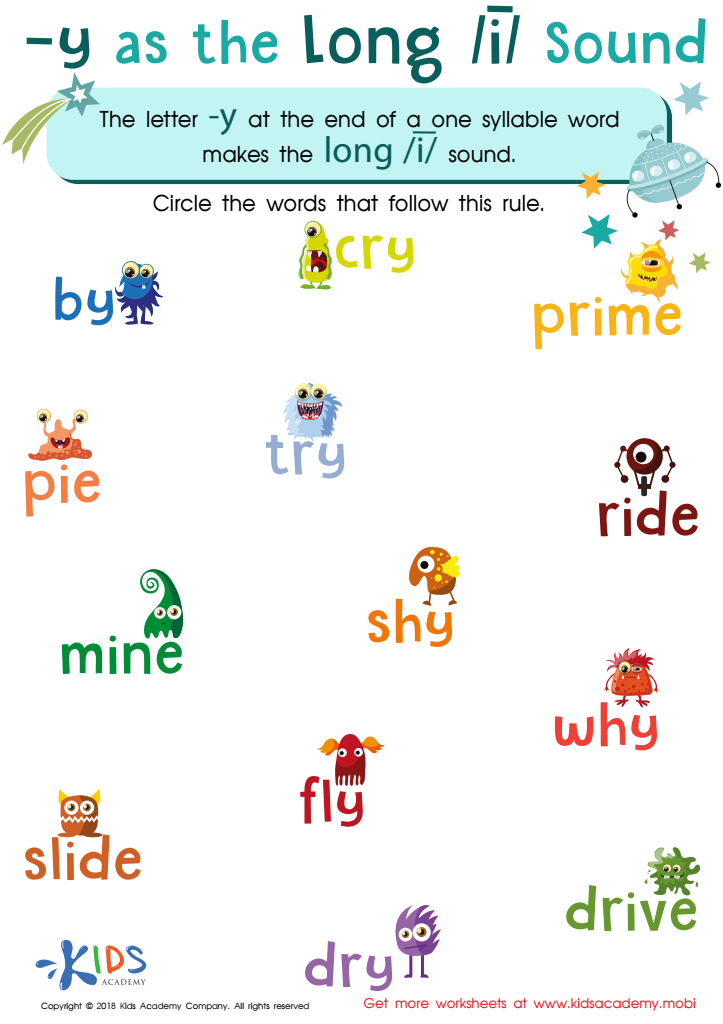
Reading: Y as Long I Worksheet
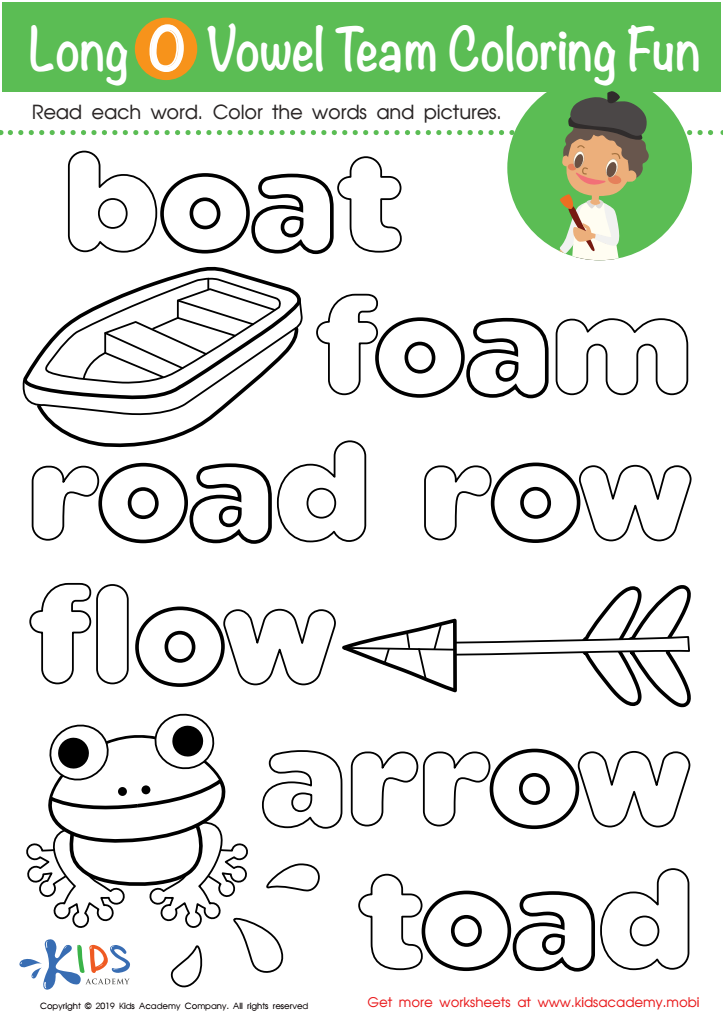
Long O Vowel Team Coloring Worksheet
 Assign to My Students







Reading development is crucial for children aged 4-9, as it sets the foundation for lifelong learning. During these formative years, children develop essential literacy skills that enhance their overall cognitive abilities. The alphabet serves as the building block of reading, enabling young learners to recognize letters, sounds, and words crucial for fluency.
Parents and teachers play a vital role in fostering a love for reading and promoting letter recognition. Engaging children through fun activities—like singing the alphabet song, reading aloud, and playing word games—makes learning interactive and enjoyable. When children learn the alphabet, they enhance their vocabulary and comprehension skills, leading to improved performance in other academic areas.
Moreover, strong reading skills build confidence in students. Children who master the alphabet and progress to reading independently often experience academic success, enhancing their social skills through communication and collaboration with peers.
In a rapidly changing world, literacy development is essential for navigating everyday tasks and opportunities. Therefore, investing time and resources into teaching the alphabet and fostering reading skills at an early age is paramount. It lays a strong foundation that will benefit children throughout their educational journeys and beyond.







