Sentence structure Alphabet Worksheets for Ages 4-9
3 filtered results
-
From - To
Discover our engaging Sentence Structure Alphabet Worksheets designed specifically for children ages 4-9. These interactive resources help young learners master the basics of sentence formation while reinforcing their understanding of the alphabet. Each worksheet features fun activities that promote vocabulary development, grammar skills, and reading comprehension. With colorful illustrations and age-appropriate challenges, students will enjoy practicing sentence structure in a creative way. Perfect for homeschooling, classroom assignments, or extra practice at home, these worksheets help build a strong language foundation essential for future academic success. Explore the joy of learning with our Sentence Structure Alphabet Worksheets today!
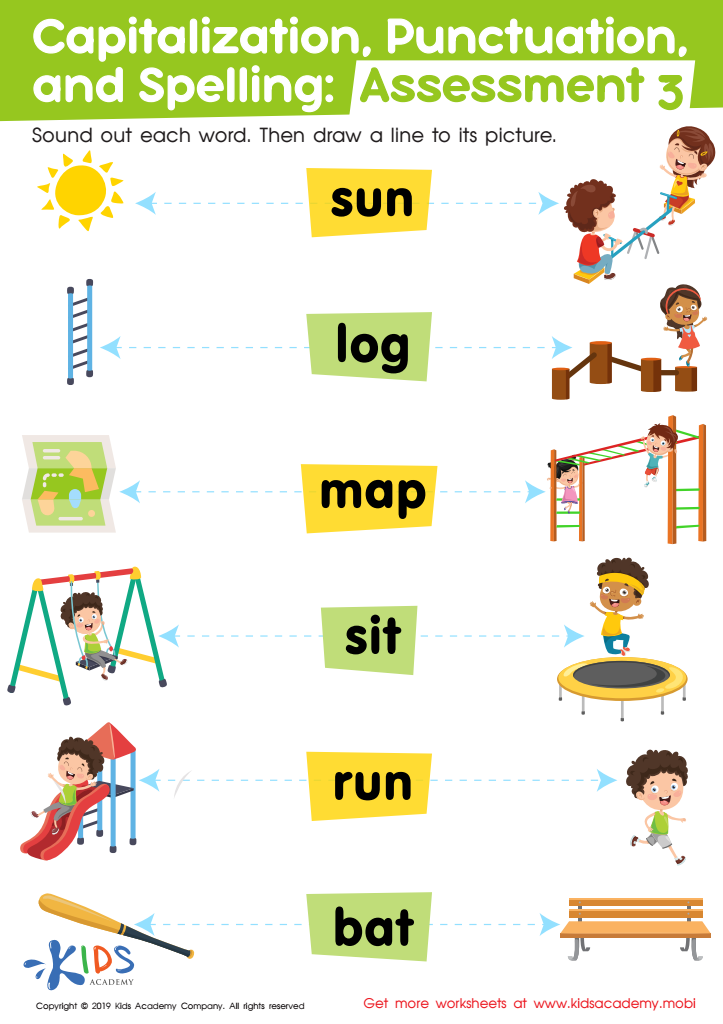
Capitalization. Punctuation. Spelling. Assessment 3 Worksheet
 Assign to My Students
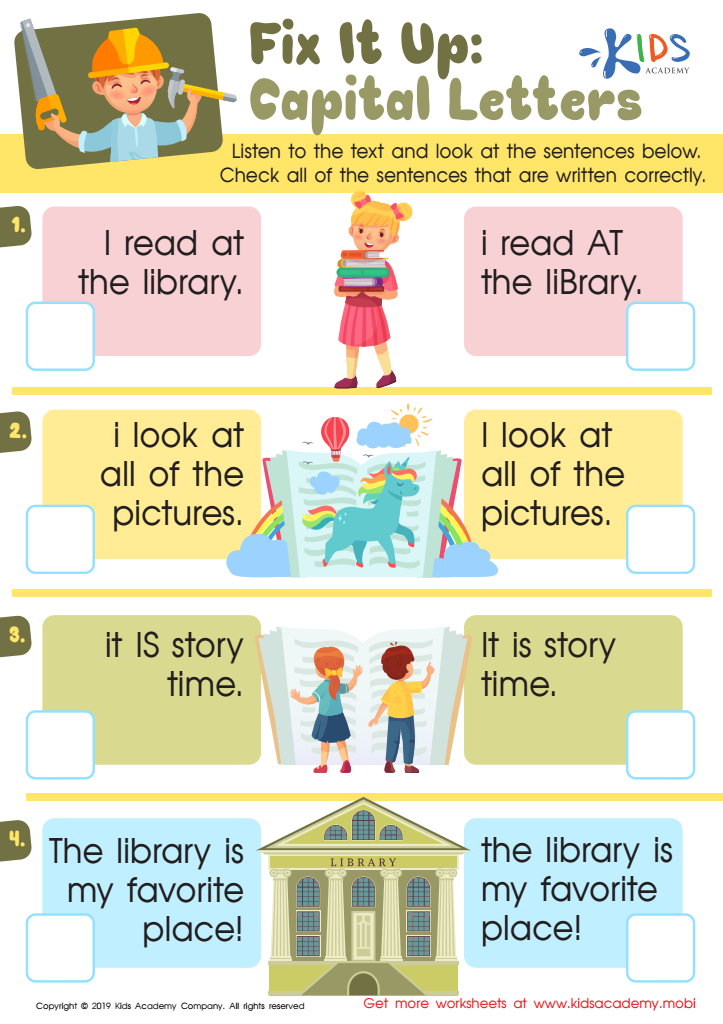
Fix Capital Letters Worksheet
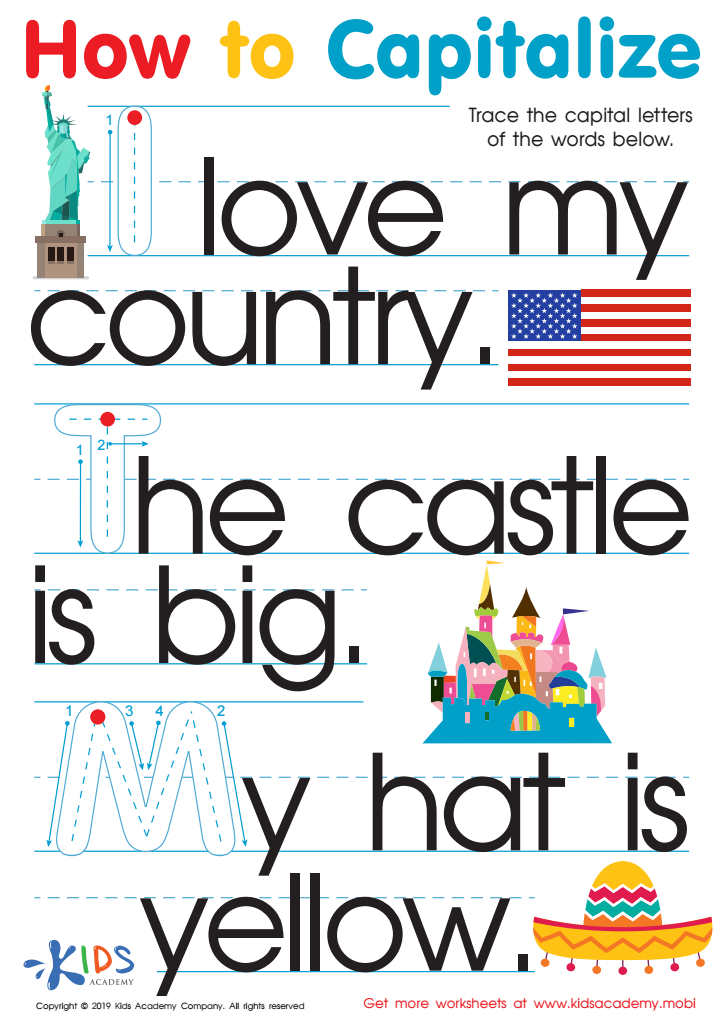
How to Capitalize Worksheet








Sentence Structure Alphabet (SSA) is a vital tool for children aged 4-9 as it lays the foundation for effective communication and literacy skills. During these formative years, children are immensely curious and begin to form their thoughts into sentences. By introducing the SSA, parents and teachers can help young learners recognize how words combine to create meaning, enhancing their verbal and written skills.
Understanding sentence structure promotes critical thinking; children learn how to express their ideas clearly and logically. By familiarizing them with nouns, verbs, adjectives, and other components through engaging activities, educators can nurture their creativity and improve their overall language proficiency. As children grasp these concepts, they become more confident writers and speakers.
Moreover, strong language skills are linked to academic success across subjects. Clarity in writing and comprehension aids in reading and understanding lessons in math, science, and social studies. Parents and teachers invested in developing these skills ensure children are equipped for future learning endeavors.
By fostering a love for language and self-expression at an early age, the Sentence Structure Alphabet empowers children to articulate their thoughts effectively, ultimately supporting social interaction, problem-solving, and overall cognitive development.







