Alphabetical order understanding Letter Recognition Worksheets for Ages 4-9
4 filtered results
-
From - To
Discover our engaging Alphabetical Order Understanding and Letter Recognition Worksheets designed for children ages 4 to 9. These easy-to-follow worksheets facilitate letter recognition and teach kids the fundamentals of alphabetical order in a fun and interactive way. With vibrant illustrations and relatable themes, young learners will enjoy organizing letters and identifying their sequences. Perfect for classrooms or home learning, these worksheets foster essential pre-reading skills that enhance vocabulary and literacy awareness. Whether preparing for school or reinforcing skills at home, these resources ensure children build a strong foundation in phonics and alphabetic knowledge. Get started on their literacy journey today!
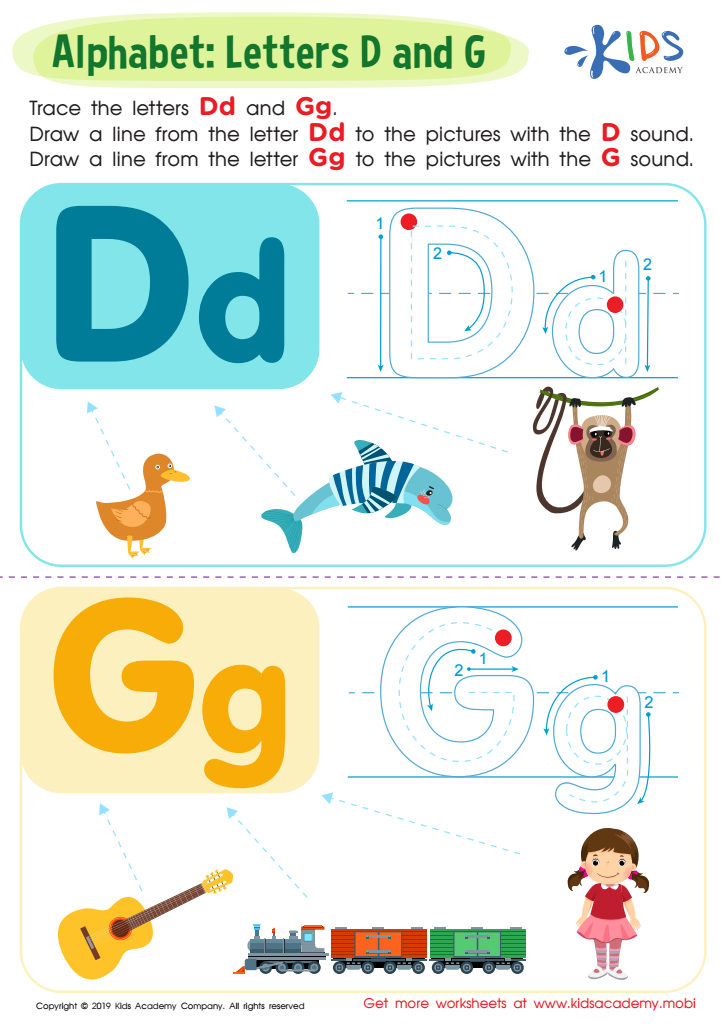
Letter D and G Tracing Worksheet
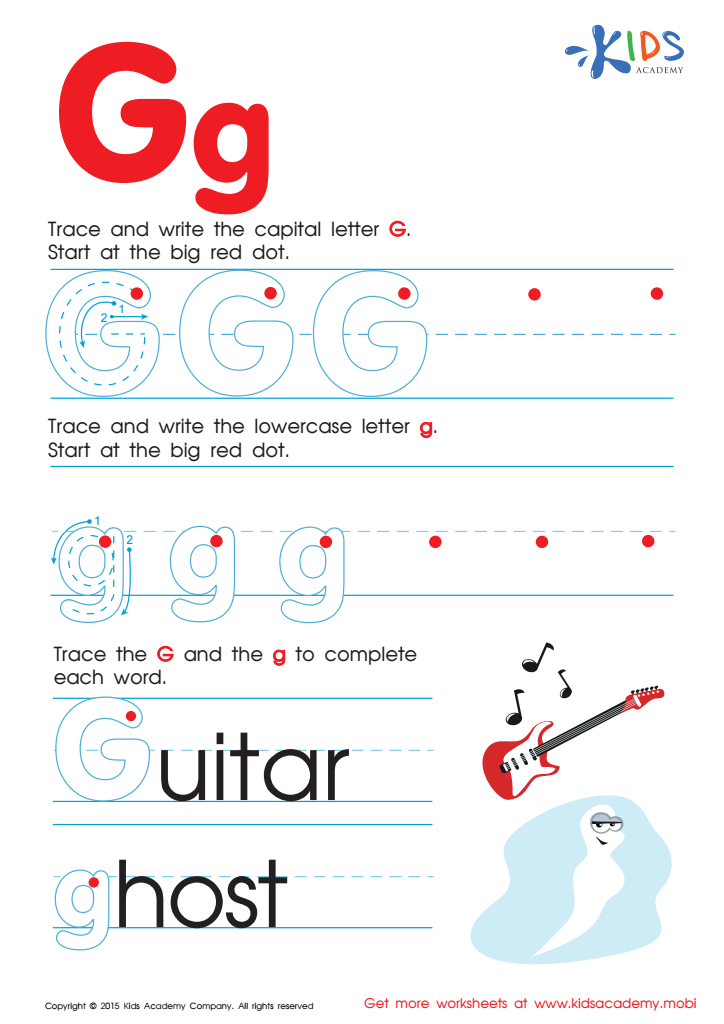
Letter G Tracing Page
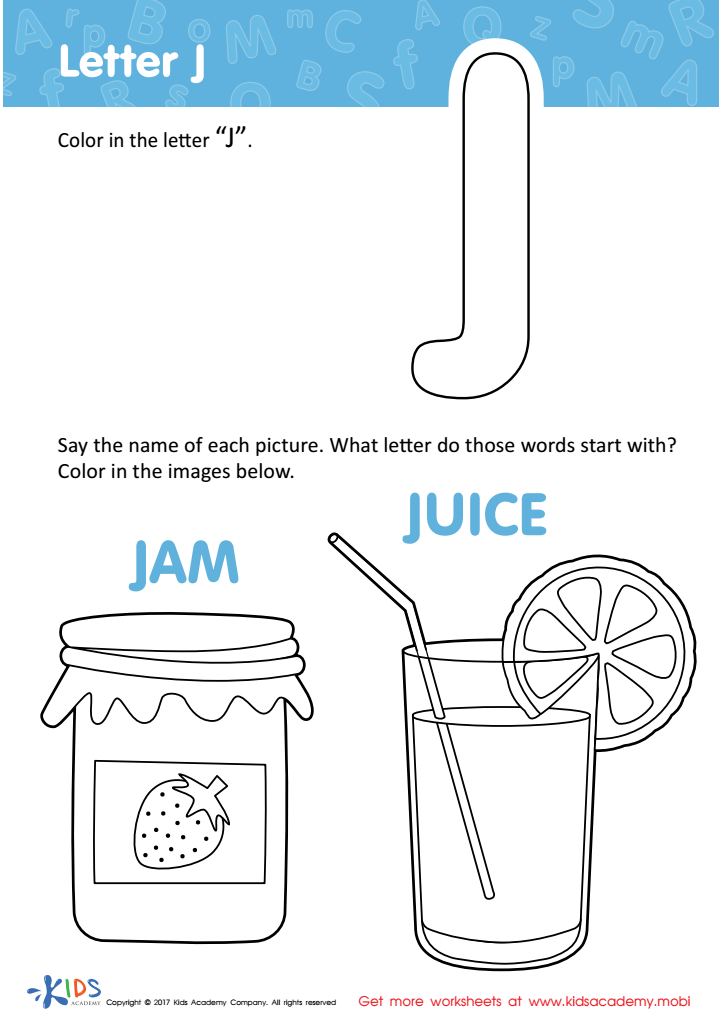
Letter J Coloring Sheet
 Assign to My Students
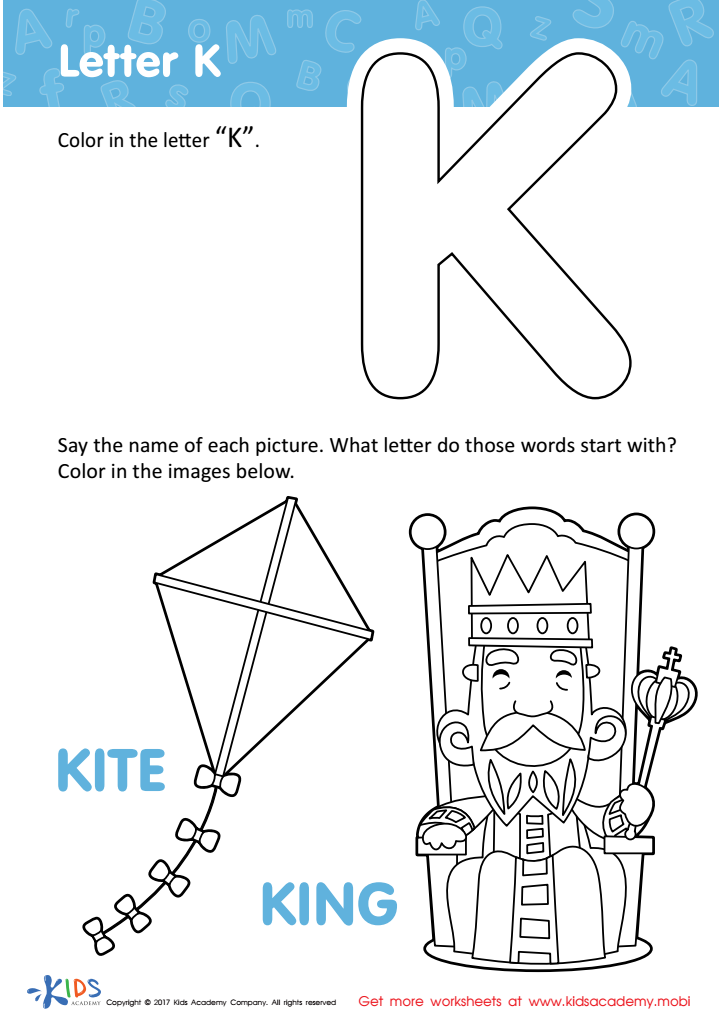
Letter K Coloring Sheet
Assign to My Students








Understanding alphabetical order and letter recognition is vital for children aged 4 to 9, as it lays the foundation for their literacy and cognitive development. When parents and teachers emphasize these skills, they enhance a child’s ability to read, write, and effectively communicate. Mastery of letter recognition allows children to identify and differentiate between letters, significantly impacting their decoding skills as they begin to read words and sentences.
Alphabetical order facilitates better organization and comprehension, enabling children to locate information quickly, such as in dictionaries or encyclopedias. Teaching children the sequence of letters reinforces their knowledge of the alphabet, supporting future skills in spelling and grammar. Additionally, these foundational skills foster confidence in young learners, encouraging them to engage with books and written material more freely.
Moreover, the introduction of alphabetical order can be a fun and interactive learning experience, making use of games and activities that keep children engaged. By supporting letter recognition and understanding of alphabetical order, parents and teachers not only equip children with essential academic skills but also instill a lifelong love for reading and learning, setting them on a trajectory for future success in education and beyond.







