Handwriting Skills Letter Recognition Worksheets for Ages 4-9
10 filtered results
-
From - To
Boost your child's early literacy with our Handwriting Skills Letter Recognition Worksheets designed for ages 4-9. These engaging, printable worksheets make learning letters fun and effective, helping young learners recognize and write each alphabet letter with confidence. Our carefully crafted exercises integrate playful activities that reinforce essential handwriting skills, improve fine motor development, and build a strong foundation for future reading and writing success. Tailored to suit various skill levels, these worksheets cater to both beginner and advanced young writers. Give your child the advantage they deserve with our comprehensive handwriting resources. Explore today and watch them flourish!
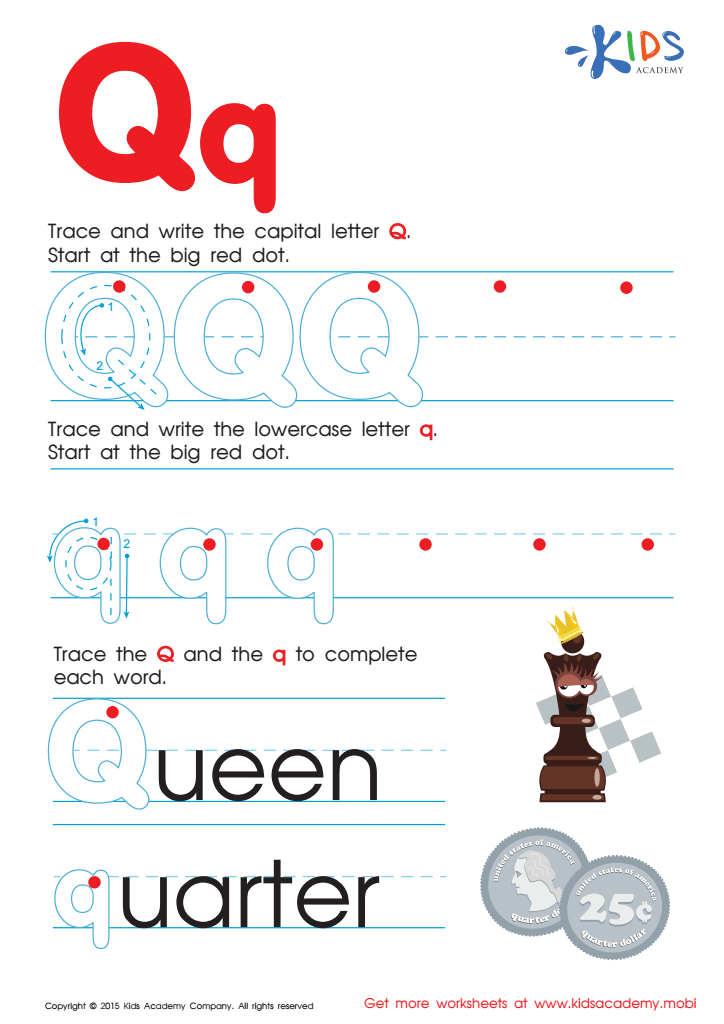
Letter Q Tracing Page
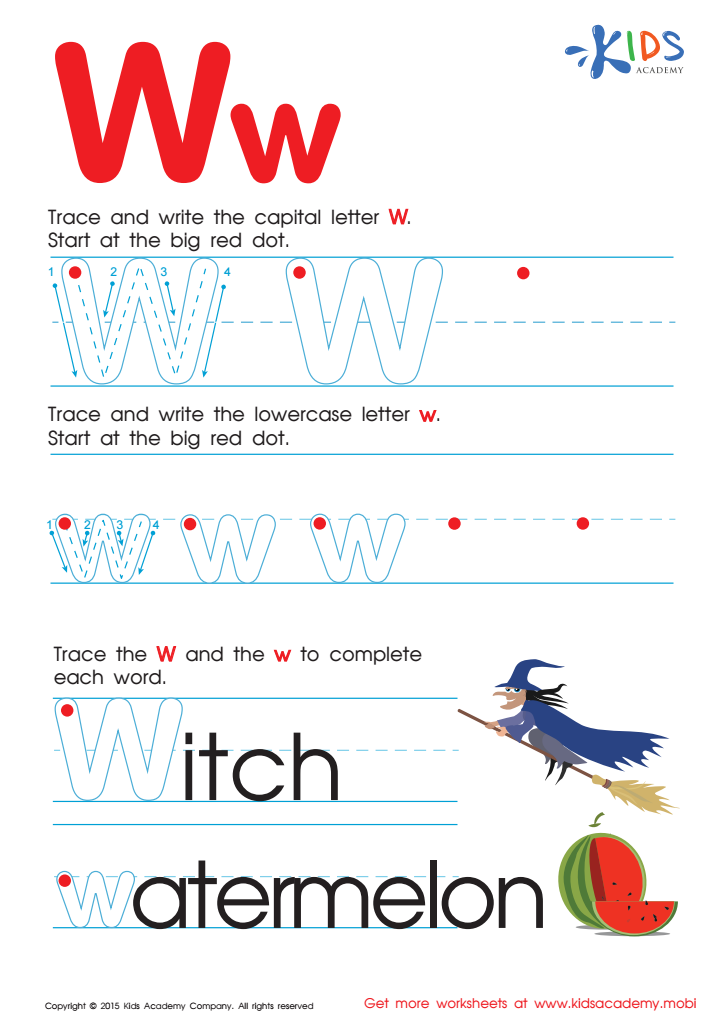
Letter W Tracing Page
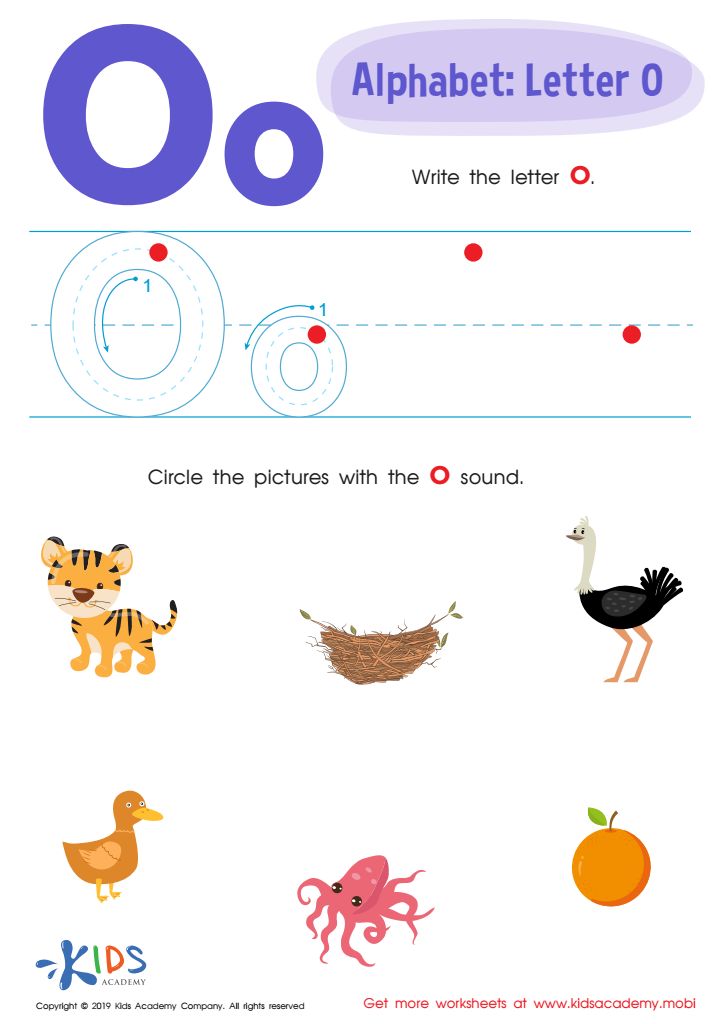
Letter O Tracing Worksheet
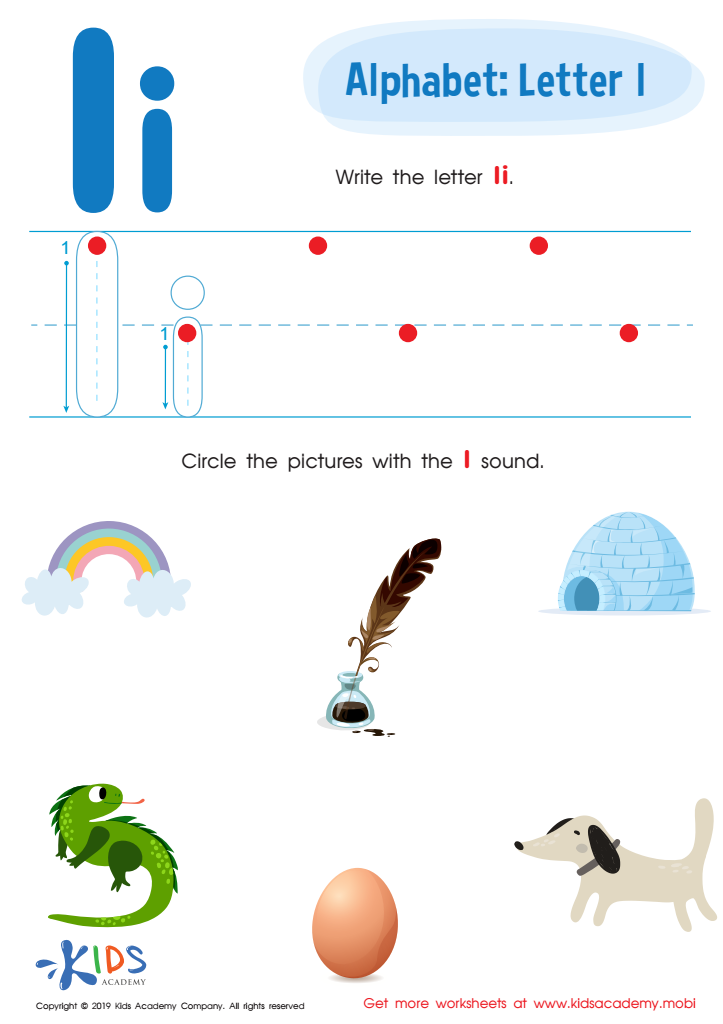
Letter I Tracing Worksheet
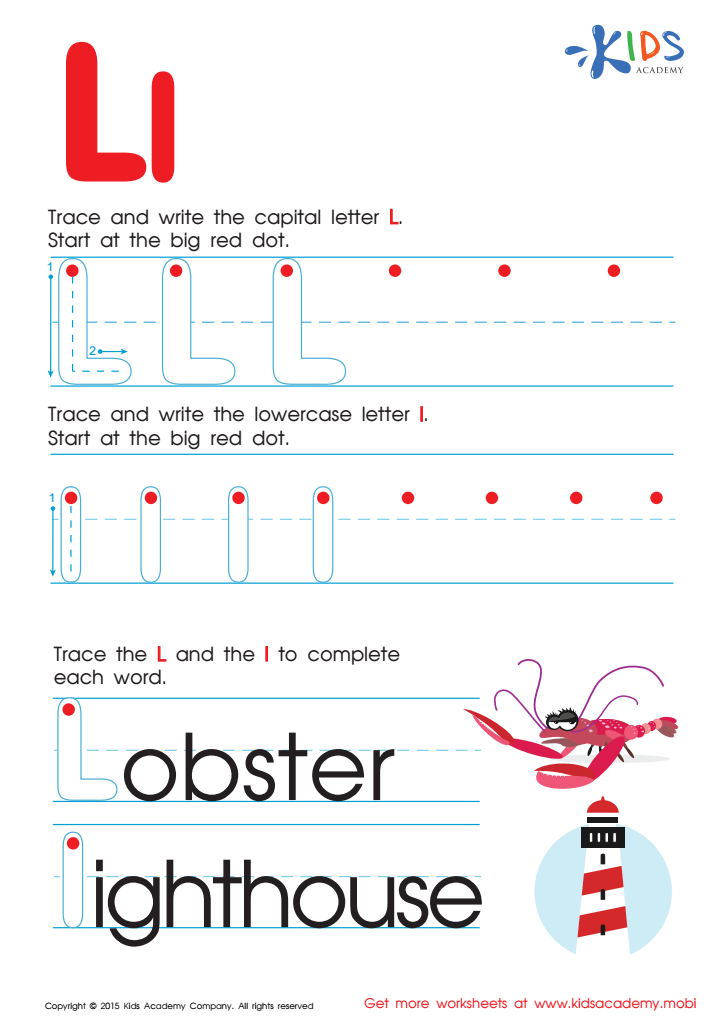
Letter L Tracing Page
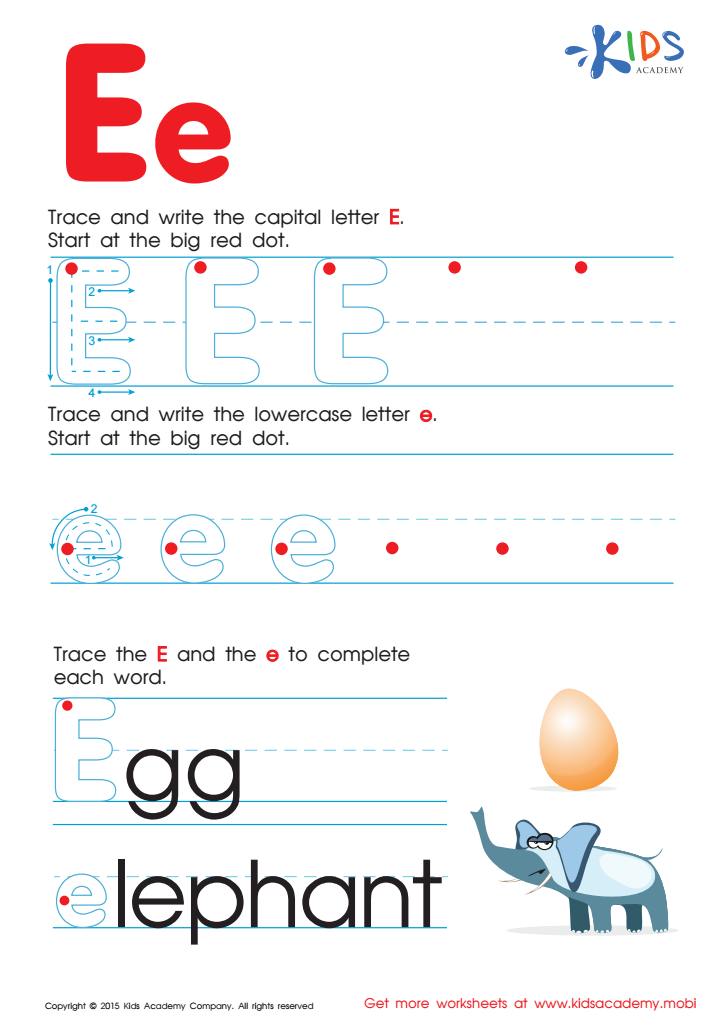
Letter E Tracing Page
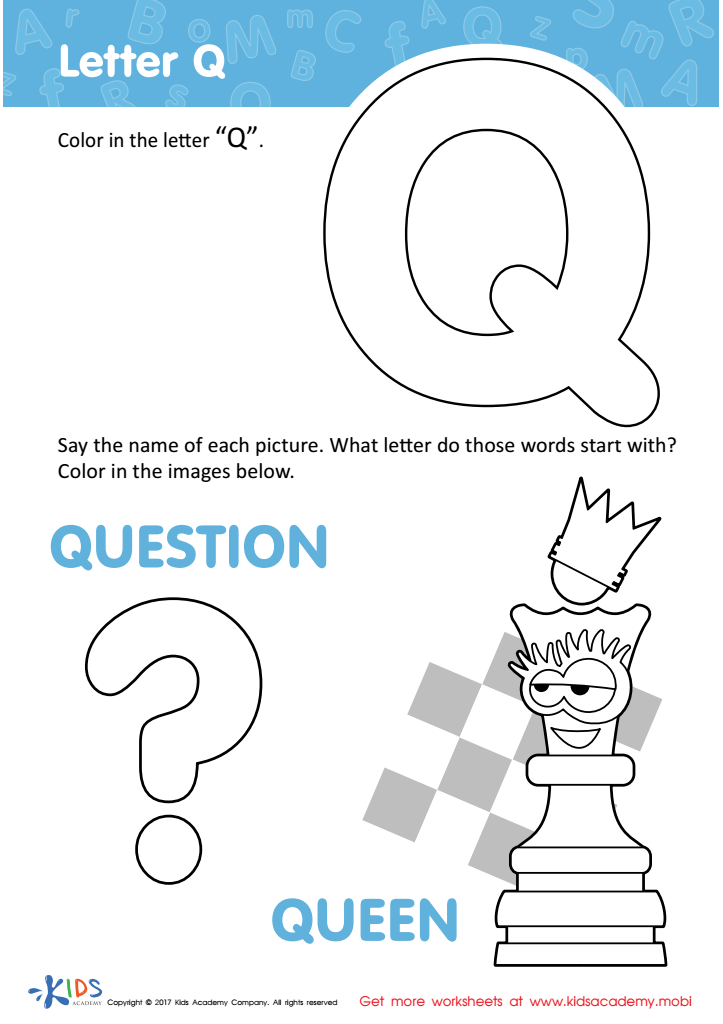
Letter Q Coloring Sheet
 Assign to My Students
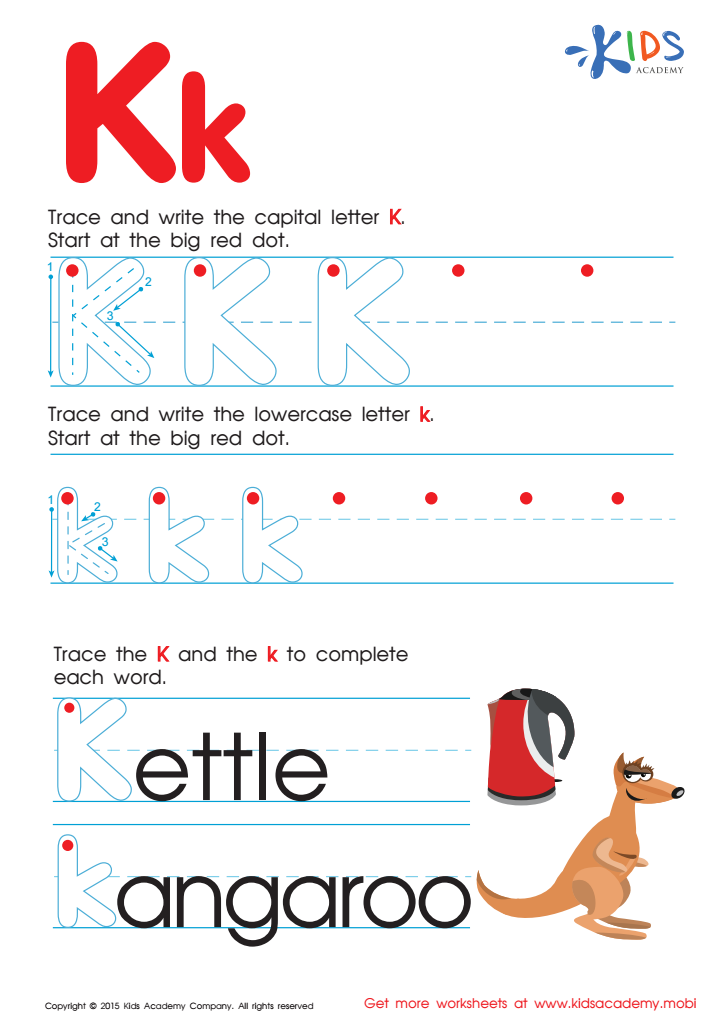
Letter K Tracing Page

Letter F Tracing Page
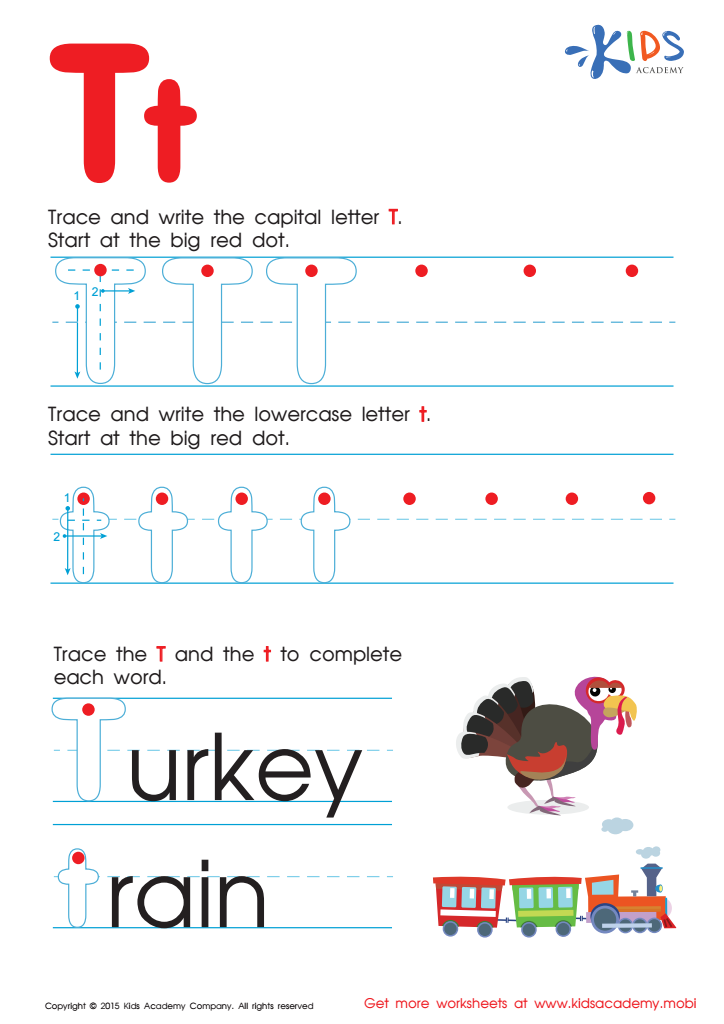
Letter T Tracing Page








Parents and teachers should prioritize handwriting skills and letter recognition for children ages 4-9 because these skills lay the foundation for academic success and overall cognitive development. During these formative years, children develop fine motor skills that are crucial for handwriting, enhancing their ability to perform everyday tasks with precision and ease.
Handwriting encourages children to coordinate multiple brain systems necessary for visual, cognitive, and motor processes. These skills are foundational for reading and writing, primary components of educational achievement. Effective letter recognition is strongly linked to later literacy; children who can easily identify letters are better positioned to comprehend the relationships between sounds and written symbols.
Developing proficiency in handwriting and letter recognition not only boosts children's academic performance but also fosters confidence. With these tools, children can express their thoughts clearly and engage fully in classroom activities, reducing frustration and enhancing their learning experience.
Furthermore, research suggests that fluent handwriting skills can impact thought processes and memory. Writing out information helps in encoding it more effectively than typing, aiding in retention and comprehension. Prioritizing these skills ensures that children have a robust foundation, setting them up for ongoing academic development and lifelong learning success.







