Writing practice Letter Recognition Worksheets for Ages 4-9
14 filtered results
-
From - To
Enhance your child's writing skills and letter recognition with our engaging Writing Practice Letter Recognition Worksheets designed for ages 4-9. These printable worksheets combine fun activities with educational content, helping young learners master each letter of the alphabet. Through tracing, coloring, and handwriting exercises, children will develop fine motor skills, improve their handwriting, and build a strong foundation in letter identification. Perfect for both classroom and home use, these worksheets ensure that learning to write becomes an enjoyable journey. Foster a love for writing and language in your little ones with our expertly crafted resources.
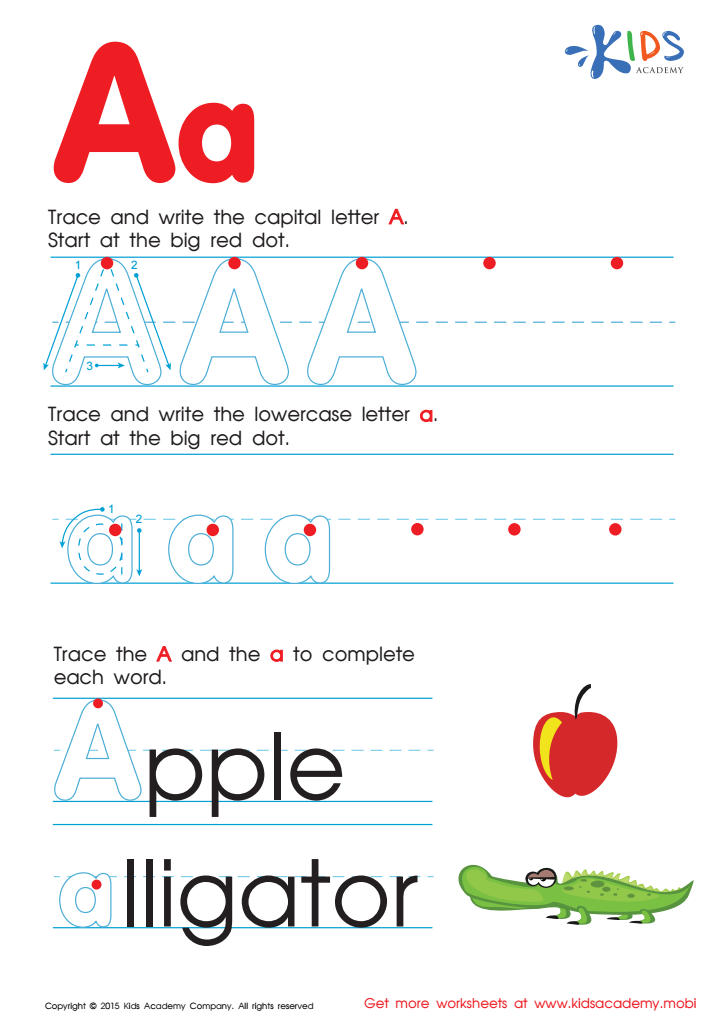
Letter A Tracing Page
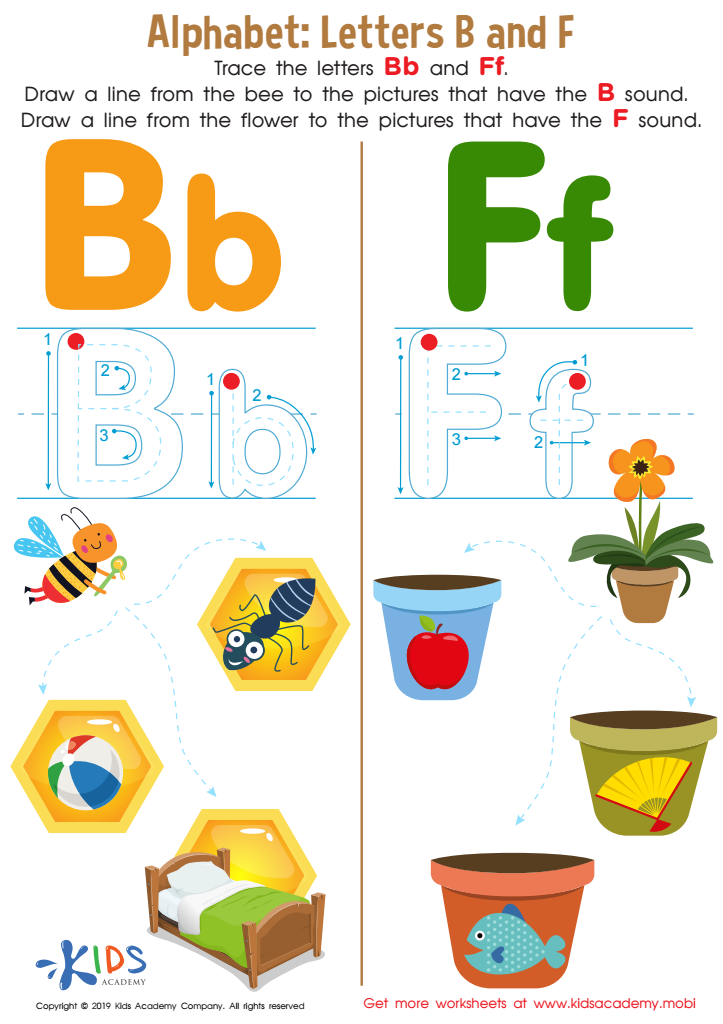
Letters B and F Tracing Worksheet
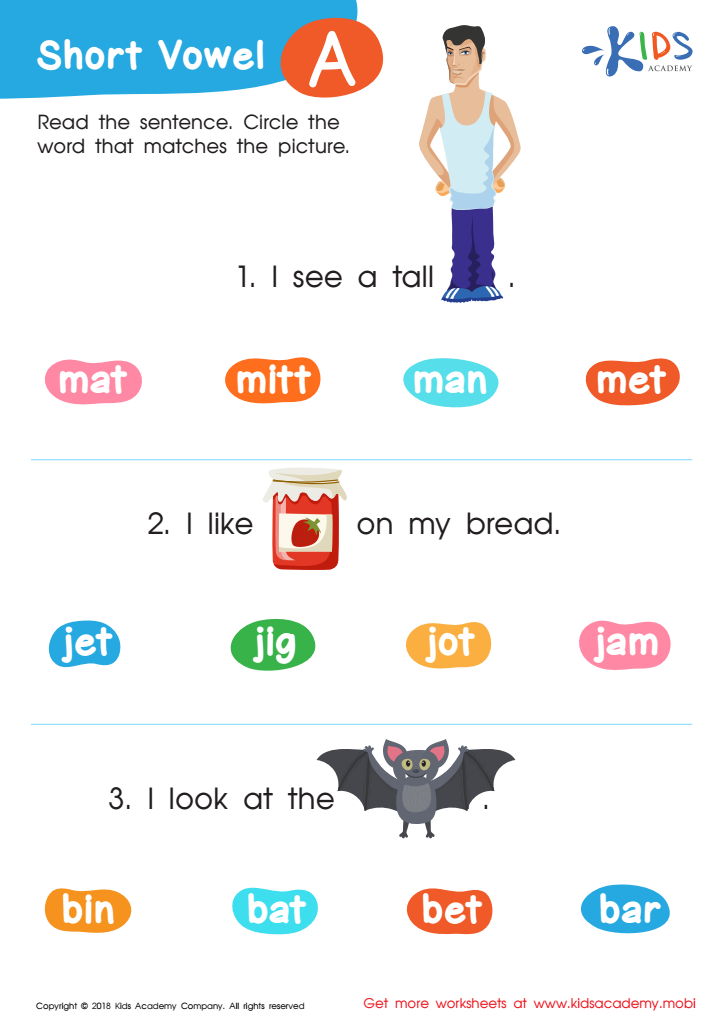
Short Vowel /a/ Worksheet
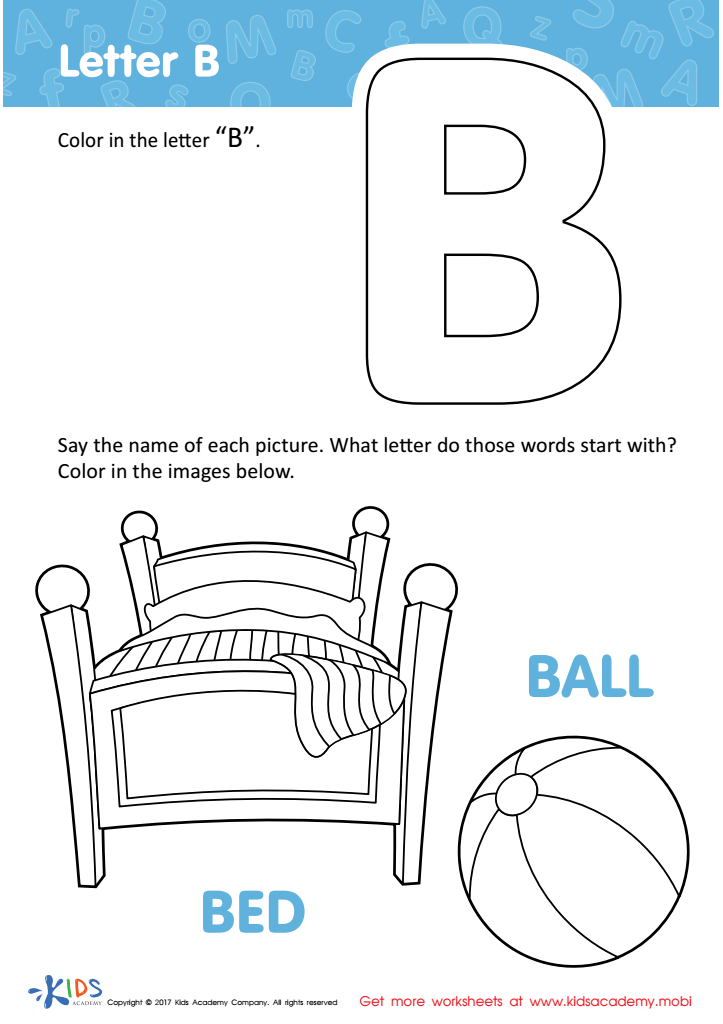
Letter B Coloring Sheet
 Assign to My Students
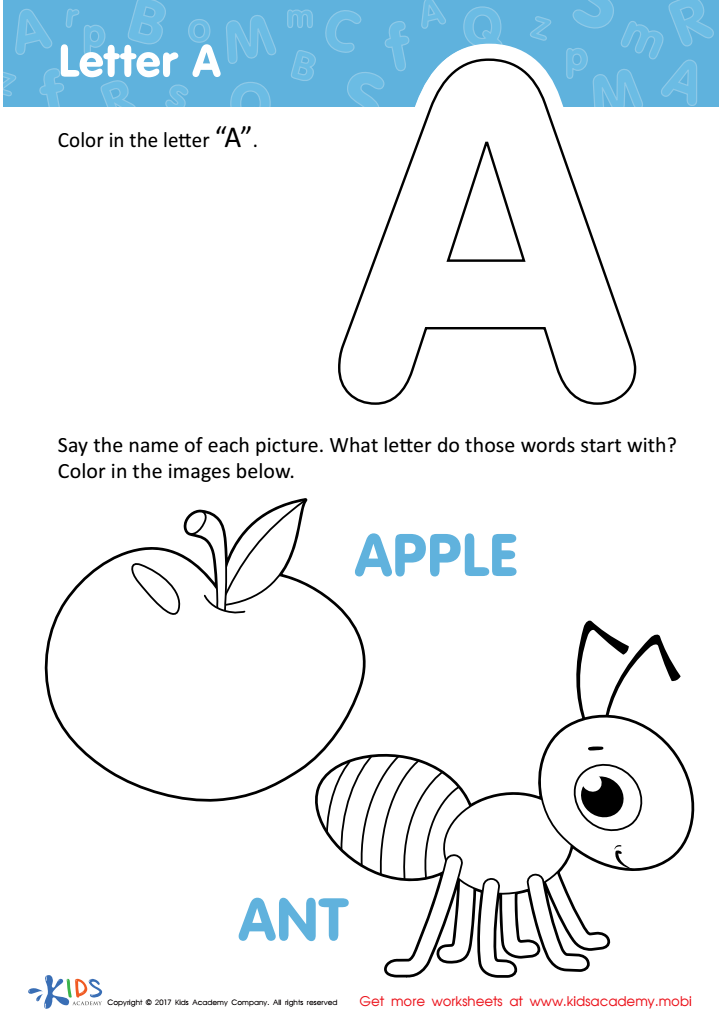
Letter A Coloring Sheet
Assign to My Students
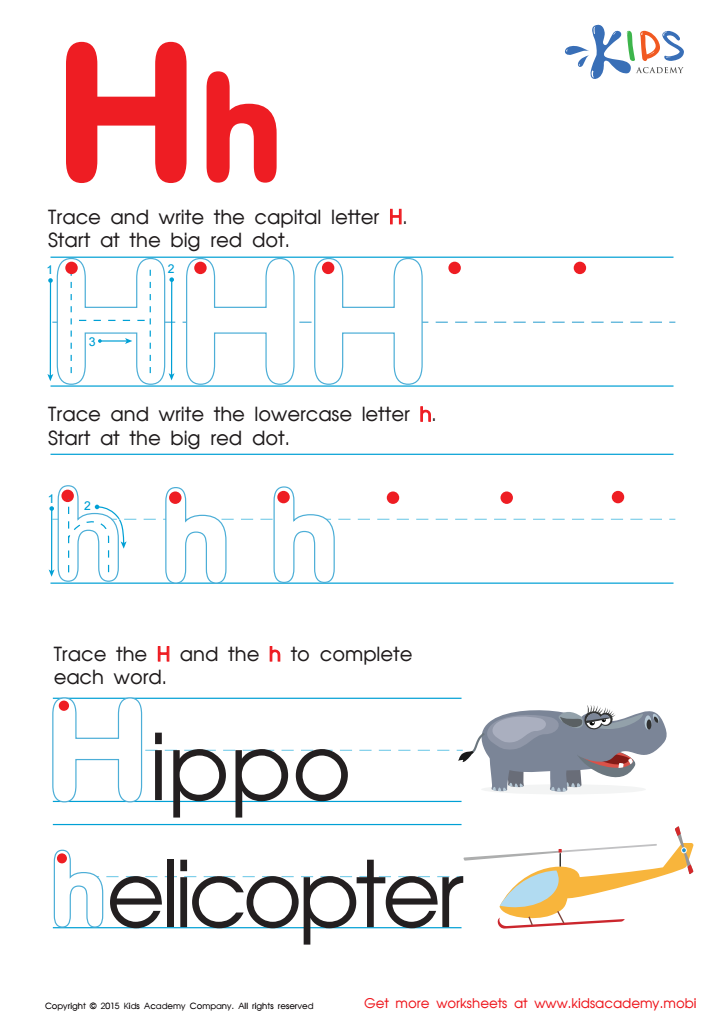
Letter H Tracing Page
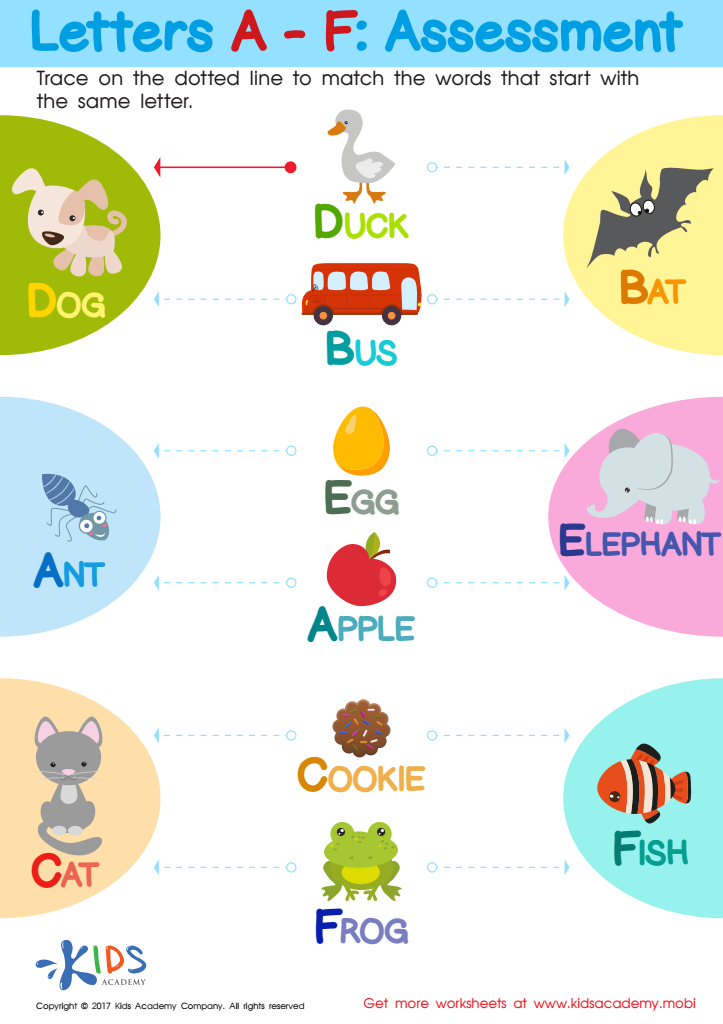
Letters A - F Worksheet
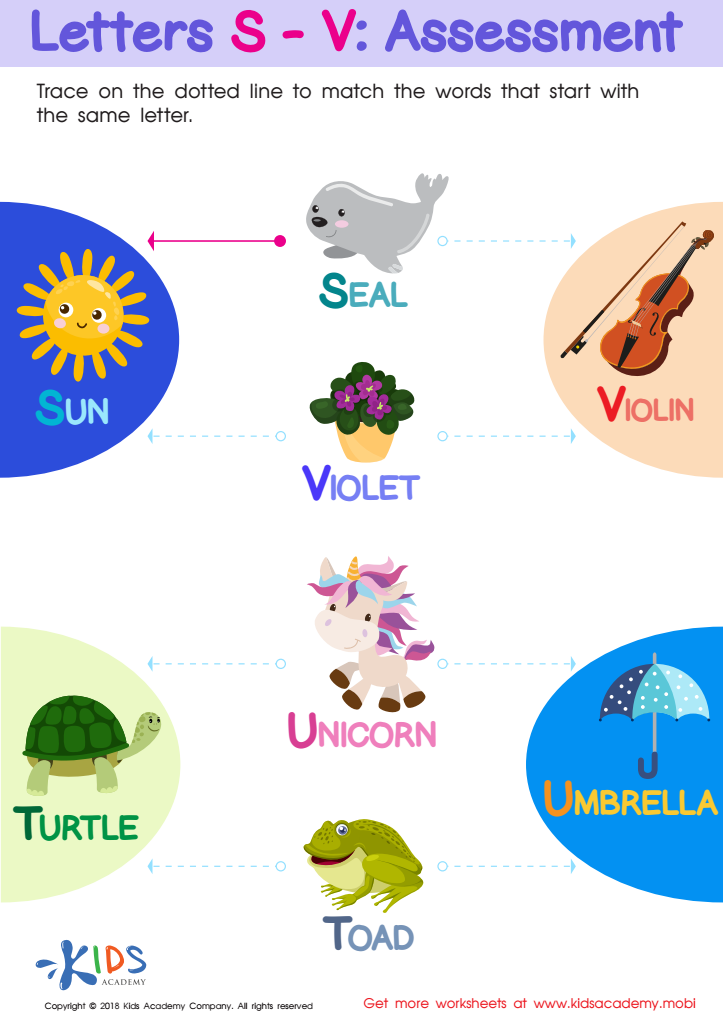
Letters S - V Tracing Worksheet
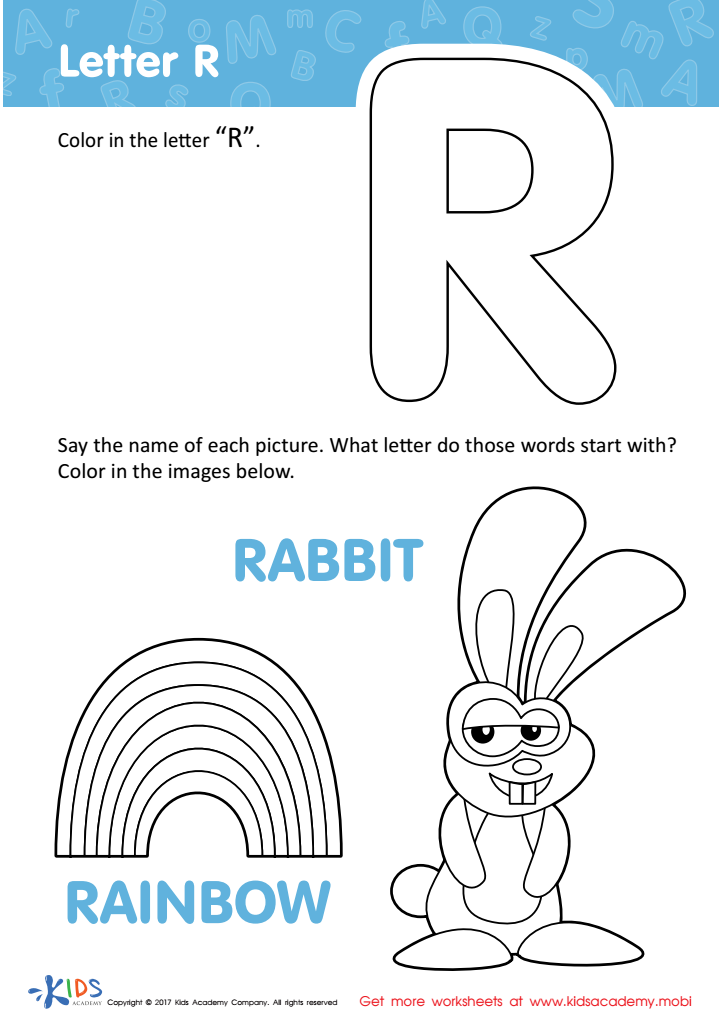
Letter R Coloring Sheet
Assign to My Students
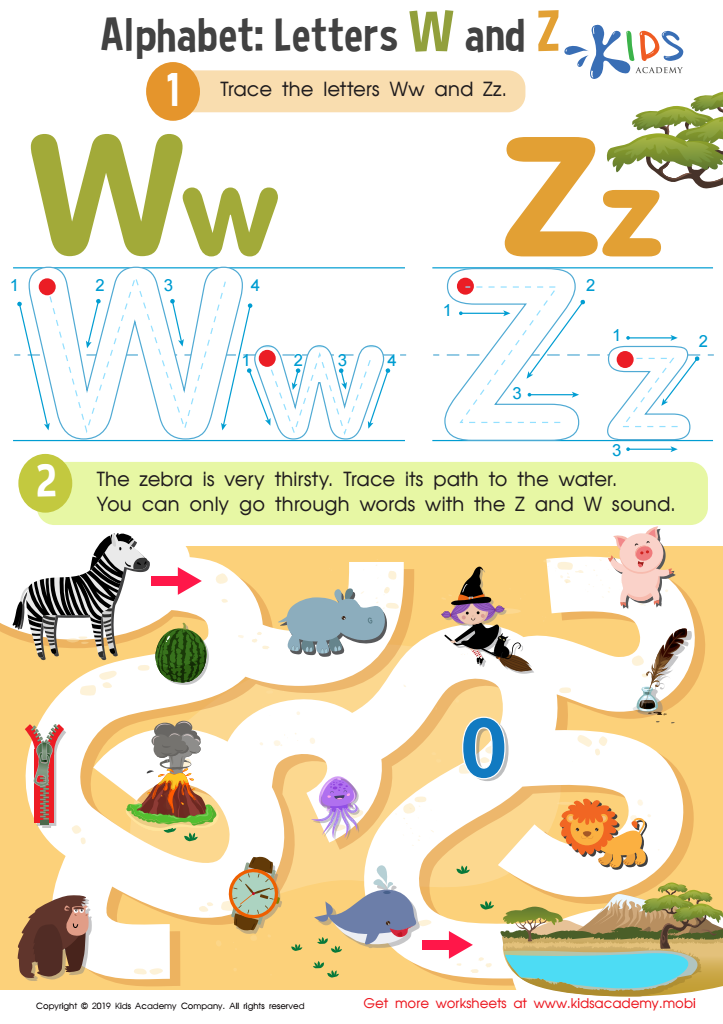
Letters W and Z Tracing Worksheet
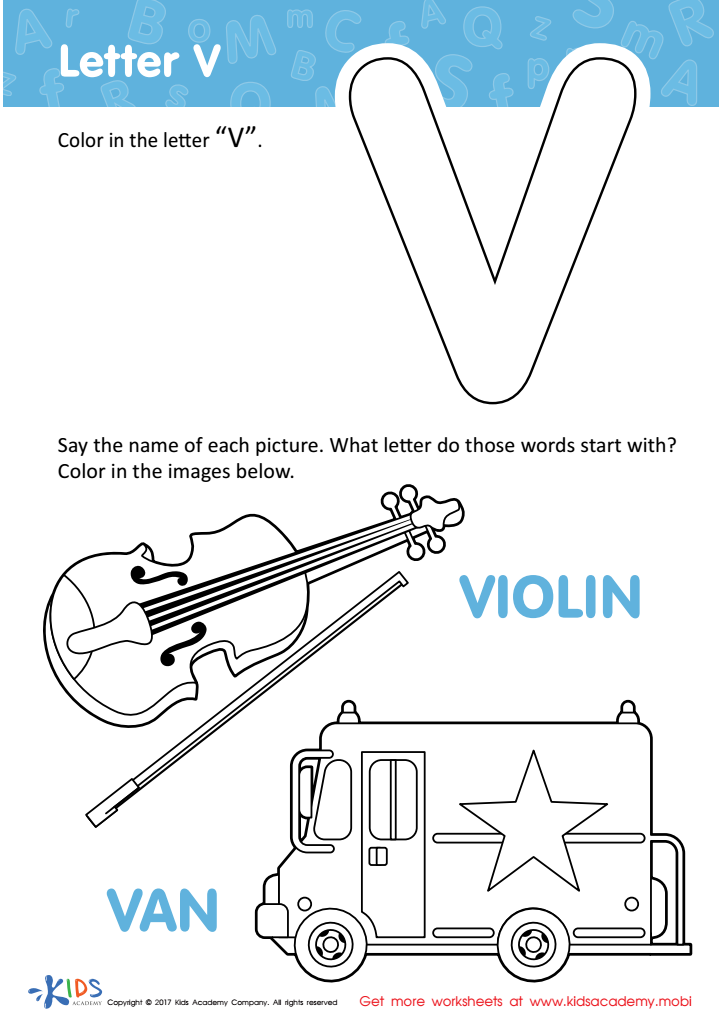
Letter V Coloring Sheet
Assign to My Students
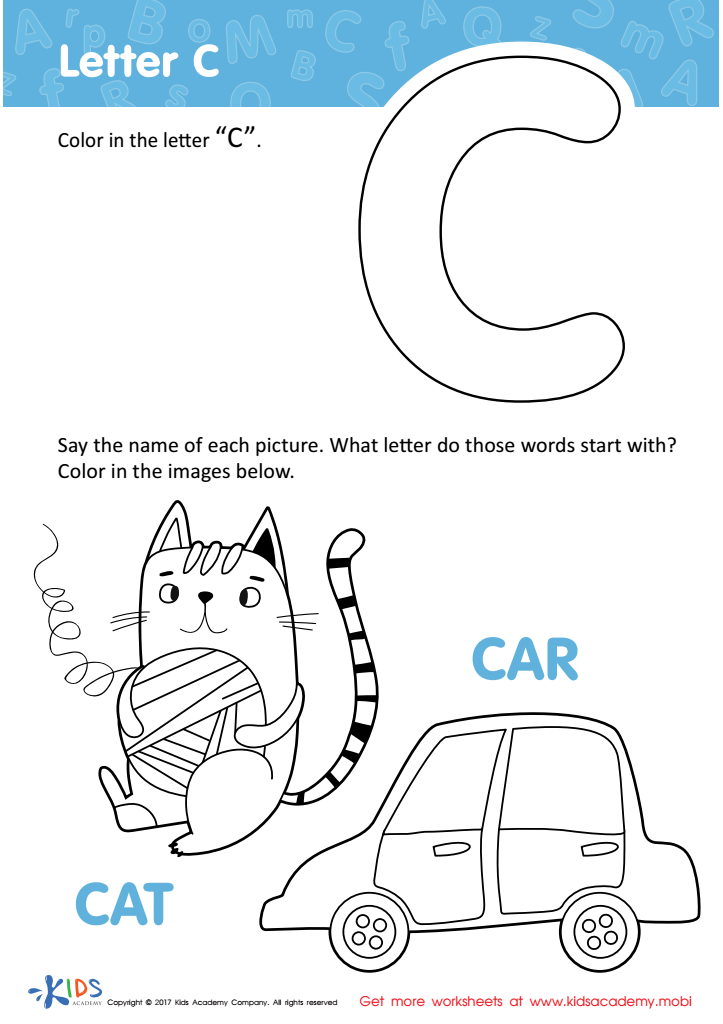
Letter C Coloring Sheet
Assign to My Students
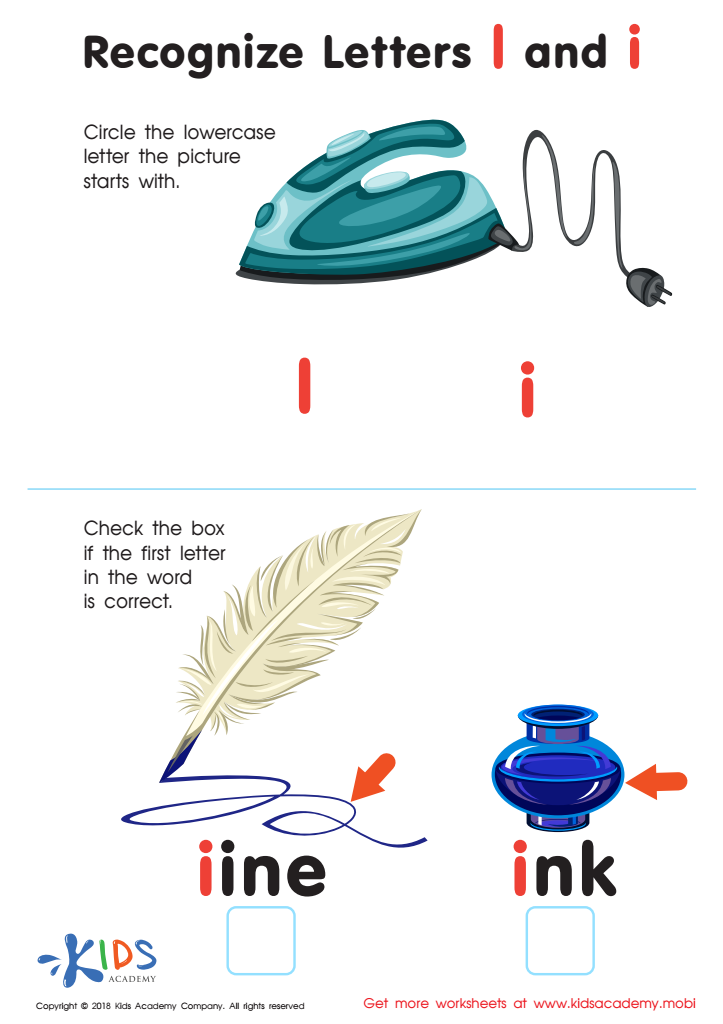
Recognize Letters l and i Worksheet
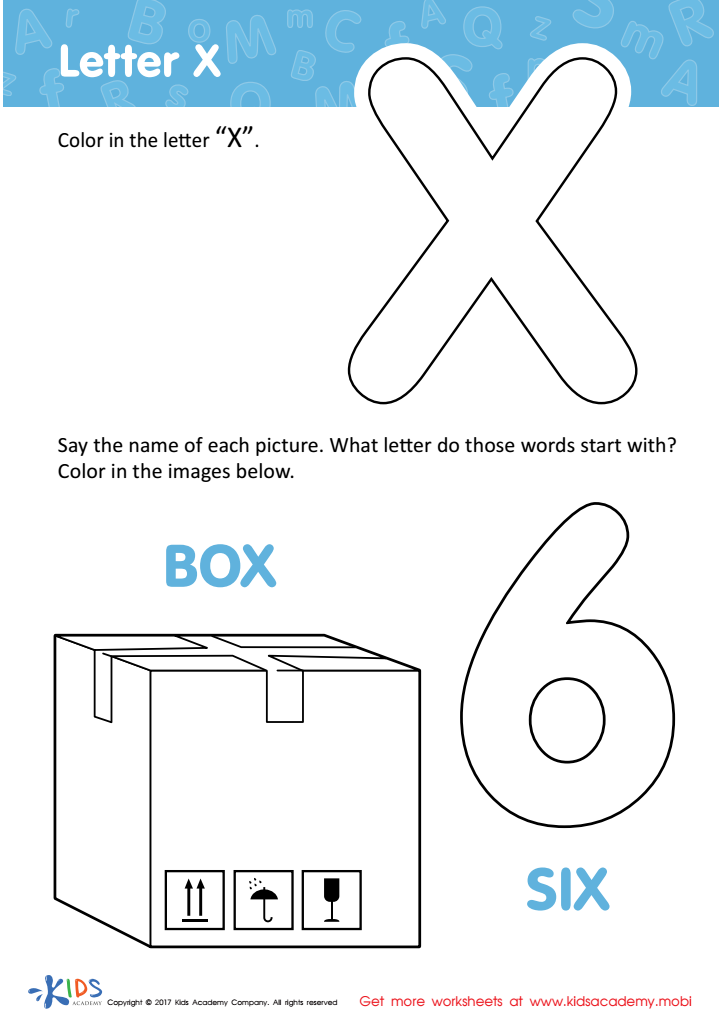
Letter X Coloring Sheet
Assign to My Students








Ensuring that children ages 4-9 engage in writing practice and letter recognition is critical for their early development and future academic success. During these formative years, young brains are highly adaptable, making this the optimal time to instill foundational literacy skills. Letter recognition is a critical pre-reading skill, enabling children to understand that letters are symbols representing sounds and forming words. Recognizing letters supports reading fluency, comprehension, and word recognition, demonstrating direct benefits on academic performance.
Writing practice further reinforces this recognition by involving multisensory learning. As children physically form each letter, they engage visual, tactile, and kinesthetic learning modalities, making letter shapes and sounds more memorable. Moreover, writing enhances fine motor skills, hand-eye coordination, and attention to detail — vital skills beyond the scope of literacy.
Initiative in letter recognition and consistent writing practice develop vocabulary and sentence structure understanding. For parents and teachers, fostering these skills means laying a foundation for effective communication, crucial both academically and socially. Equipping children with literacy skills in early childhood not only bolsters immediate learning but also sets up positive, lifelong educational trajectories, significantly lessening the risk of future academic struggles. By prioritizing these practices, we empower children with essential tools for personal and intellectual growth.







