Letter recognition Letter W Worksheets for Ages 4-9
3 filtered results
-
From - To
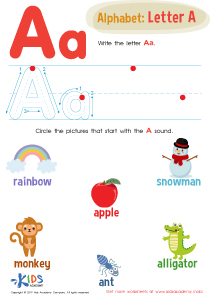
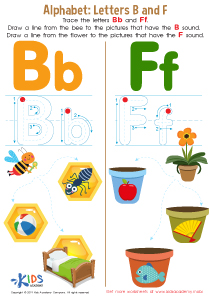
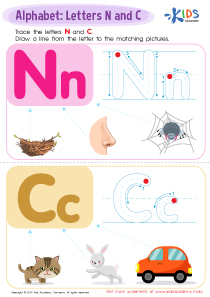
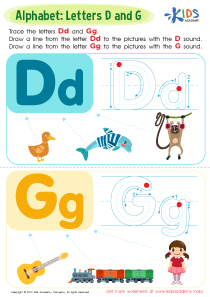
Boost your child's literacy skills with our engaging "Letter W Worksheets for Ages 4-9!" Designed to enhance letter recognition, these fun and interactive worksheets help young learners identify, trace, and write the letter W. Through a variety of activities, including coloring, matching, and engaging illustrations, children will develop essential early reading and writing skills. Our resources are tailored to encourage practice at home or in the classroom, making learning enjoyable and effective. Perfect for pre-kindergarten to early elementary students, these worksheets support independent learning while fostering a love for the alphabet. Start exploring the wonderful world of letter recognition today!
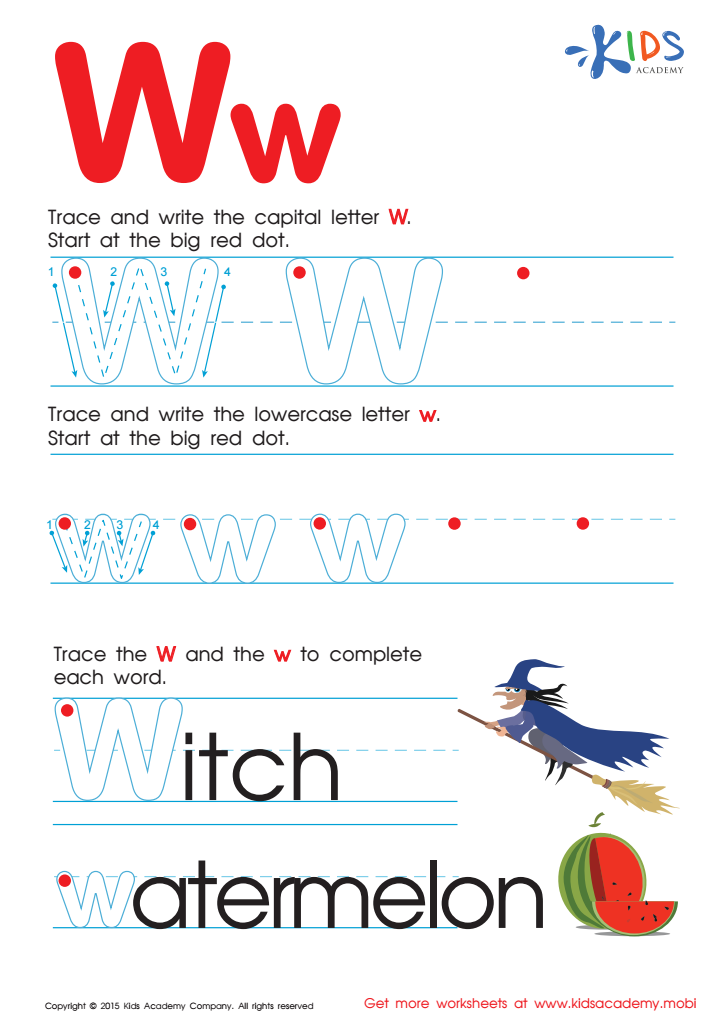
Letter W Tracing Page
 Assign to My Students
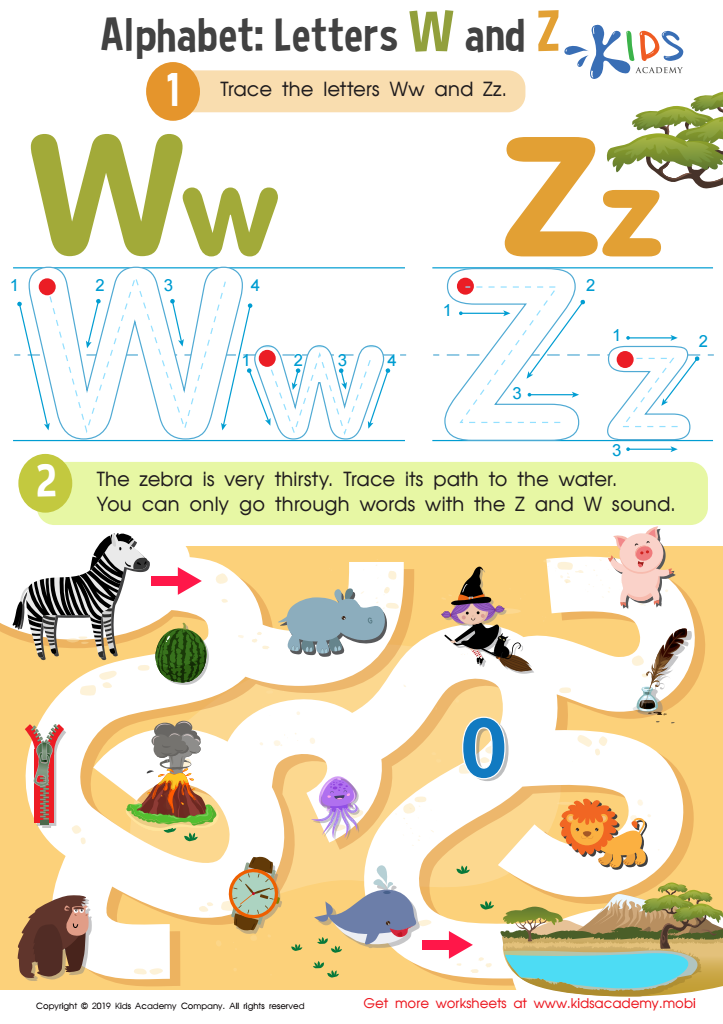
Letters W and Z Tracing Worksheet
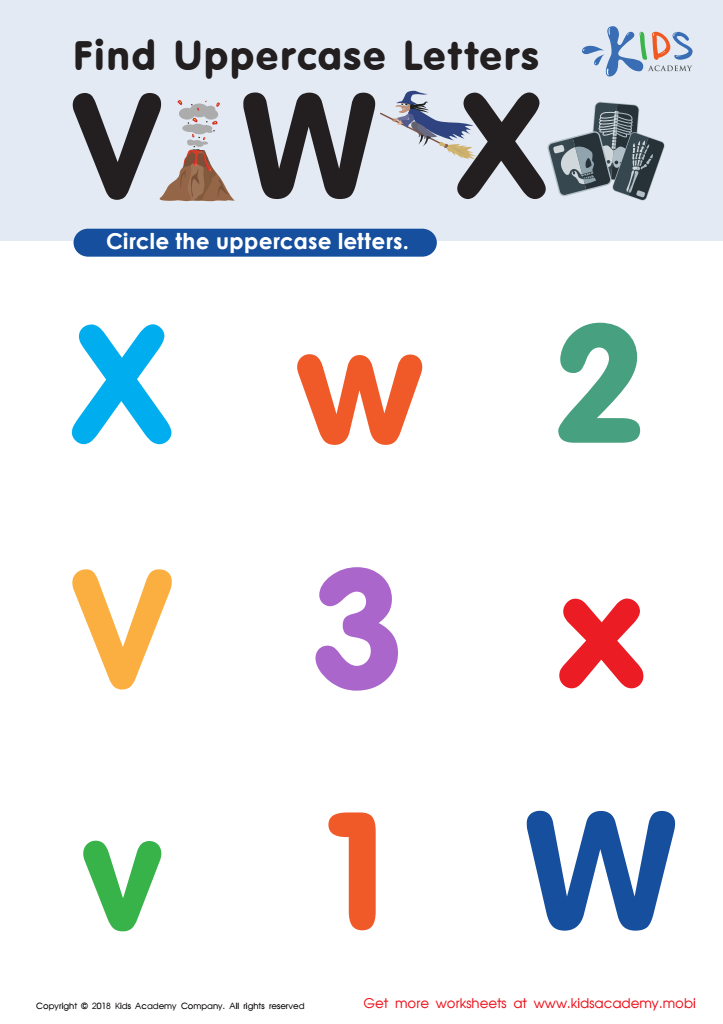
Find Uppercase Letters V, W, X Worksheet




Letter recognition is a foundational skill for early literacy, essential for children aged 4-9 as they embark on their reading journey. Focusing on letter W, teachers and parents should understand its significance for several reasons. First, letter W appears frequently in words relevant to children's everyday experiences, such as "water," "where," and "window." Recognizing W helps children decode and read these familiar words confidently.
Moreover, mastering letter W lays the groundwork for phonemic awareness and phonics. Children learn that W produces both a distinct sound (as in "wet") and blends into sounds with others, like in "swing." This understanding enhances their ability to read new words and boosts overall literacy skills.
In addition, activities that involve letter recognition foster fine motor skills, as writing the letter W requires proper pencil grip and coordination. Engaging with letter W in various ways—through arts and crafts, songs, and games—creates a positive learning environment, ensuring children see learning as enjoyable.
Finally, promoting letter recognition in a supportive atmosphere cultivates children's confidence and communication skills, allowing them to express themselves better both in writing and speech. Therefore, the letter W plays a critical role in children's literacy development, warranting attention from parents and teachers alike.