Vowel Recognition Missing Vowels Worksheets for Ages 4-9
5 filtered results
-
From - To
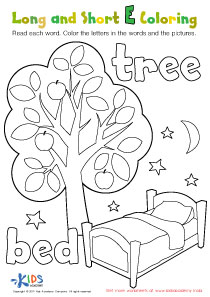
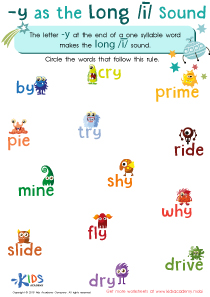
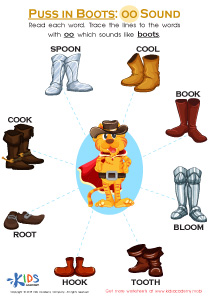
Enhance your child’s reading and writing skills with our "Vowel Recognition Missing Vowels Worksheets" designed specifically for ages 4-9. These interactive worksheets make learning engaging as kids identify missing vowels in words, boosting their phonemic awareness and spelling abilities. Perfect for early learners, our activities cater to various skill levels, ensuring that every child can benefit from vowel recognition practice. With colorful illustrations and easy-to-follow instructions, kids will enjoy mastering the critical skill of vowel identification while having fun. Download these worksheets today and empower your little learners with the foundational literacy skills they need for lifelong reading success!
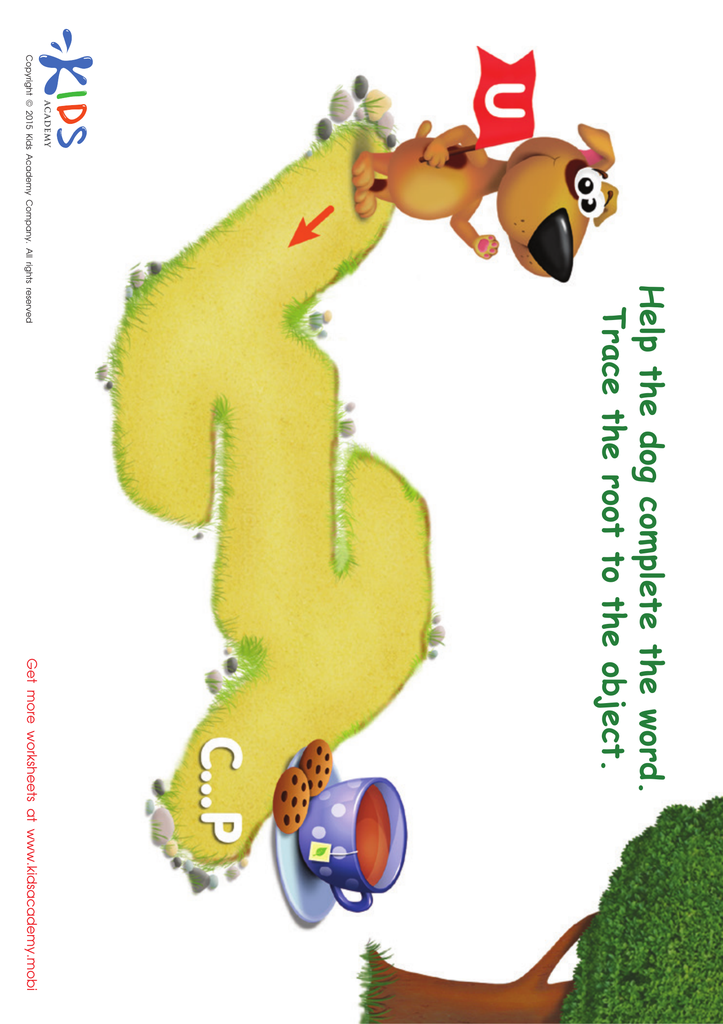
Short Vowel Sound U Worksheet Worksheet
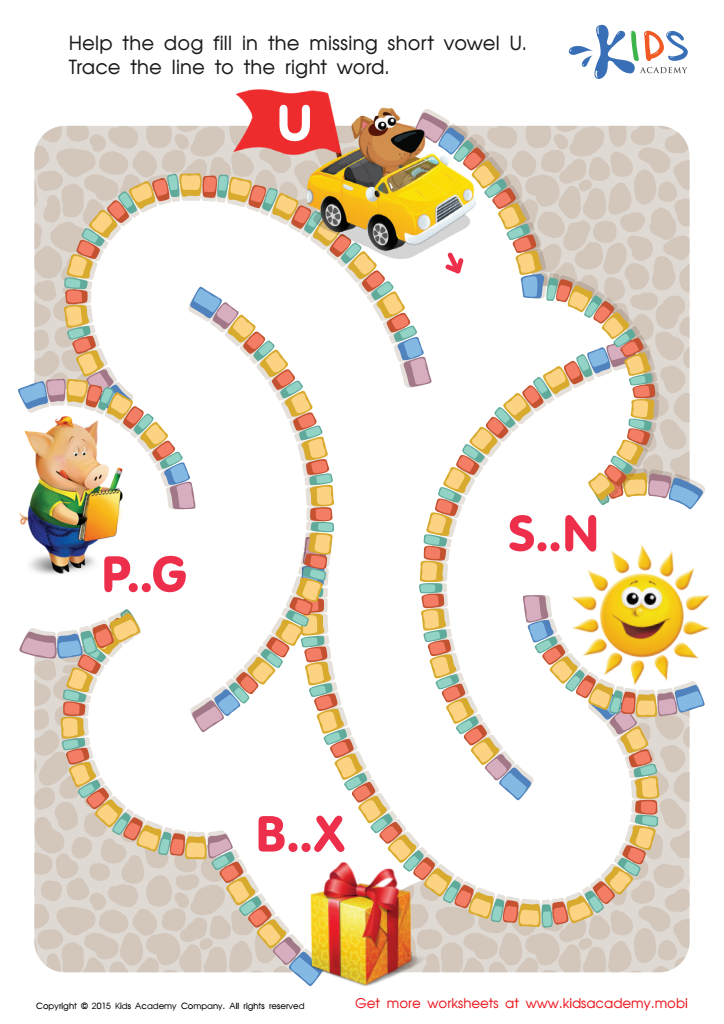
Short Vowel Sound U Worksheet
 Assign to My Students
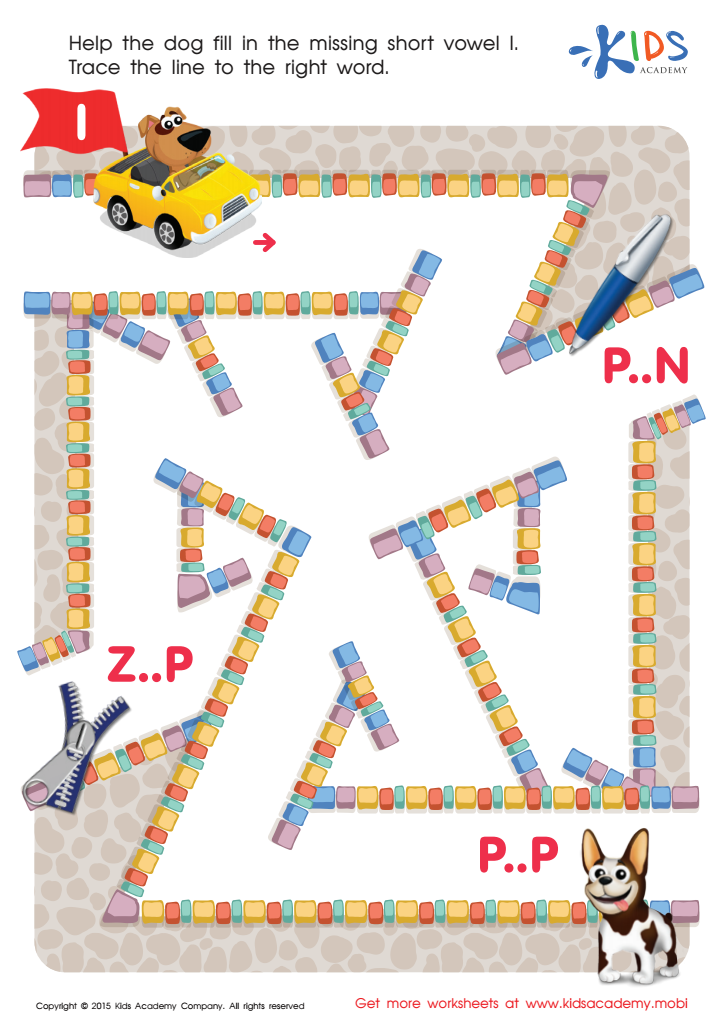
Short Vowel Sound I Worksheet
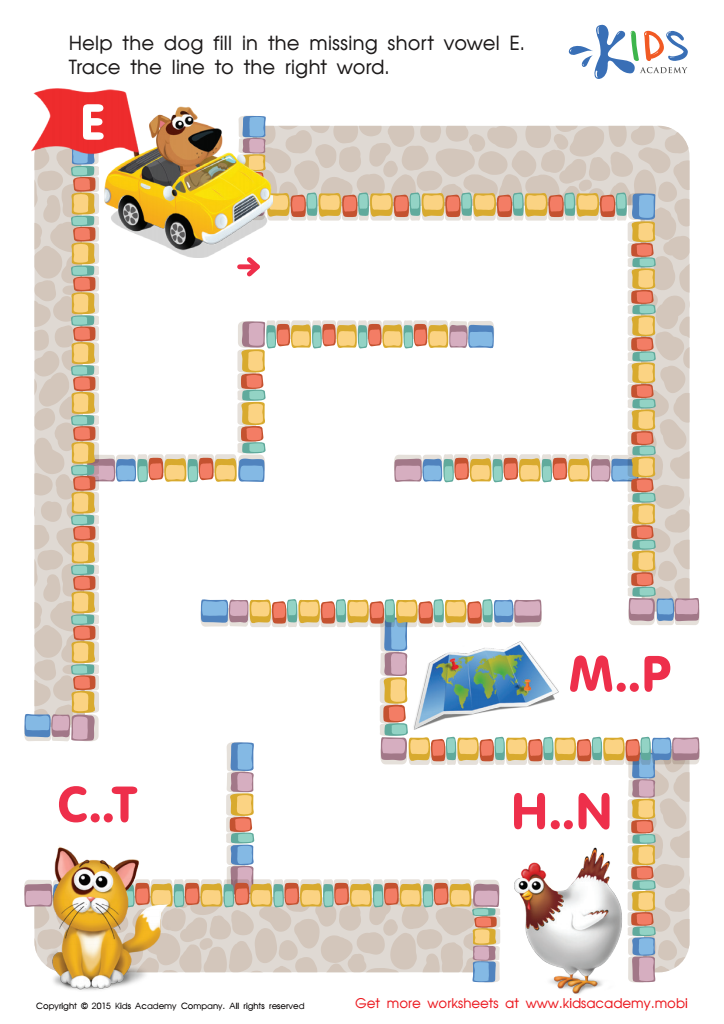
Short Vowel Sound E Worksheet
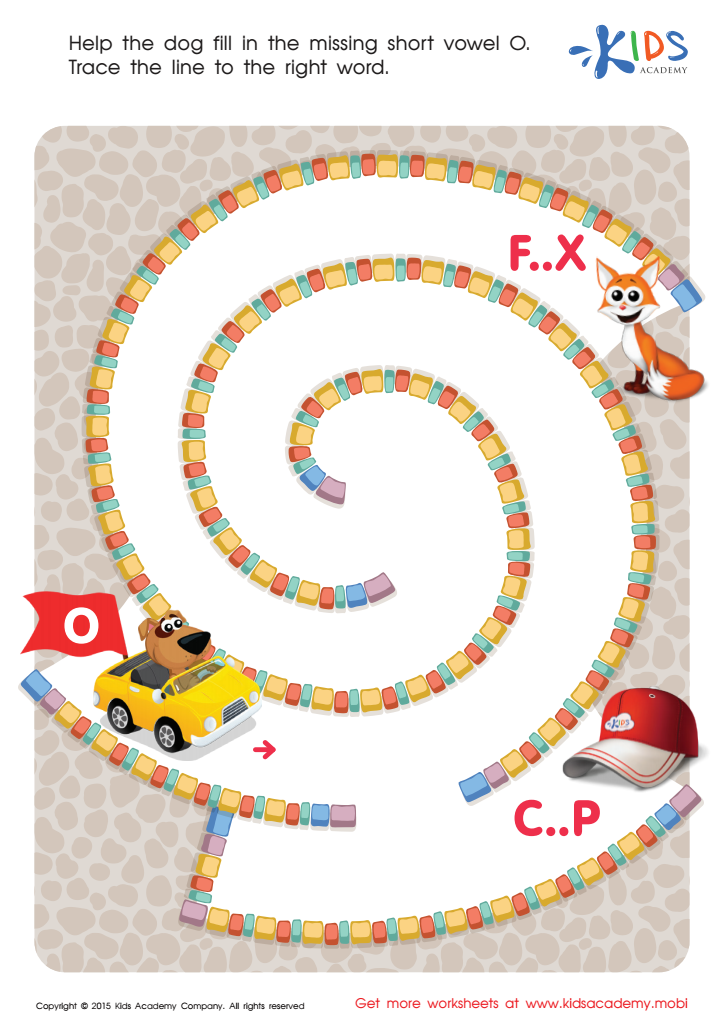
Short Vowel Sound O Worksheet


Vowel recognition is a critical component of early literacy development for children aged 4-9. Understanding vowels is foundational to reading and writing skills. When children learn to identify and differentiate vowels, they become better equipped to decode words, improving their reading fluency and comprehension.
Missing Vowel activities specifically help children learn how vowels impact word sounds and meanings. These exercises encourage kids to think critically about language, enhancing their phonemic awareness, which is the ability to hear and manipulate sounds in words. This skill is vital for spelling as well—when children grasp which vowels belong in words, they make fewer errors in their writing.
Teacher and parental support in recognizing vowel patterns fosters a supportive learning environment. Engaging in Missing Vowel activities together can be enjoyable and encourages a love for reading and language. Furthermore, mastery of vowels boosts children’s confidence in their abilities, leading to increased participation in classroom activities.
Ultimately, caring about vowel recognition in young learners lays the groundwork for strong literacy skills, future academic success, and effective communication. By prioritizing this skill, parents and teachers can contribute significantly to a child's educational journey and lifelong learning.