Color Identification Phonics Worksheets for Ages 4-9
5 filtered results
-
From - To
Discover the perfect blend of fun and education with our Color Identification Phonics Worksheets designed for children ages 4-9! These engaging worksheets help youngsters master both color identification and phonics skills, promoting critical early learning development. Each colorful sheet features entertaining activities that encourage kids to recognize and pronounce different colors while building their alphabet knowledge. Perfect for parents and educators, these resources create a joyful learning environment, fostering confidence and a love for learning in young minds. Make early education vibrant and effective with our expertly crafted phonics worksheets!
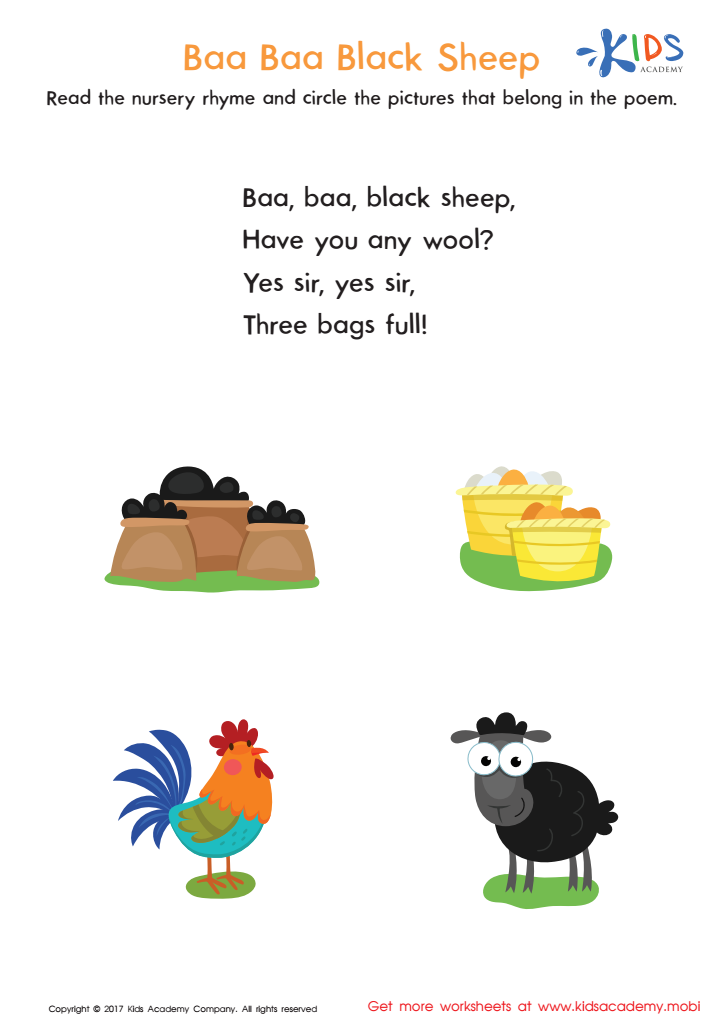
Baa Baa Black Sheep Printable
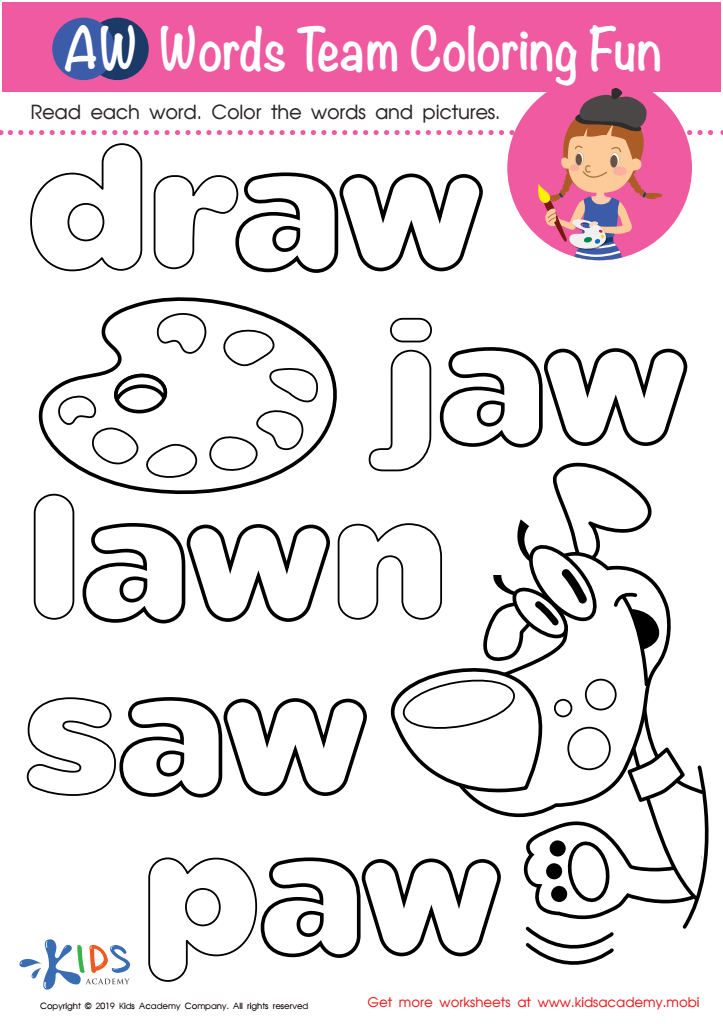
AW Words Team Coloring Fun Worksheet
 Assign to My Students
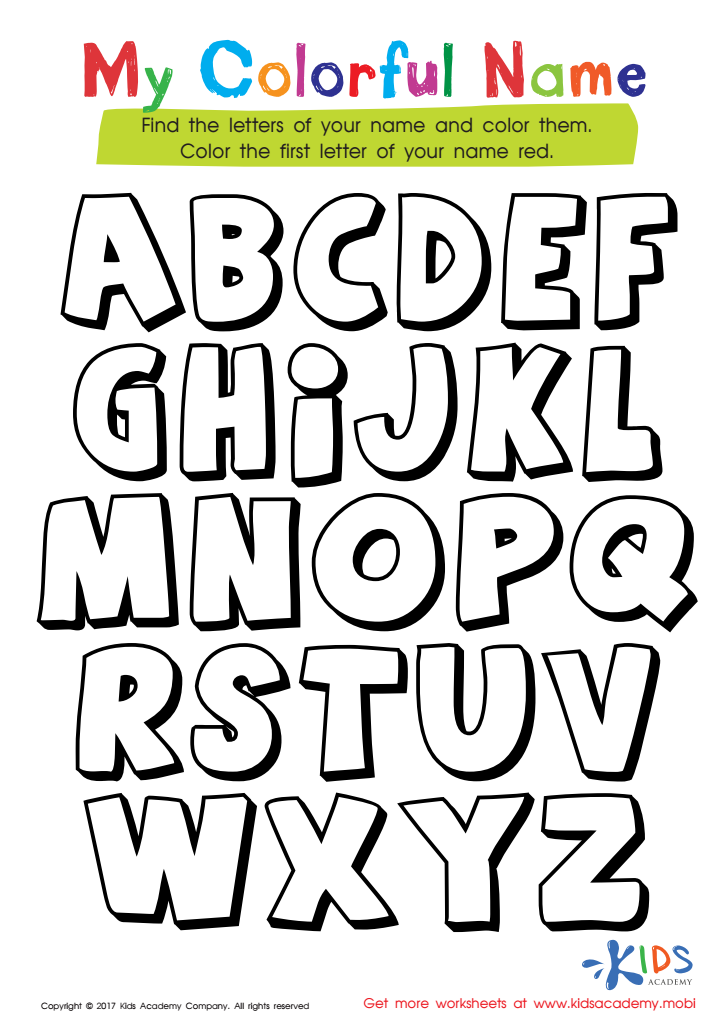
My Colorful Name Worksheet
Assign to My Students
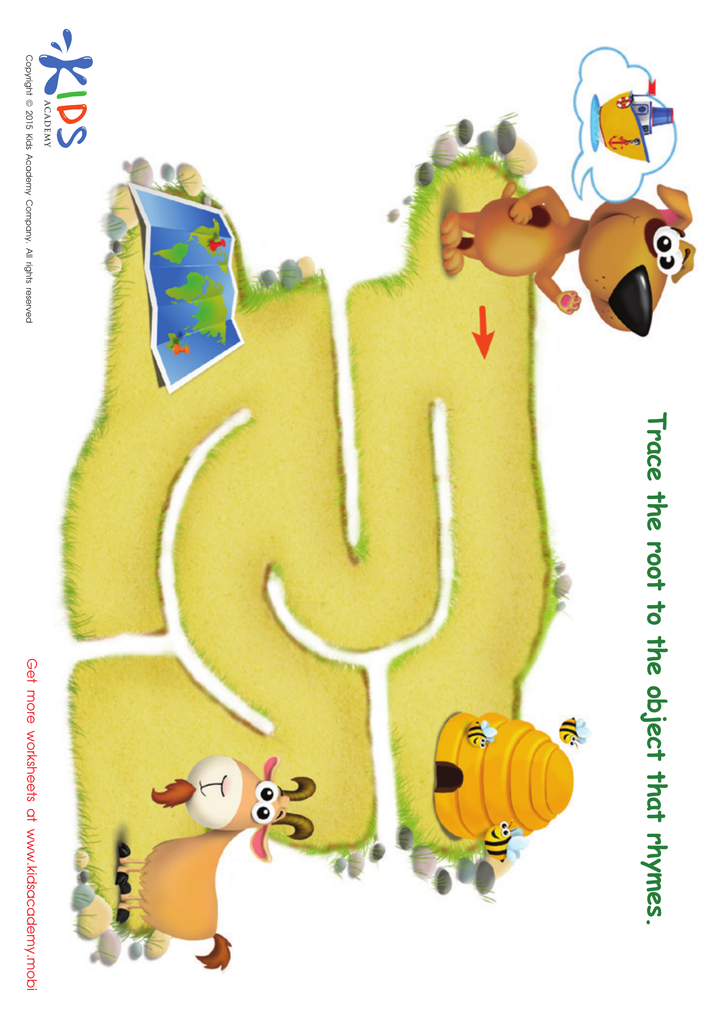
Boat Rhyming Words Worksheet
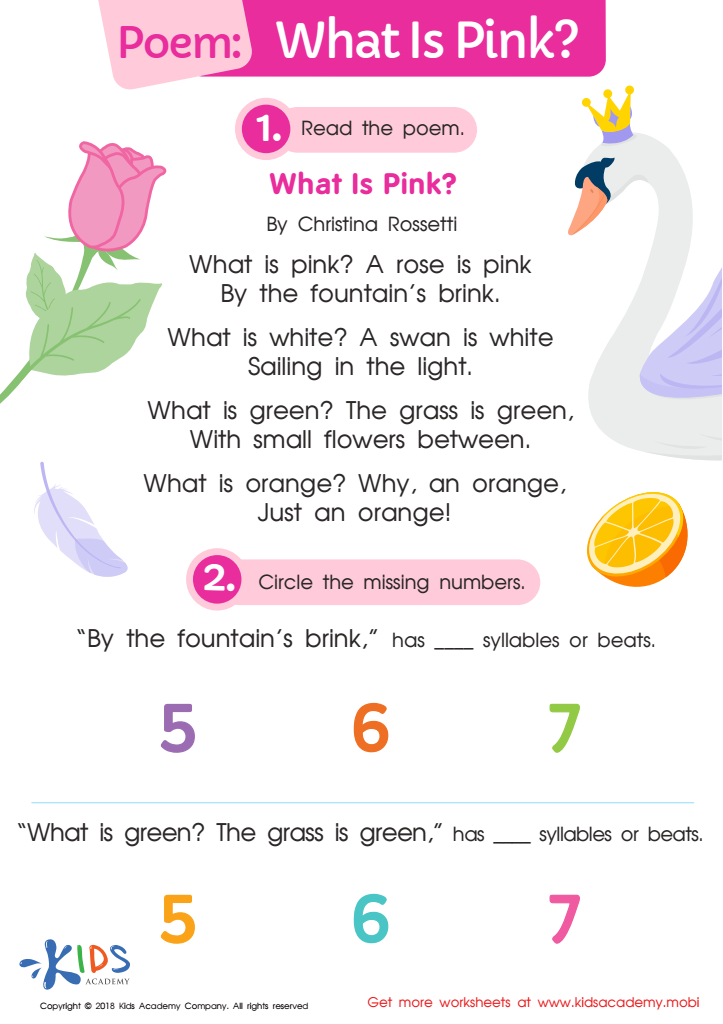
Poem: What Is Pink? Worksheet








Parents and teachers should highly prioritize color identification and phonics for children aged 4-9 because these foundational skills critically support cognitive and academic development. During these early years, children are at a prime stage for language acquisition and perceptual development. Recognizing colors helps toddlers and young children to sort and categorize objects, which is an essential pre-math and pre-reading skill. Moreover, it enhances their vocabulary by providing them with descriptive language and aiding comprehension.
Phonics, the learning of sounds represented by letters, builds the fundamental blocks for reading and writing. It empowers children to decode new words, understand patterns in spelling, and fosters fluency in reading. A strong grasp of phonics is consistently linked to improved literacy outcomes, such as better reading comprehension and longer retention of material.
When these two skills are intertwined, especially with engaging activities or playful learning, they create a stimulating educational experience that lays a concrete foundation for future learning. Activities that combine color identification with phonics, like color-coded letter games, make the process interactive and enjoyable, capturing a child's natural curiosity. This holistic approach holds significant importance for parents and teachers as it supports the development of essential competencies that will benefit children throughout their academic journeys.







