Hand-eye Coordination Phonics Worksheets for Ages 4-9
5 filtered results
-
From - To
Enhance your child's learning experience with our Hand-eye Coordination Phonics Worksheets designed for ages 4-9. These engaging and educational worksheets are perfect for developing early reading skills through fun, hands-on activities. Children will improve their hand-eye coordination as they color, trace, and match letters to corresponding sounds. Our worksheets aim to bolster fine motor skills while making phonics lessons enjoyable and interactive. With tasks tailored to different learning stages, your child will build a strong foundation in literacy while having fun. Explore our collection and bring an exciting twist to early education today!
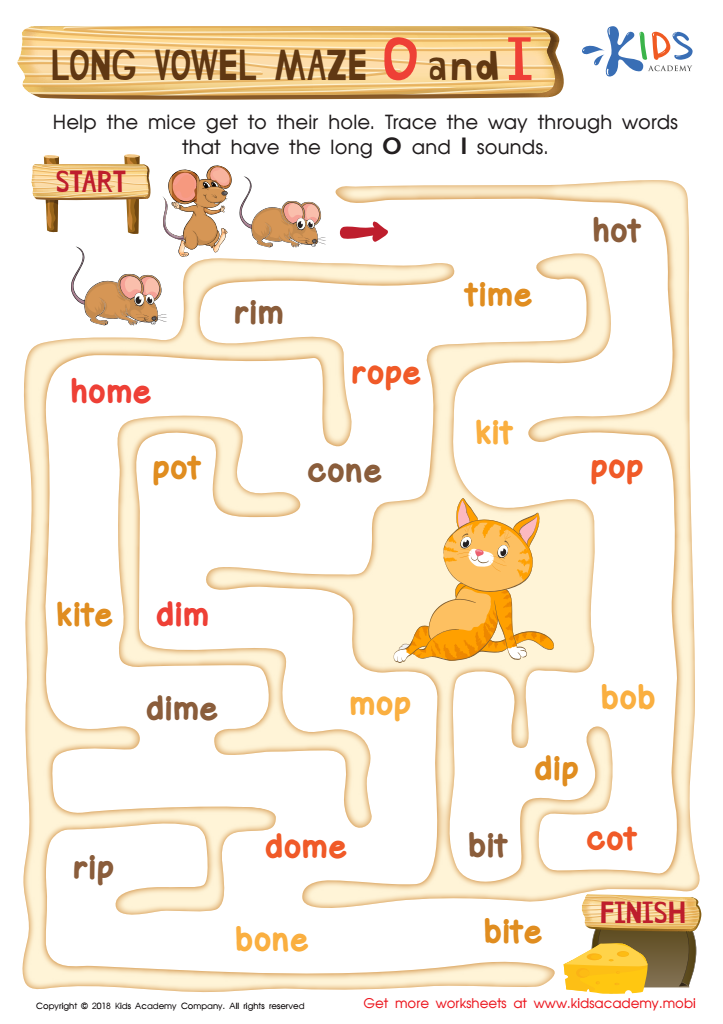
Long Vowel Maze /o/ and /i/ Worksheet
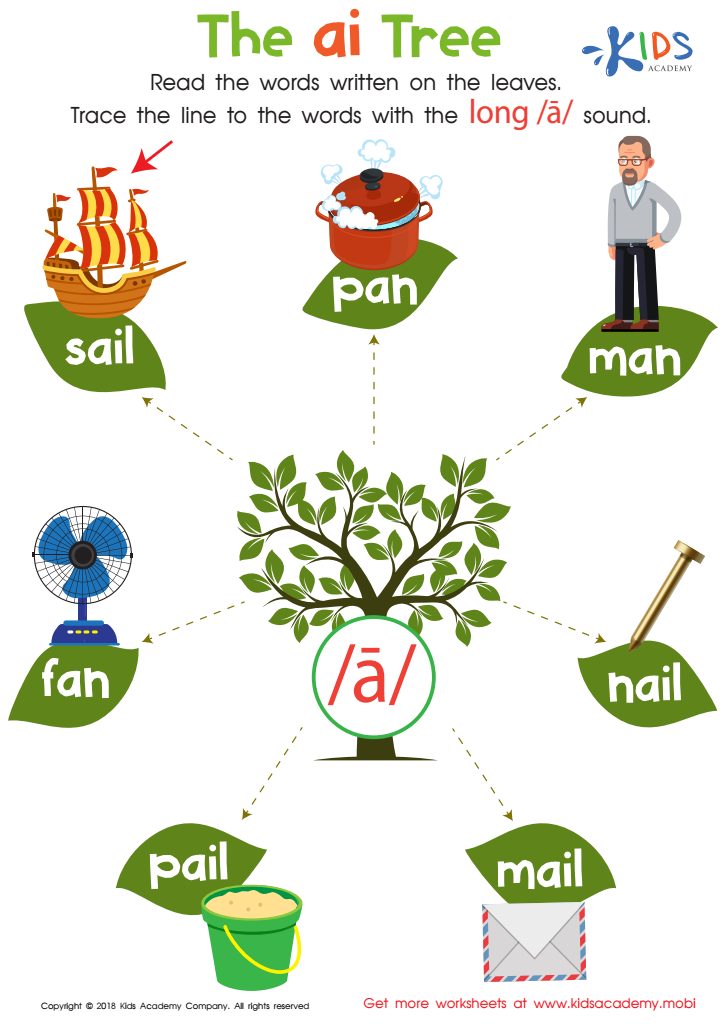
The AI Tree Worksheet
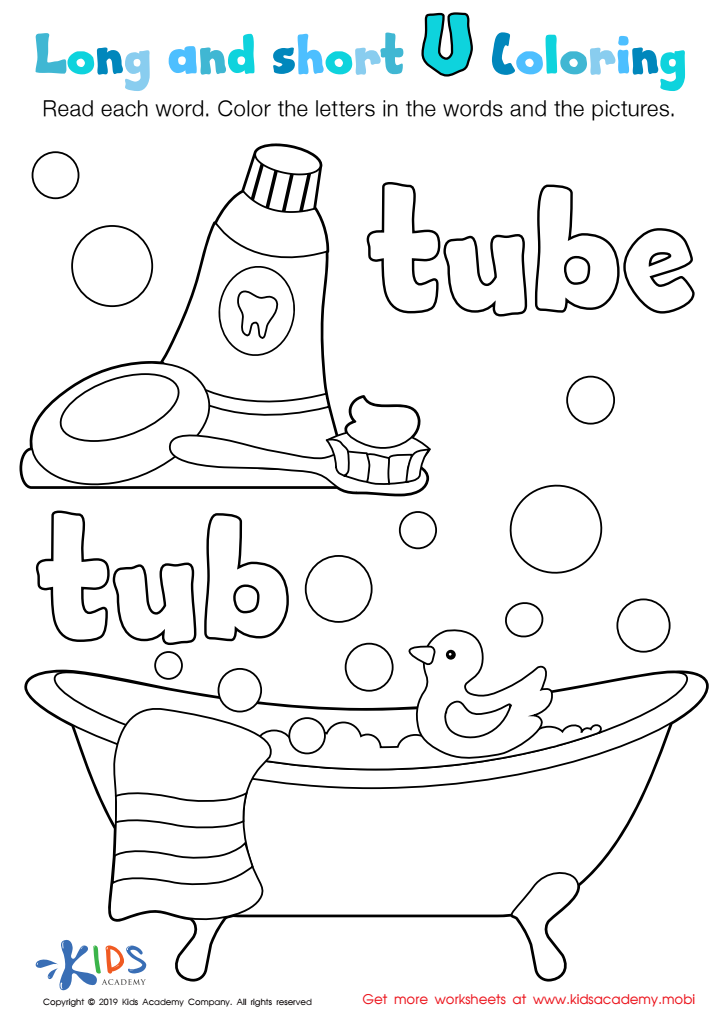
Long and Short U Worksheet
 Assign to My Students
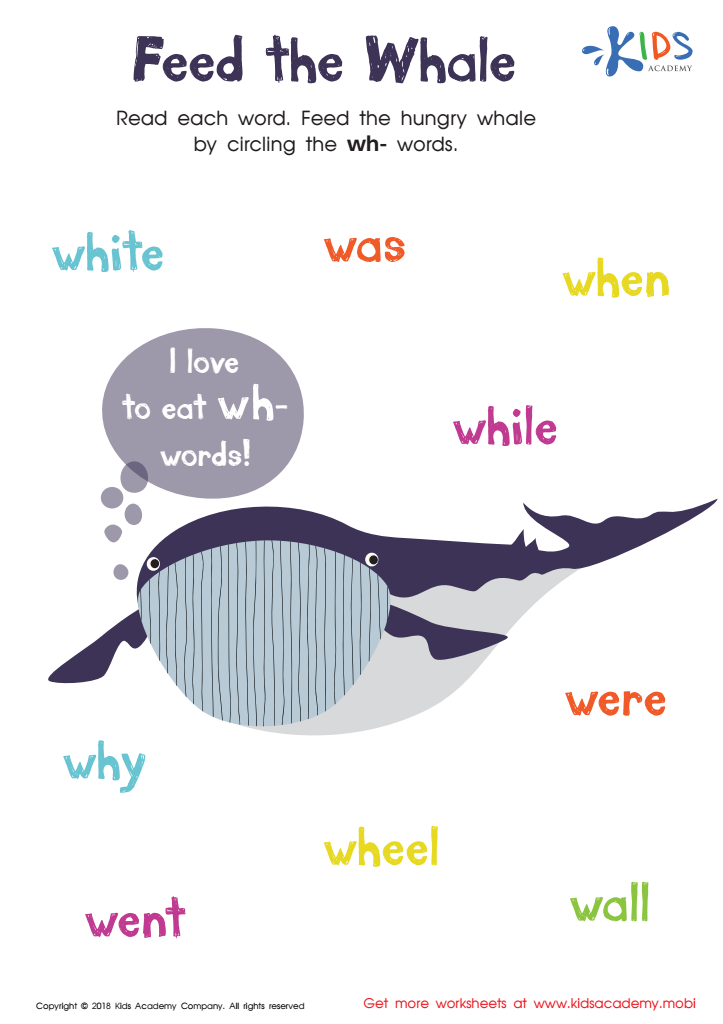
Feed the Whale Worksheet

Long and Short E Worksheet
Assign to My Students








Hand-eye coordination and phonics are essential for children aged 4-9 because they form the foundation for numerous critical skills that impact both academic and personal development. Hand-eye coordination is the synchronized control of eye movement with hand activity, playing a crucial role in nearly all daily tasks - from tying shoelaces to holding a pencil. For young learners, fine-tuning this coordination aids in writing legibly, cutting with scissors, and even playing sports, all of which enhance confidence and independence.
Phonics, on the other hand, lays the groundwork for effective reading and writing. This method teaches children the relationships between letters and sounds, helping them decode new words, improving pronunciation, and fostering a lifelong love of reading. When children master phonics early, they gain the ability to understand and enjoy literature, which boosts their performance across all academic areas.
Moreover, combining hand-eye coordination tasks with phonics activities can be mutually beneficial. Activities like tracing letters, manipulating letter blocks, or even following along with reading pointers strengthen both motor skills and phonetic understanding. Thus, prioritizing hand-eye coordination and phonics for young children is vital, laying a strong, comprehensive foundation that facilitates future learning and everyday competency.







