Phonics skills development Short Vowels Worksheets for Ages 4-9
3 filtered results
Difficulty Level
Grade
Age
-
From - To
Subject
Activity
Standards
Boost your child's reading foundations with our "Phonics Skills Development Short Vowels Worksheets" for ages 4-9. Designed to make learning fun and effective, these worksheets help kids master essential short vowel sounds through engaging activities and exercises. Each worksheet incorporates playful themes, captivating images, and clear instructions, ensuring young learners stay motivated and on track. Ideal for both classroom and home use, these resources support early reading proficiency by building strong phonics skills. Available through Kids Academy, invest in your child's literacy journey today and watch them develop into confident, proficient readers.
Favorites
With answer key
Interactive
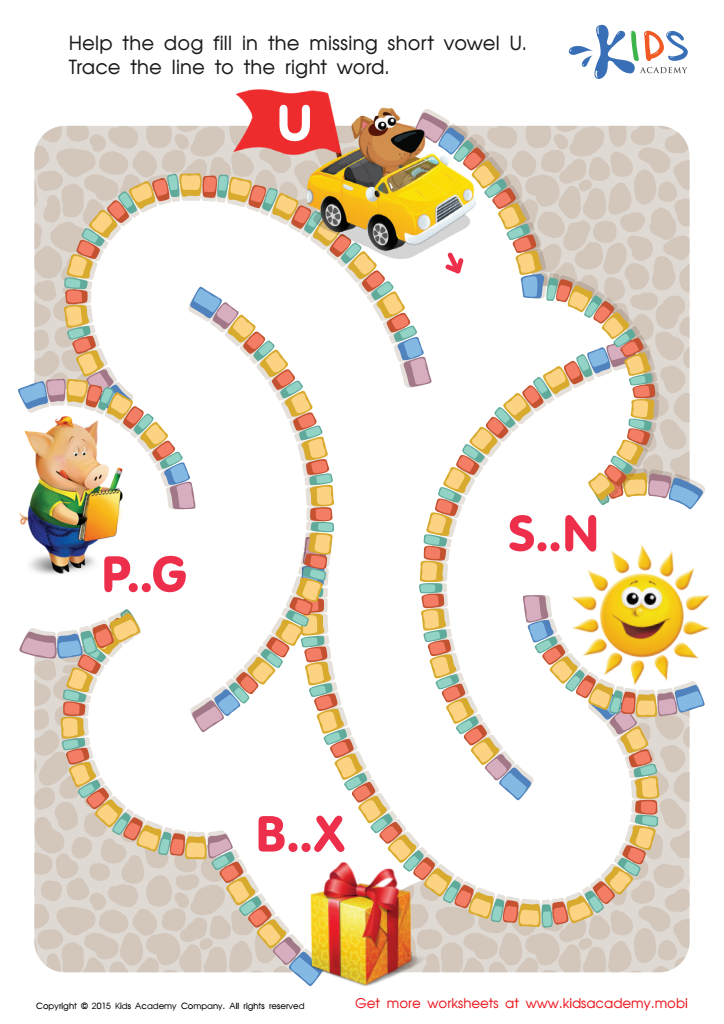
Short Vowel Sound U Worksheet
Practice abc phonics to help young learners link sounds to letters. This free printable phonics worksheet helps your kid learn the short vowel sound U. Guide them through the maze to help the dog complete the word "sun". Make sure they say the word out loud to emphasize the short U sound. Check out more phonics worksheets with mazes here.
Short Vowel Sound U Worksheet
Worksheet
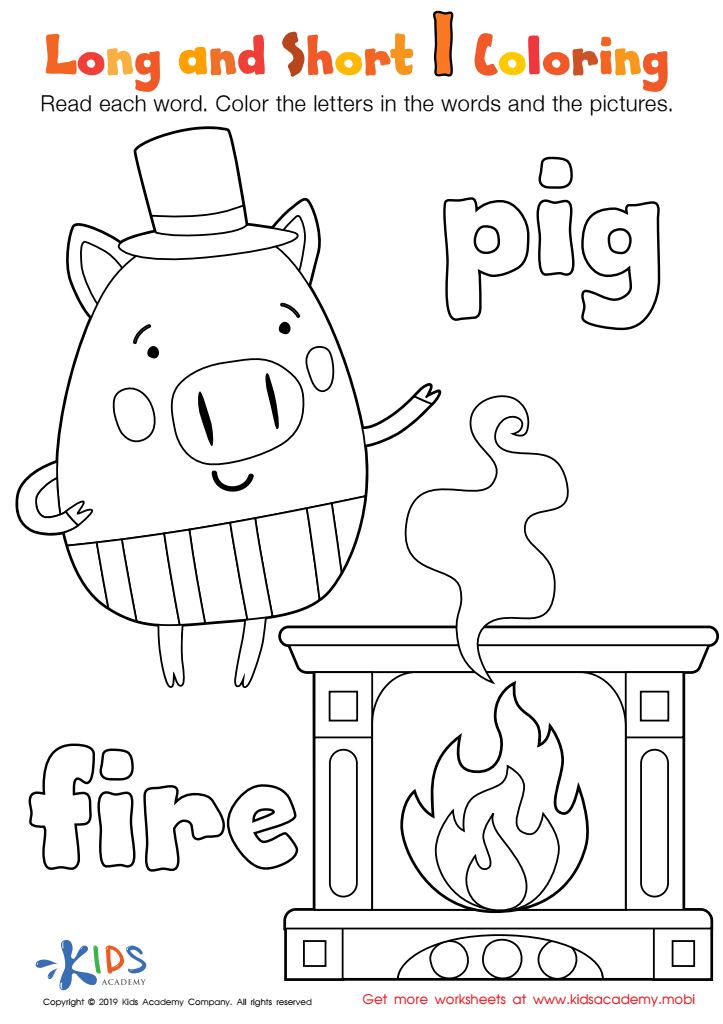
Long and Short I Worksheet
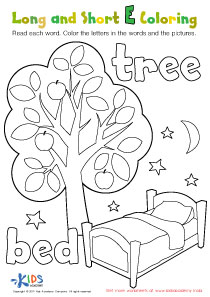
Print the worksheet and have the students read "pig" and "fire". Check for understanding the difference between long and short vowels. Color in words and pictures to make learning phonics fun! This exercise is perfect for introducing the topic to your students.
Download (PDF)
 Assign to My Students
Assign to My Students
Long and Short I Worksheet
Worksheet
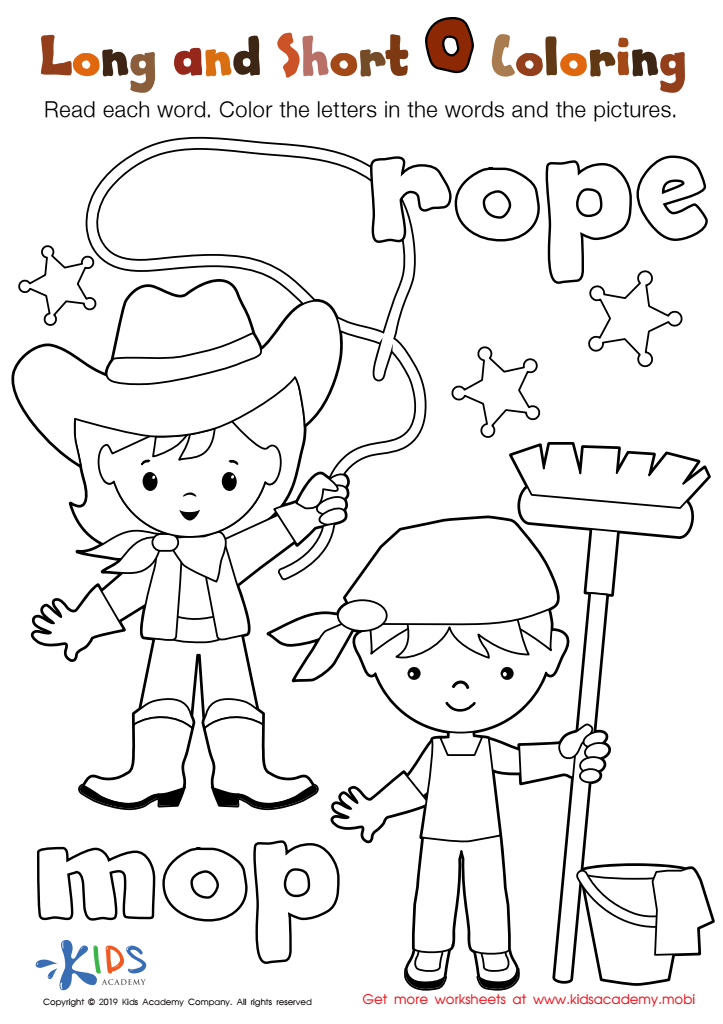
Long and Short O Worksheet
Help your students recognize the difference between long and short «Os» with this fun printout. Let them read and color-in "rope" and "mop" simultaneously. Listen to the different sounds, then color the words and pictures. Great for classes, it'll make your phonics lesson memorable and enjoyable.
Download (PDF)
Assign to My Students
Assign to My Students
Long and Short O Worksheet
Worksheet
Join Kids Academy for Free
Who is primarily going to use this learning content?



Phonics skills, particularly the recognition and pronunciation of short vowels, are crucial for young children's reading development, particularly between the ages of 4-9. At this early stage in their education, mastering short vowels—which are common sounds found in many simple, everyday words—forms the cornerstone of later reading and writing proficiency. Caring parents and teachers should prioritize phonics education to lay a solid foundation for literacy.
Phonics helps children decode words by sounding them out, leading to better comprehension and fluency. For example, understanding that the 'a' in "cat" is a short vowel sound makes it easier for a child to read related words like "bat," "rat," and "hat." This skill directly improves their ability to read unfamiliar words, boosting their confidence and love for reading.
Additionally, phonics and short vowel recognition are linked to improved spelling skills. By grasping the relationship between letters and sounds, children are better able to write correctly, which doubly reinforces their reading ability.
Neglecting phonics can lead to struggles with literacy, which can impact other areas of academic achievement and self-esteem. Therefore, by focusing on the development of phonics skills and short vowels from a young age, parents and teachers set children up for long-term success in education and beyond.