Alphabet Recognition Tracing Letters Worksheets for Ages 4-9 - Page 2
28 filtered results
-
From - To
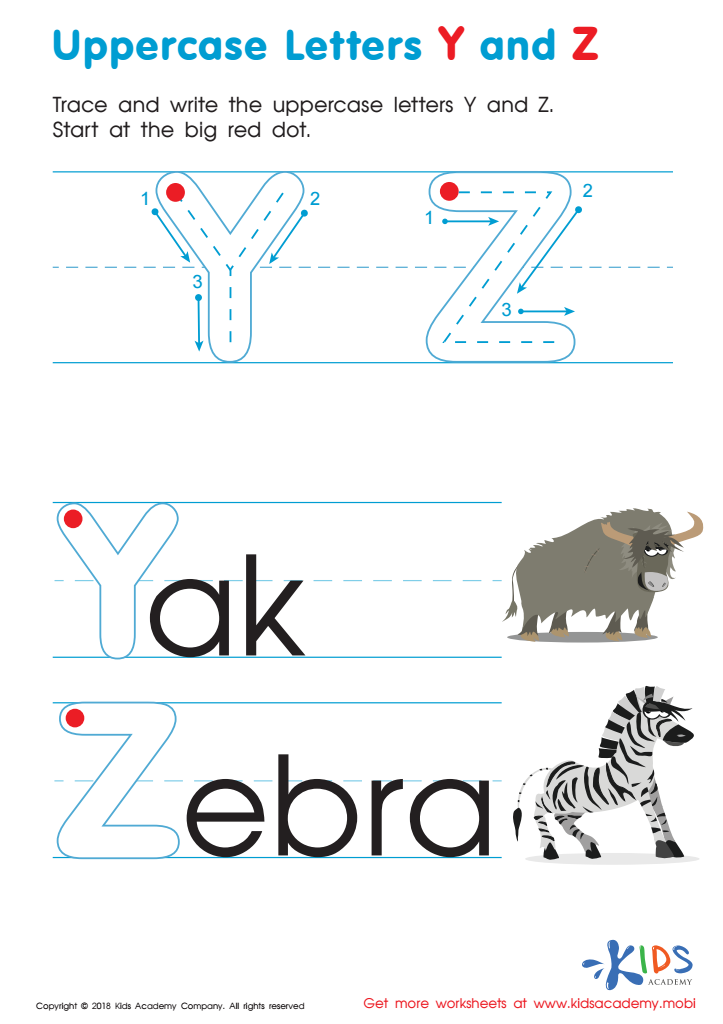
Uppercase Letters Y Z Worksheet
 Assign to My Students
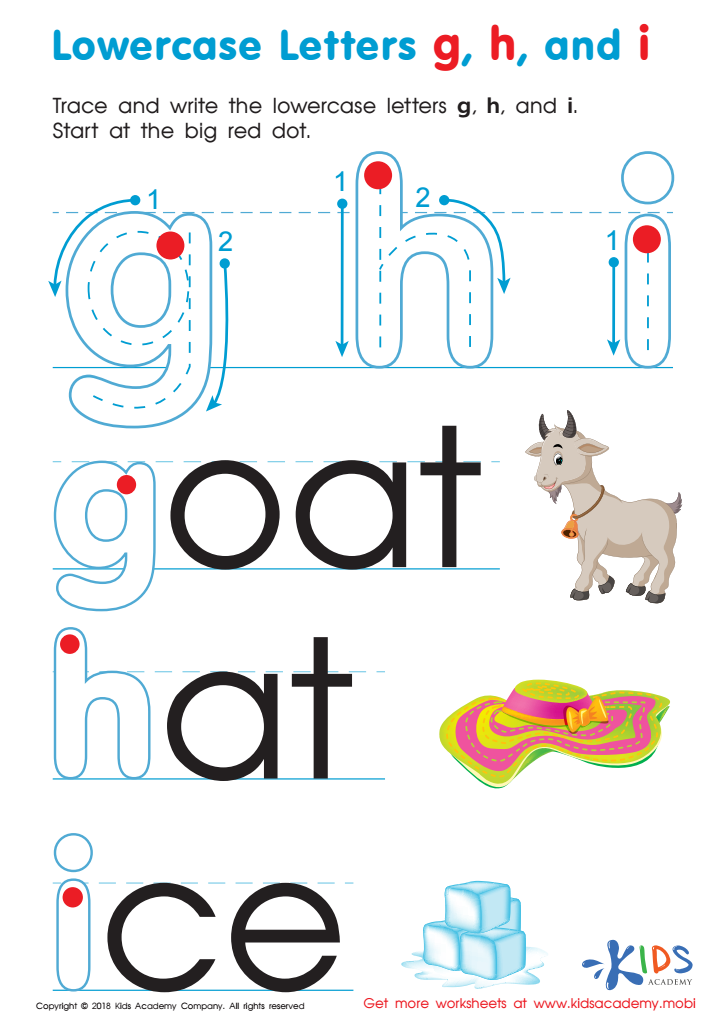
Lowercase Letters g h i Worksheet
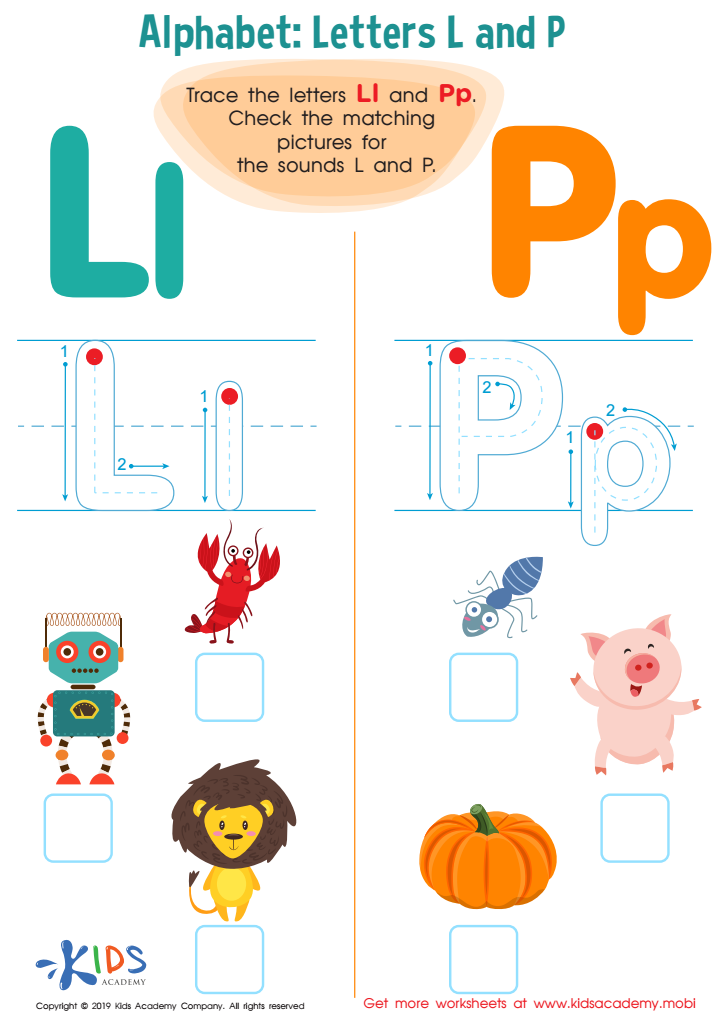
Letter L and P Tracing Worksheet
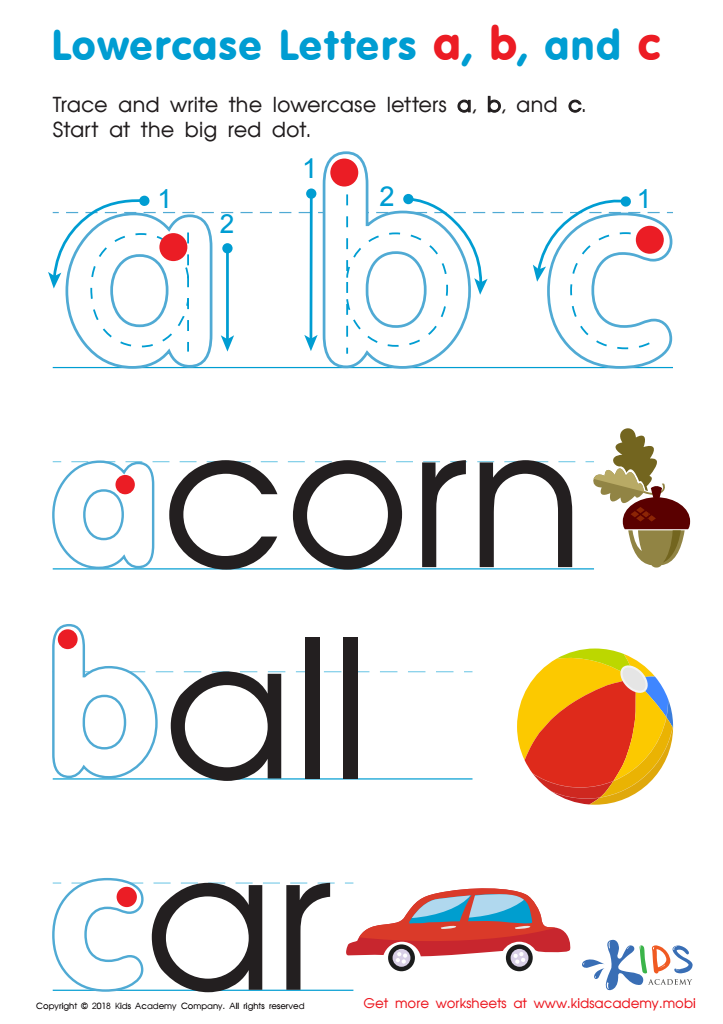
Lowercase Letters a b c Worksheet








Alphabet recognition and tracing are foundational skills crucial for children's literacy development. For ages 4-9, these activities build the cornerstone for reading and writing abilities, essential for academic success and daily communication.
Firstly, recognizing and tracing letters enhance fine motor skills and hand-eye coordination. As children grasp and maneuver pencils, they develop the muscle control needed for writing more complex words and sentences later.
Secondly, these exercises improve cognitive connections. By consistently seeing, tracing, and writing letters, children start distinguishing subtle differences between letter forms, fostering visual memory and attention to detail.
Additionally, alphabet recognition lays the groundwork for phonemic awareness. When children associate letters with specific sounds, they begin decoding words, a crucial reading skill. This early literacy practice promotes confidence, motivating a lifelong interest in learning and reading.
For parents and teachers, engaging in alphabet tracing activities helps identify and support learning challenges early. Whether offering praise, repetition, or tailored interventions, they create an encouraging environment that addresses individual needs.
Furthermore, fun and interactive tracing activities provide bonding opportunities, reinforcing a positive association with learning. In essence, caring about alphabet recognition and tracing sets the stage for children's holistic educational growth, paving the way for their future academic achievements.








