Hand-eye Coordination Tracing Letters Worksheets for Ages 4-9
6 filtered results
-
From - To
Discover our Hand-eye Coordination Tracing Letters Worksheets, specifically designed for children ages 4-9. These engaging worksheets help young learners develop essential hand-eye coordination and fine motor skills while mastering the alphabet. With a variety of tracing exercises featuring both uppercase and lowercase letters, your child will gain confidence in their writing abilities. Perfect for preschool and early elementary students, these worksheets make learning fun and interactive. As children trace, they enhance their focus and dexterity, laying a strong foundation for future academic success. Explore our collection today to support your child's developmental journey in a playful and educational way!

Letter A Tracing Page
 Assign to My Students
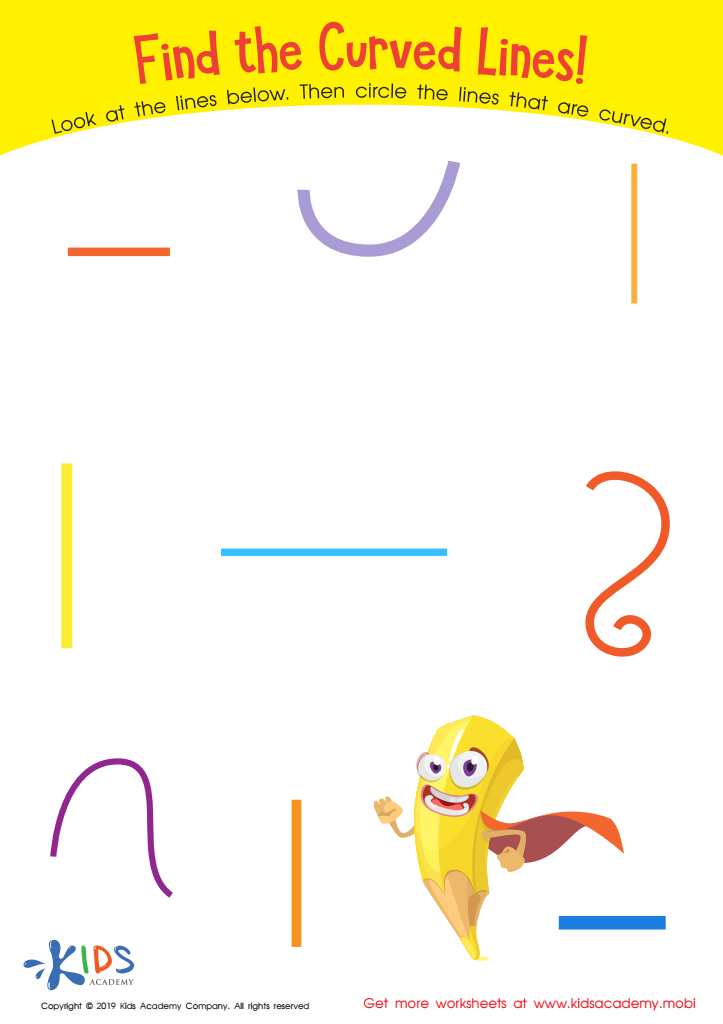
Find the Curved Lines! Worksheet
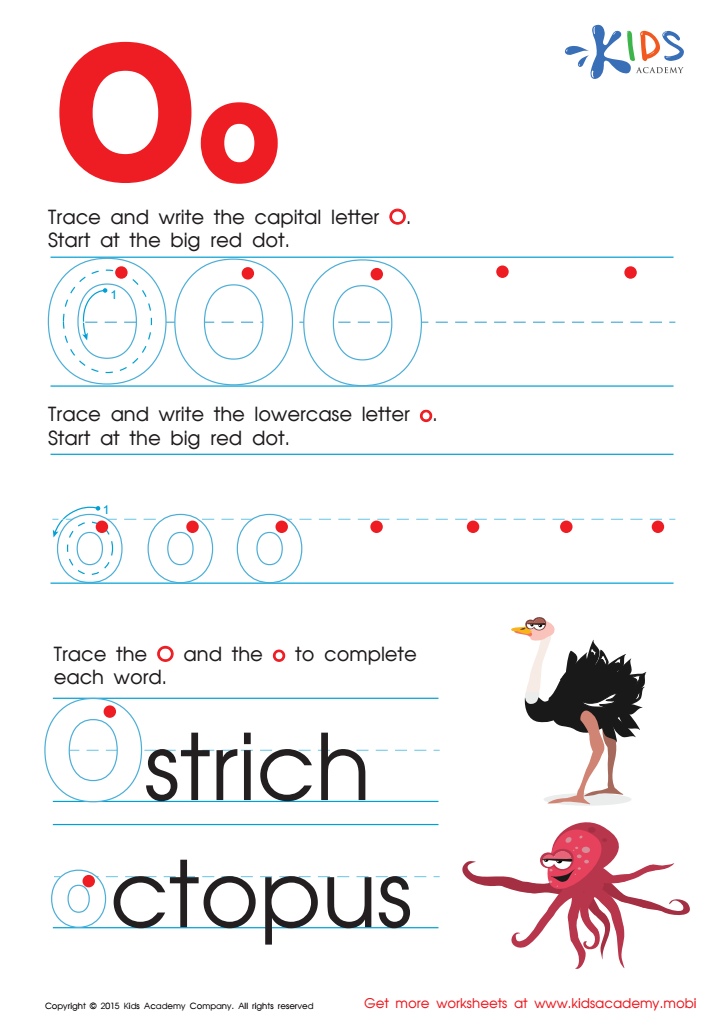
Letter O Tracing Page
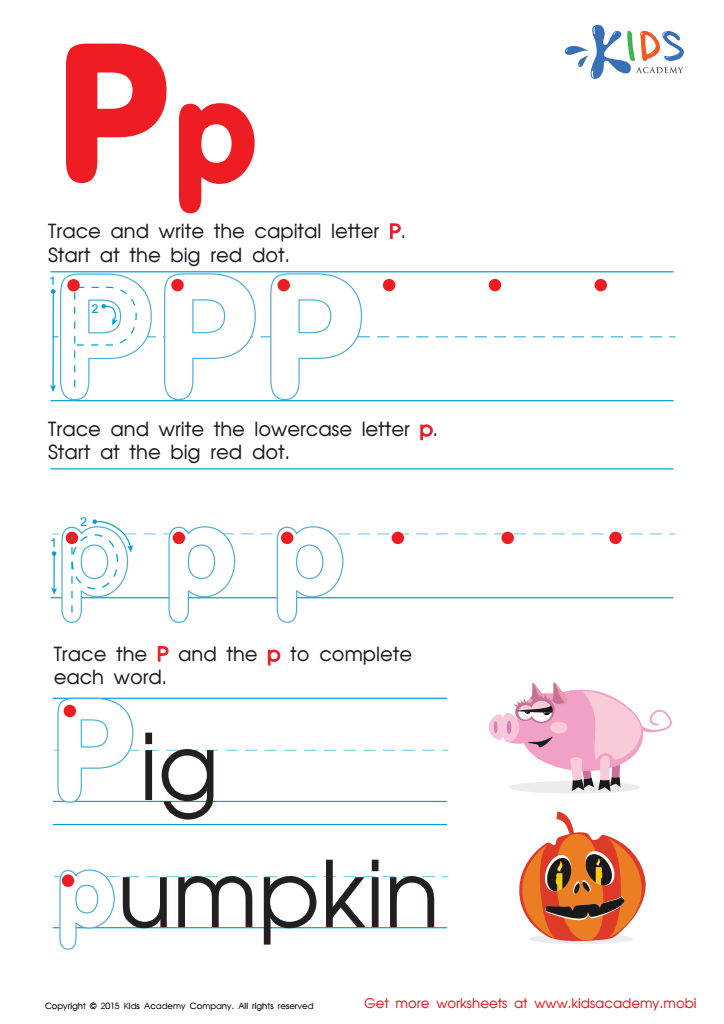
Letter P Tracing Page
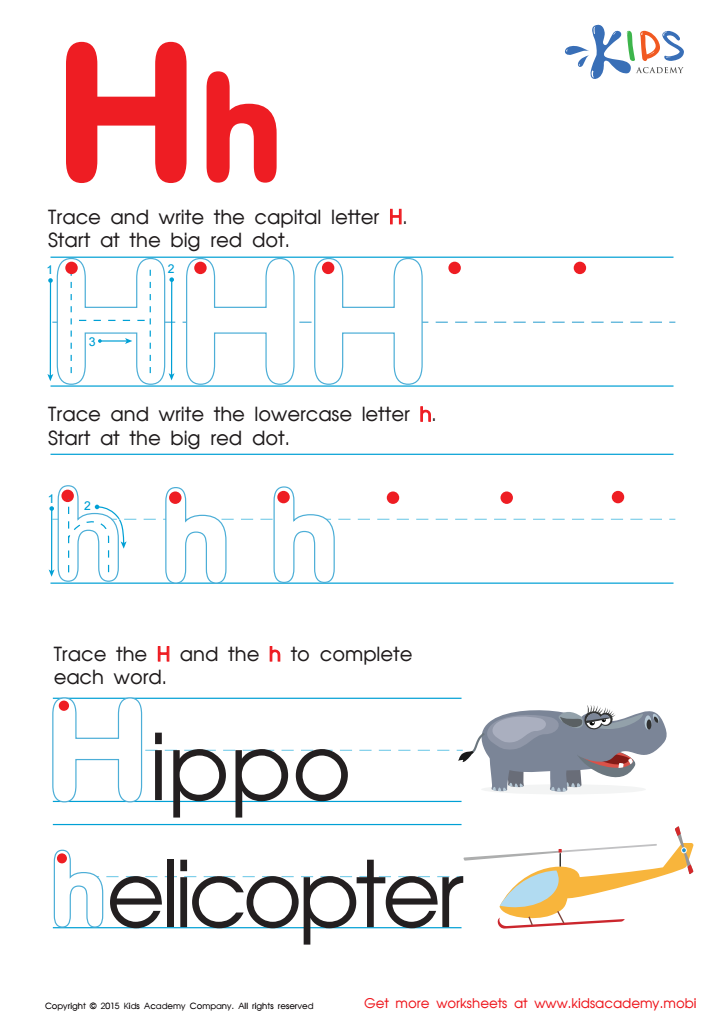
Letter H Tracing Page

Letter D Tracing Page








Hand-eye coordination is a crucial skill for children aged 4-9, as it impacts various aspects of their development. Tracing letters is an effective exercise that helps enhance this coordination by requiring children to synchronize their hand movements with what they see visually. As children trace letters, they practice fine motor skills, which are essential for tasks like writing, cutting, and using technology.
Developing hand-eye coordination through tracing also supports early literacy skills. This activity reinforces letter recognition, phonetics, and handwriting skills by providing a hands-on approach to learning. When children engage in tracing, they build muscle memory, which is vital for writing independently in the future.
Moreover, parents and teachers should note that strong hand-eye coordination contributes to a child’s overall confidence in their abilities. With improved coordination, children may find it easier to participate in sports, arts and crafts, and everyday tasks, fostering a sense of achievement.
In summary, engaging children aged 4-9 in tracing letters is not merely about writing; it's an integral part of their physical, cognitive, and emotional development. Investing time in these activities helps lay a strong foundation for future learning and self-confidence.








