Visual discrimination skills Upper & Lowercase Letters Worksheets for Ages 4-9
4 filtered results
-
From - To
Enhance your child's reading readiness with our engaging Visual Discrimination Skills Upper & Lowercase Letters Worksheets, specially designed for ages 4-9. These fun, educational worksheets from Kids Academy focus on helping young learners recognize and differentiate between upper and lowercase letters. Through a variety of playful, thought-provoking exercises, children will sharpen their visual perception and letter recognition skills, which are fundamental for early literacy. Perfect for both classroom and at-home learning, our worksheets provide a solid foundation in visual discrimination, setting kids on the path to reading success. Explore our wide selection today!
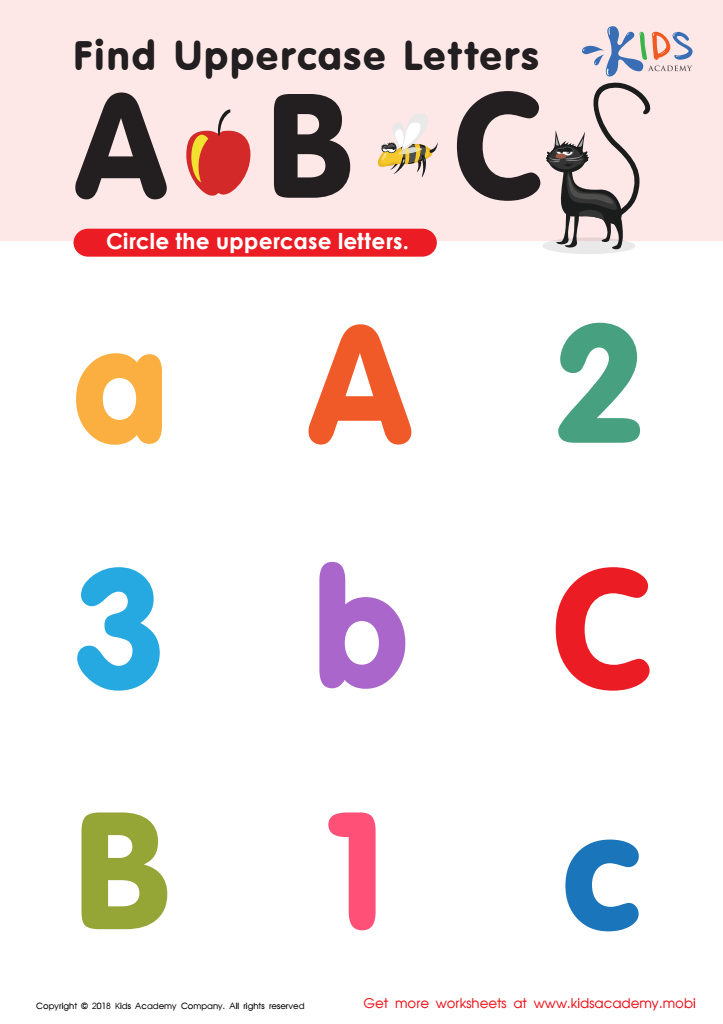
Find Uppercase Letters A, B, and C Worksheet
 Assign to My Students
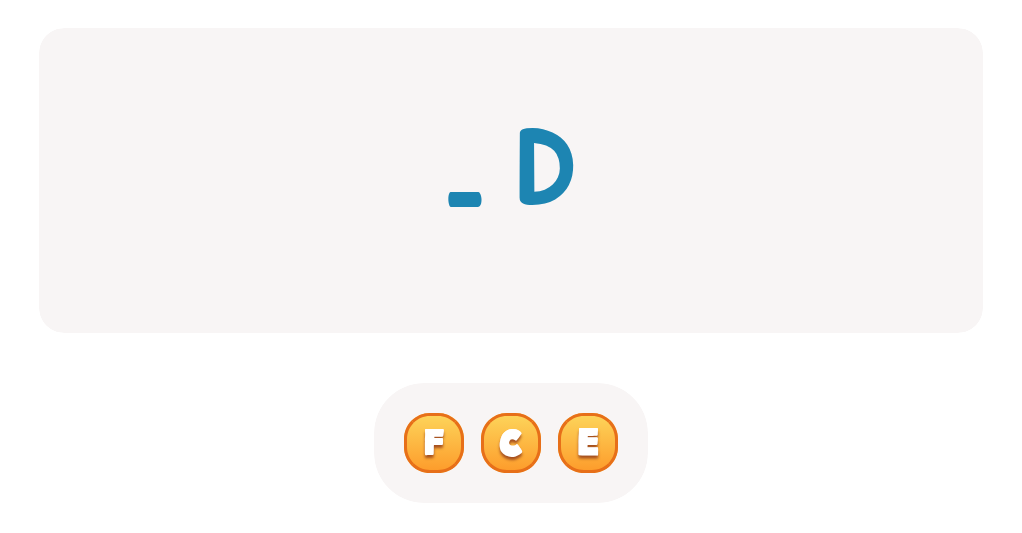

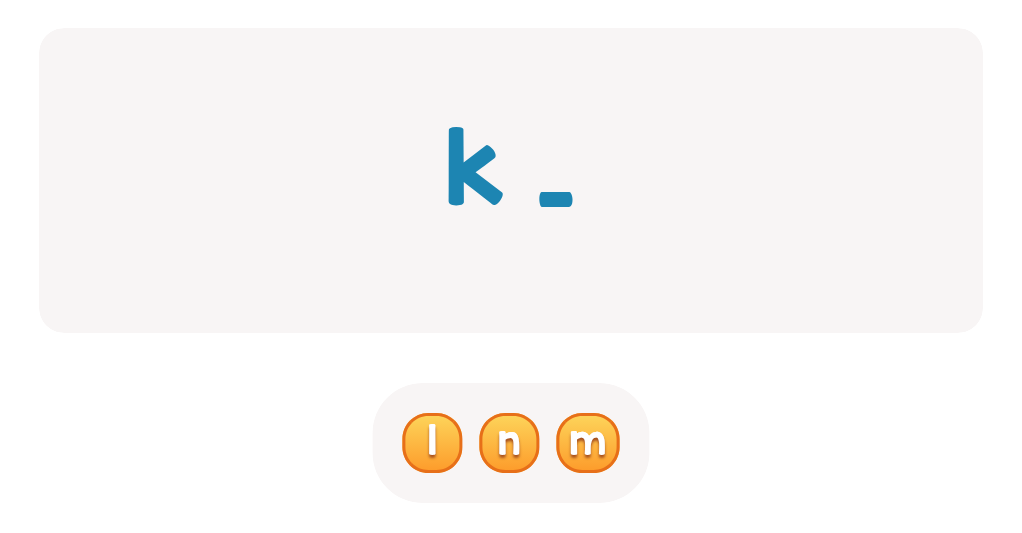
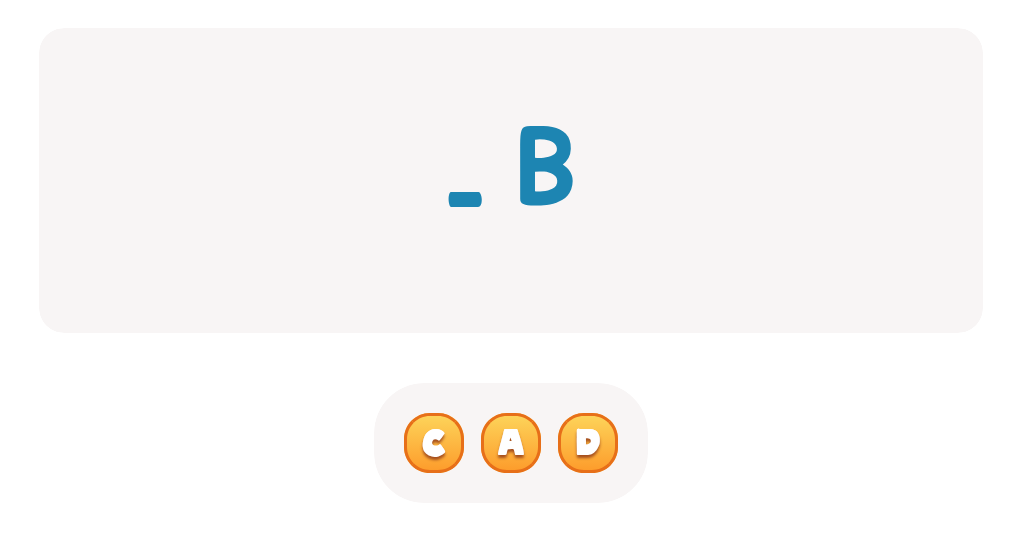
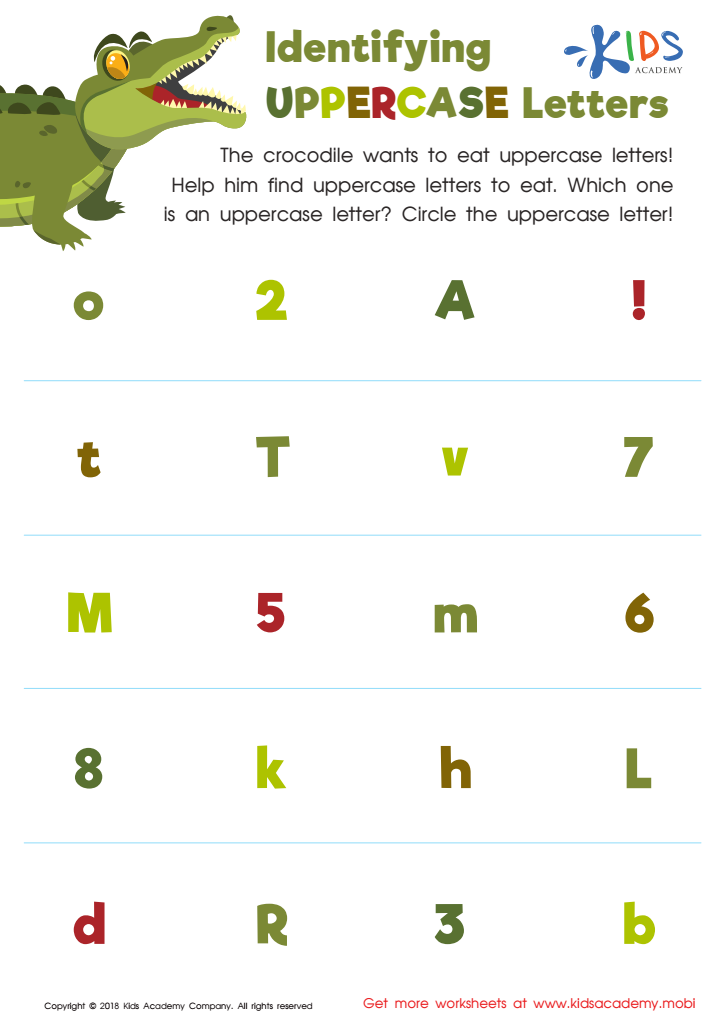
Identifying Uppercase Letters Worksheet

Find lowercase letters a b c Worksheet

Find Lowercase Letters v w x Worksheet






Visual discrimination skills, particularly the ability to distinguish between uppercase and lowercase letters, are critically important for young children ages 4-9. These skills form the foundation for reading and writing, impacting academic success and early literacy development. When children can accurately identify and differentiate between uppercase and lowercase letters, they are better prepared to decode words, comprehend text, and engage in meaningful reading activities.
For parents and teachers, fostering these skills can directly influence a child's confidence and enthusiasm for learning. Early proficiency in visual discrimination aids in avoiding confusion between similar letters like 'b' and 'd' or 'p' and 'q'. This ensures a smoother progression from recognizing letters to forming words, and ultimately, to reading fluently—skills essential throughout their academic journey.
Additionally, visual discrimination isn't confined to literacy alone; it's crucial for essential academic tasks such as spelling, handwriting, and following written instructions. Engaging children in varied, playful activities like alphabet games, matching exercises, and hands-on practice can make learning these skills enjoyable and effective.
In summary, prioritizing visual discrimination of uppercase and lowercase letters empowers children with the tools needed for early literacy. This enriches their learning experiences and lays a robust groundwork for future academic achievements.







