Vocabulary Building Vowels Worksheets for Ages 4-9
5 filtered results
-
From - To
Explore our engaging Vocabulary Building Vowels Worksheets designed specifically for children ages 4-9. These worksheets focus on enhancing vocabulary skills through the essential vowels A, E, I, O, and U. Packed with fun activities, colorful visuals, and interactive exercises, these resources make learning enjoyable while reinforcing letter recognition and phonics. Our worksheets promote critical thinking and language development, making them perfect for young learners in classrooms or homeschooling environments. Help your child improve their reading and writing skills while developing a solid foundation in language. Dive into our collection and watch your child’s confidence soar as they expand their vocabulary!
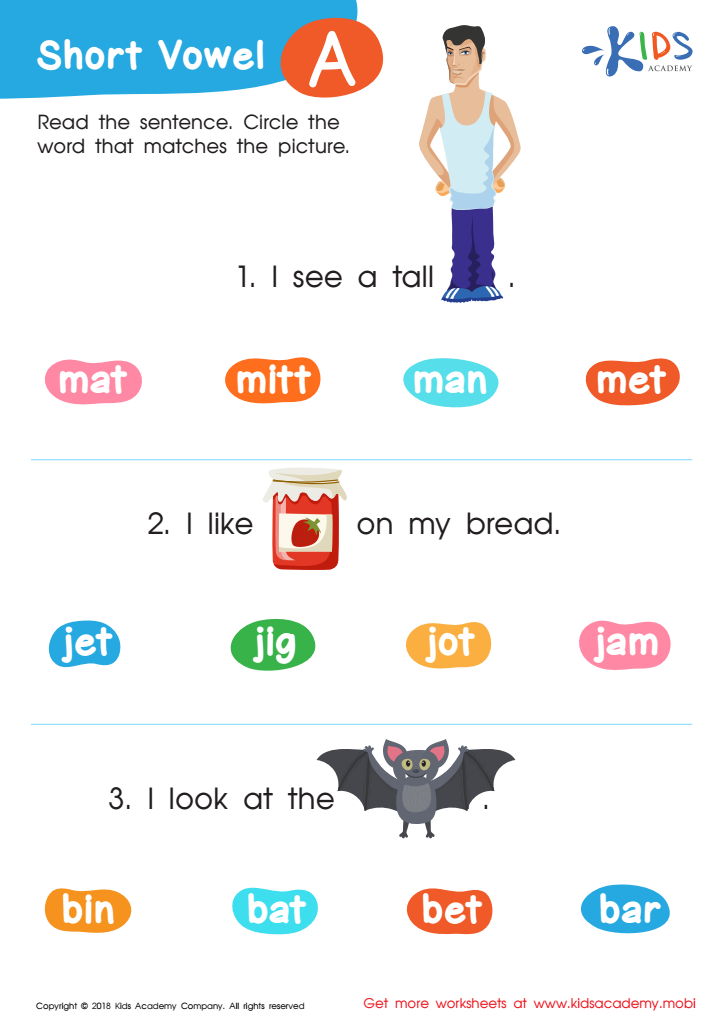
Short Vowel /a/ Worksheet
 Assign to My Students
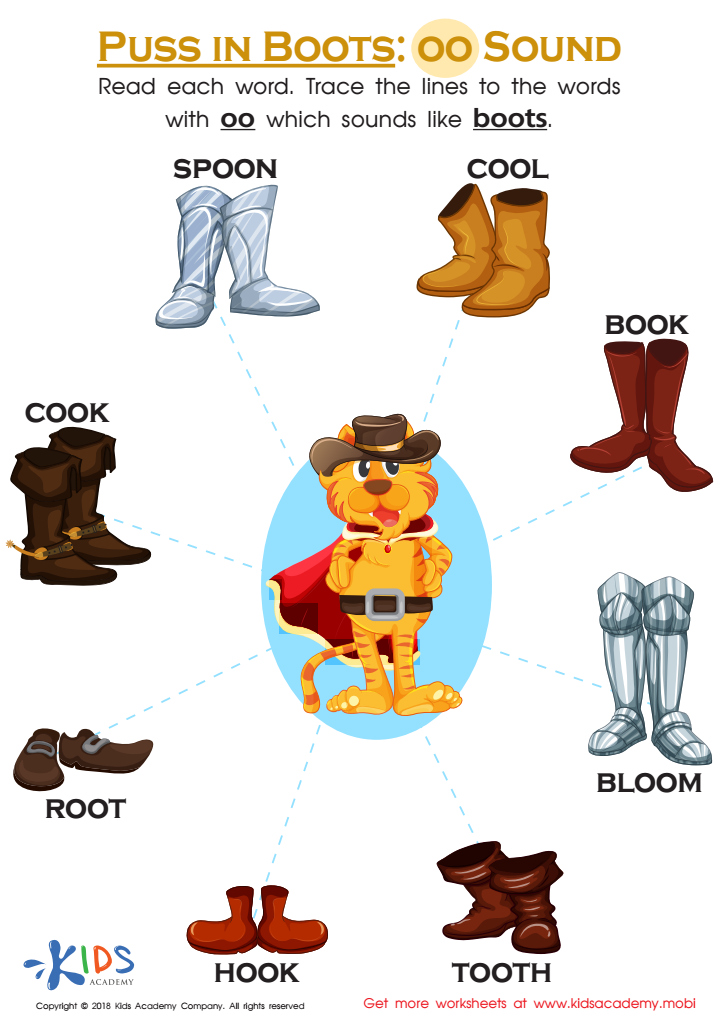
Puss in Boots: OO Sound Worksheet
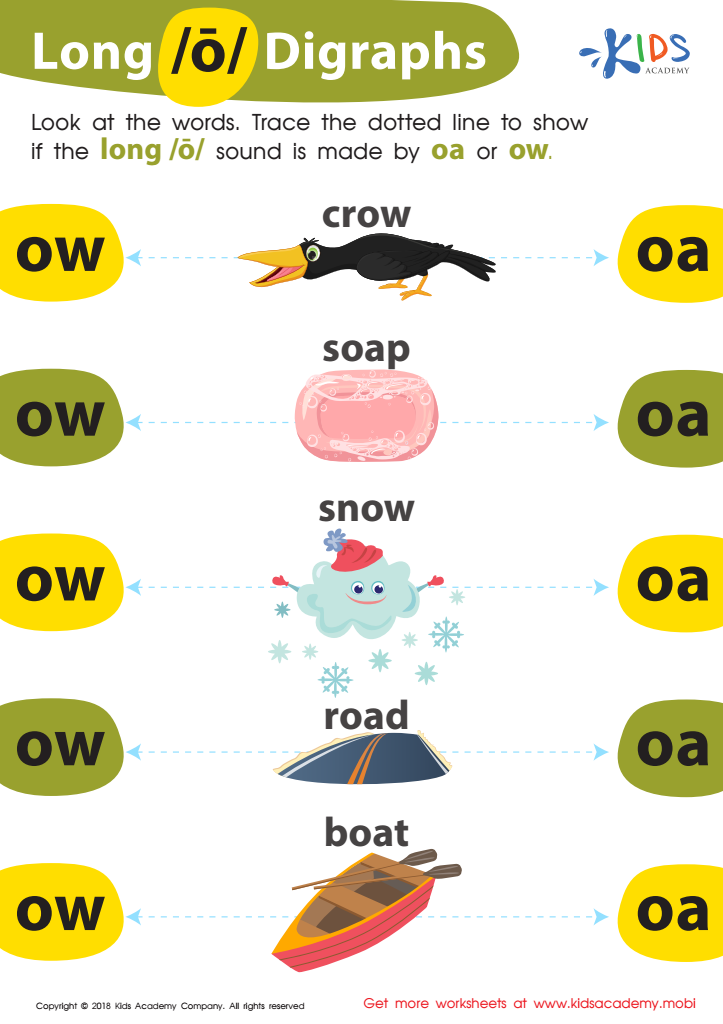
Reading: Long O Digraphs Worksheet
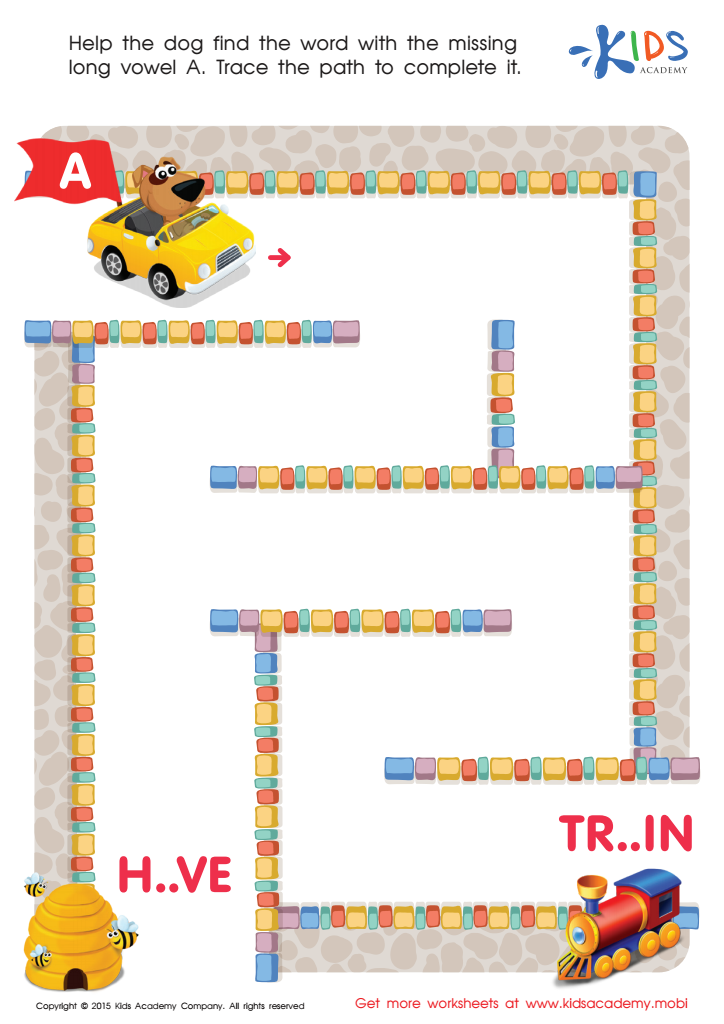
Long Vowel Sound A Worksheet
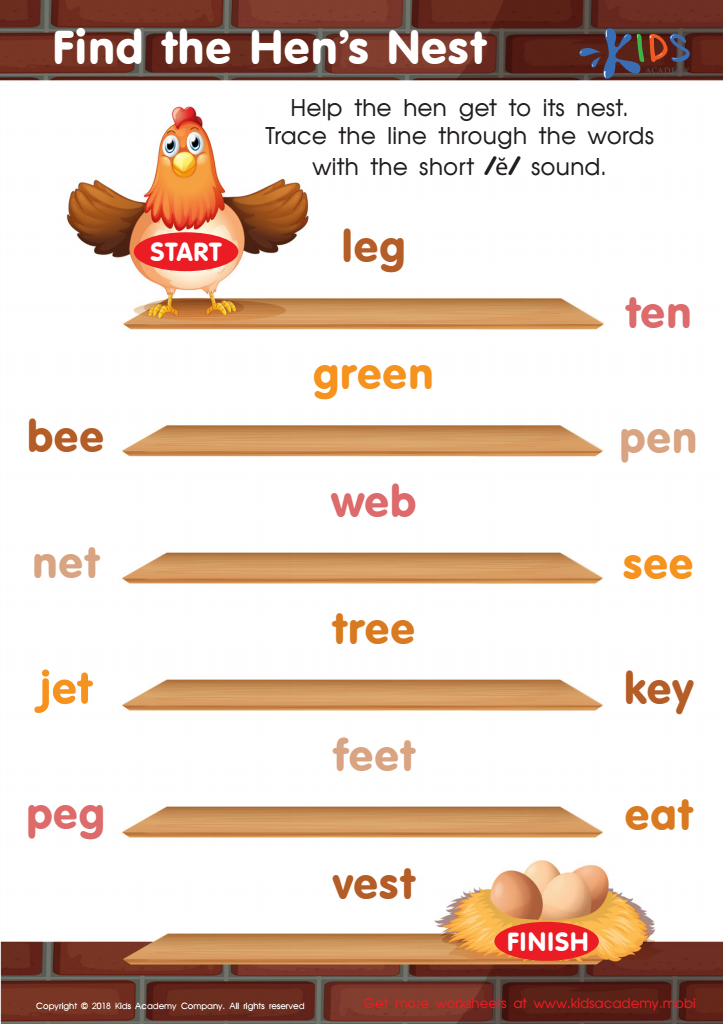
Find Hens Nest Reading Worksheet





Vocabulary building during the ages of 4-9 is crucial for children's literacy development and overall communication skills. This is a formative time when children are discovering language and its nuances. Focusing on vowels is particularly significant since they are foundational to countless words and phonetic awareness.
By emphasizing vowel sounds, parents and teachers can help children decode words more easily, aiding their reading and spelling skills. Strong vowel recognition allows children to expand their vocabulary and enhances their ability to express thoughts clearly. Engaging children with interactive games, songs, and storytelling that focus on vowels keeps learning fun and motivates them.
Additionally, vocabulary is a predictor of future academic success; children with rich vocabularies tend to perform better in all subjects. Exploring vocabulary building through vowels can also foster confidence in children, as they become more comfortable with language. Moreover, involving parents in their child's learning process through shared reading and discussions about vowel sounds encourages a supportive home environment for ongoing language development.
In summary, caring about vocabulary building, particularly with vowels, lays a critical foundation for children's literacy and provides lifelong benefits in both academic and social contexts.







