Shape Recognition Coloring Pages Worksheets for Ages 4-9
4 filtered results
-
From - To
Discover a fun and educational way to enhance shape recognition skills with our Shape Recognition Coloring Pages Worksheets for Ages 4-9! Designed for young learners, these engaging coloring pages combine creativity with essential learning. Children will enjoy coloring various shapes, helping them identify and differentiate between circles, squares, triangles, and more. Each worksheet is crafted to promote fine motor skills while reinforcing visual perception and shape vocabulary. Ideal for at-home learning or classroom activities, these worksheets make learning shapes exciting and interactive. Perfect for teachers and parents, our resources are easy to print and ready to inspire your child's learning journey!
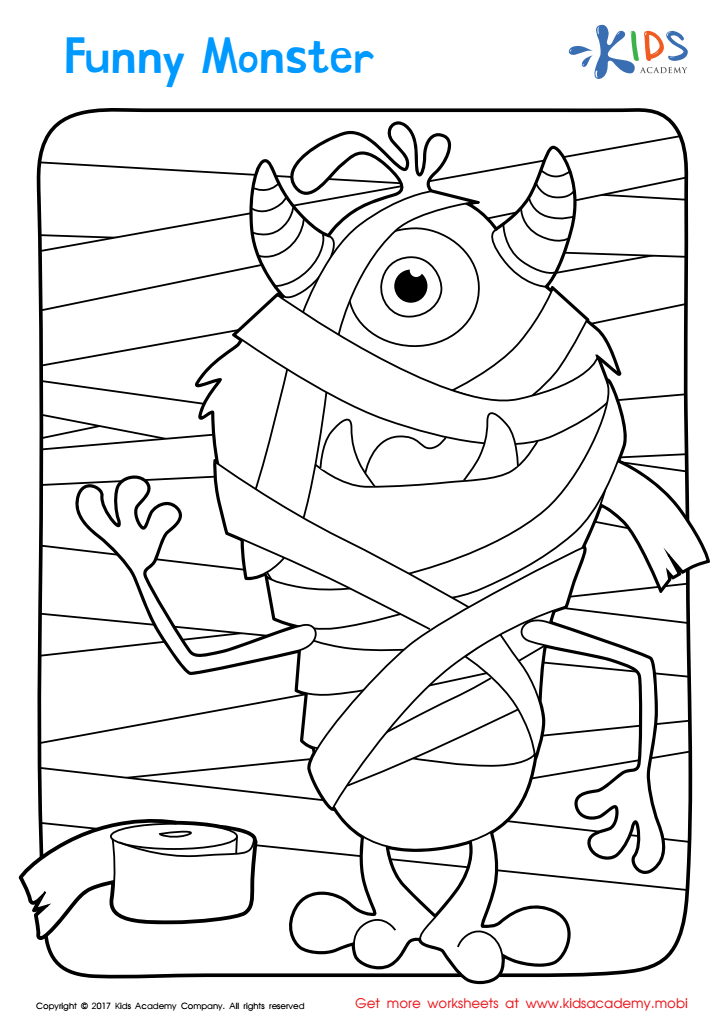
Halloween: A Funny Monster Worksheet
 Assign to My Students
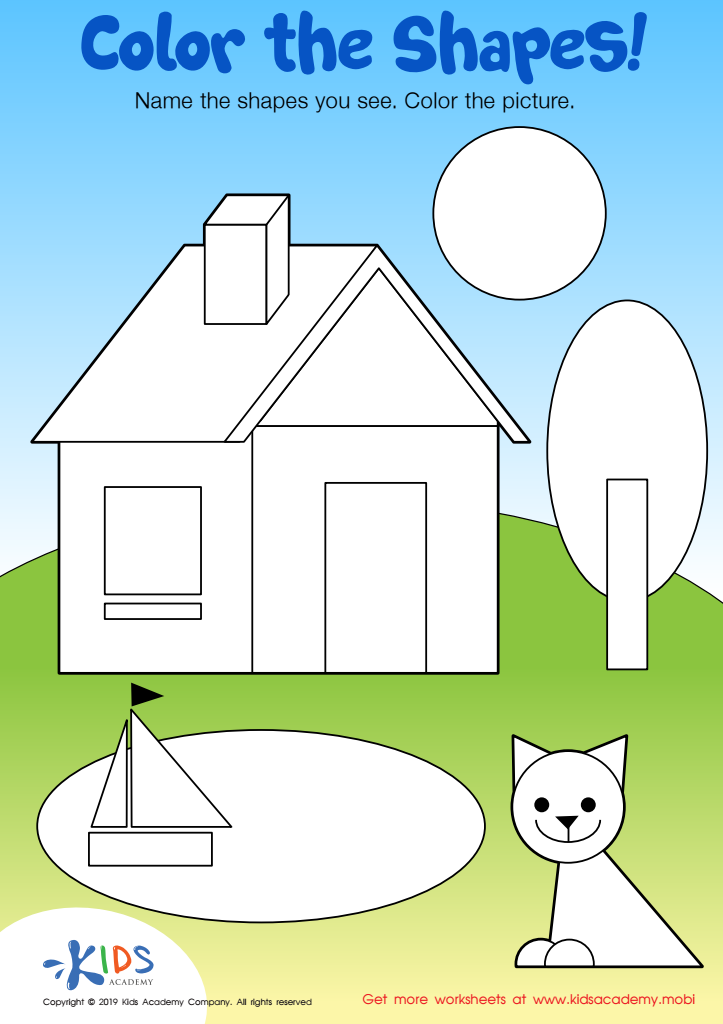
Color the Shapes Worksheet
Assign to My Students
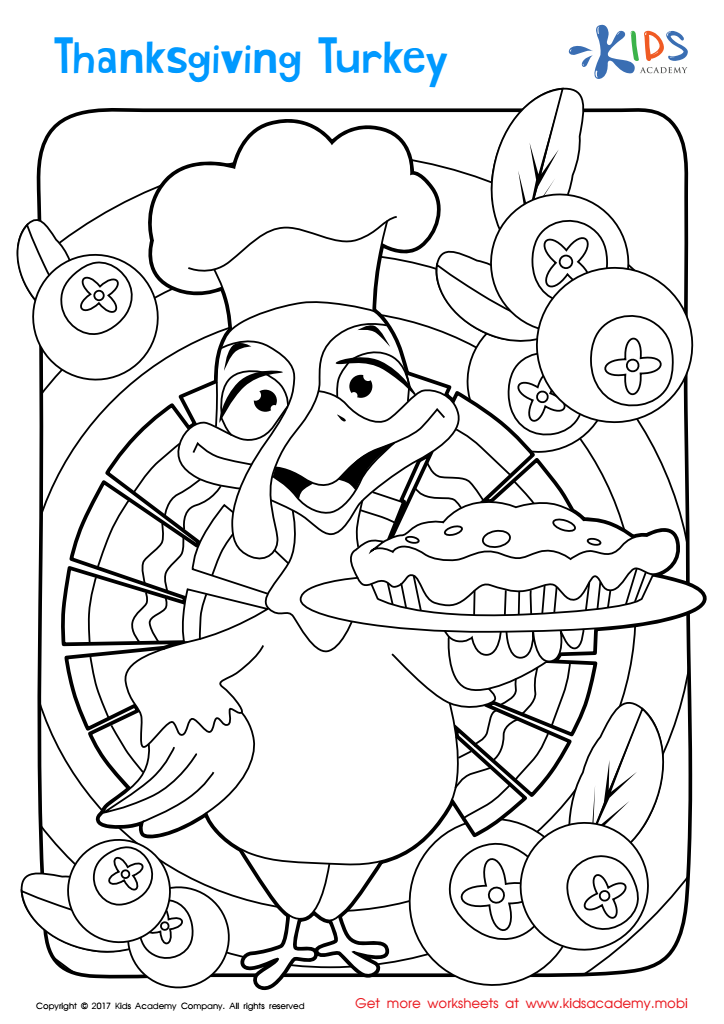
Turkey Thanksgiving Day Worksheet
Assign to My Students
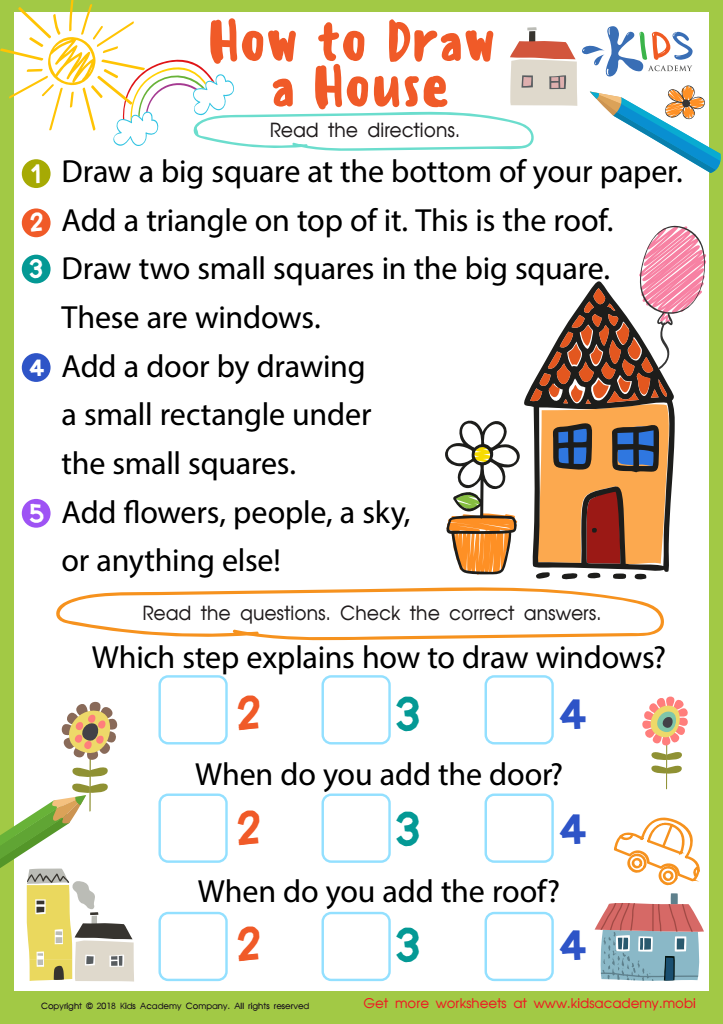
How to Draw House Worksheet







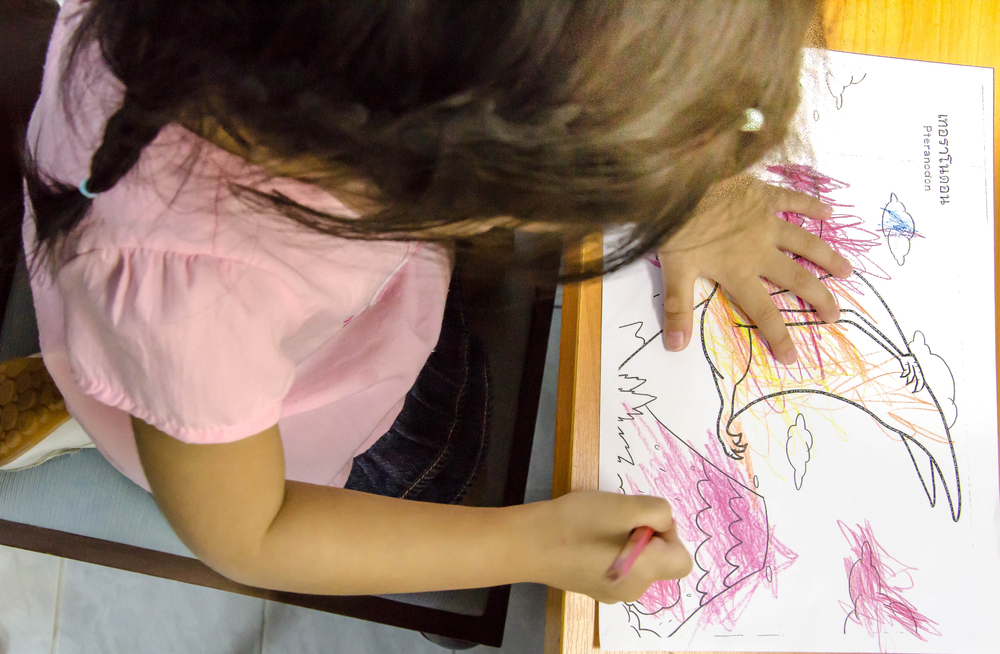
Shape recognition coloring pages are a valuable educational tool for children aged 4-9, and both parents and teachers should prioritize their use in early childhood development. First, these coloring pages help to introduce fundamental geometric concepts in a fun and engaging manner. As children color different shapes, they develop visual discrimination skills, enabling them to identify and differentiate between various shapes such as circles, squares, triangles, and rectangles.
Moreover, shape recognition lays the foundational skills needed for more complex mathematics, such as geometry and spatial reasoning. By recognizing and naming shapes, children enhance their vocabulary and cognitive development. Coloring activities also promote fine motor skills as children practice gripping crayons and controlling their movements, which is essential for later tasks like writing.
In addition, incorporating shape recognition coloring pages fosters creativity and imagination, as children can experiment with colors, patterns, and design. These activities create opportunities for parents and teachers to engage with children, fostering positive relationships and open communication.
Ultimately, focusing on shape recognition through coloring not only supports academic growth but also contributes to holistic development, positioning children for success in both their educational journey and everyday interactions with the world around them.