Alphabet Recognition English for Beginners Worksheets for Ages 4-9 - Page 2
32 filtered results
-
From - To
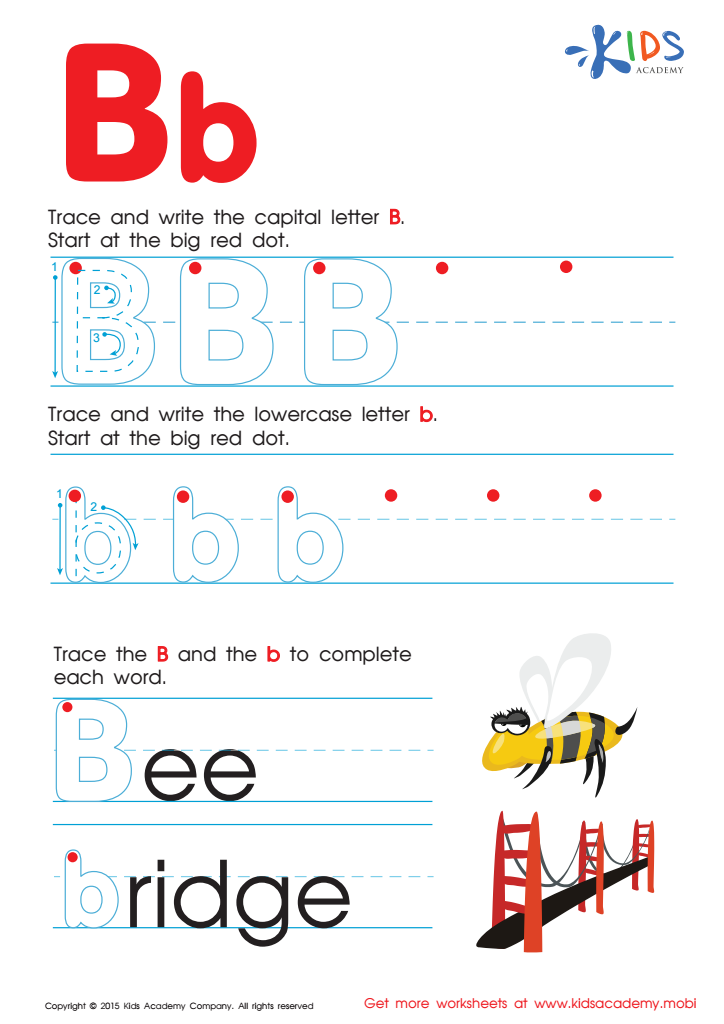
Letter B Tracing Page
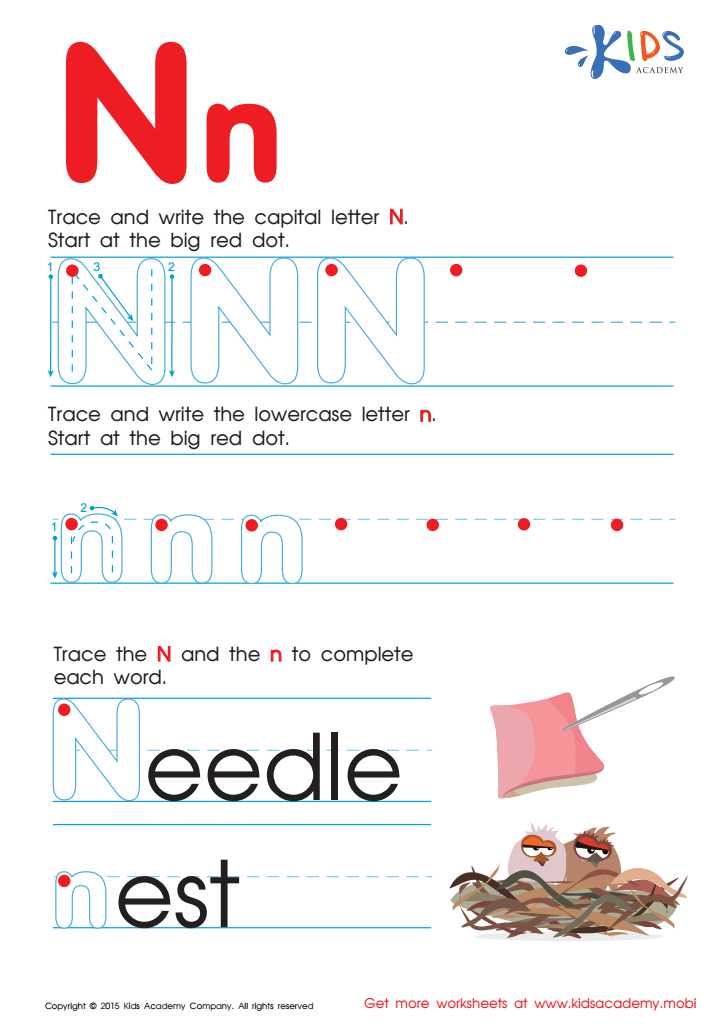
Letter N Tracing Page
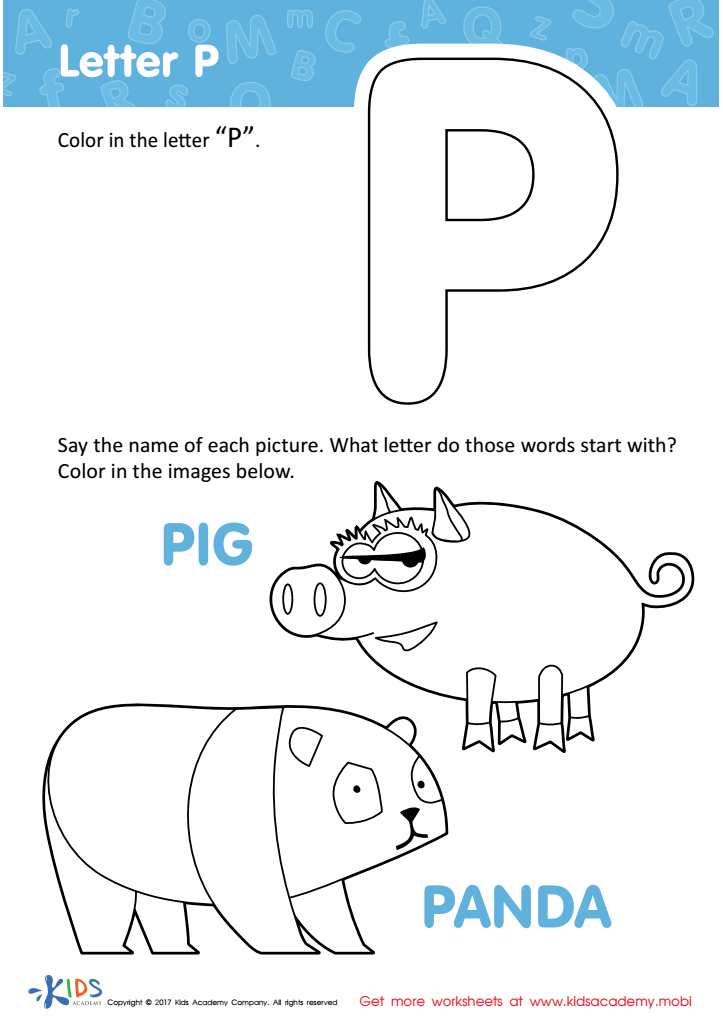
Letter P Coloring Sheet
 Assign to My Students
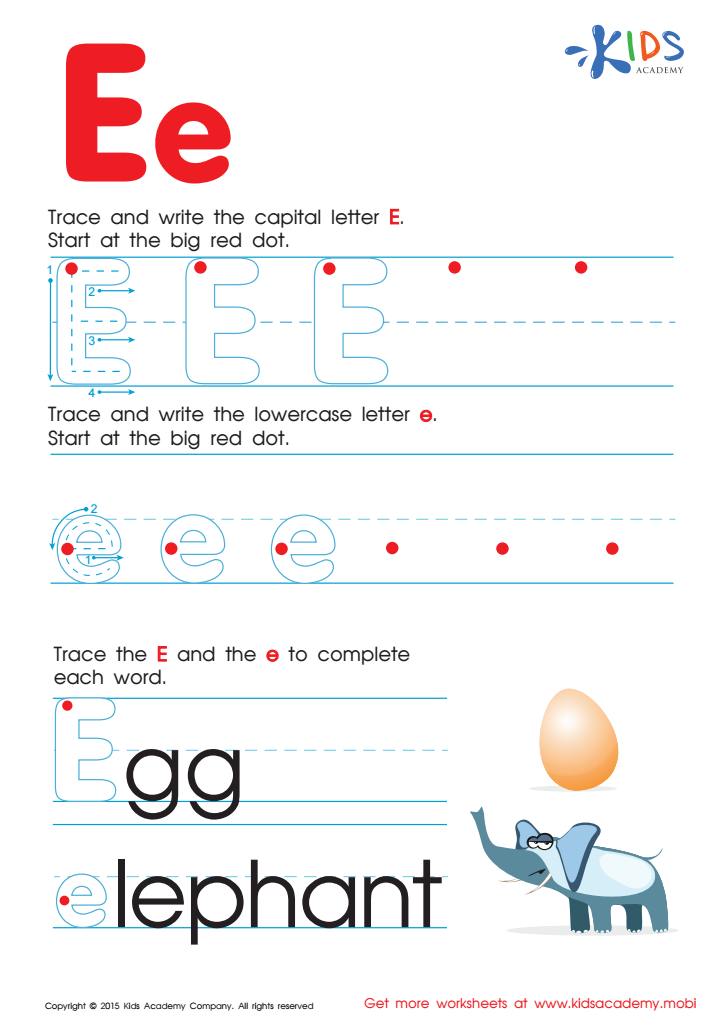
Letter E Tracing Page
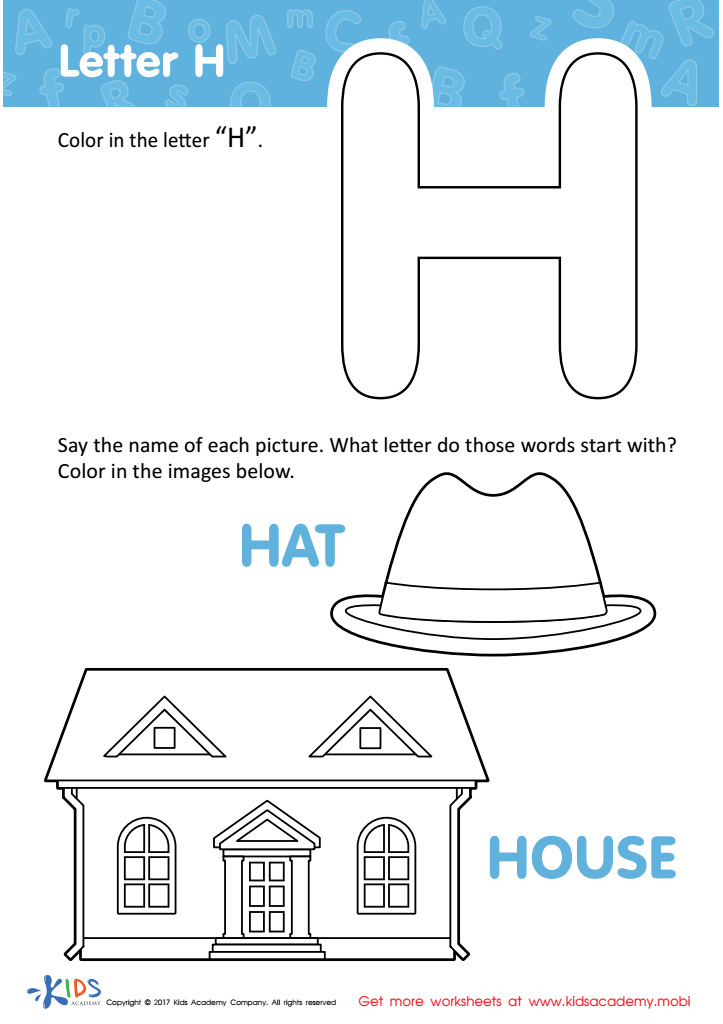
Letter H Coloring Sheet
Assign to My Students
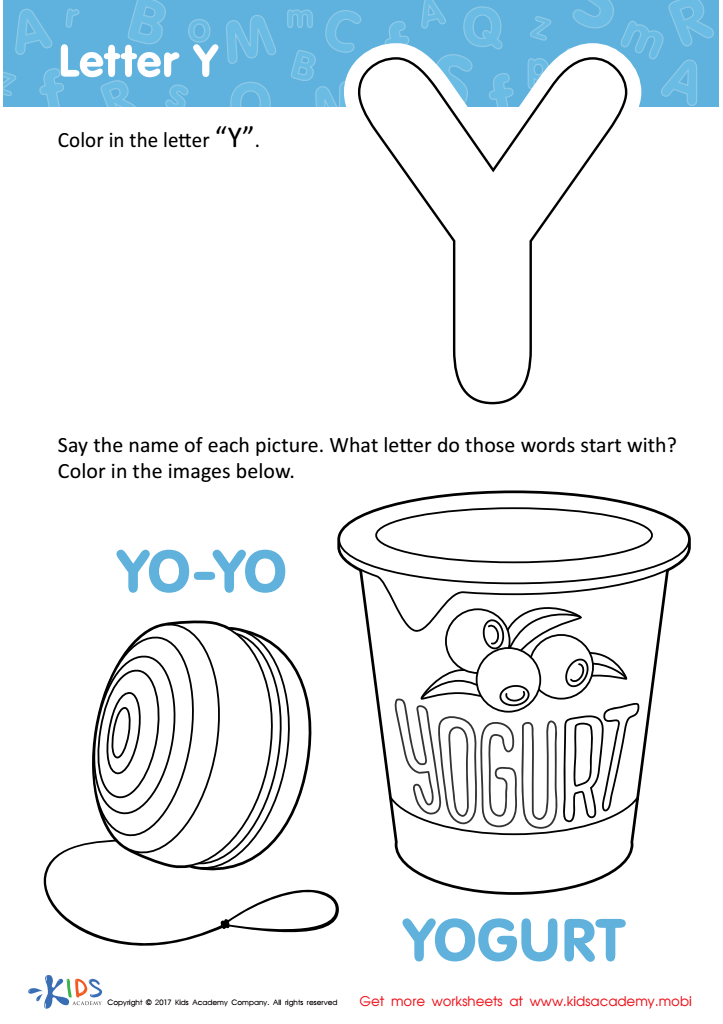
Letter Y Coloring Sheet
Assign to My Students
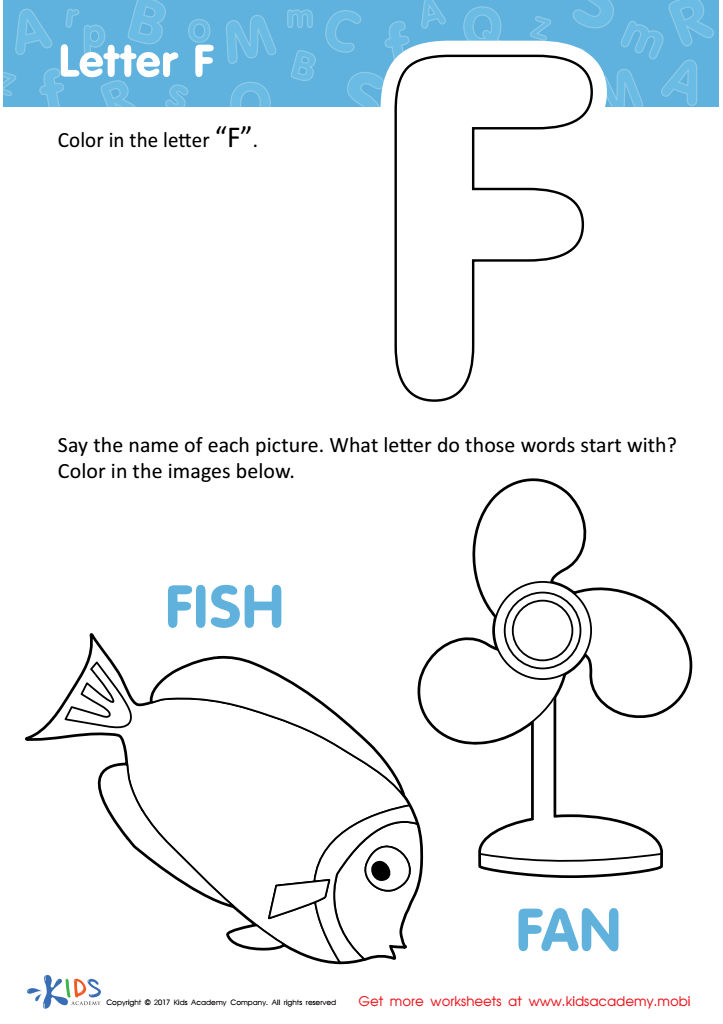
Letter F Coloring Sheet
Assign to My Students
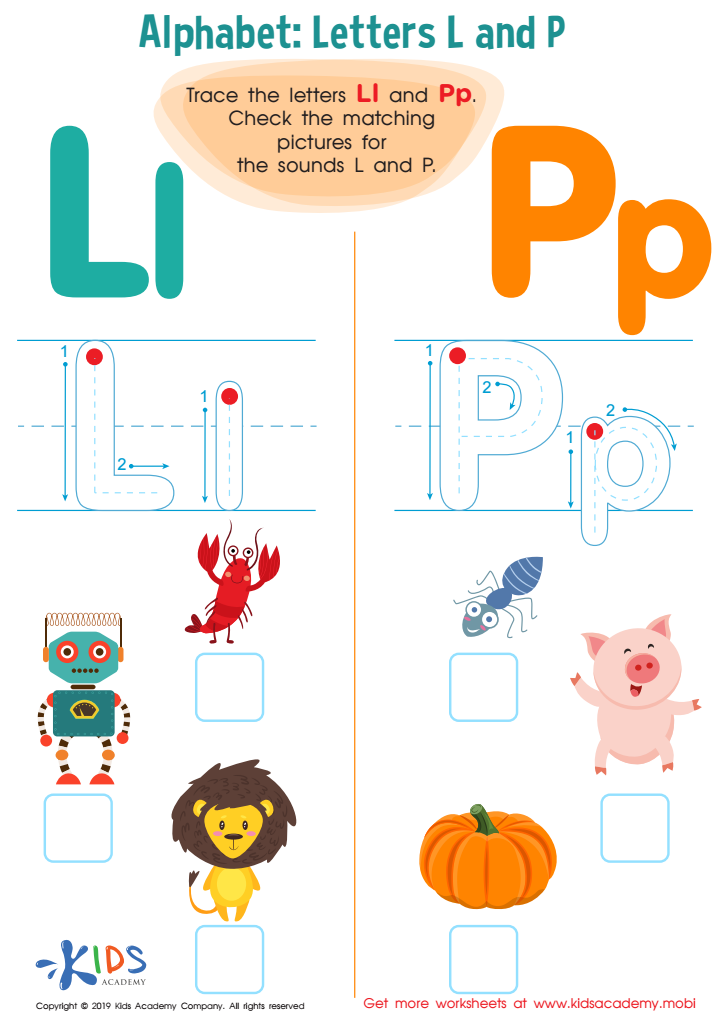
Letter L and P Tracing Worksheet





Alphabet recognition is a foundational skill for young learners, making it crucial for parents and teachers to prioritize this developmental milestone for children aged 4-9. Understanding the alphabet serves as the building block for early literacy and language skills. When children can confidently identify letters, they set the stage for reading fluency and comprehension, which are essential for academic success.
Engaging children in alphabet recognition activities fosters not only their cognitive development but also their confidence. As they master letter recognition, they become more willing to explore language, leading to a greater love for reading. It also enhances phonemic awareness, helping them connect sounds to letters, a key skill in learning to read.
Moreover, in a culturally diverse classroom, teachers can incorporate a variety of alphabets, making the learning experience relevant and inclusive. Parents who engage in reinforcing these skills at home can create a supportive environment that nurtures their child’s growth and learning.
Ultimately, prioritizing alphabet recognition for young learners equips them with essential tools to navigate their education and communication effectively, laying a strong foundation for lifelong learning. Therefore, supporting alphabet recognition is an integral investment in the children’s future success.