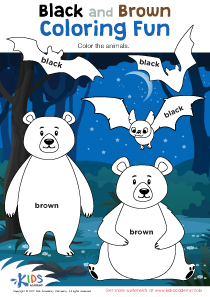
Hand-eye Coordination English for Beginners Worksheets for Ages 4-9
15 filtered results
-
From - To
Boost your child's early language skills with our "Hand-eye Coordination English for Beginners Worksheets" designed for ages 4-9. Our expertly crafted activities enhance both English proficiency and fine motor skills through interactive exercises that make learning enjoyable. Perfect for young ESL students, these worksheets cover letter tracing, basic writing, and fun games targeting hand-eye coordination. With colorful designs and engaging content, kids stay motivated and focused while building essential skills. Equip your child for success in language learning and cognitive development with our educational resources. Visit Kids Academy to download your printable worksheets today!
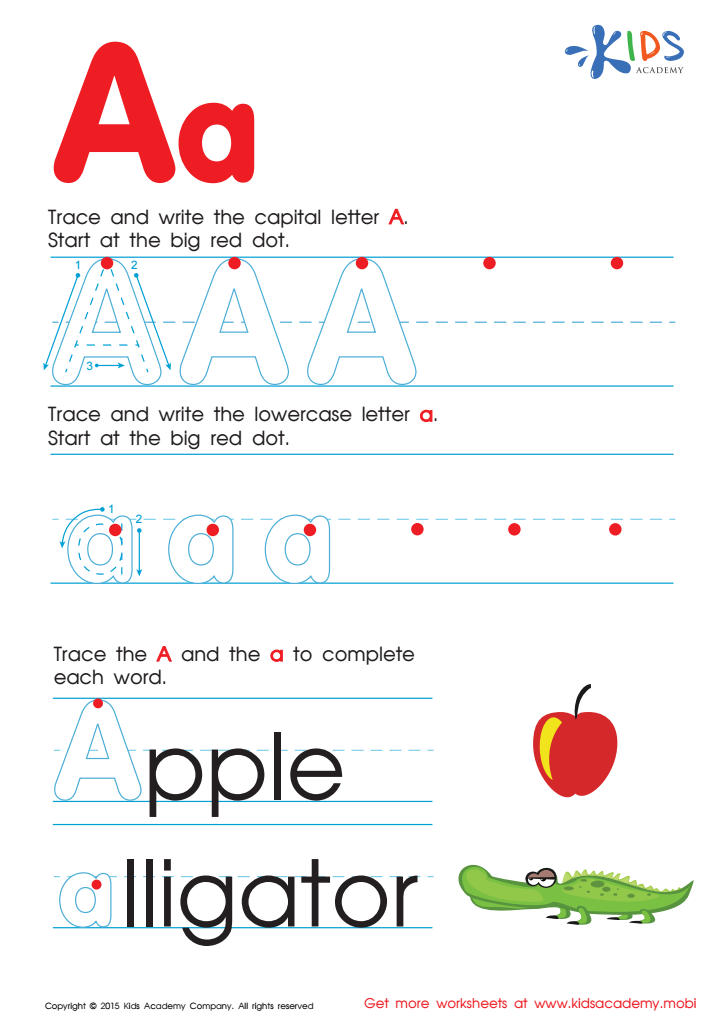
Letter A Tracing Page
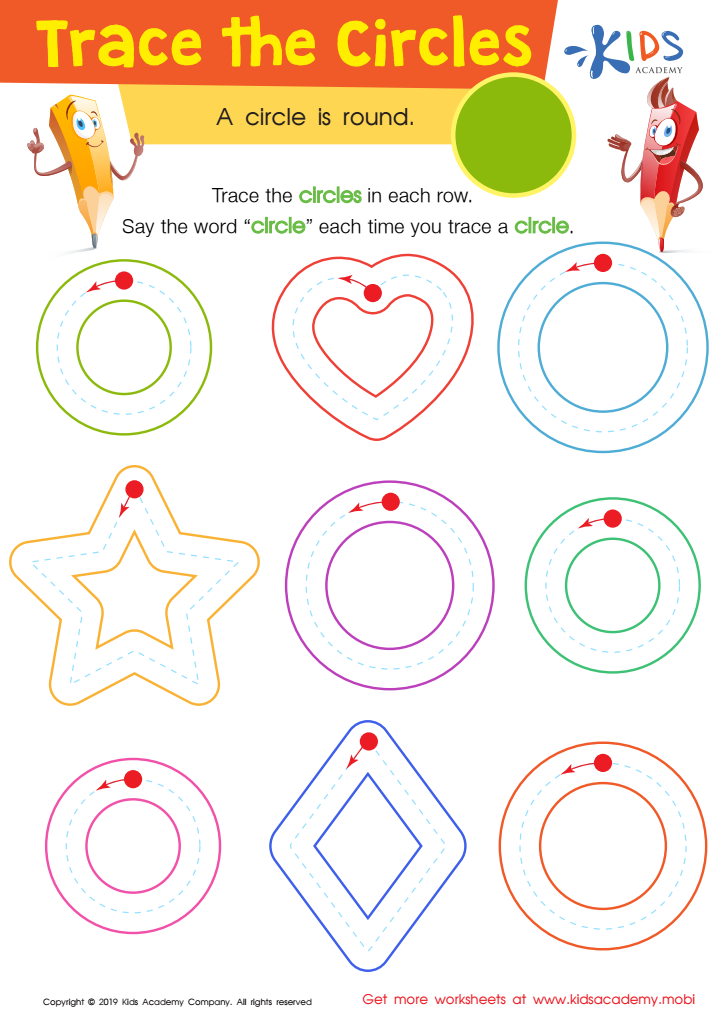
Trace The Circles Worksheet
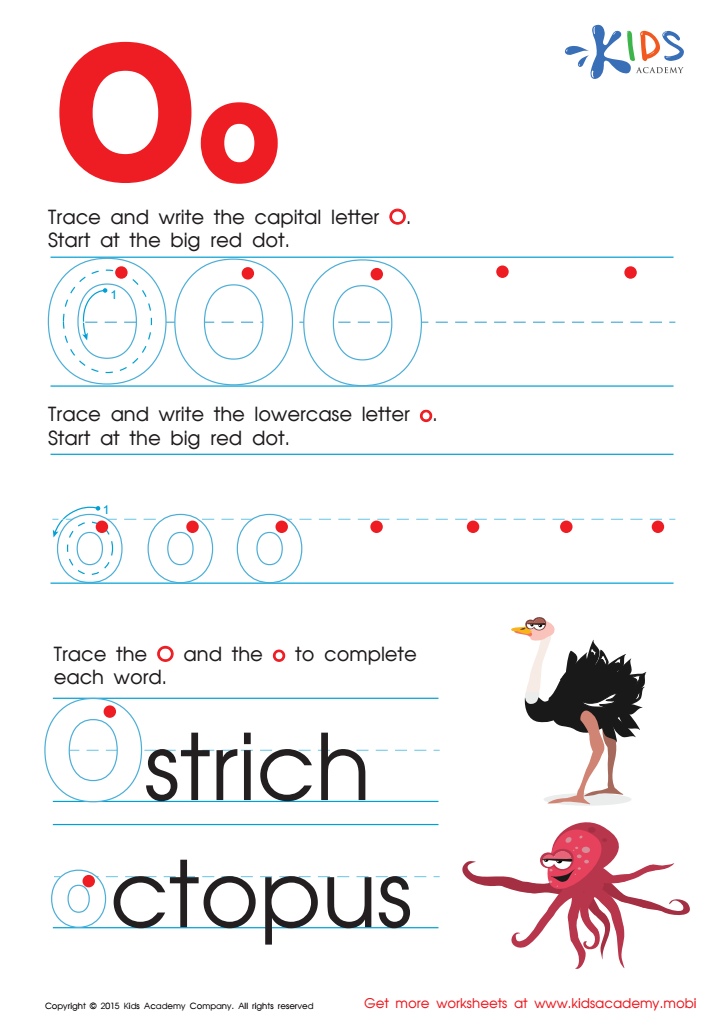
Letter O Tracing Page

Letter P Tracing Page
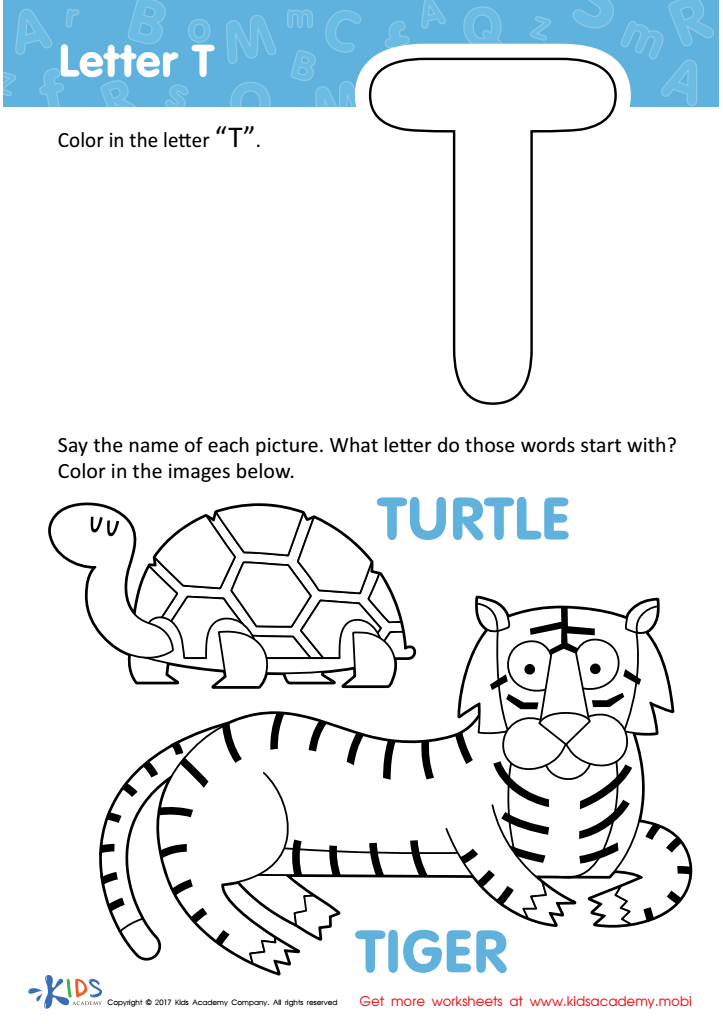
Letter T Coloring Sheet
 Assign to My Students
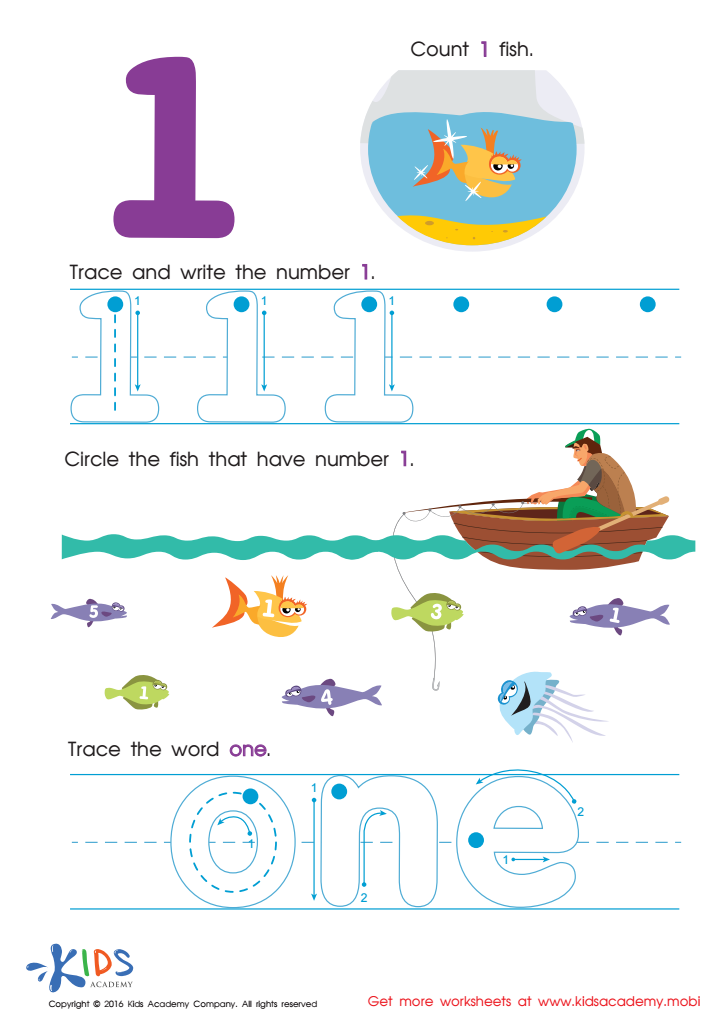
Learning to Write 1 Worksheet
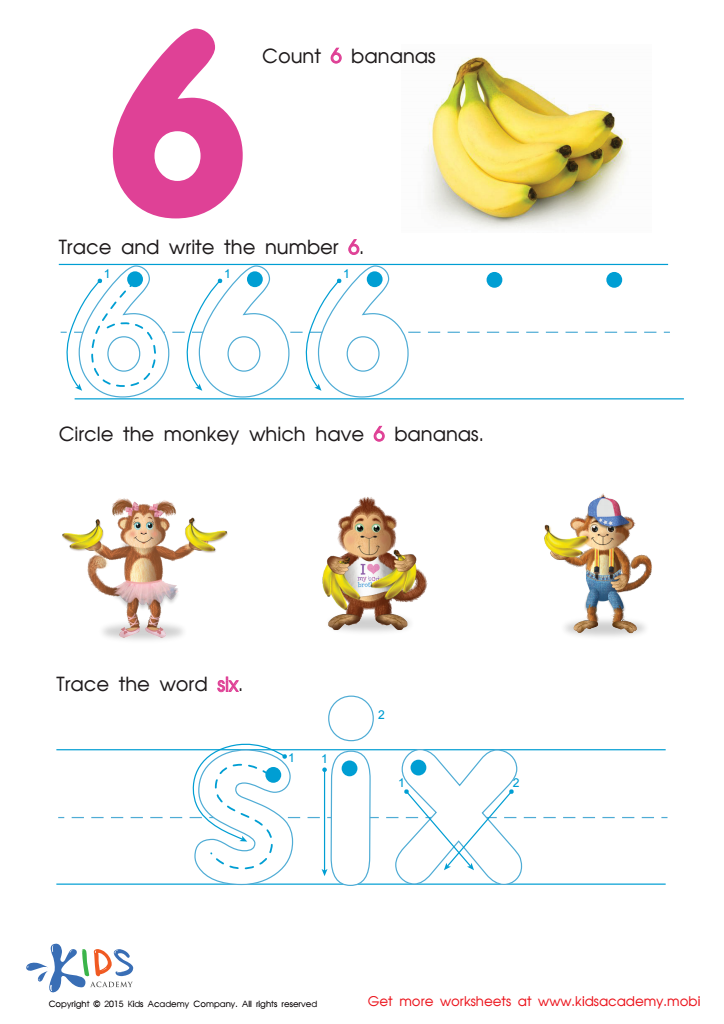
Tracing And Writing Number 6 Worksheet

Letter H Tracing Page
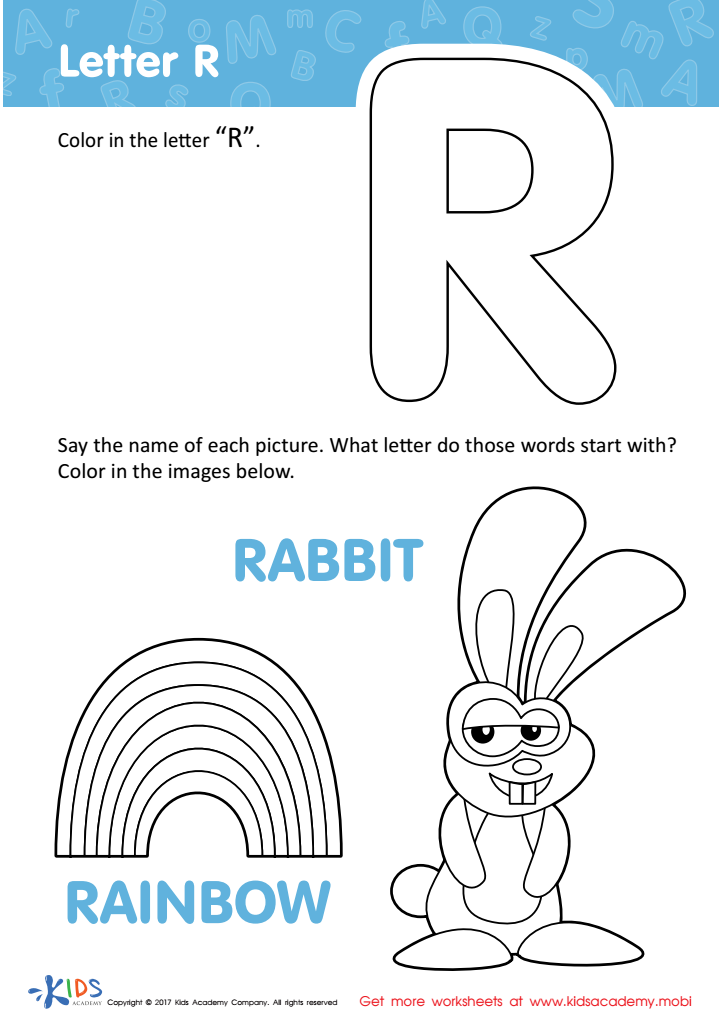
Letter R Coloring Sheet
Assign to My Students

Long and Short U Worksheet
Assign to My Students
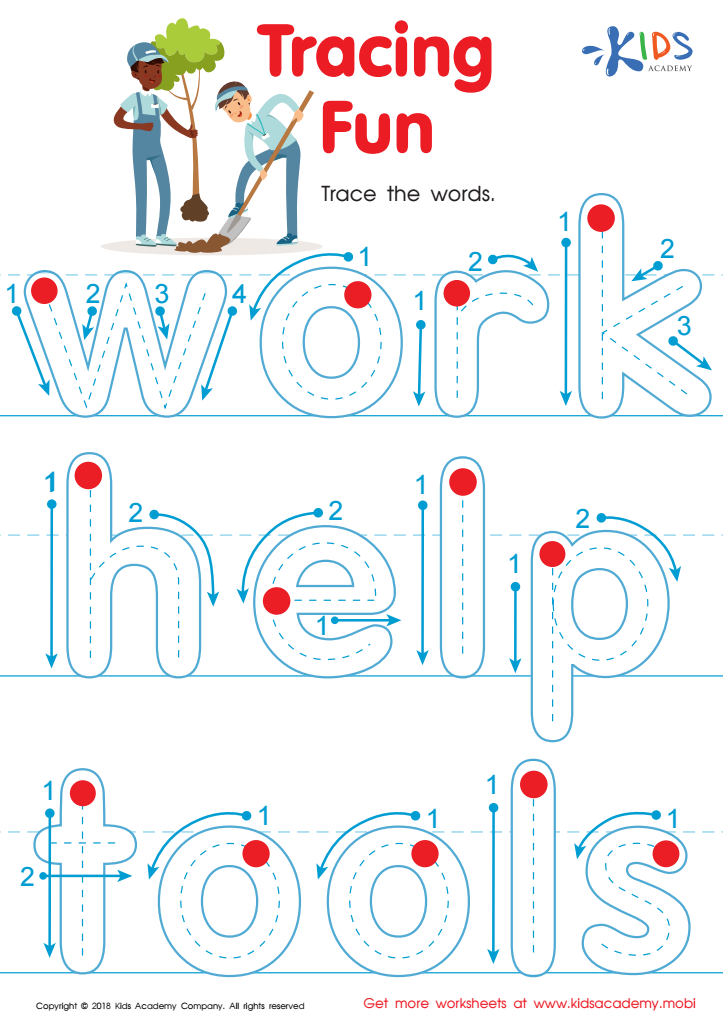
Tracing Fun Worksheet
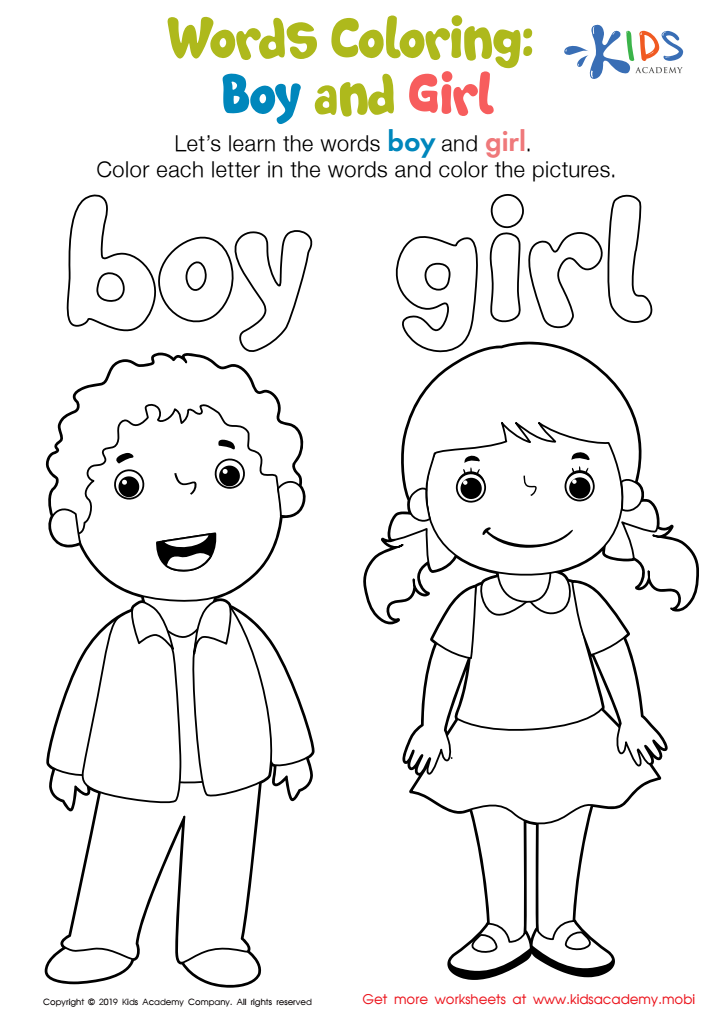
Boy and Girl Words Coloring Worksheet
Assign to My Students
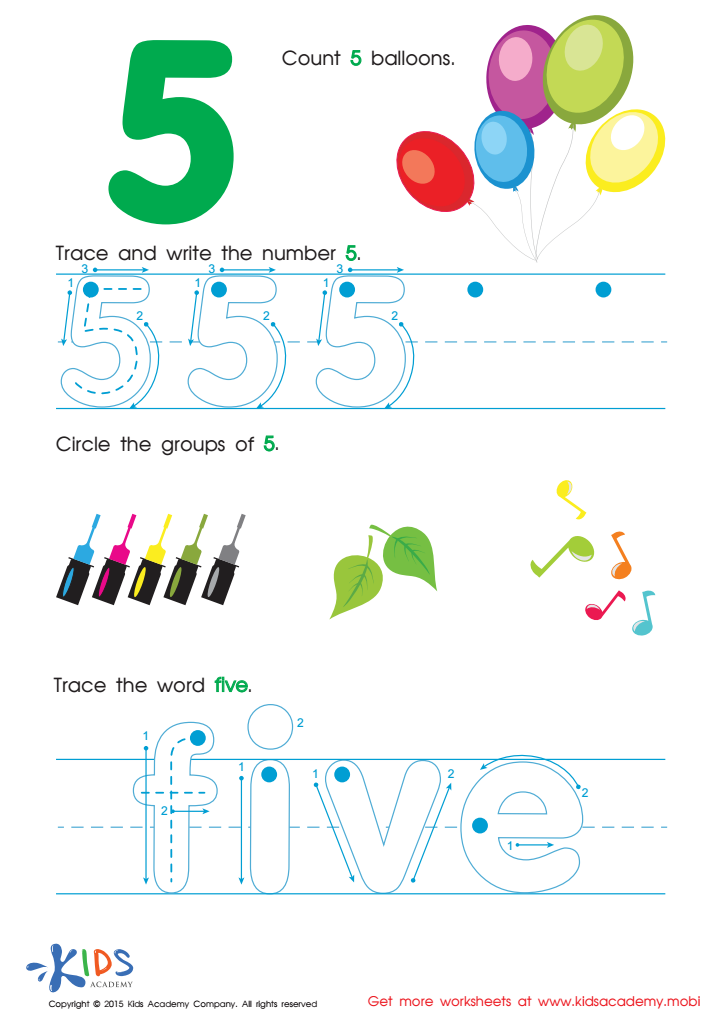
Practice Writing Number 5 Worksheet
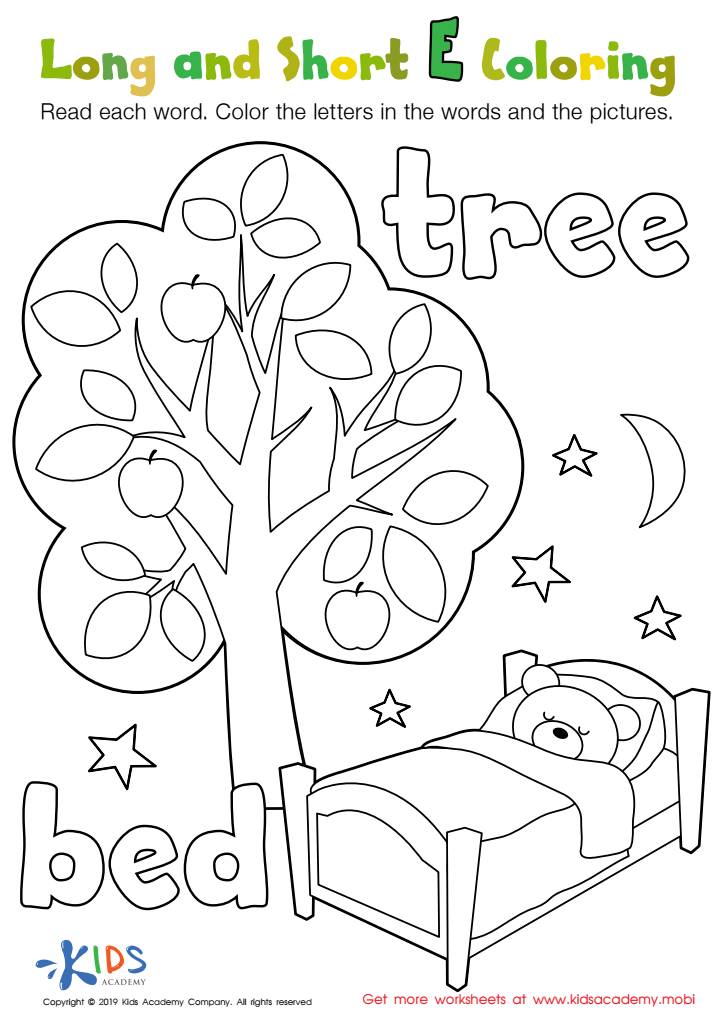
Long and Short E Worksheet
Assign to My Students

Letter D Tracing Page





Hand-eye coordination English activities for beginners aged 4-9 amalgamate two fundamental developmental areas: language acquisition and motor skills. Parents and teachers should prioritize this because it encourages holistic learning, which is crucial at a young age. This unique learning approach activates multiple parts of the brain simultaneously, aiding in cognitive flexibility and neural growth.
Decoding language, coupled with physical activities, enhances memory retention, as children are more apt to remember words and phrases learned through engaging, hands-on experiences. For instance, games that require children to associate words with actions, like "Simon Says," or to follow written instructions for building blocks or drawing, can solidify language comprehension and reaction speed.
Motor skills developed through hand-eye coordination exercises, such as tracing letters or playing with shaped puzzles, promote fine and gross motor proficiency — essential for writing. These skills also lay the foundation for future academic competencies in subjects like math, where precise movements and spatial understanding are critical.
Additionally, participating in these coordinated activities builds confidence and fosters a positive disposition toward learning. Effective communication and writing skills impress a child’s future academic trajectory and their ability to interact socially. Hence, integrating hand-eye coordination tasks with English learning does more than teach the language; it cultivates well-rounded developmental growth.