Letter recognition English for Beginners Worksheets for Ages 4-9 - Page 2
41 filtered results
-
From - To
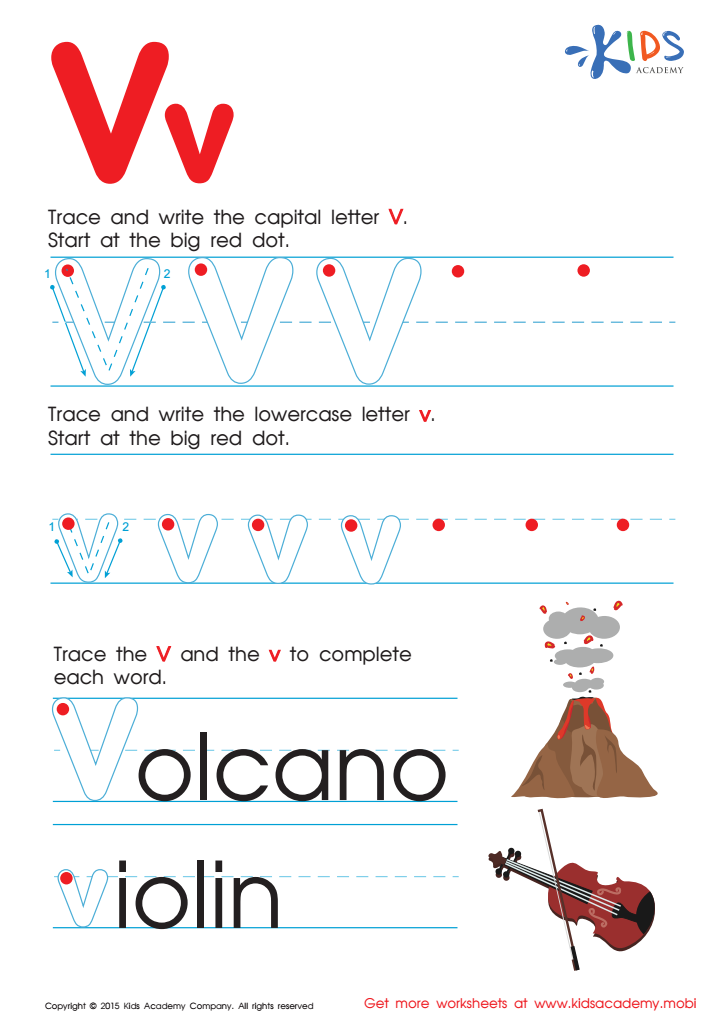
Letter V Tracing Page
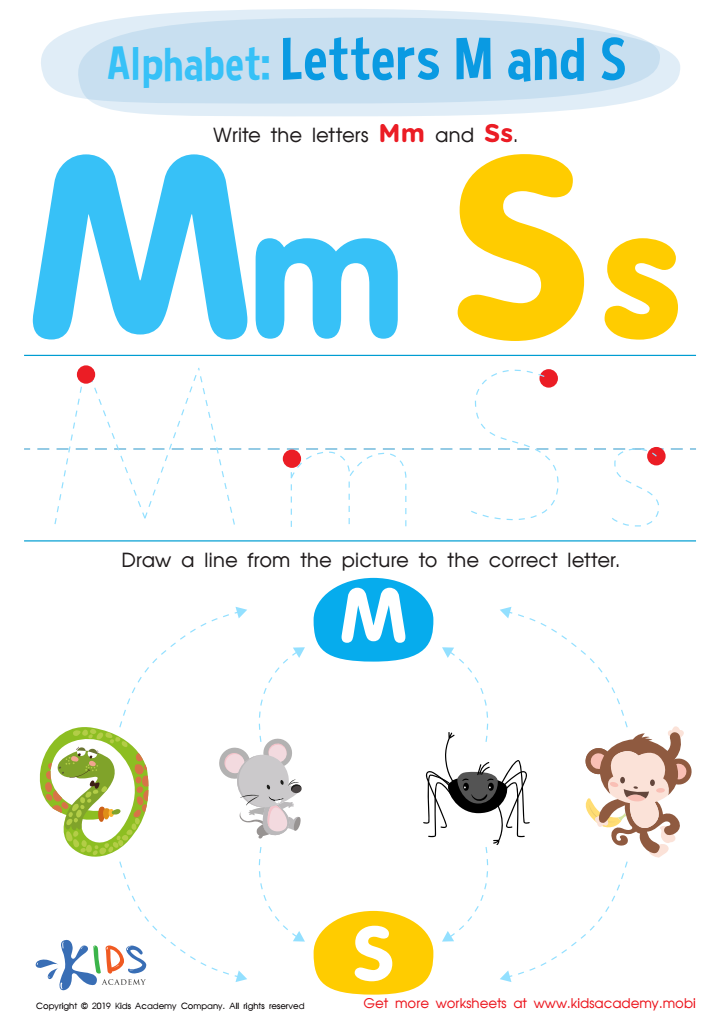
Letters M and S Tracing Worksheet
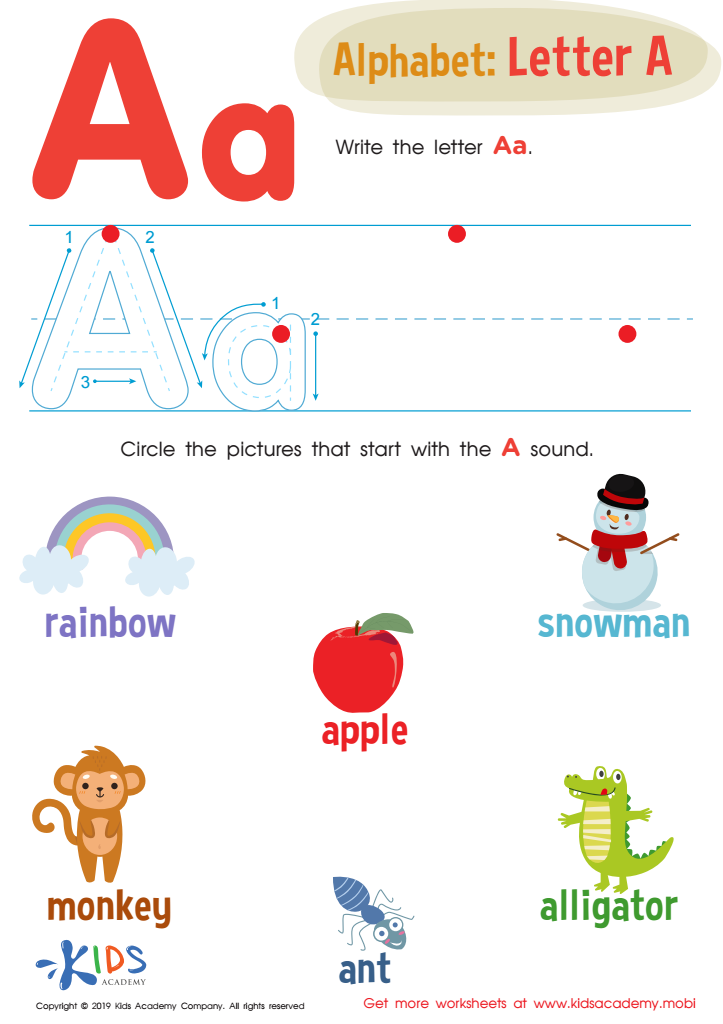
Letter A Tracing Worksheet
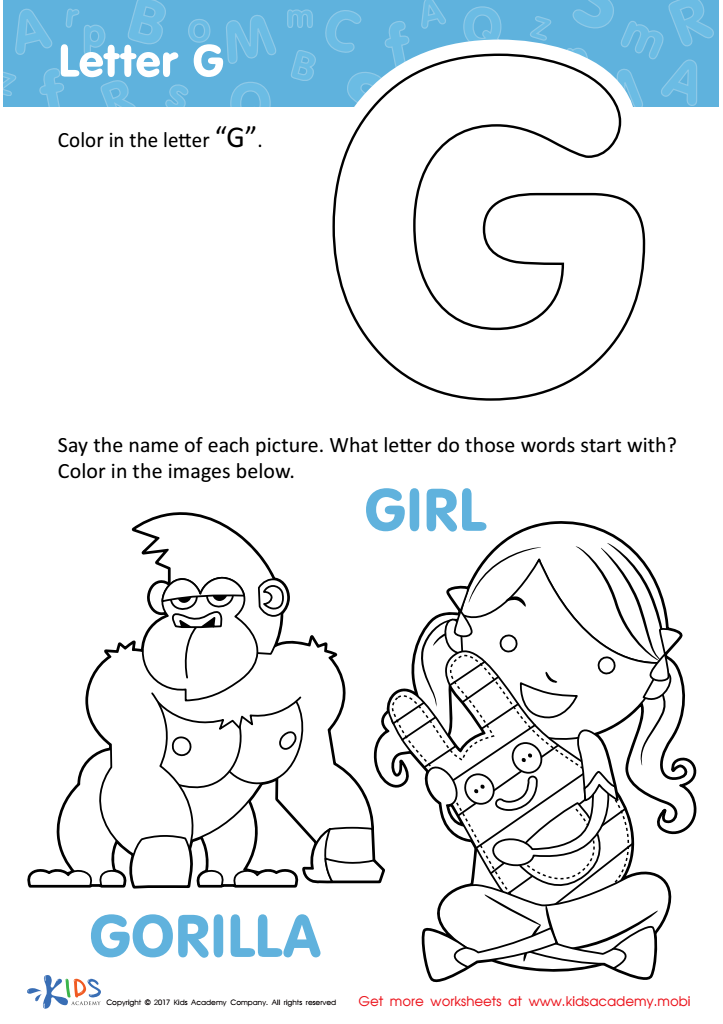
Letter G Coloring Sheet
 Assign to My Students
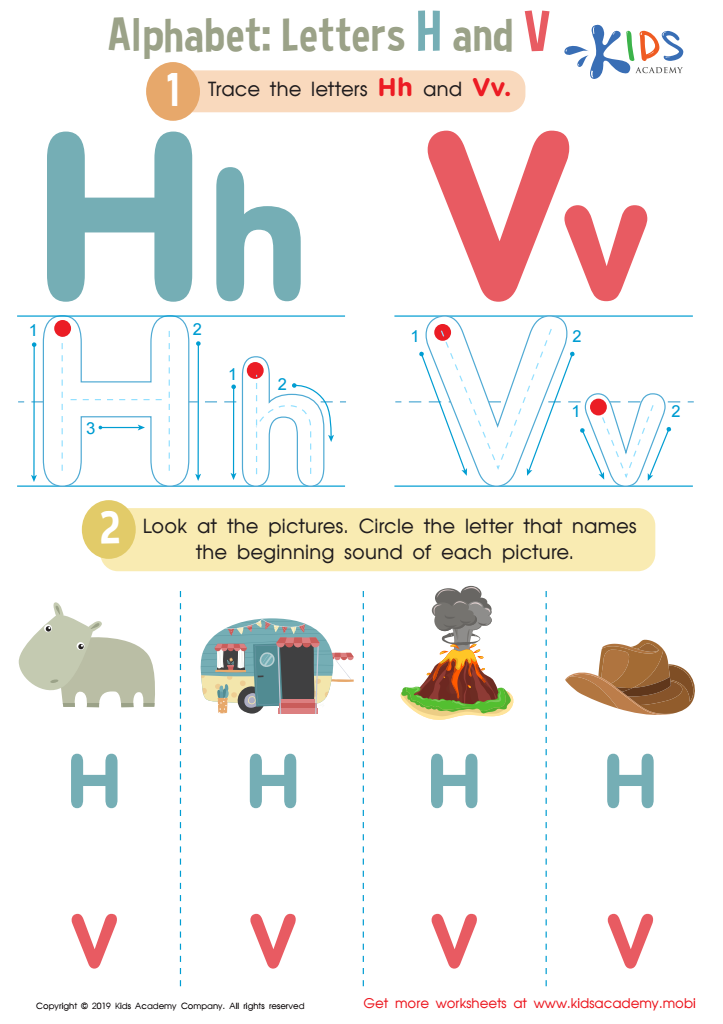
Letters H and V Tracing Worksheet
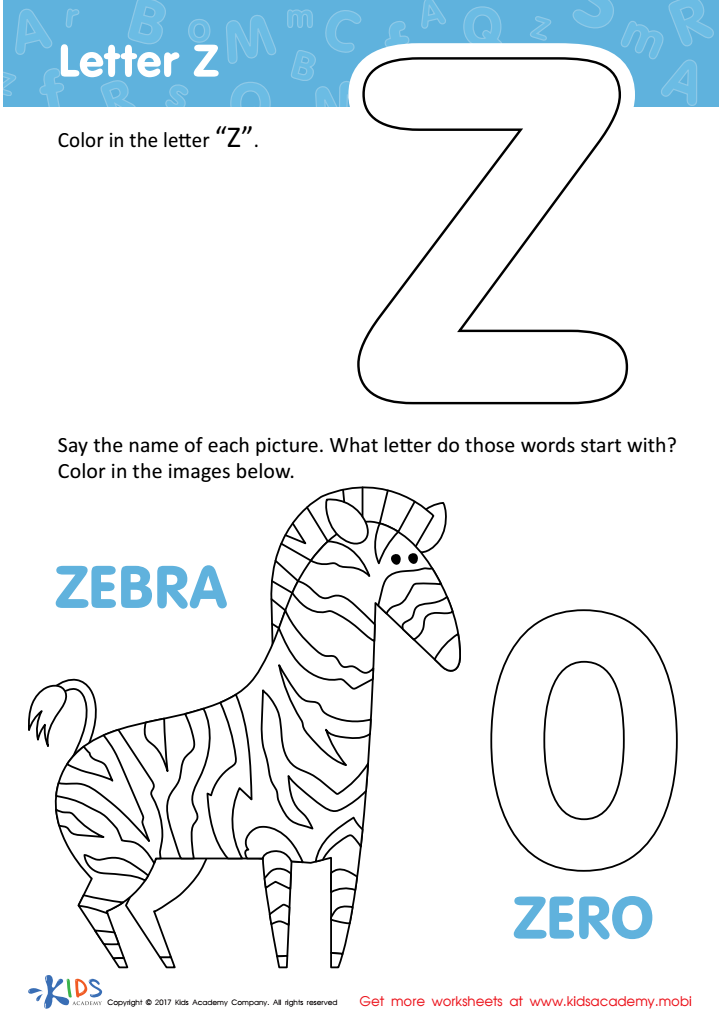
Letter Z Coloring Sheet
Assign to My Students
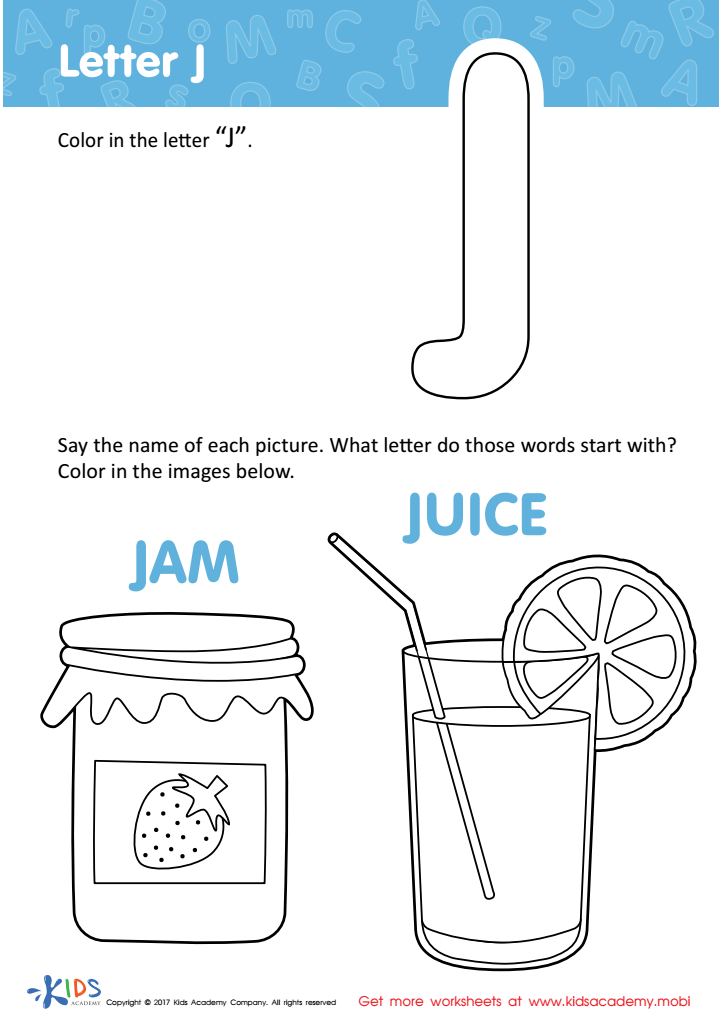
Letter J Coloring Sheet
Assign to My Students
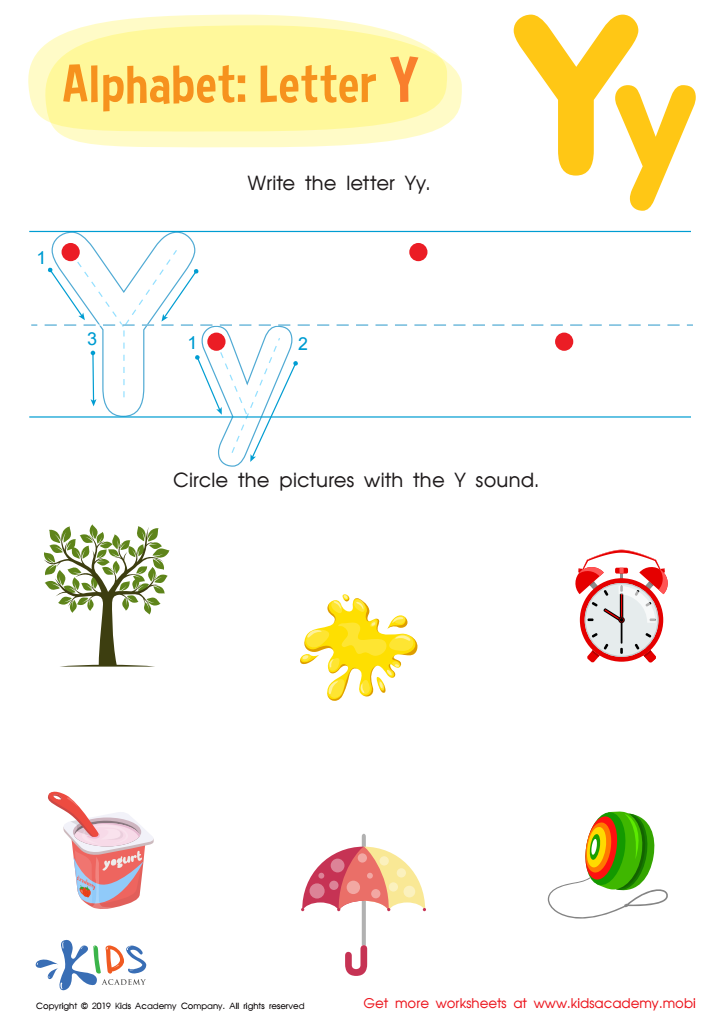
Letter Y Tracing Worksheet
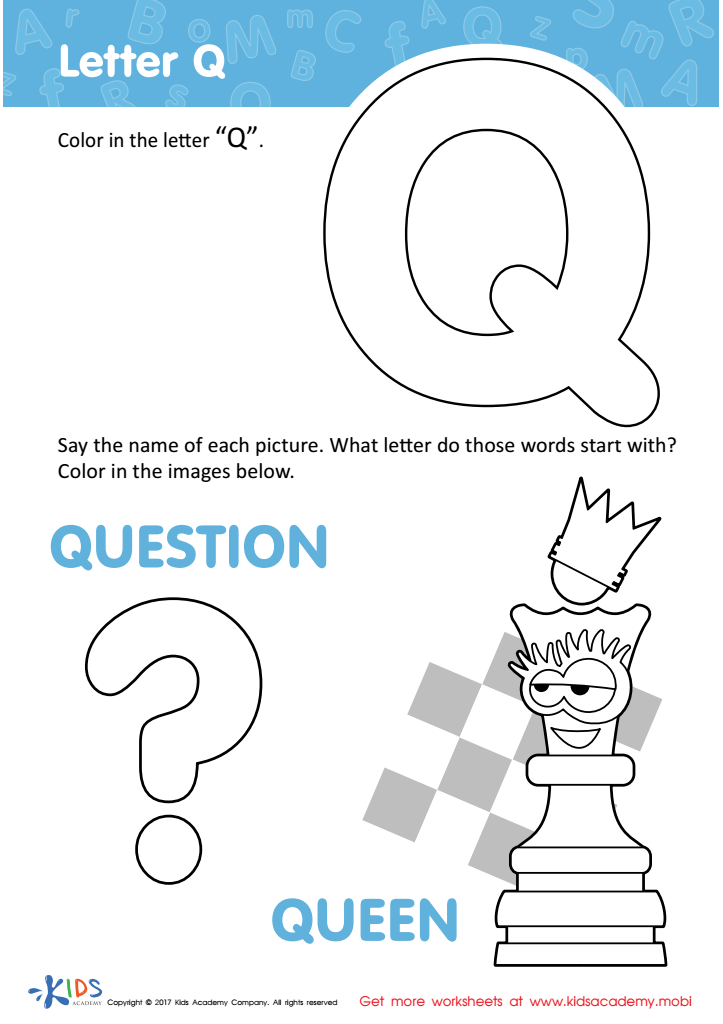
Letter Q Coloring Sheet
Assign to My Students
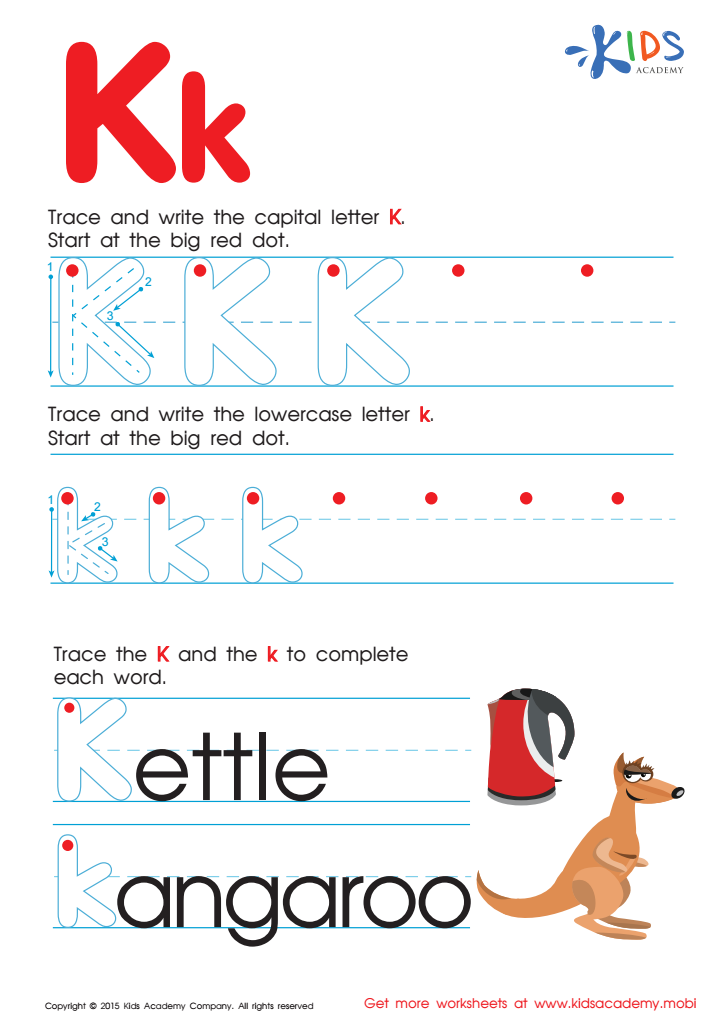
Letter K Tracing Page
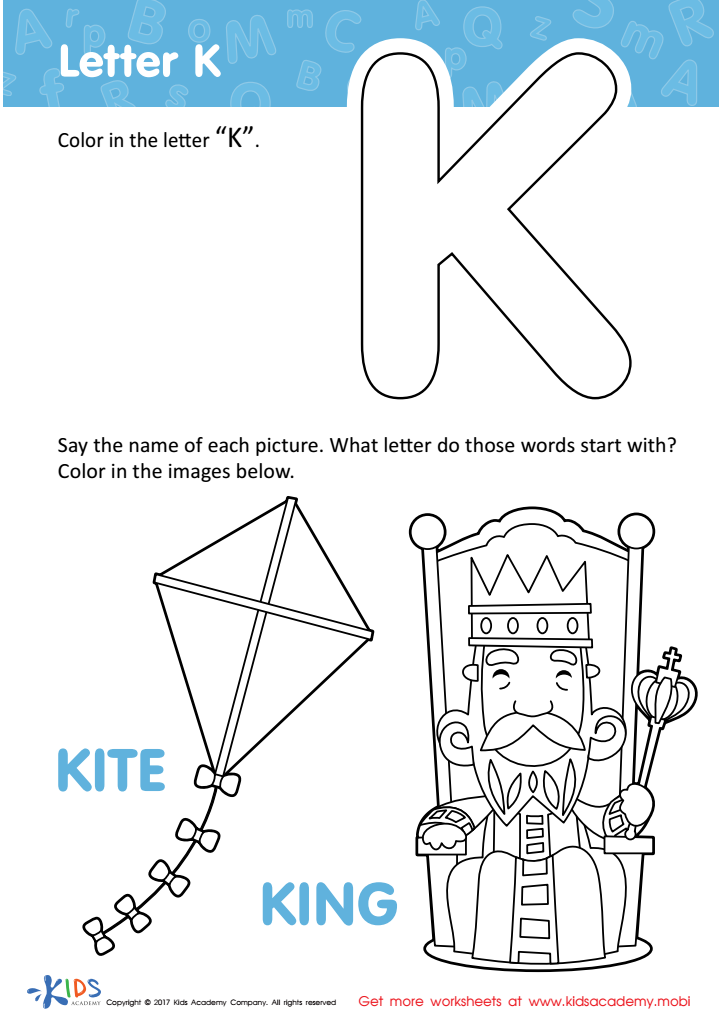
Letter K Coloring Sheet
Assign to My Students

Letter F Tracing Page
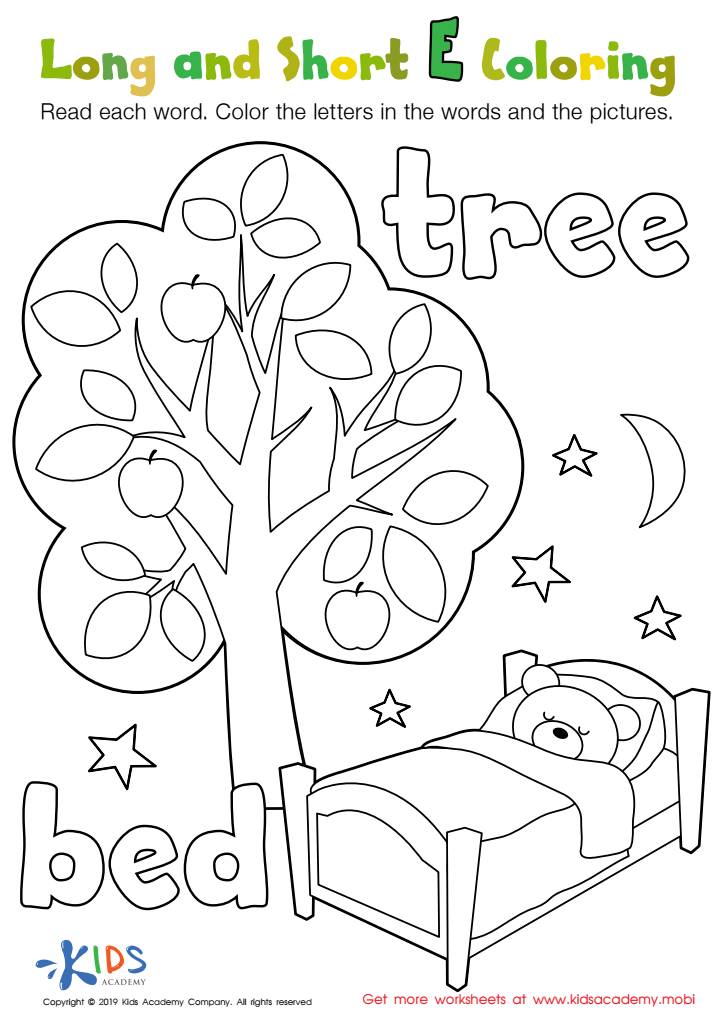
Long and Short E Worksheet
Assign to My Students

Letter T Tracing Page

Letter N Coloring Sheet
Assign to My Students
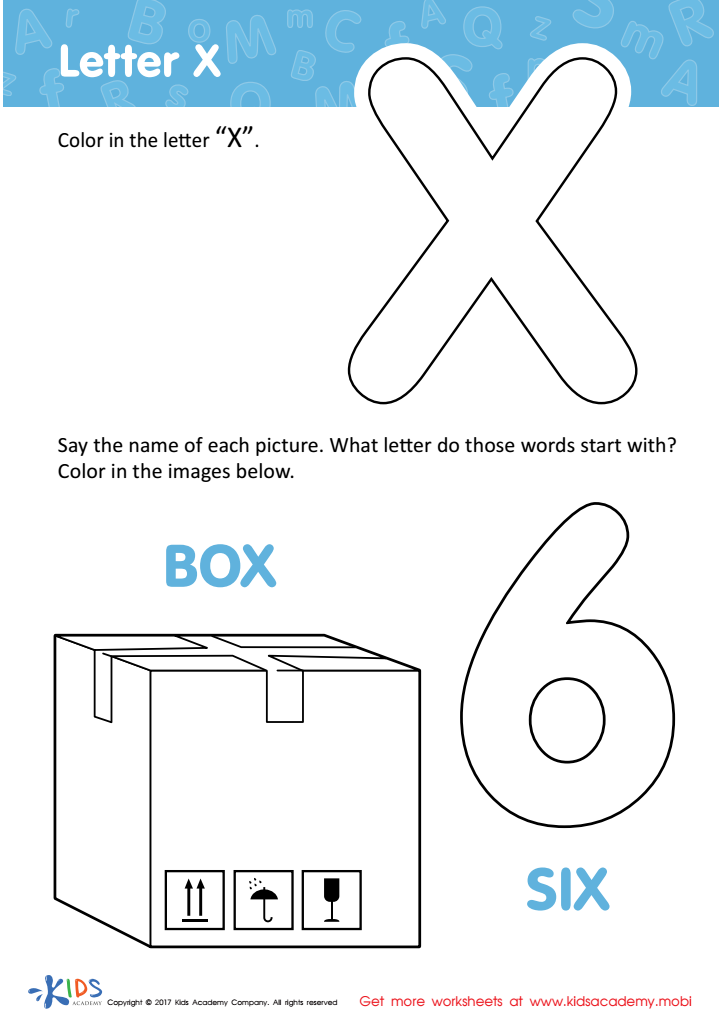
Letter X Coloring Sheet
Assign to My Students

Letter D Tracing Page





Letter recognition is a foundational skill crucial for young learners aged 4-9, and it’s essential for both parents and teachers to prioritize its development. Early familiarity with letters sets the stage for effective reading and writing, fostering literacy skills that will benefit students throughout their educational journey. When children can identify letters, they begin to understand that letters represent sounds, paving the way for phonemic awareness, which is vital in learning to read.
Additionally, letter recognition enhances vocabulary development and comprehension, allowing children to connect spoken sounds with written language. This connection is not just academic; it also boosts children's confidence and independence in expressing themselves through writing and creative storytelling.
Moreover, engaging in letter recognition activities can create a fun and interactive learning experience, promoting positive attitudes toward learning from an early age. By working together, teachers and parents can create rich literacy environments at home and school—using books, games, and everyday activities that expose children to letters in varied contexts.
In summary, by caring about letter recognition, parents and teachers empower children with crucial literacy skills that form the basis for academic success, fostering a lifelong love for reading and learning.