Letter Tracing Practice English for Beginners Worksheets for Ages 4-9
3 filtered results
-
From - To
Welcome to our Letter Tracing Practice worksheets designed specifically for English beginners aged 4-9! These engaging and interactive worksheets help young learners enhance their handwriting skills while enjoying fun activities. Each worksheet is crafted to guide children through the uppercase and lowercase letters with clear instructions, making it easy to follow along. Perfect for classroom use or home practice, these resources support letter recognition, fine motor development, and language skills. Encourage a love for writing and build confidence in your child's abilities with our comprehensive tracing practice. Download our worksheets today and embark on a rewarding learning journey!
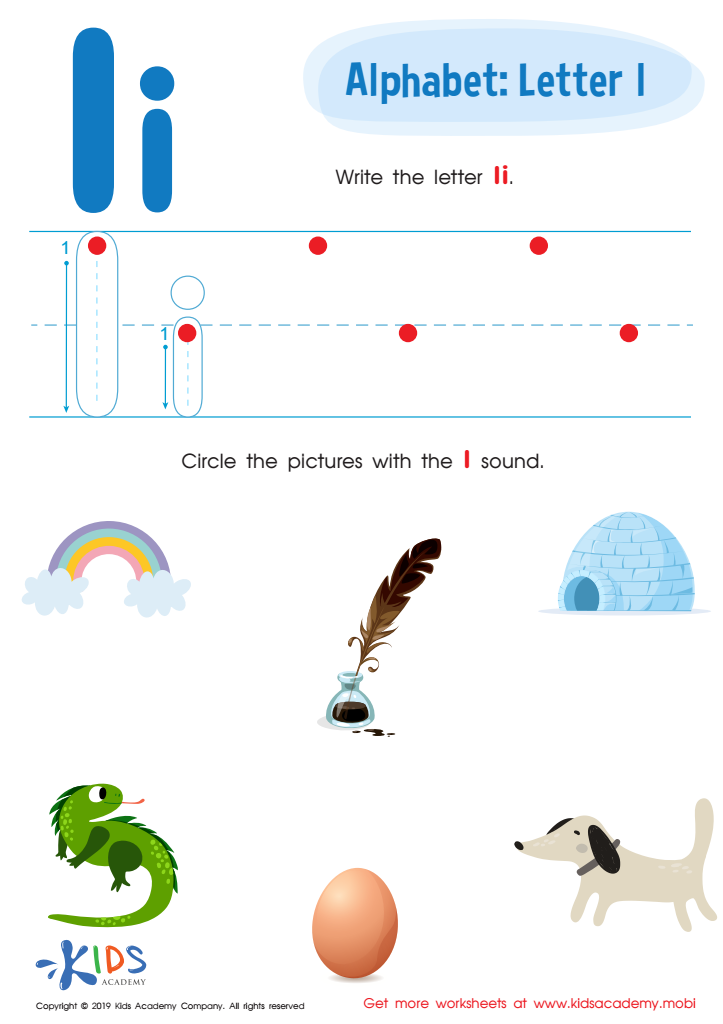
Letter I Tracing Worksheet
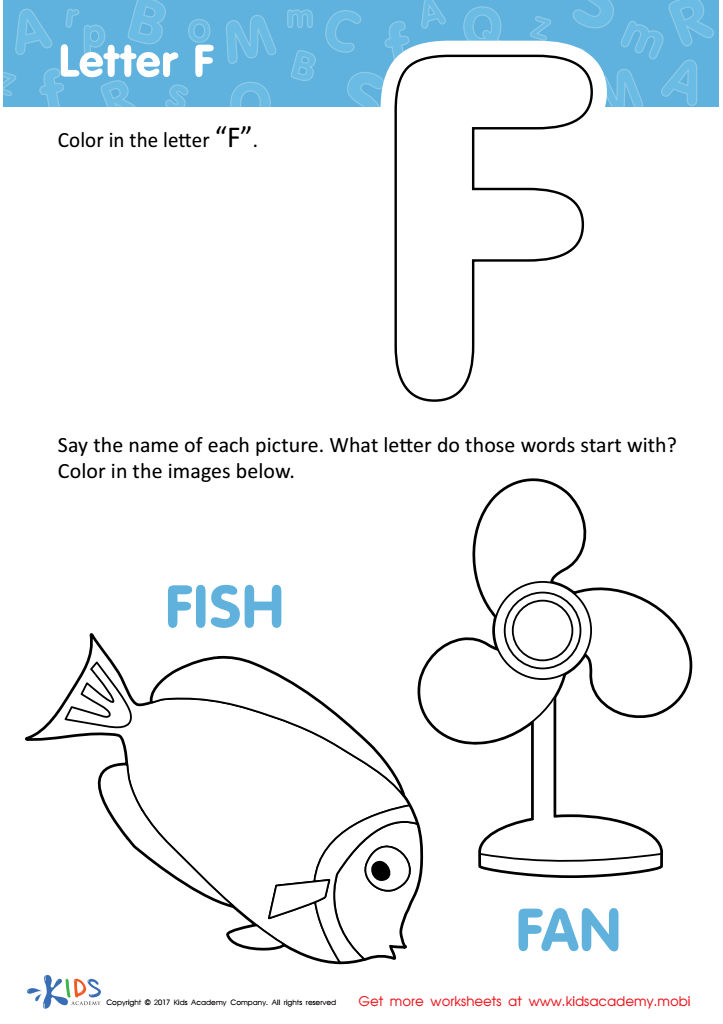
Letter F Coloring Sheet
 Assign to My Students
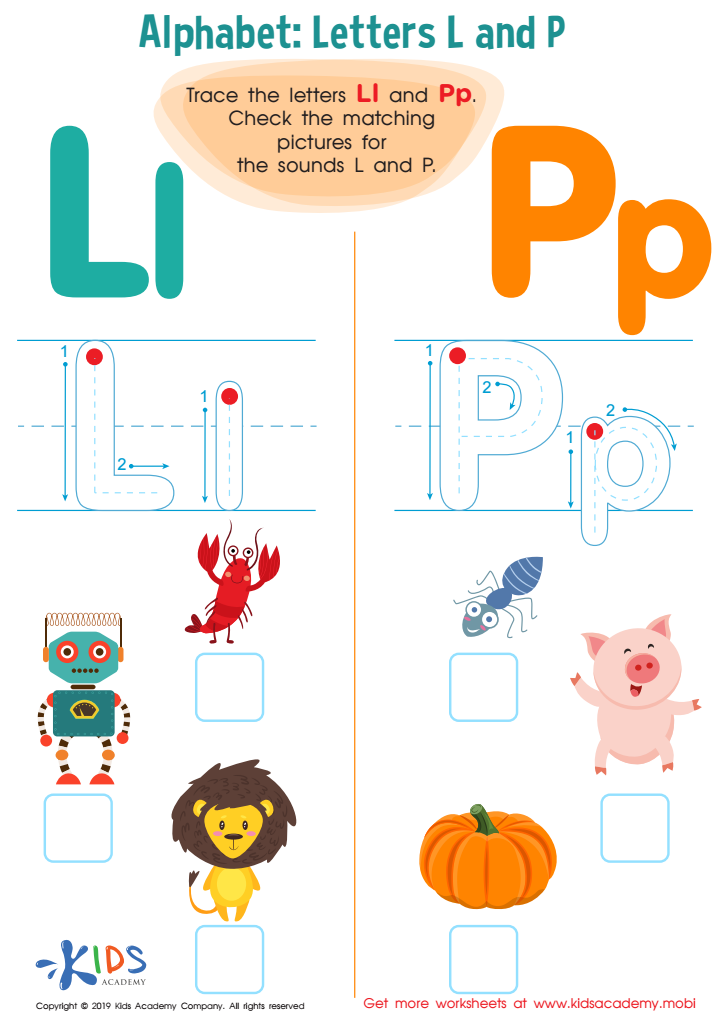
Letter L and P Tracing Worksheet





Letter tracing practice is crucial for young learners aged 4-9 as it lays the foundational skills necessary for reading and writing. For parents and teachers, encouraging this activity can significantly enhance a child's motor skills and literacy development at an early age.
Firstly, letter tracing helps children develop fine motor skills, which are essential for holding pencils and writing. Tracing guides their hand movements, promoting muscle memory. This practice is not just about forming letters; it builds confidence as they see their progress over time.
Moreover, letter tracing reinforces letter recognition and phonetic understanding. It assists children in associating letters with corresponding sounds, promoting early phonemic awareness, which is vital for reading. Understanding the shapes and sounds of letters can prevent potential literacy hurdles later on.
Additionally, routine tracing can foster a child's concentration and focus, preparing them for more structured learning situations in school. Since educational experts stress the significance of early literacy experiences, both parents and teachers should prioritize letter tracing activities. By investing time in these simple yet impactful exercises, they can cultivate a love for learning and provide a strong foundation for future academic success. Encouraging children to embrace the joy of writing from an early age benefits their overall educational journey.