Problem-Solving Skills English for Beginners Worksheets for Ages 4-9
4 filtered results
-
From - To
Enhance your child's critical thinking and language abilities with our "Problem-Solving Skills English for Beginners Worksheets for Ages 4-9". These carefully crafted worksheets aim to develop foundational English and problem-solving skills in young learners. Engaging activities guide children through real-life scenarios, fostering their ability to think logically and communicate effectively. Ideal for kids learning English as a second language, our resources are tailored to captivate and challenge minds in a fun, supportive manner. Build confidence and proficiency in early learners, setting a strong foundation for future academic success. Start empowering your child with essential problem-solving skills today!
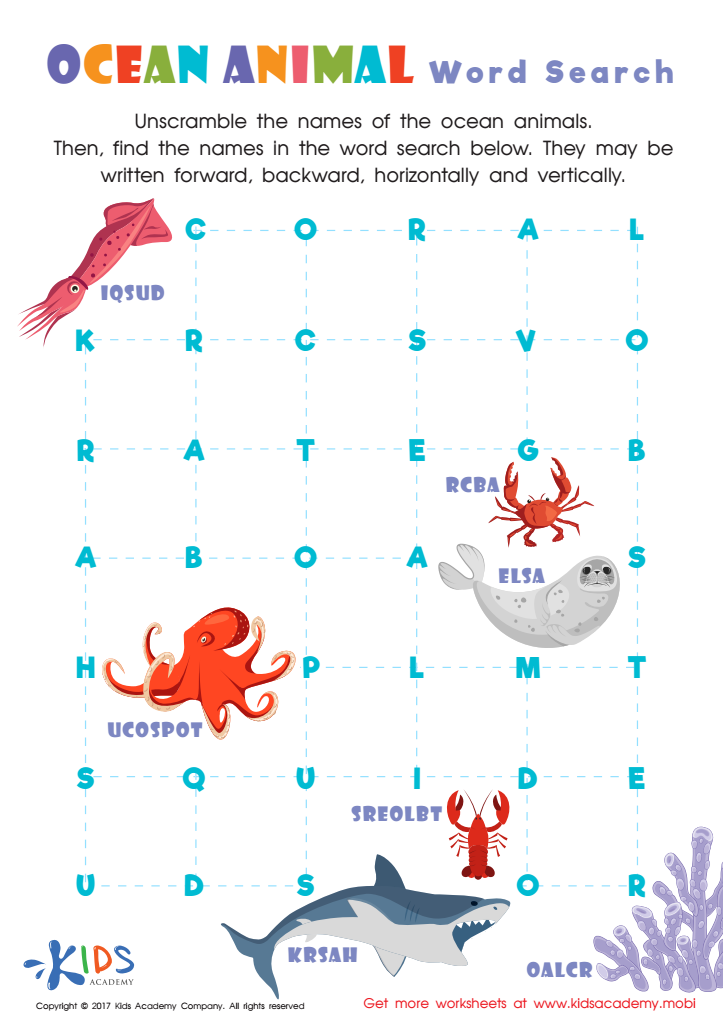
Ocean Animals Word Search Printable
 Assign to My Students
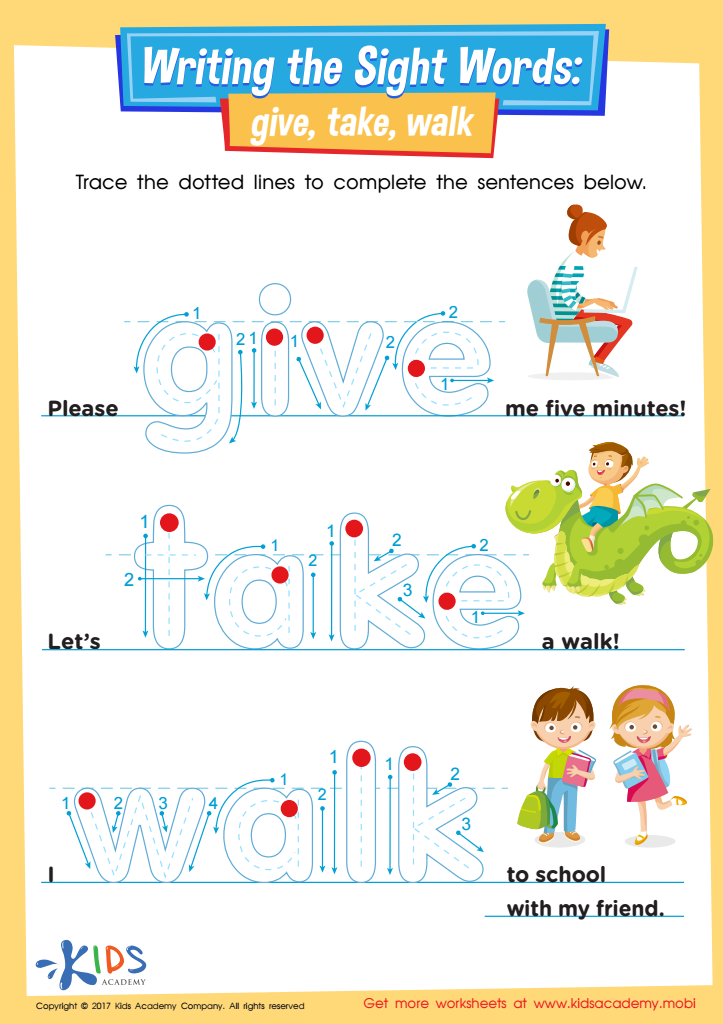
Give, Take, Walk Printable Sight Words Worksheet
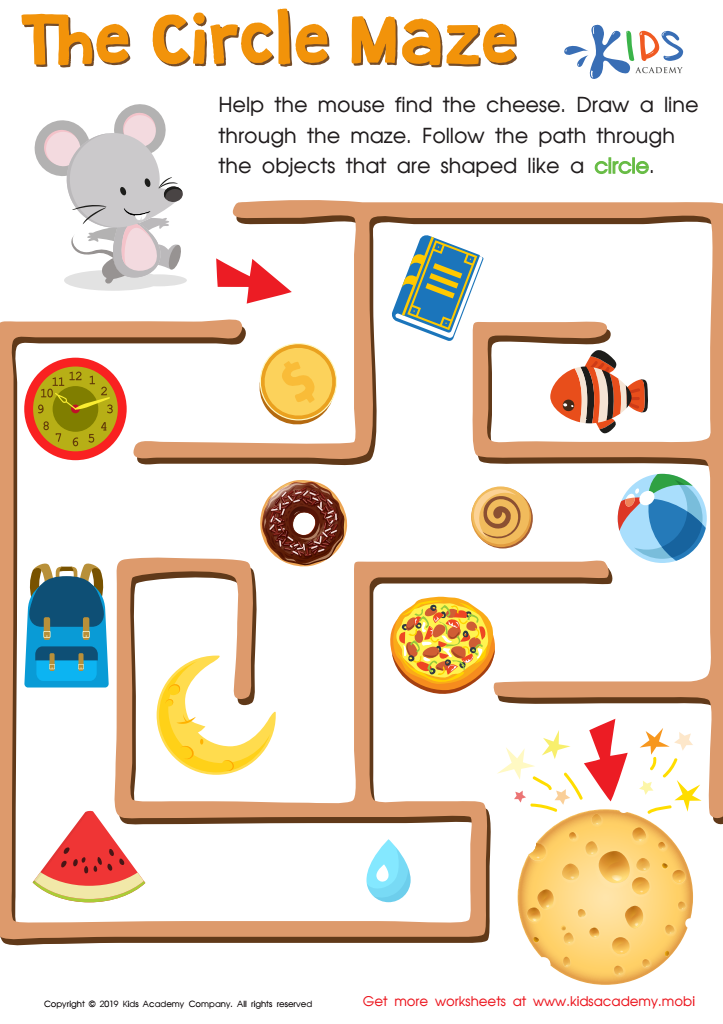
The Circle Maze Worksheet
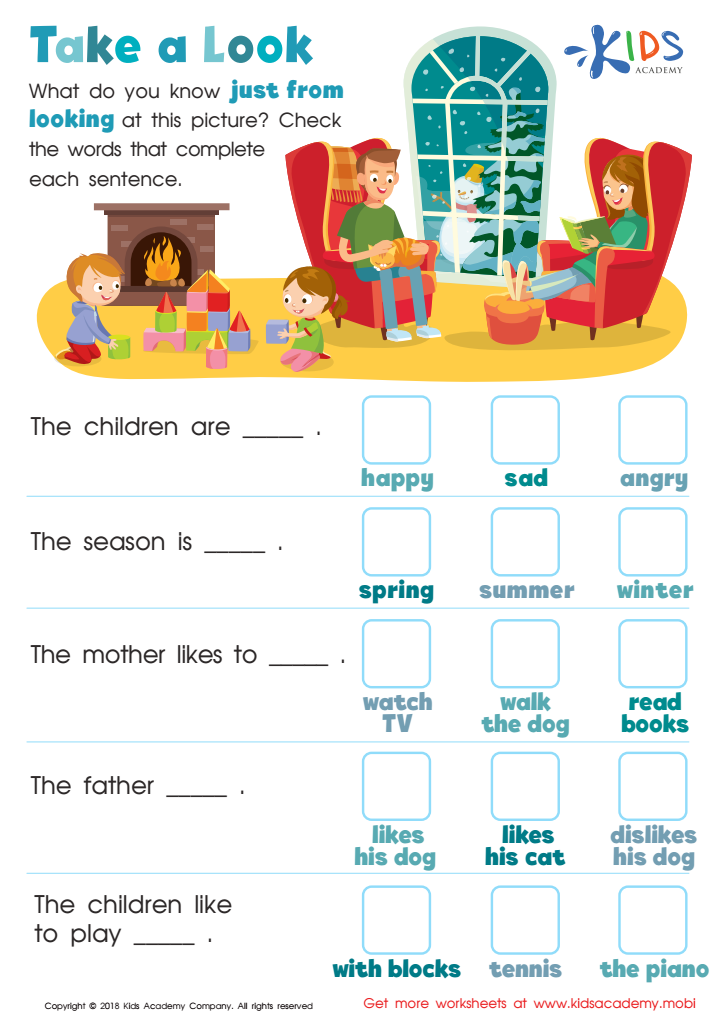
Take a Look - Part 1 Worksheet




Problem-solving skills are fundamental to early childhood development, fostering critical thinking and resilience in young learners. Introducing problem-solving in English for beginners ages 4-9 is particularly beneficial, as these formative years are vital for language acquisition and cognitive development. Through structured and guided problem-solving activities, children learn to navigate challenges, think creatively, and approach tasks systematically.
For parents, nurturing these skills enhances their child's ability to handle everyday conflicts, make decisions, and build confidence. As children tackle age-appropriate problems in English, they simultaneously gain language proficiency, expanding their vocabulary and reinforcing grammatical structures in a practical context. This dual focus on problem-solving and language not only promotes intellectual growth but ensures children can effectively communicate and articulate their thoughts in English.
Teachers benefit from fostering problem-solving skills by creating a dynamic, interactive classroom environment. Such skills encourage collaborative learning, where students discuss and solve problems together, enhancing social interaction and empathy. Moreover, engaging with problem-solving tasks in English helps children from diverse backgrounds master the language, fostering inclusivity.
Ultimately, these skills equip children with the tools needed for future academic and personal success, making them essential in early education. Parents and teachers should prioritize problem-solving practices to ensure holistic development and a robust foundation for lifelong learning.