Writing practice English for Beginners Worksheets for Ages 4-9
13 filtered results
-
From - To
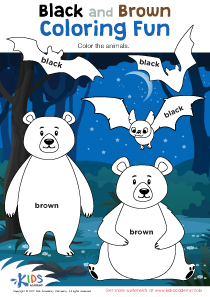
Our "Writing Practice English for Beginners Worksheets for Ages 4-9" provides an engaging way for young learners to develop essential writing skills. Designed specifically for early learners, these worksheets feature fun and interactive activities that will captivate their attention while reinforcing foundation language concepts. Each worksheet encourages children to practice letter formation, develop handwriting clarity, and explore simple vocabulary. With a variety of themes and easy-to-follow instructions, these resources support children in building confidence as they express themselves through writing. Perfect for at-home learning or classroom use, our worksheets set the stage for effective communication skills in a fun and age-appropriate manner.
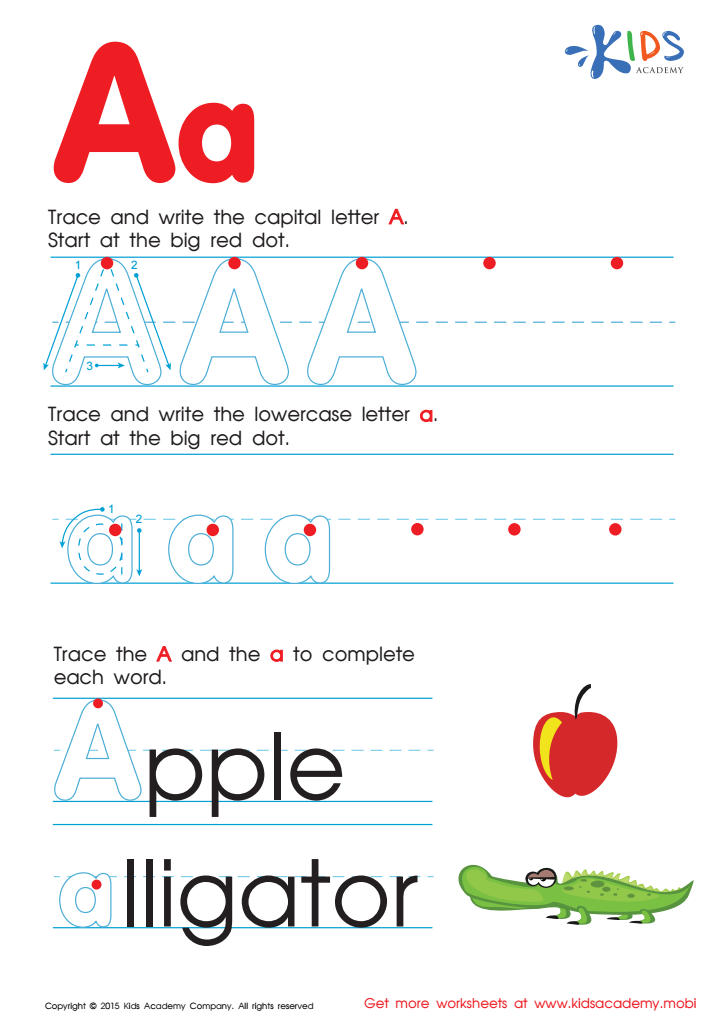
Letter A Tracing Page
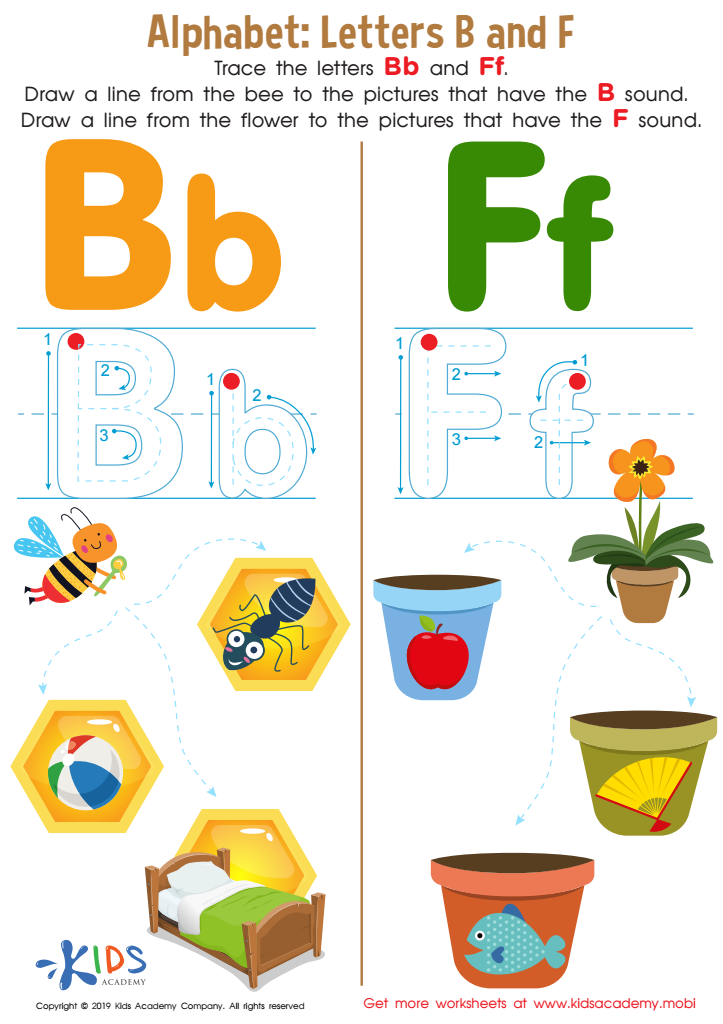
Letters B and F Tracing Worksheet
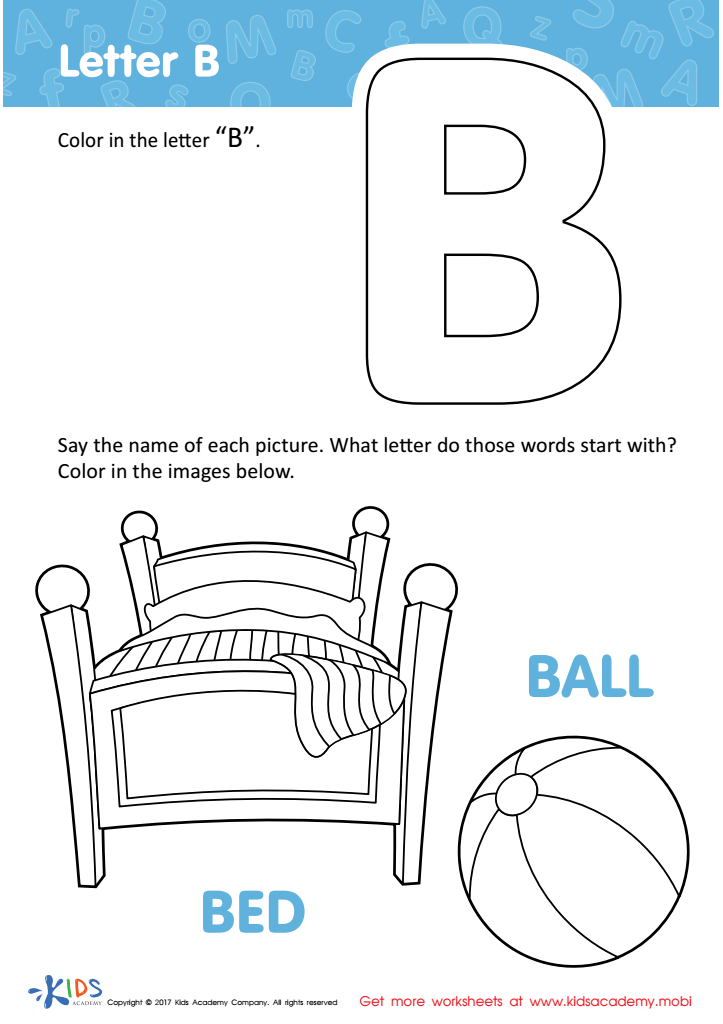
Letter B Coloring Sheet
 Assign to My Students
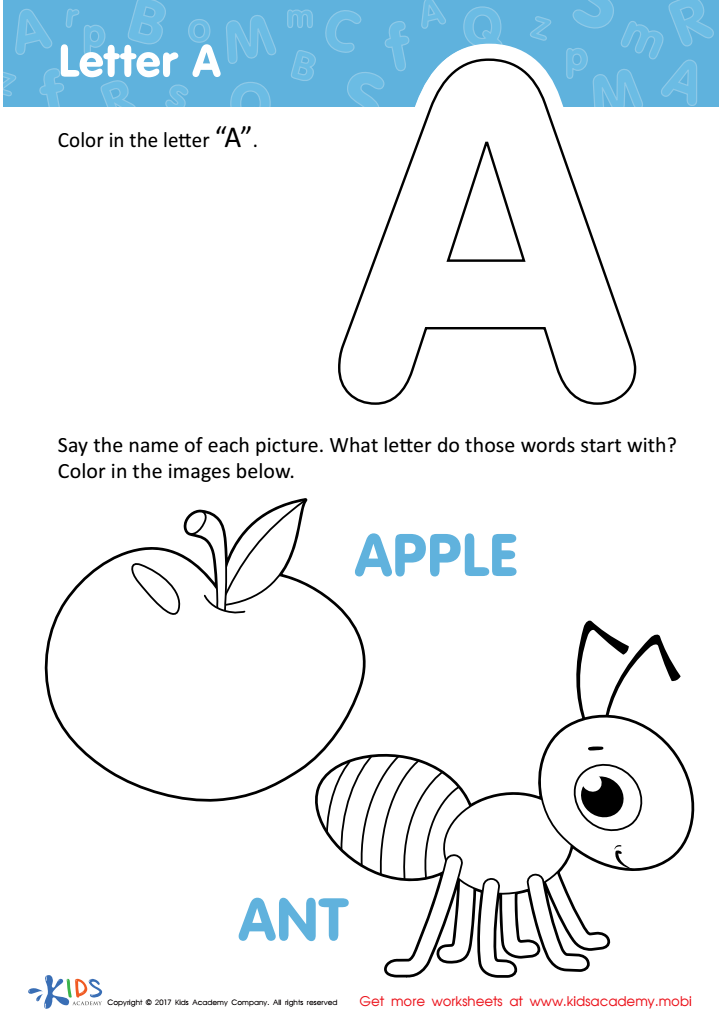
Letter A Coloring Sheet
Assign to My Students
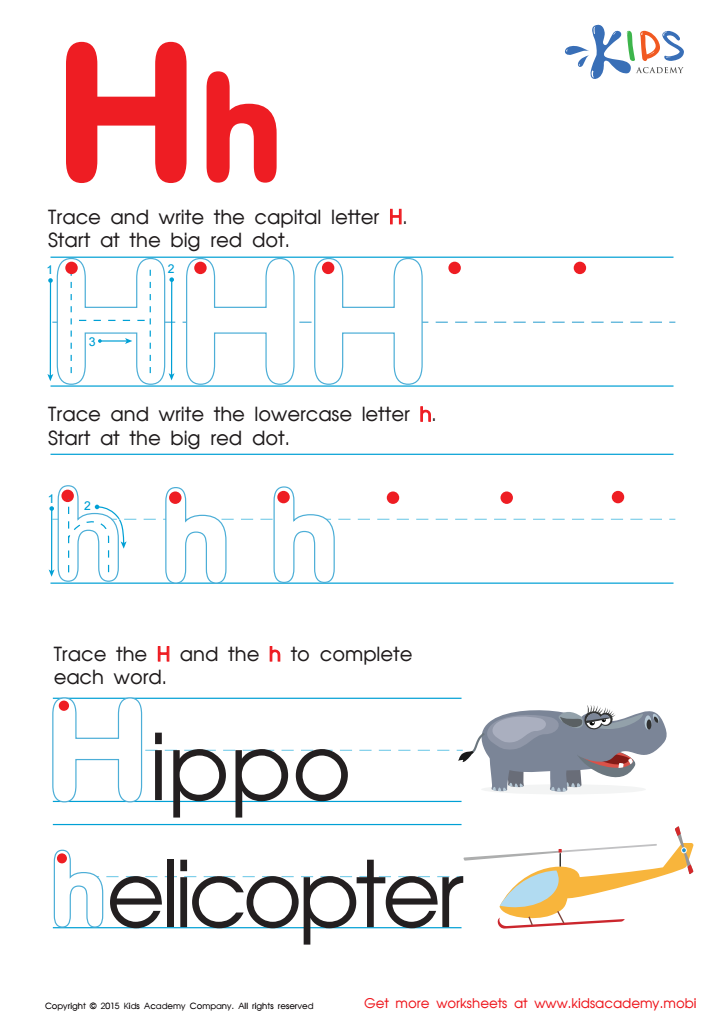
Letter H Tracing Page
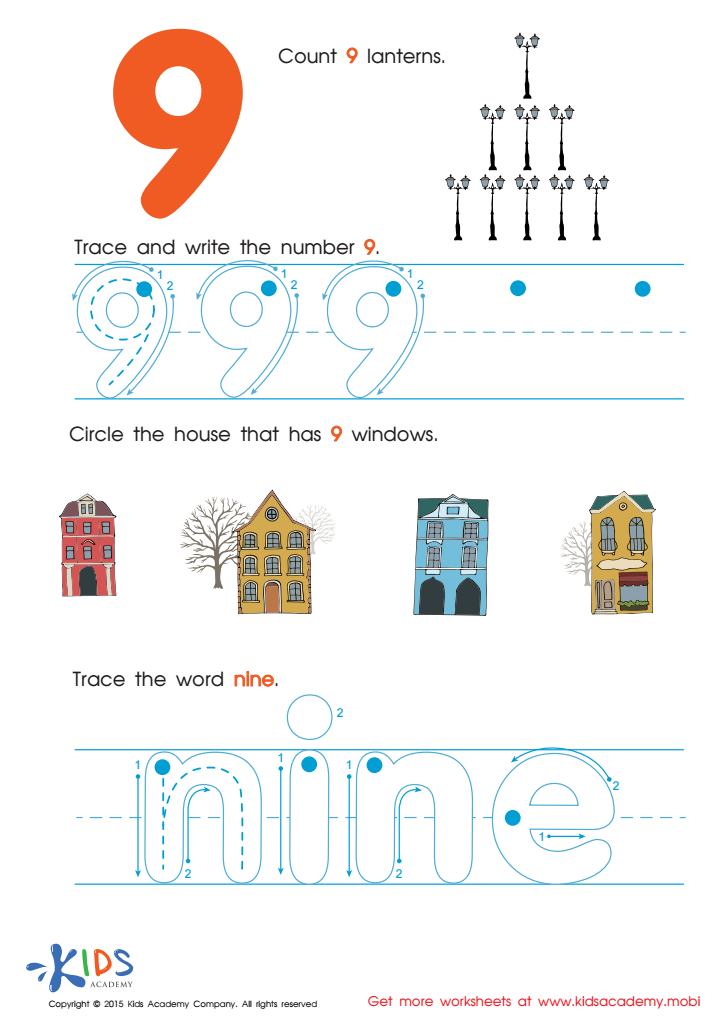
Tracing And Learning to Write Number 9 Worksheet
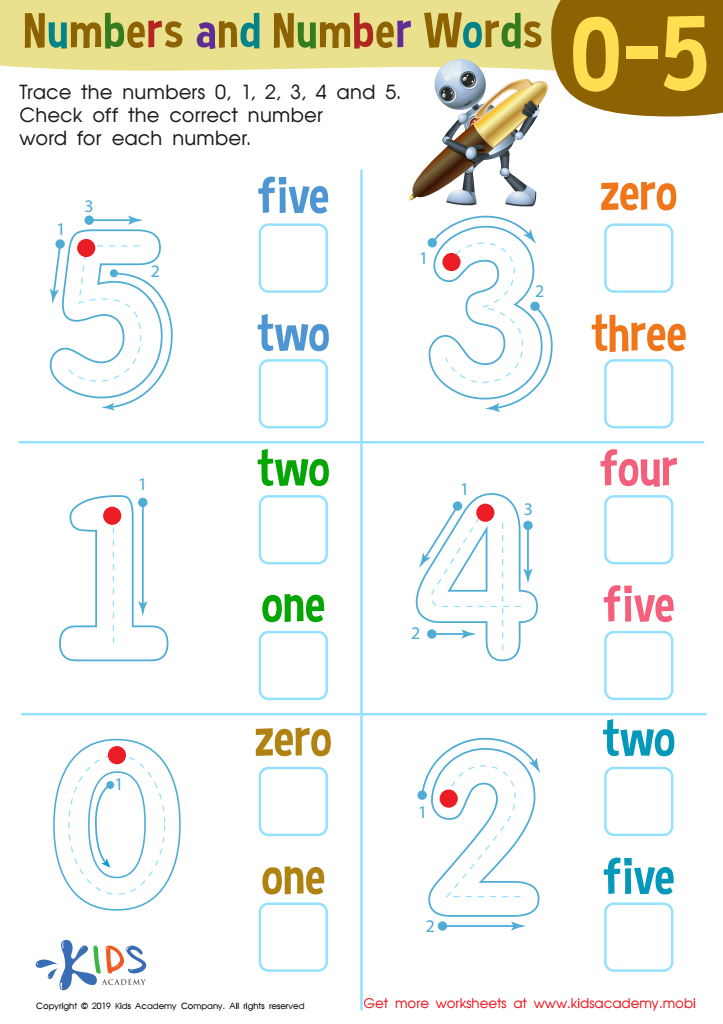
Numbers and Number Words Worksheet
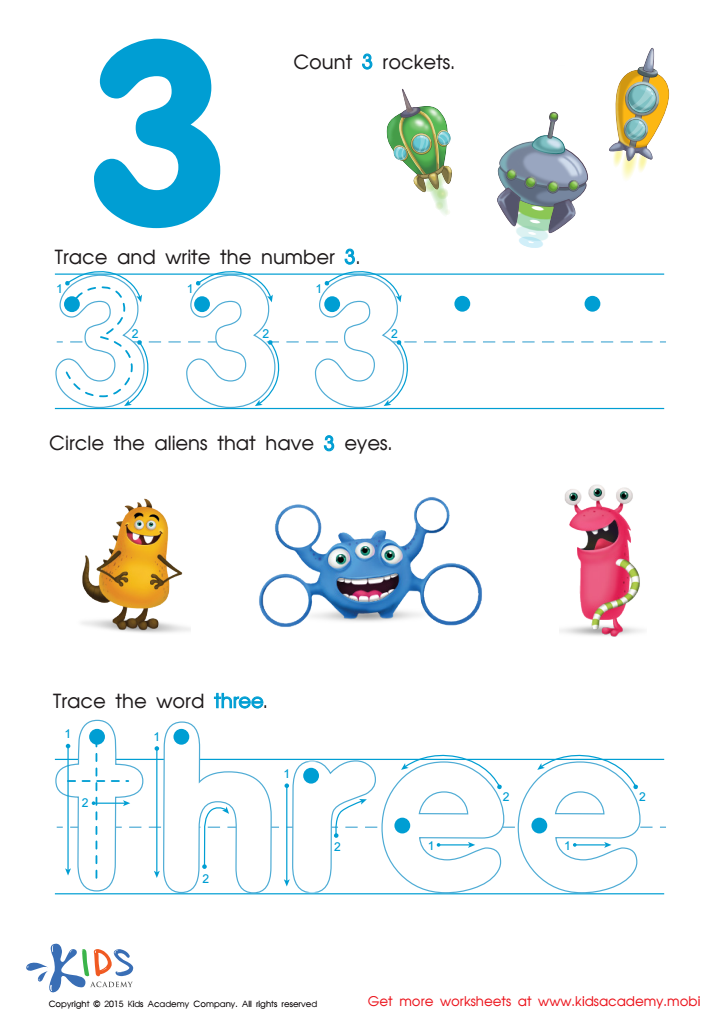
Learning Number Three Worksheet
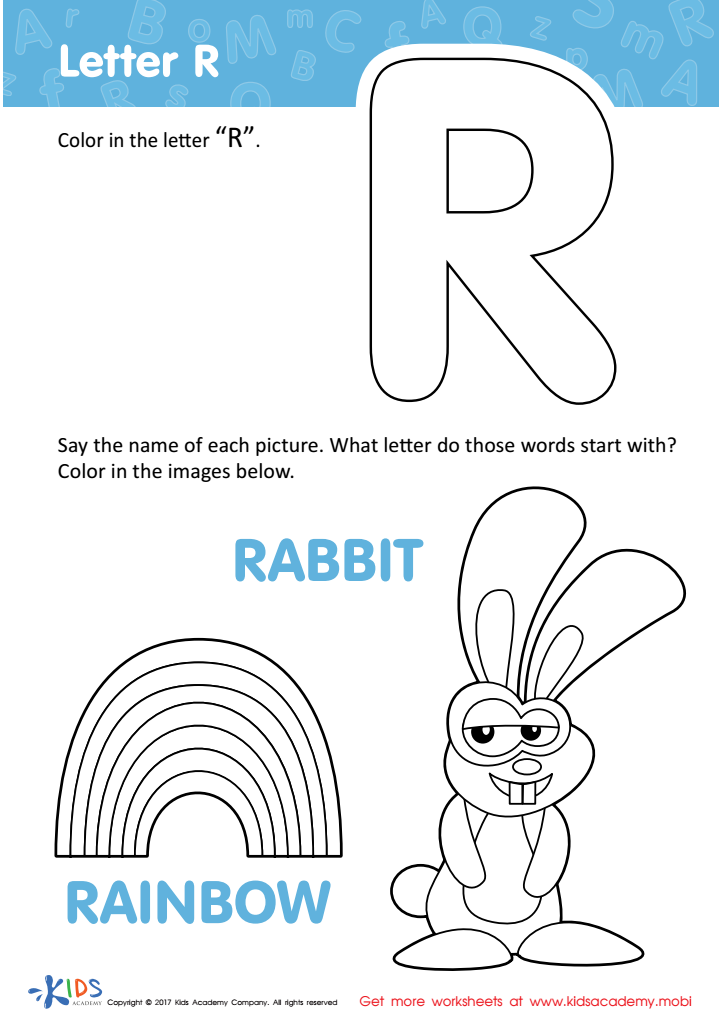
Letter R Coloring Sheet
Assign to My Students
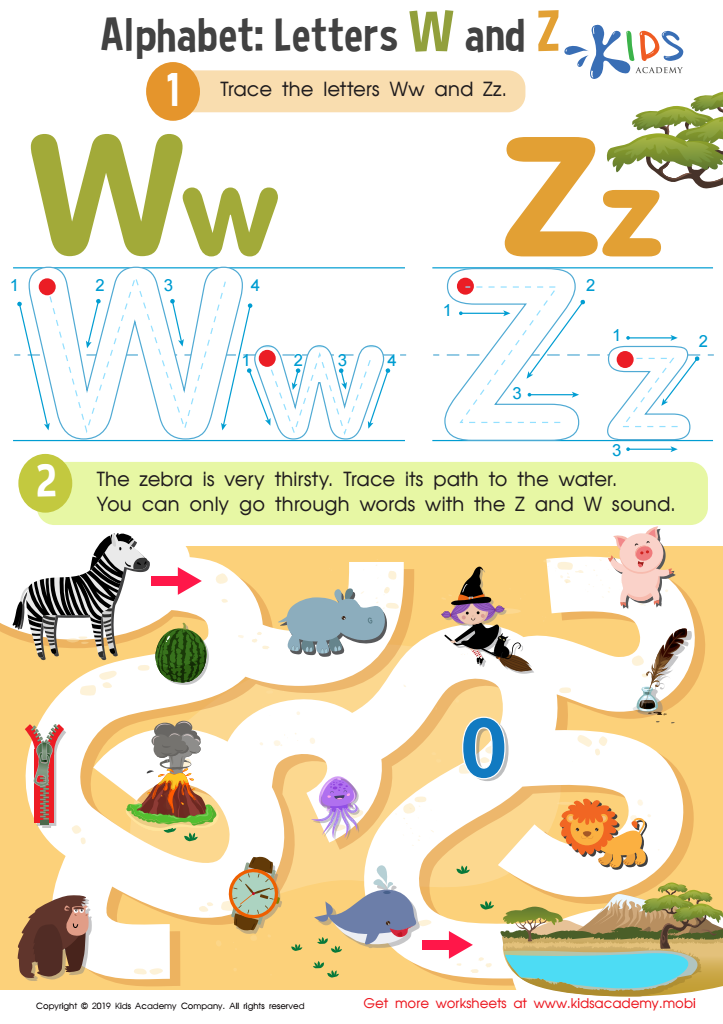
Letters W and Z Tracing Worksheet
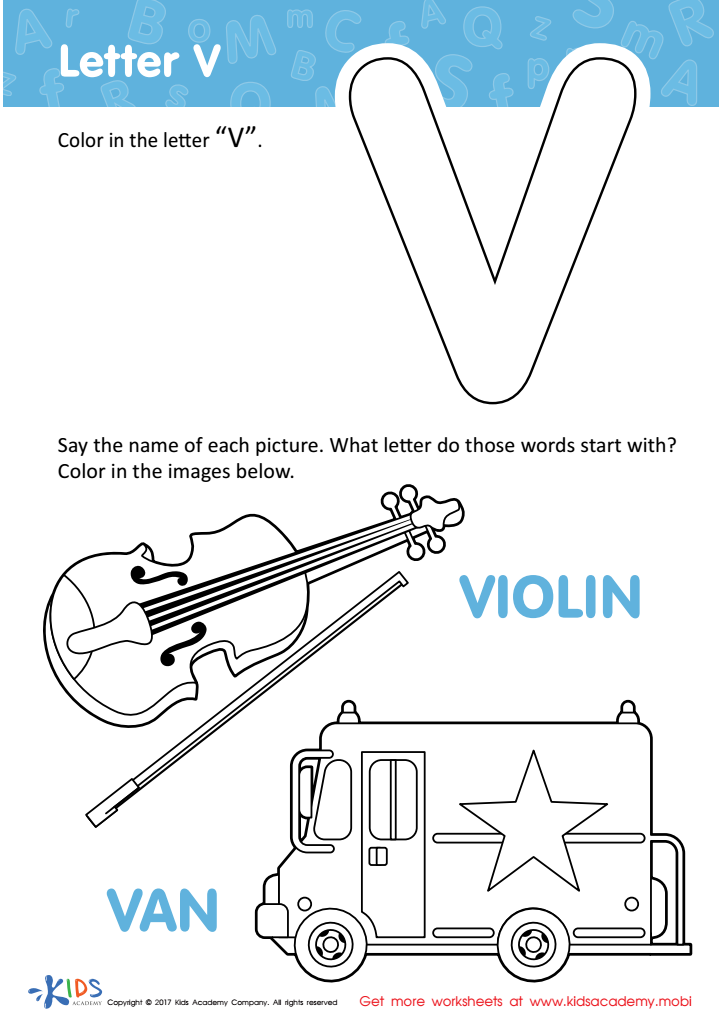
Letter V Coloring Sheet
Assign to My Students
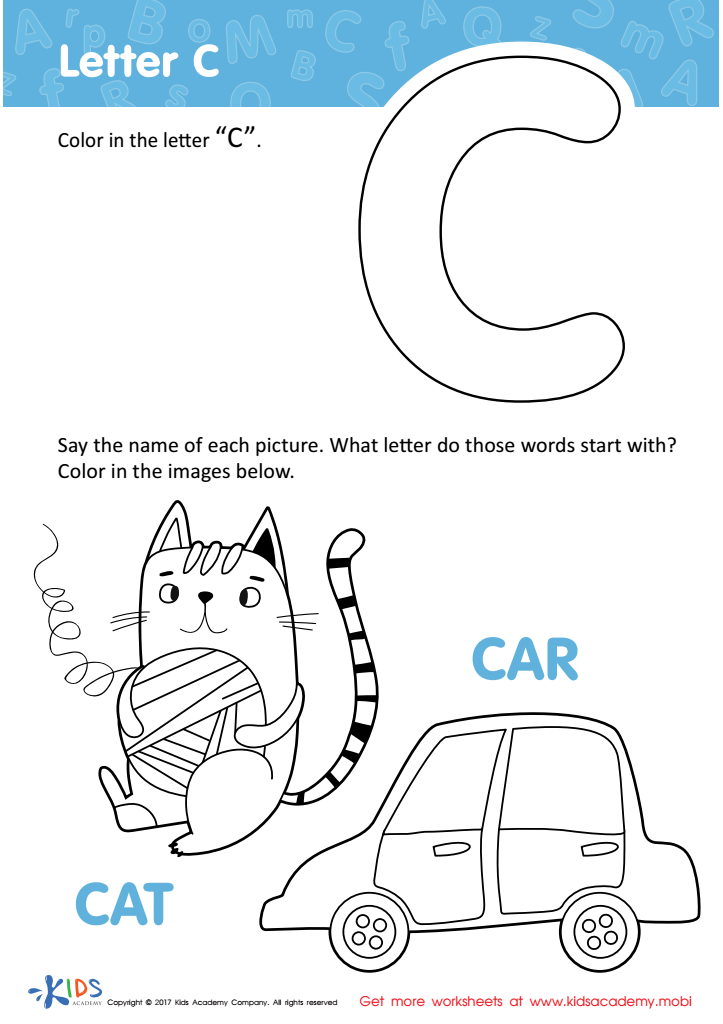
Letter C Coloring Sheet
Assign to My Students
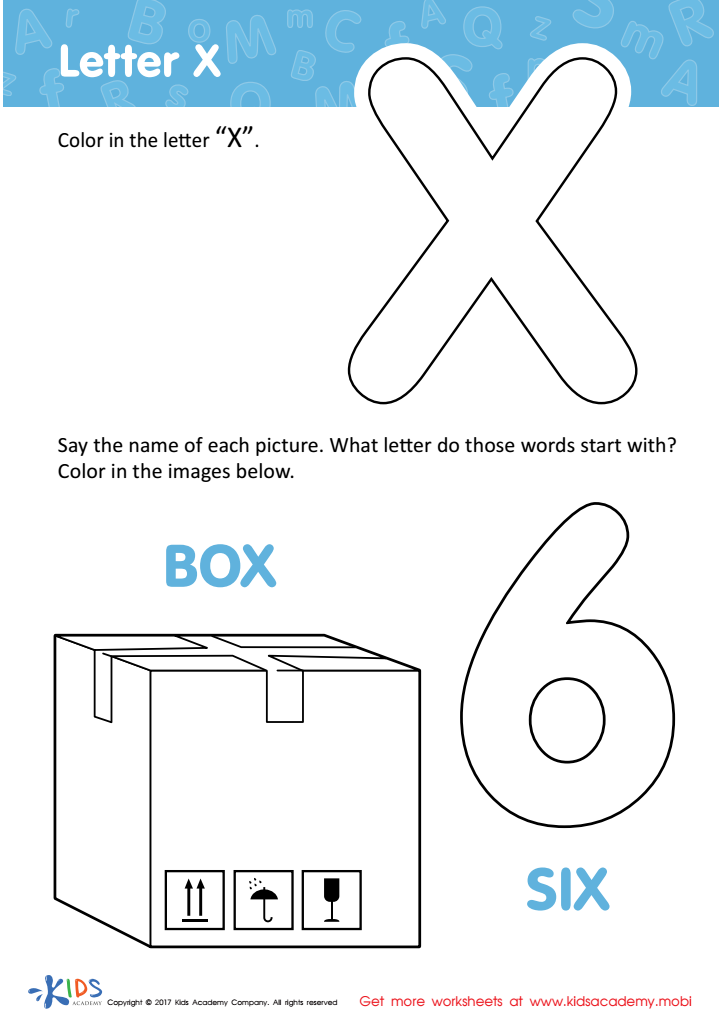
Letter X Coloring Sheet
Assign to My Students




Writing practice is crucial for young learners aged 4-9, as it lays the foundation for effective communication skills that will serve them throughout their academic journey and beyond. For parents and teachers, an early focus on writing helps develop a child's ability to express thoughts and ideas clearly, fostering both confidence and creativity.
At this age, children are naturally curious and eager to explore language. Incorporating writing activities, such as journaling, storytelling, and simple sentence construction, sparks their imagination and engages them in the learning process. This not only enhances critical thinking but also reinforces their understanding of grammar and vocabulary in a practical context.
Furthermore, writing practice cultivates fine motor skills through handwriting exercises, improving hand-eye coordination. It also encourages patience and perseverance, as children learn to edit their work and take pride in completing tasks.
Ultimately, investing in writing practice for beginners creates a strong literacy foundation, empowering children to become effective communicators, thinkers, and future leaders. By encouraging writing from an early age, we equip them with essential skills that will enhance their academic performance and personal growth, making it a critical focus for both parents and educators.