Analog clock reading Worksheets for Ages 4-9
4 filtered results
-
From - To
Discover our engaging Analog Clock Reading Worksheets designed for children aged 4-9! These interactive resources help young learners grasp the fundamentals of telling time on analog clocks. Our worksheets feature colorful visuals and easy-to-follow activities that make learning fun and effective. With exercises tailored to different skill levels, kids can practice identifying hours and minutes, and gain confidence in their time-telling abilities. Perfect for home or classroom use, our worksheets encourage independent learning while reinforcing essential math skills. Equip your child with the knowledge they need to master reading analog clocks with our comprehensive collection of printable worksheets!
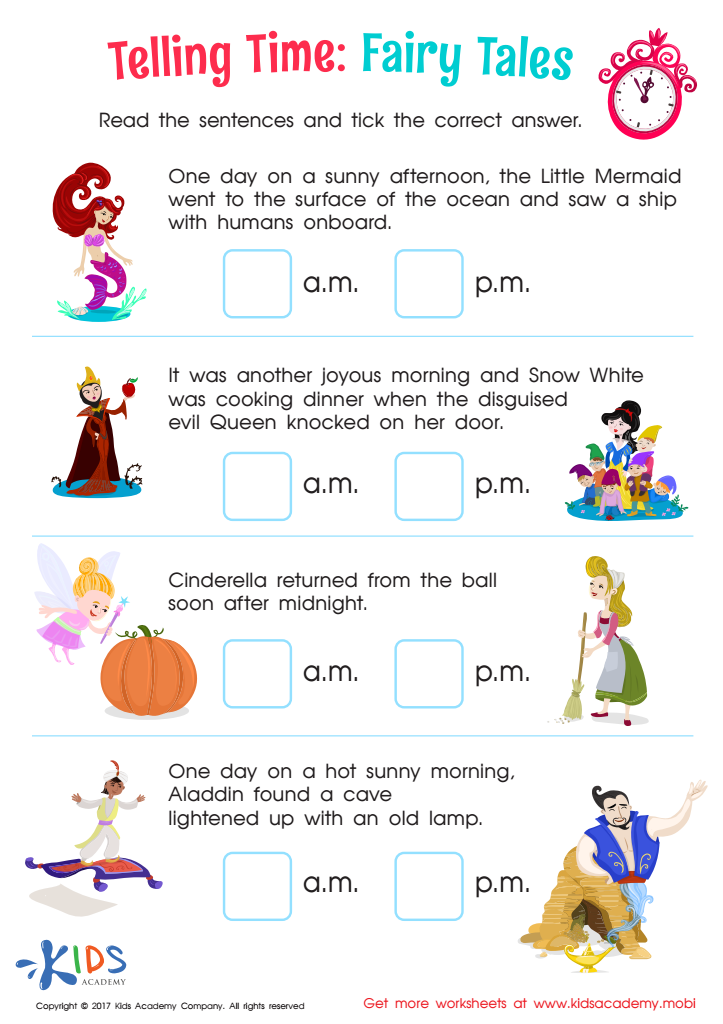
Telling Time: Fairy Tales Worksheet
 Assign to My Students
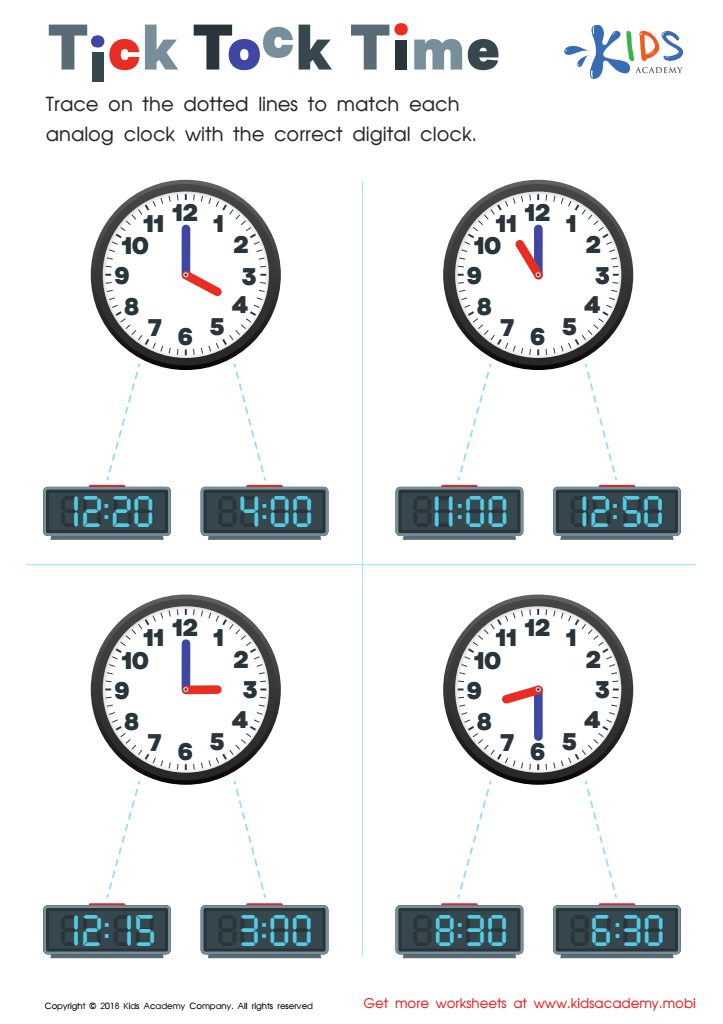
Tick Tock Time Worksheet
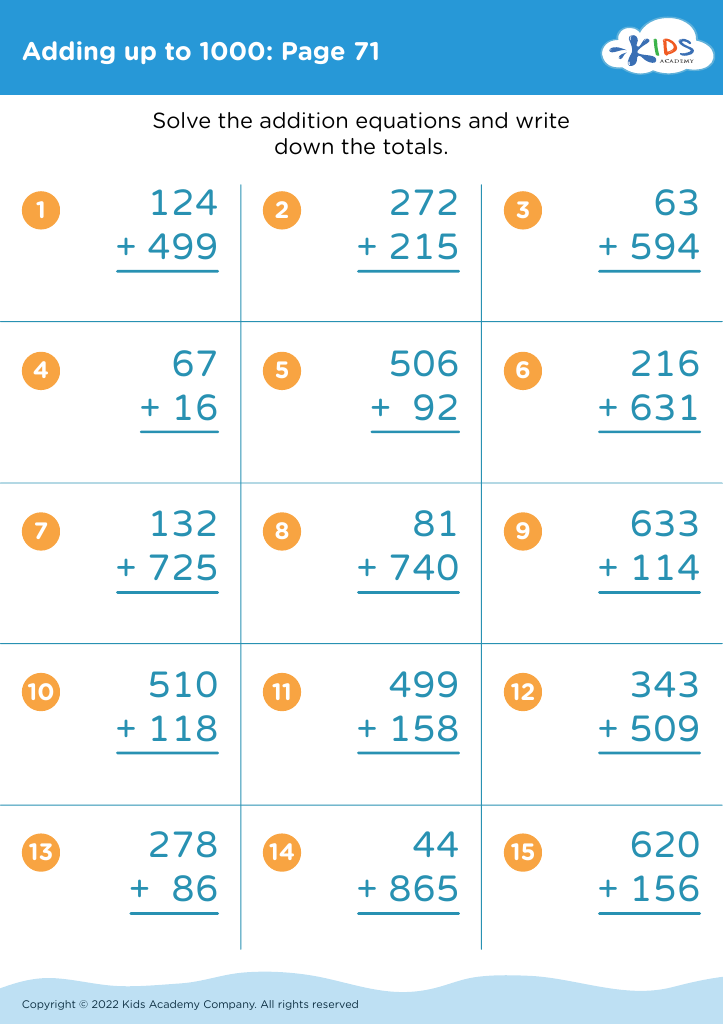
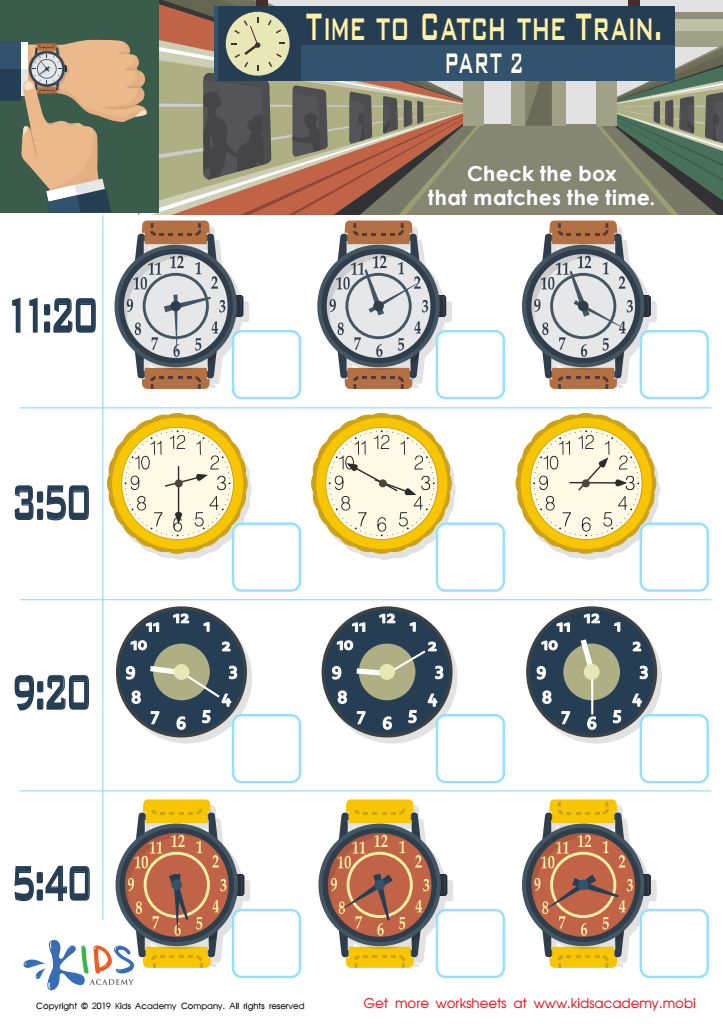
Time to Catch the Train Part 2 Worksheet







Teaching children to read analog clocks is an essential skill that offers numerous benefits for their cognitive and social development. For ages 4-9, understanding how to tell time on an analog clock fosters critical thinking and promotes mathematical skills, as children learn to recognize numbers, understand increments, and practice counting. This skill reinforces their ability to grasp abstract concepts like time management and sequencing of daily activities.
Moreover, reading analog clocks can enhance a child’s attention span and focus. As these clocks require more visual processing—spotting the position of hour and minute hands—children develop their observational skills. This skill becomes even more crucial as children advance academically and socially; being punctual is vital in school and life.
Additionally, analog clocks have cultural and historical significance, so what may seem outdated helps connect children to lessons about the past. Engaging in activities centered around clock reading can also strengthen bonds between parents, teachers, and children through collaborative learning experiences.
In a world dominated by digital displays, the ability to read an analog clock diversifies a child's skill set and prepares them for various life situations. Teaching this concept lays the foundation for organization and responsibility, developing essential life skills early on.








