Animal identification Worksheets for Ages 4-9 - Page 3
52 filtered results
-
From - To
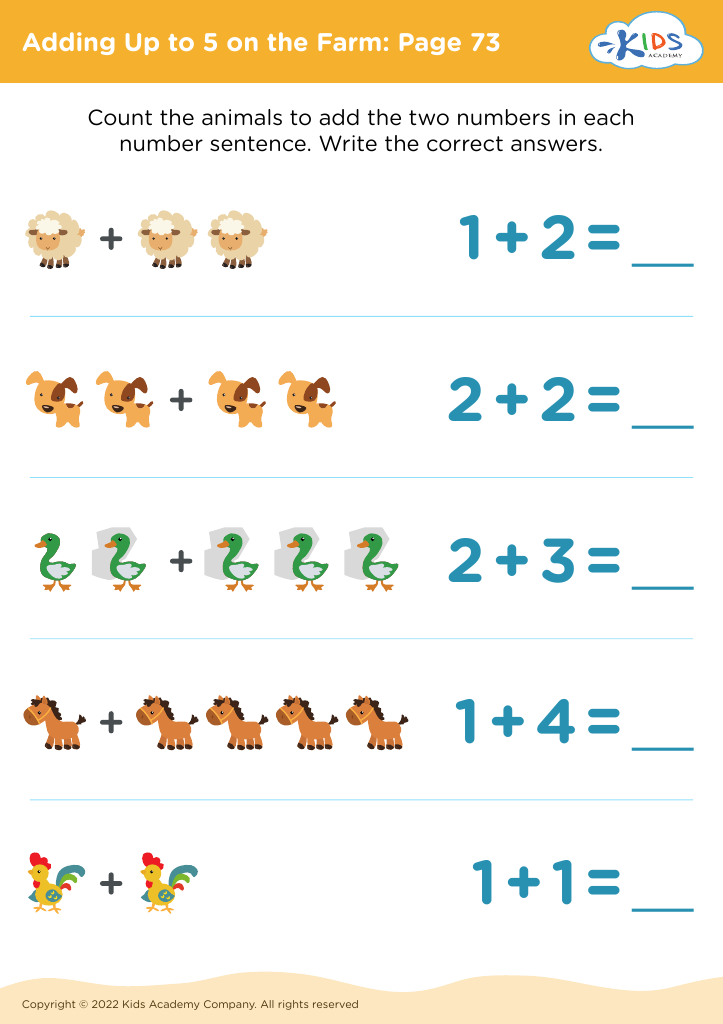
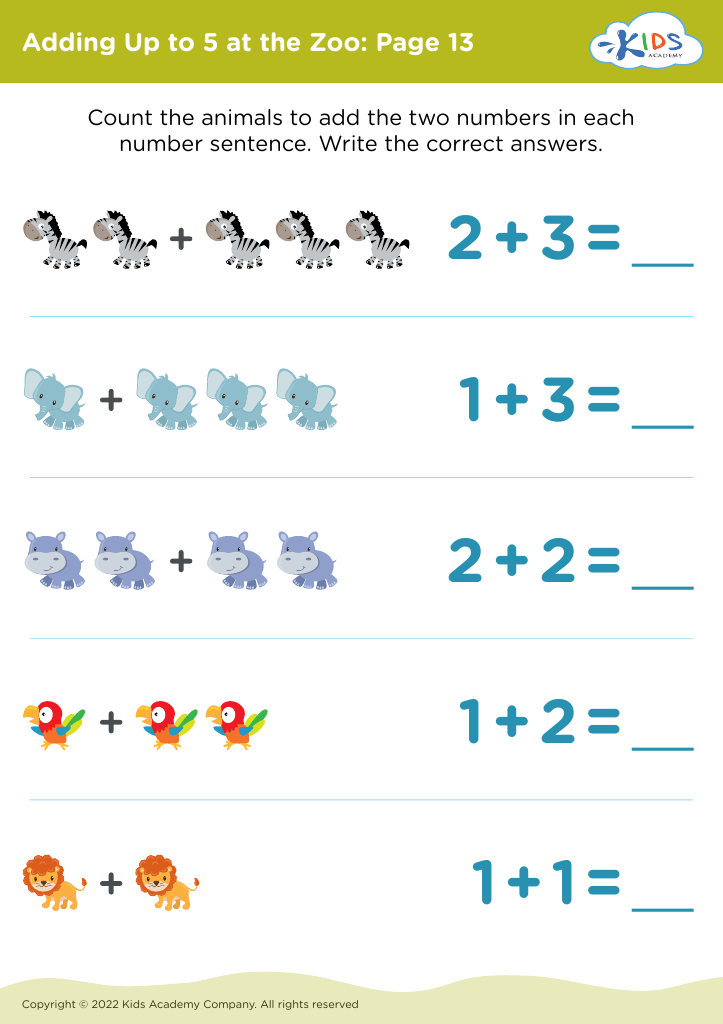
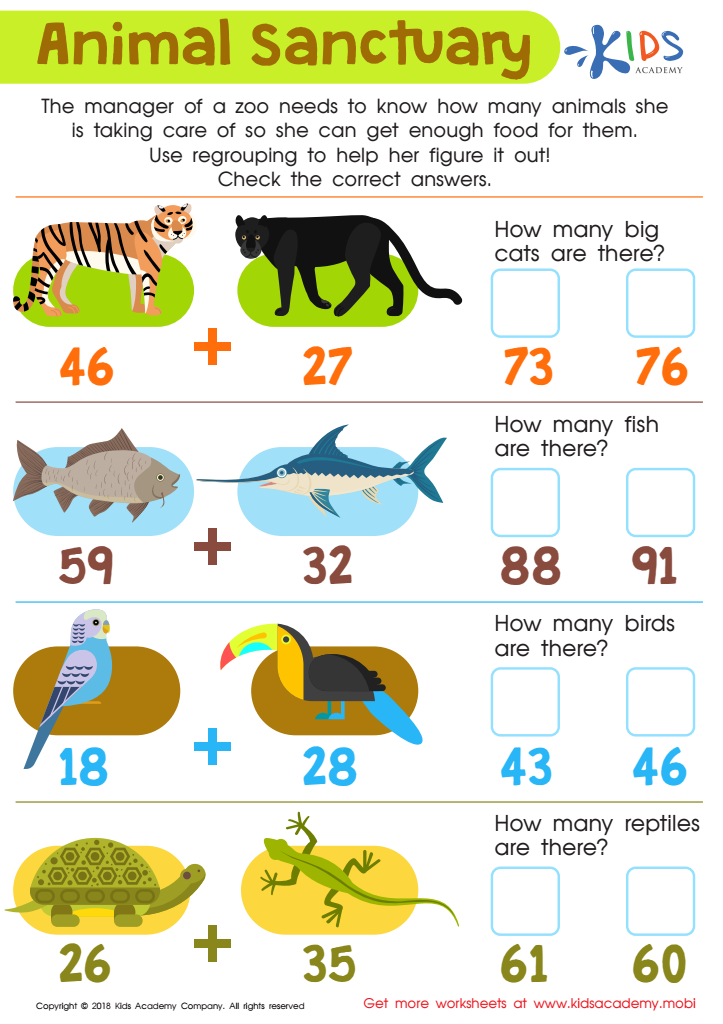
Animal Sanctuary Worksheet
 Assign to My Students
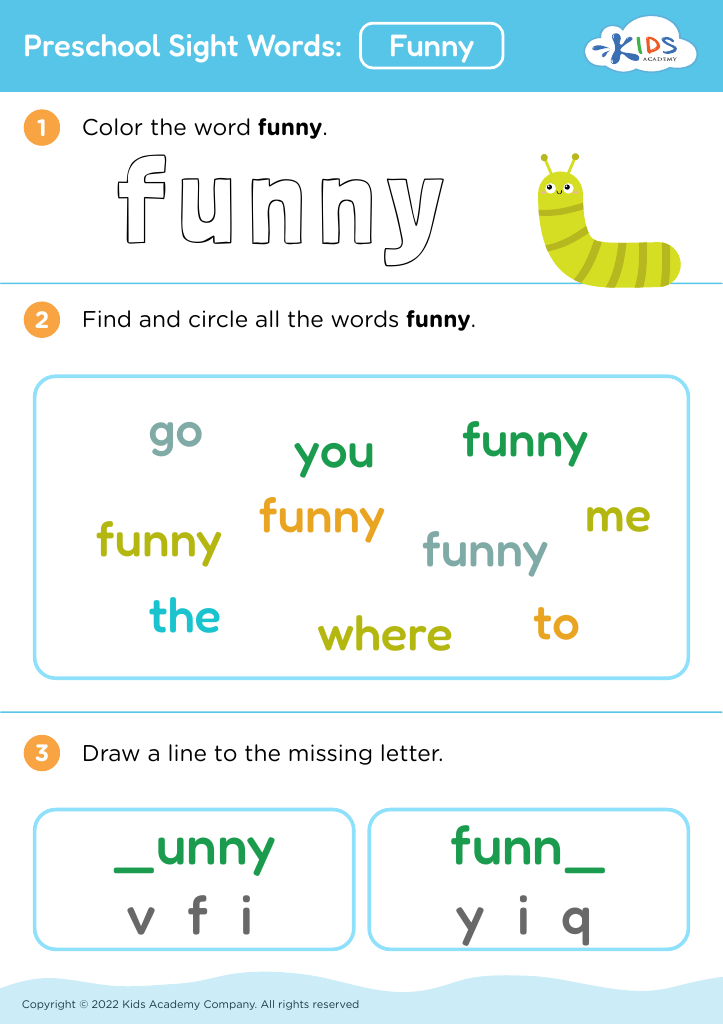







Parents and teachers should care about animal identification for children aged 4-9 because it plays a crucial role in their overall development and education. Firstly, learning to identify animals enhances cognitive skills such as memory, categorization, and observation. Children learn to notice details, compare different traits, and make connections between animals and their habitats. This foundational knowledge fosters curiosity and a love for learning about the natural world.
Secondly, animal identification supports language development. When children learn the names and characteristics of different animals, they expand their vocabulary and improve their descriptive language skills. It encourages conversations and questions, which are key for language growth.
Thirdly, understanding animals can help cultivate empathy and a sense of responsibility towards living beings. Children who are knowledgeable about animals are more likely to develop a respect for wildlife and the environment. This can lead to positive attitudes towards conservation and sustainable living.
Lastly, engaging with animals, whether through books, field trips, or hands-on activities, can be a source of joy and inspiration. It provides a tactile and interactive way of learning, which can be particularly beneficial for young children, as they often learn best through play and direct experiences. Overall, animal identification is a multi-faceted educational tool that supports various areas of a child's growth.








