Color recognition Worksheets for Ages 4-9 - Page 6
124 filtered results
-
From - To
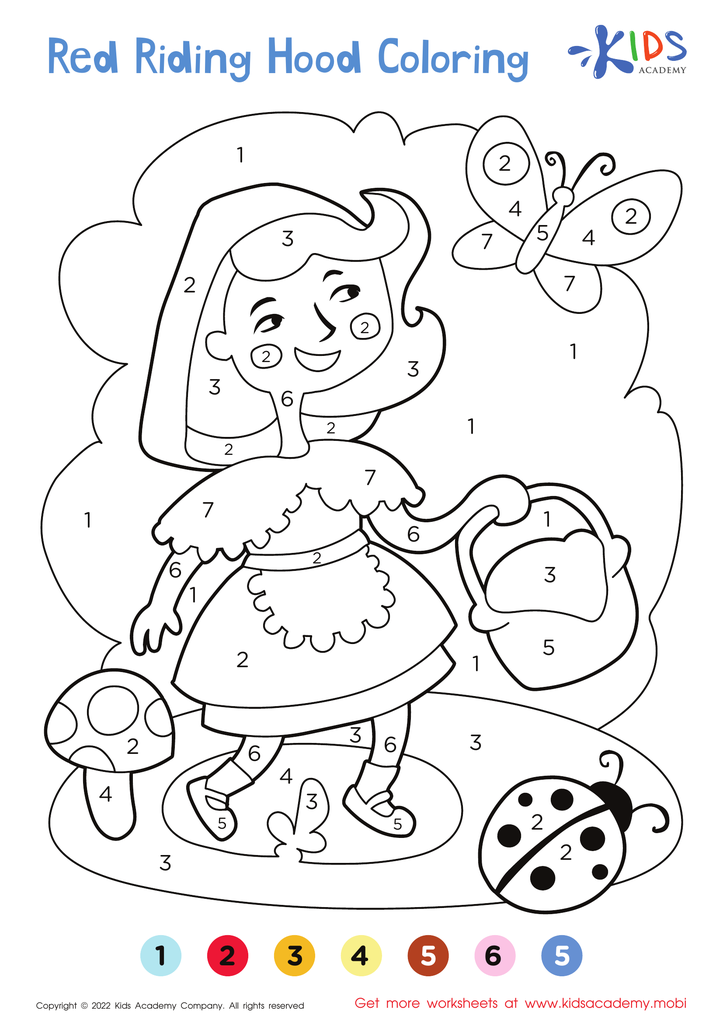
Little Red Riding Hood – Coloring by Numbers
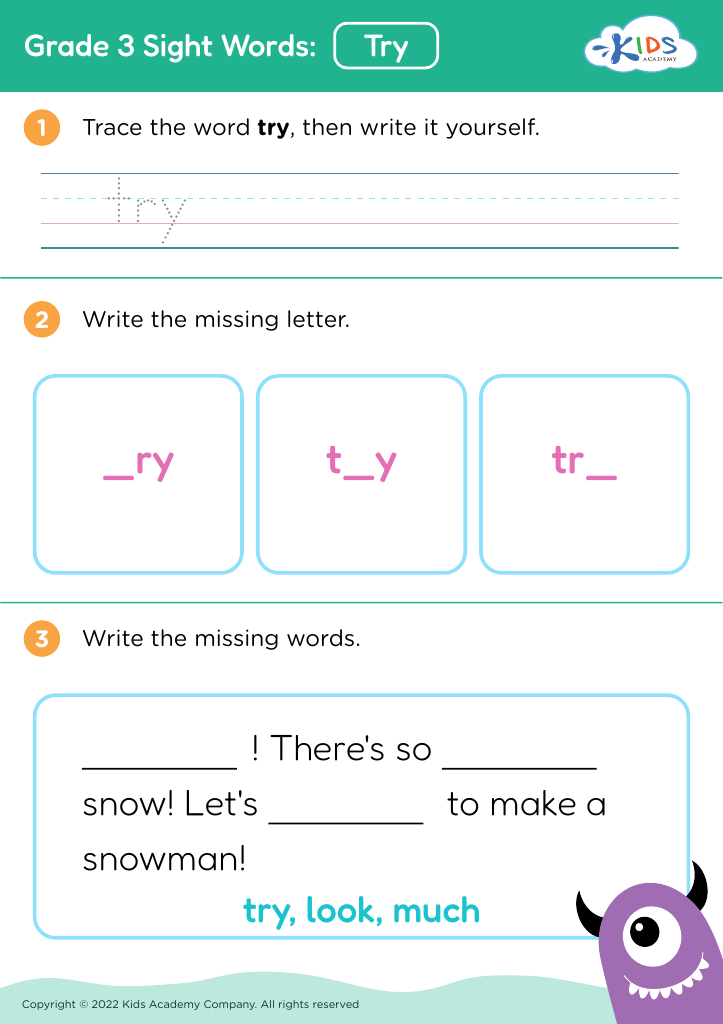
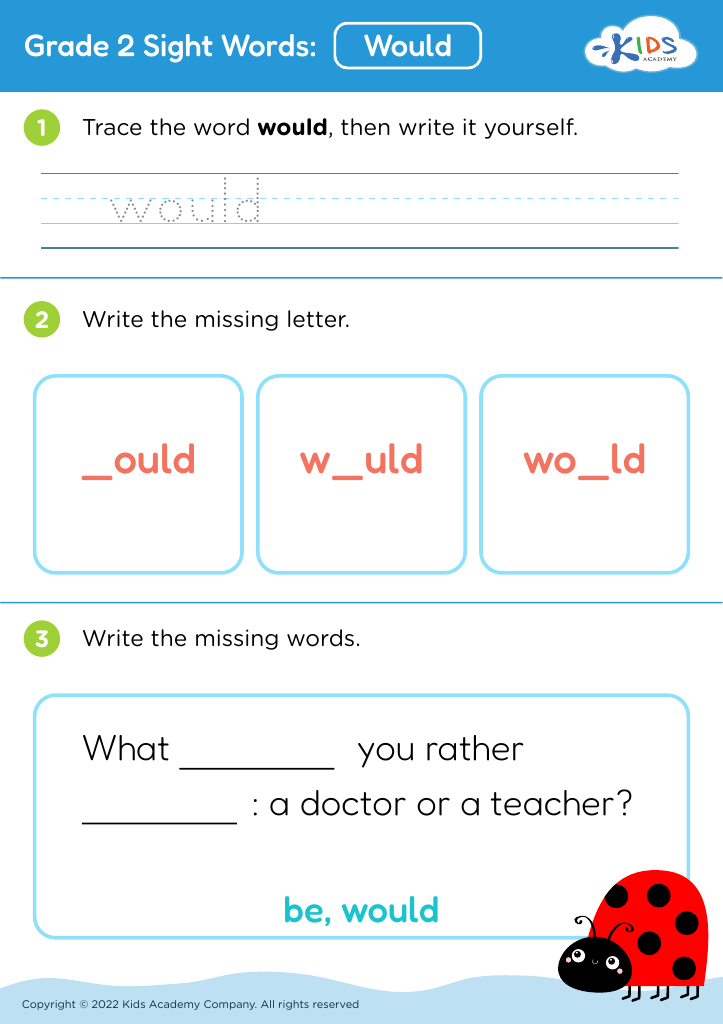
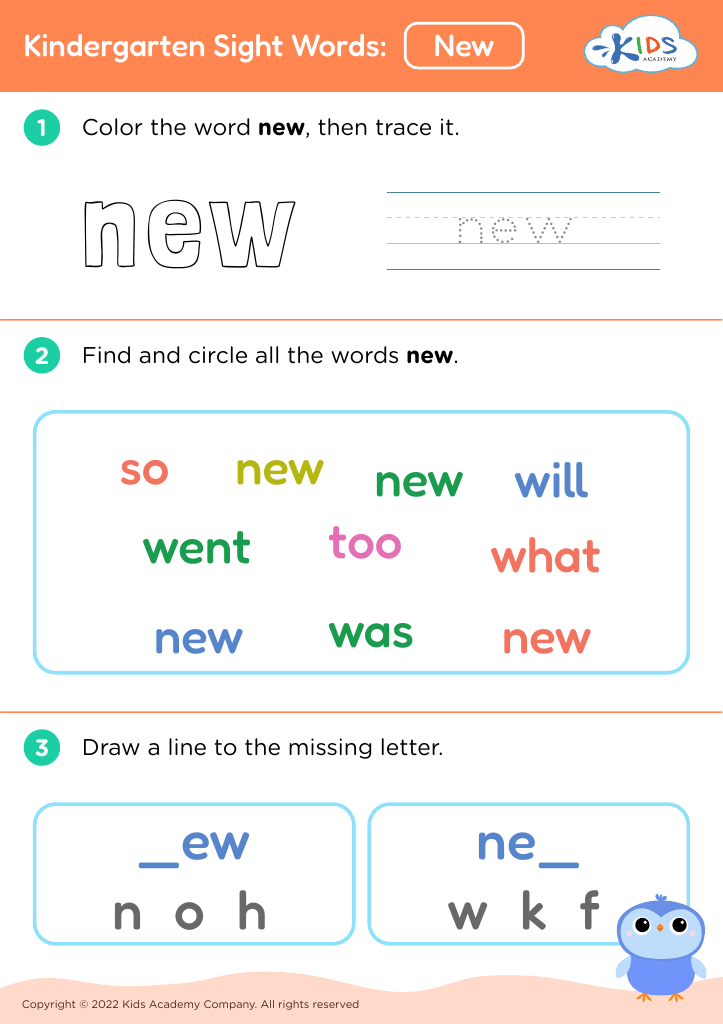








Color recognition is an essential skill for children aged 4-9, and parents and teachers should prioritize it for several reasons. First, recognizing colors enhances cognitive development as children learn to categorize and differentiate between objects in their environment. This foundational skill supports early learning in areas such as reading, math, and science.
Moreover, color recognition contributes to language development. As children learn names and descriptions of colors, they expand their vocabulary and improve their communication skills. Engaging in conversations about colors promotes dialogue and encourages expressive language, fostering overall literacy.
Additionally, color knowledge is crucial for social-emotional development. Children use colors to express their feelings and preferences, which helps them understand and convey emotions effectively. Engaging with colors in art and play enhances creativity, allowing children to explore their individual expression.
In the academic realm, early mastery of colors prepares children for more complex concepts, like color theory in art and understanding mapping and graphs in math. By supporting color recognition, parents and teachers help build a solid foundation for learning and growth across multiple domains, ensuring that children are better equipped for a successful educational journey.








