Comparing quantities Worksheets for Ages 4-9
16 filtered results
-
From - To
Discover our engaging Comparing Quantities Worksheets designed for children ages 4 to 9! These worksheets provide an exciting way for young learners to develop essential math skills by comparing different quantities, enhancing their understanding of more, less, and equal concepts. Our carefully crafted activities foster critical thinking while making learning fun and interactive. Perfect for at-home practice or classroom use, these resources support early mathematics development and help build a strong foundation for future learning. Whether your child is just starting out or looking to reinforce their skills, our Comparing Quantities Worksheets make learning enjoyable and effective!
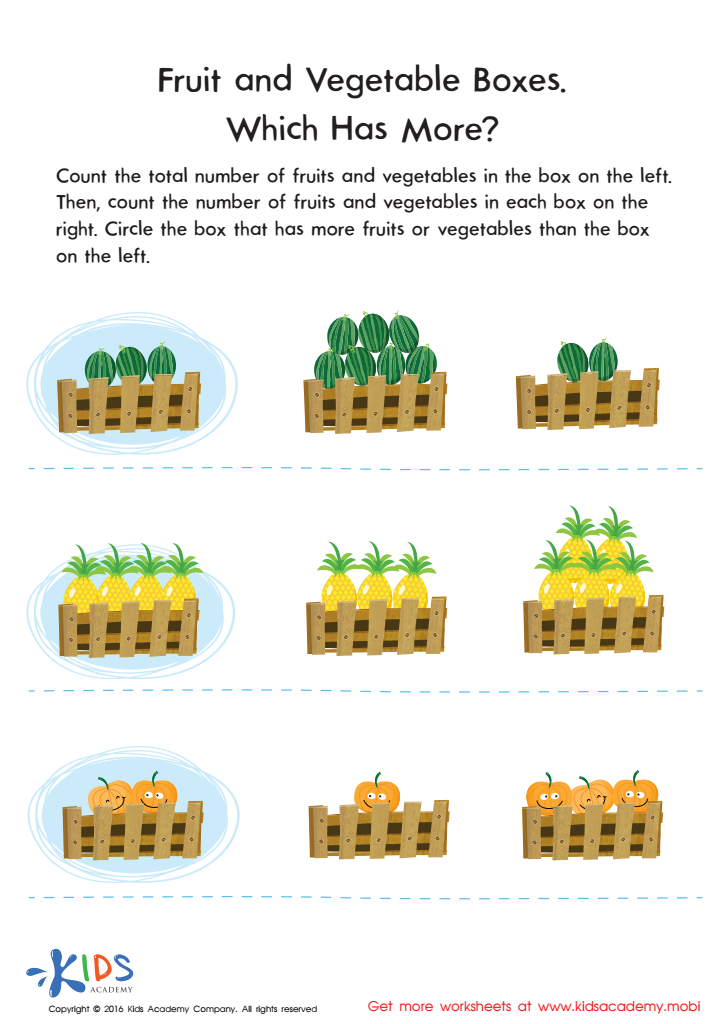
Which Has More? Size Worksheet
 Assign to My Students
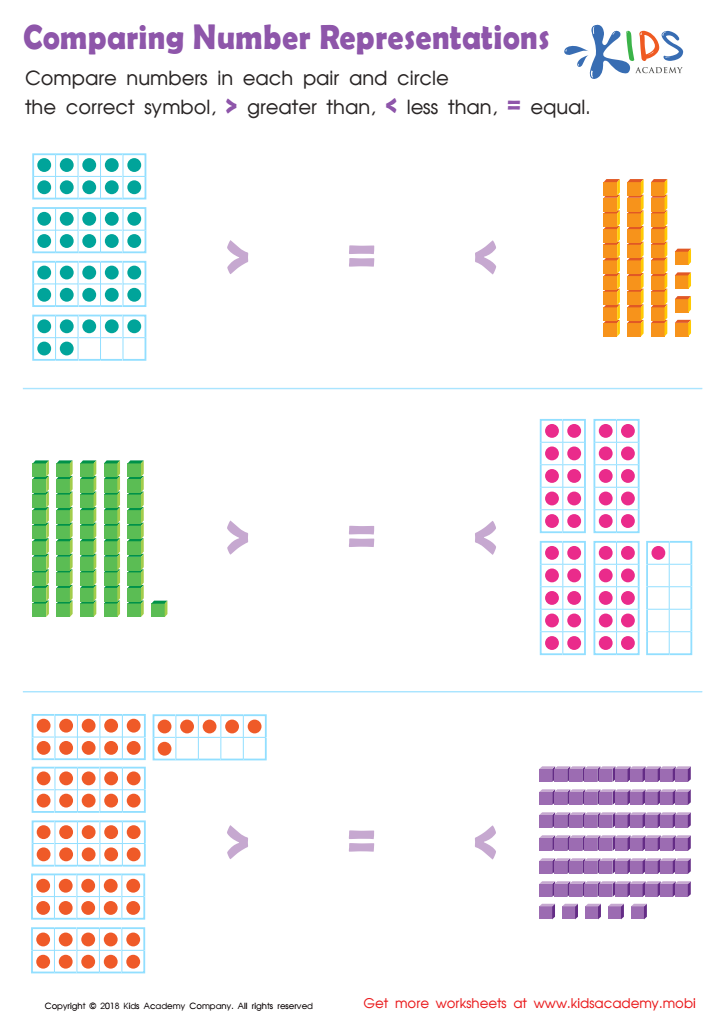
Comparing Number Representations Worksheet
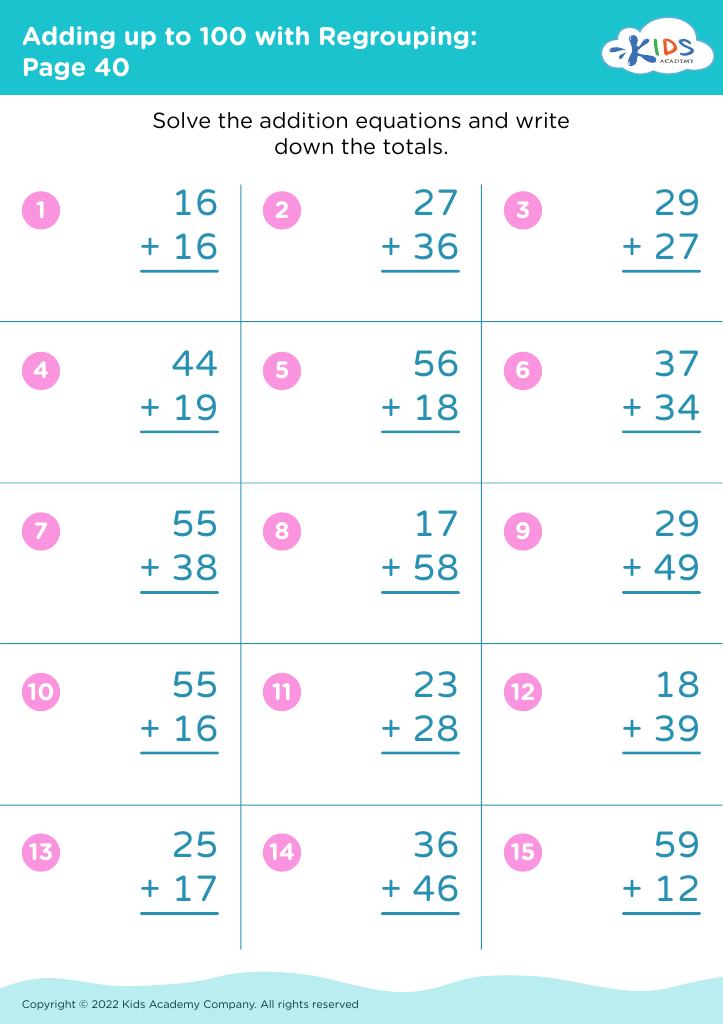
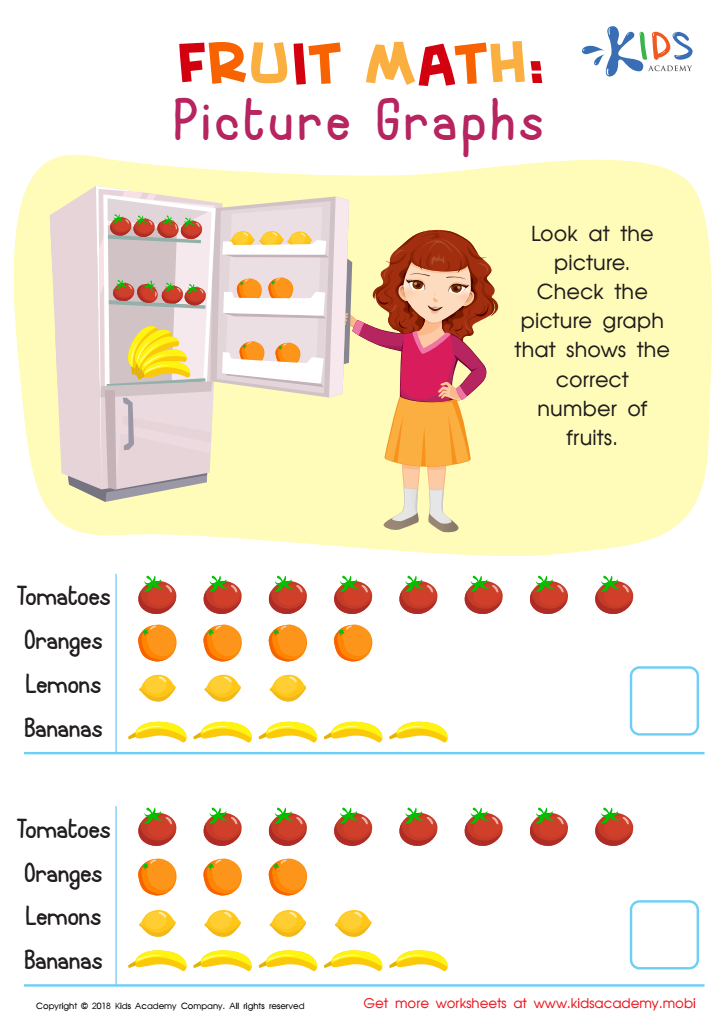
Fruit Math: Picture Graphs Worksheet
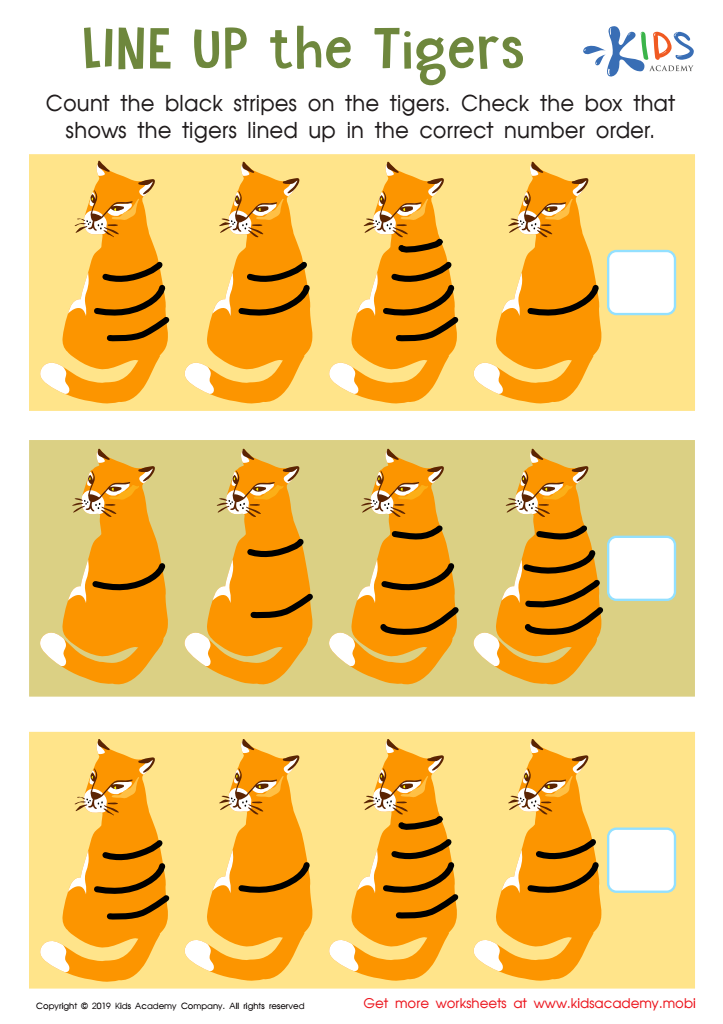
Line up the Tigers Worksheet
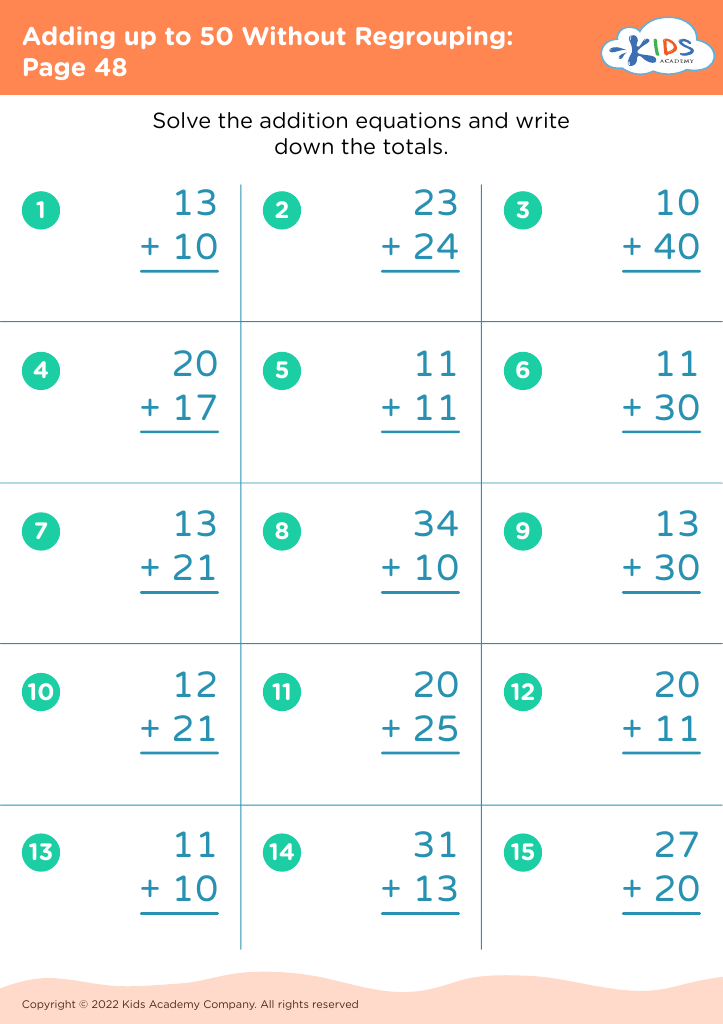
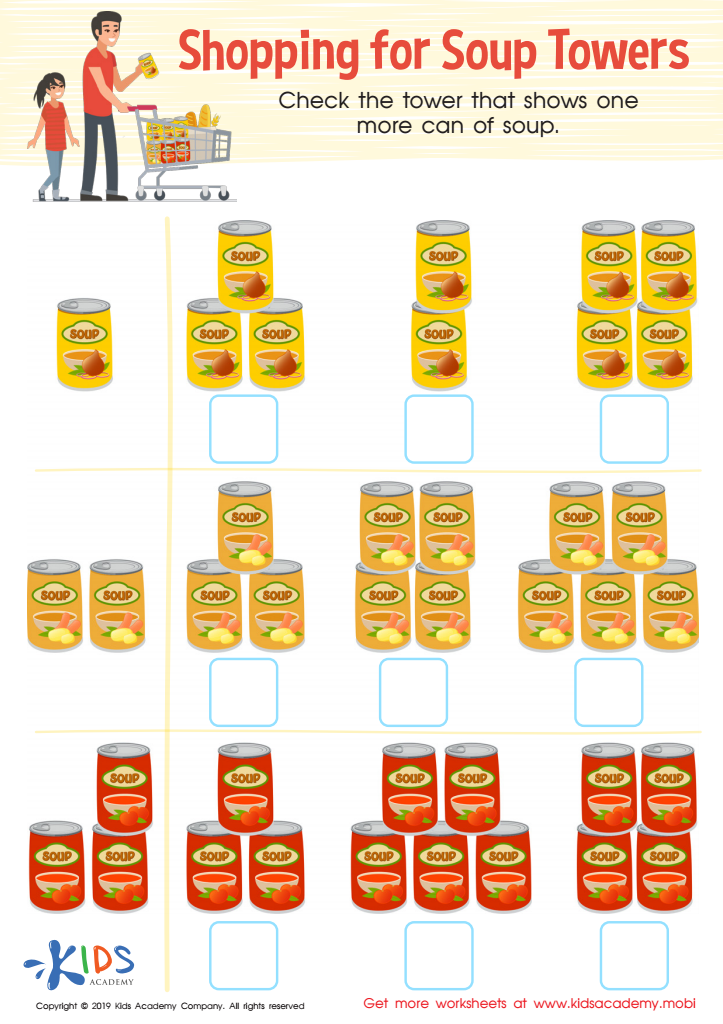
Soup Towers Worksheet
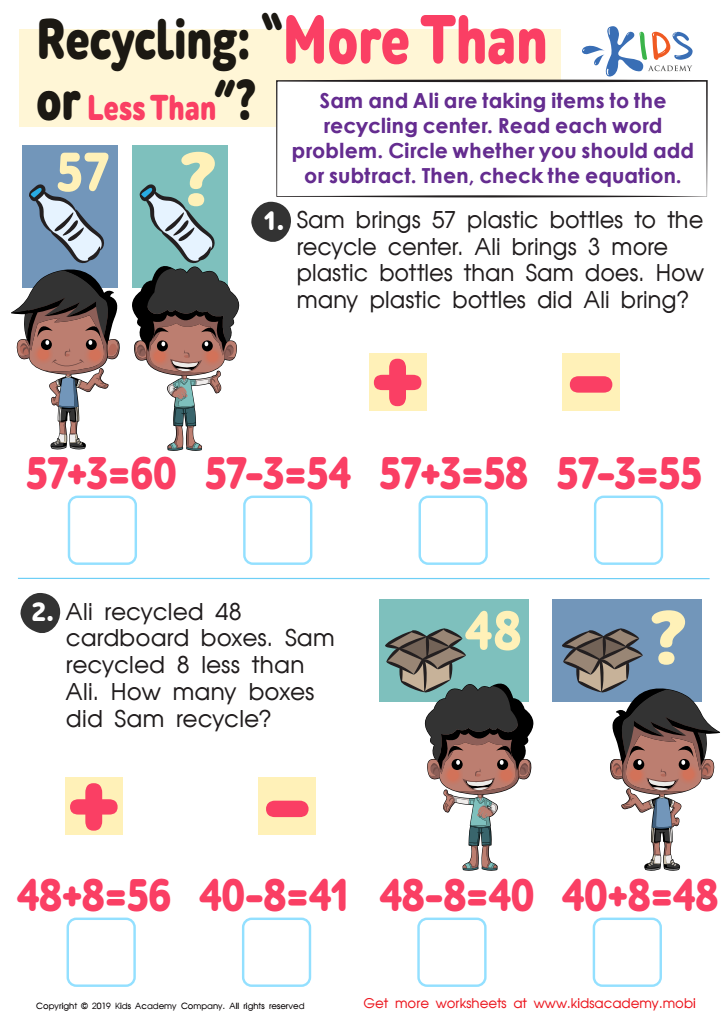
Recycling - More or Less Worksheet
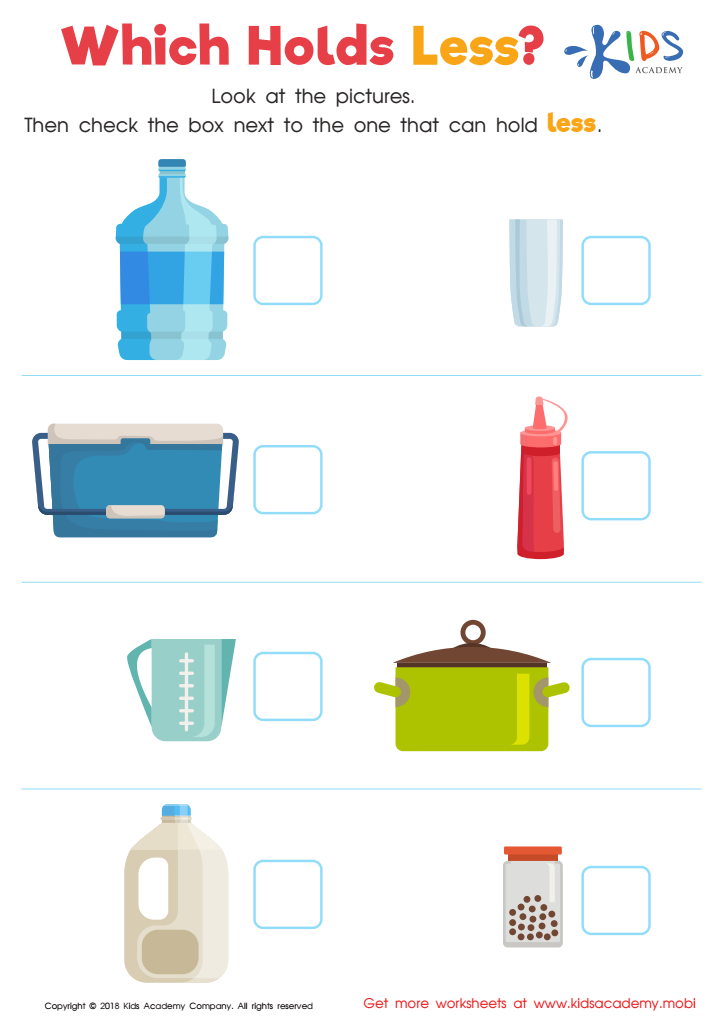
Which Holds Less? Worksheet


%20(1).jpg)




Comparing quantities is an essential skill for children aged 4-9, laying a strong foundation for their mathematical understanding and critical thinking. This age range is crucial for cognitive development, and parents and teachers should care because it fosters numerical literacy and helps children make sense of the world around them.
By learning to compare quantities, children develop skills such as identifying more or less, understanding greater and lesser values, and grasping the concept of equals. These skills are fundamental in everyday scenarios, from sharing snacks to understanding time or money, enhancing their problem-solving abilities.
Additionally, comparisons reinforce logical reasoning; as children discuss and analyze different quantities, they cultivate their argumentative skills and boost their cognitive growth. This process also encourages collaborative learning, promoting communication skills as children work together to solve problems.
Moreover, engaging in activities related to quantity comparison can be fun and interactive. This helps develop a positive attitude towards math, reducing anxiety about the subject later in life. The ability to compare quantities not only builds a critical mathematical skill set but also encourages a growth mindset, fostering persistence and resilience in young learners. Parents and teachers play a pivotal role in guiding them through this vital learning process.








