Critical thinking skills Worksheets for Ages 4-9 - Page 2
41 filtered results
-
From - To
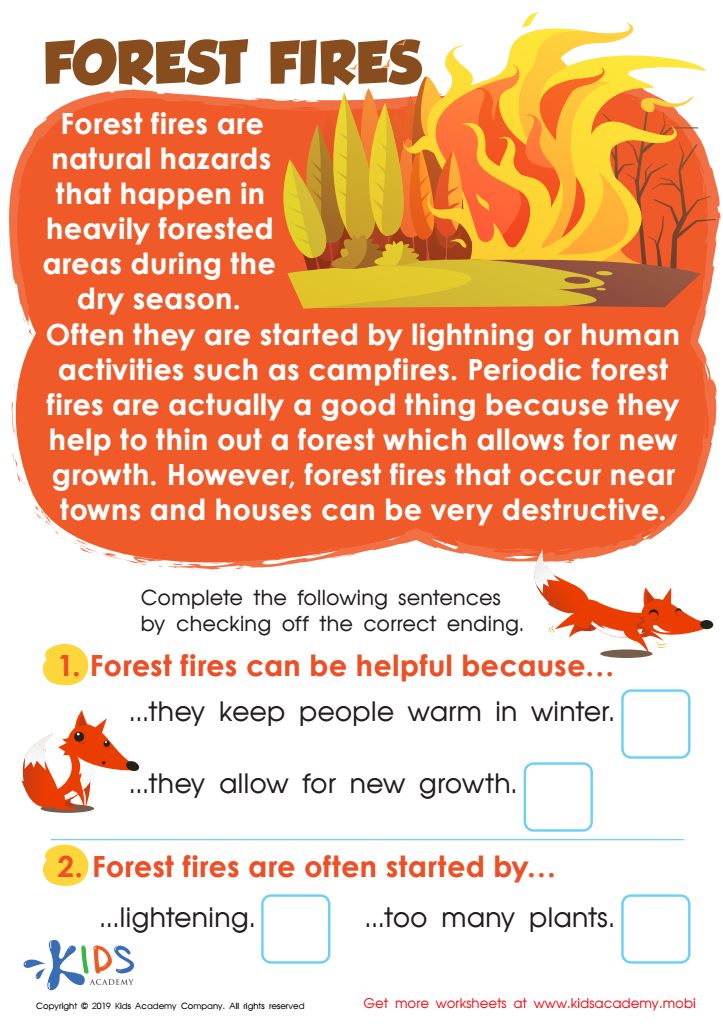
Forest Fires Worksheet
 Assign to My Students
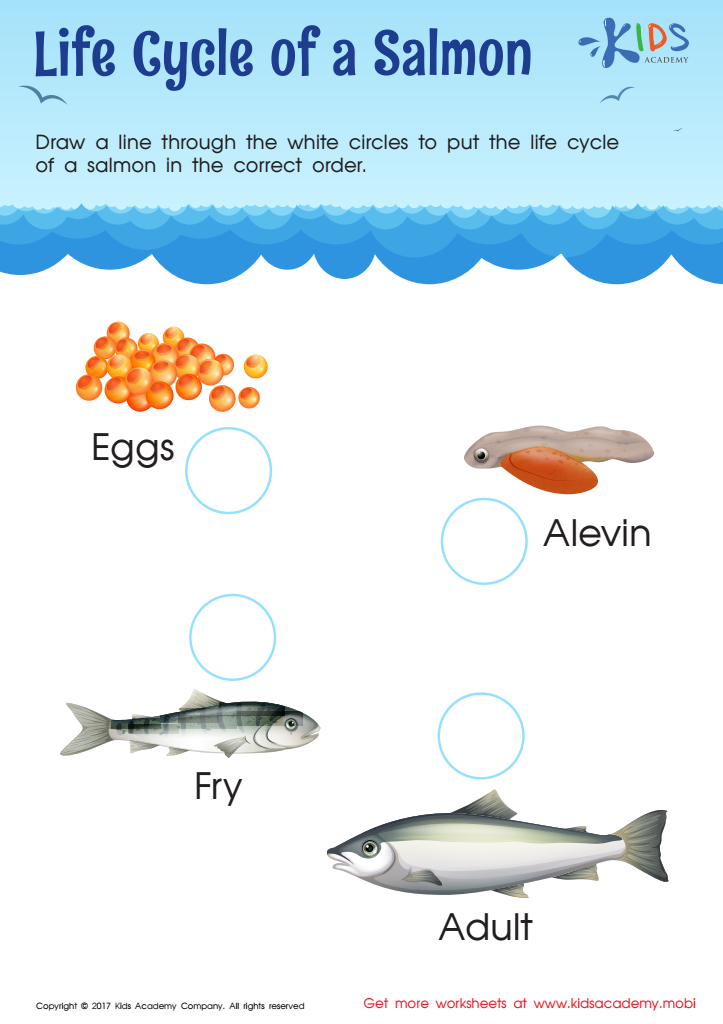
Cycle Of Salmon Worksheet
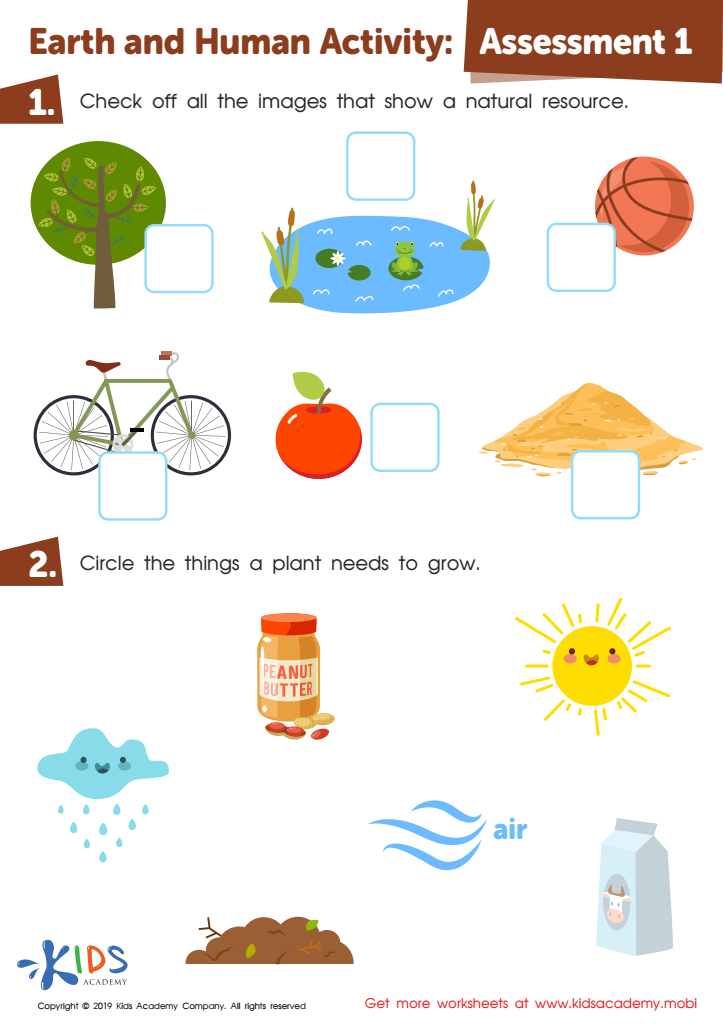
Earth and Human Activity: Assessment 1 Worksheet
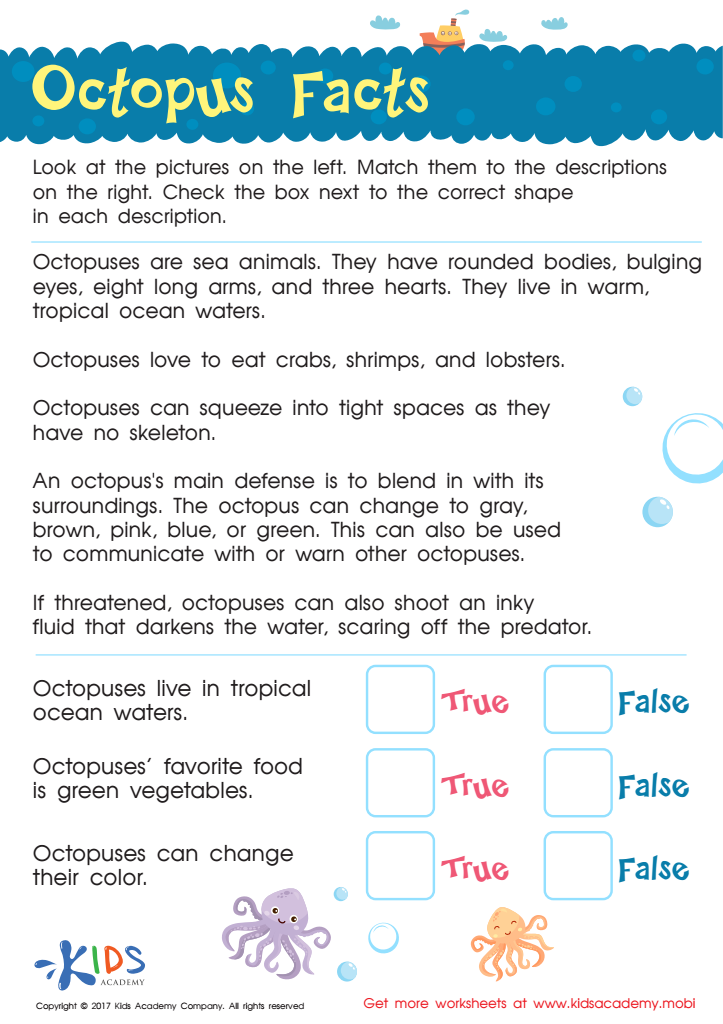
Octopus Facts Worksheet For Kids
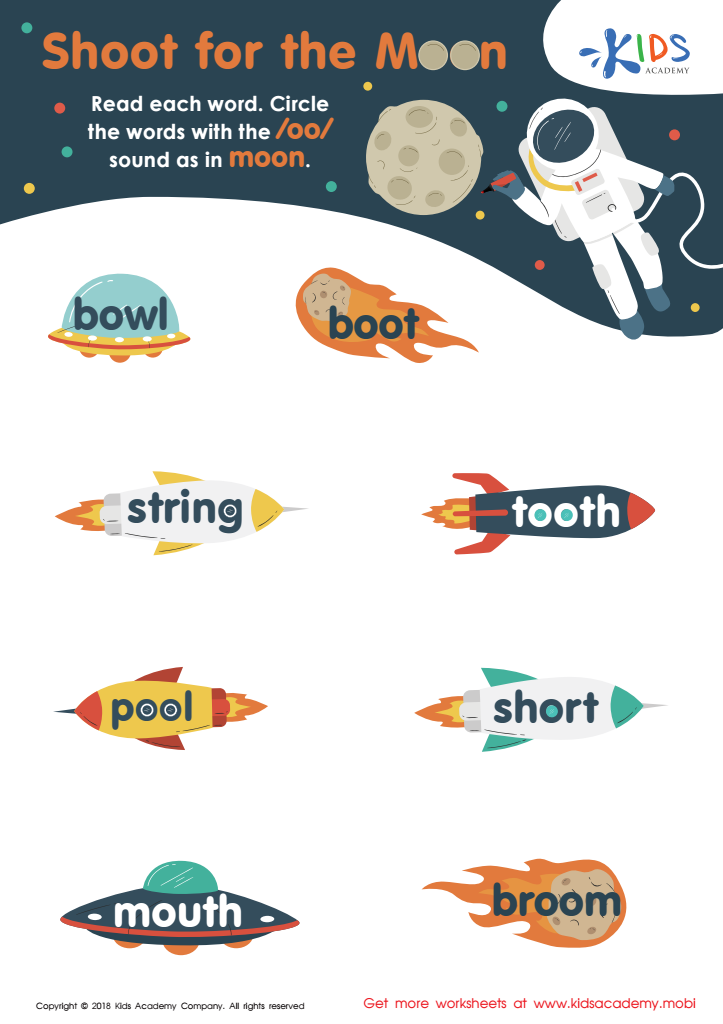
Reading: Shoot for the Moon Worksheet
The Three Little Pigs Worksheet
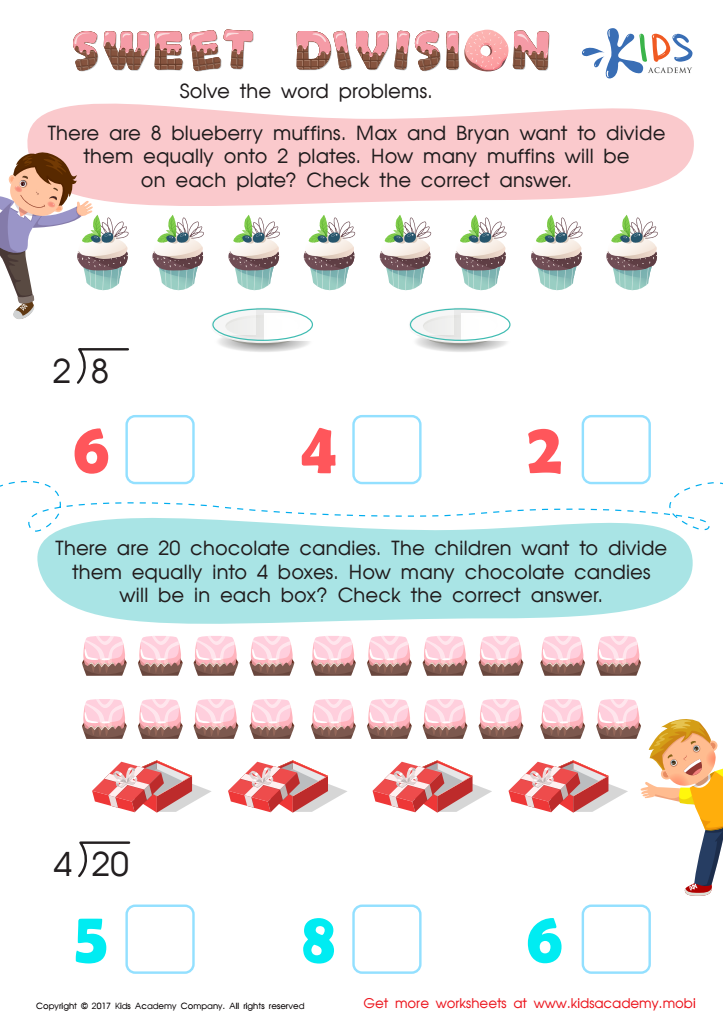
Division Word Problems Worksheet
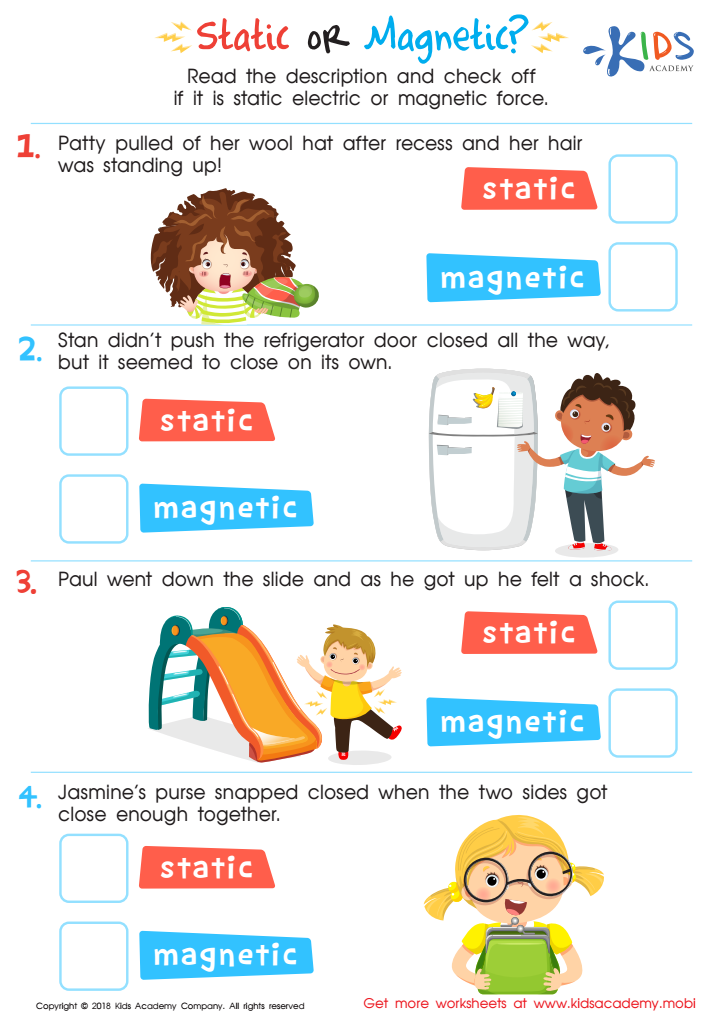
Static or Magnetic Printable Worksheet
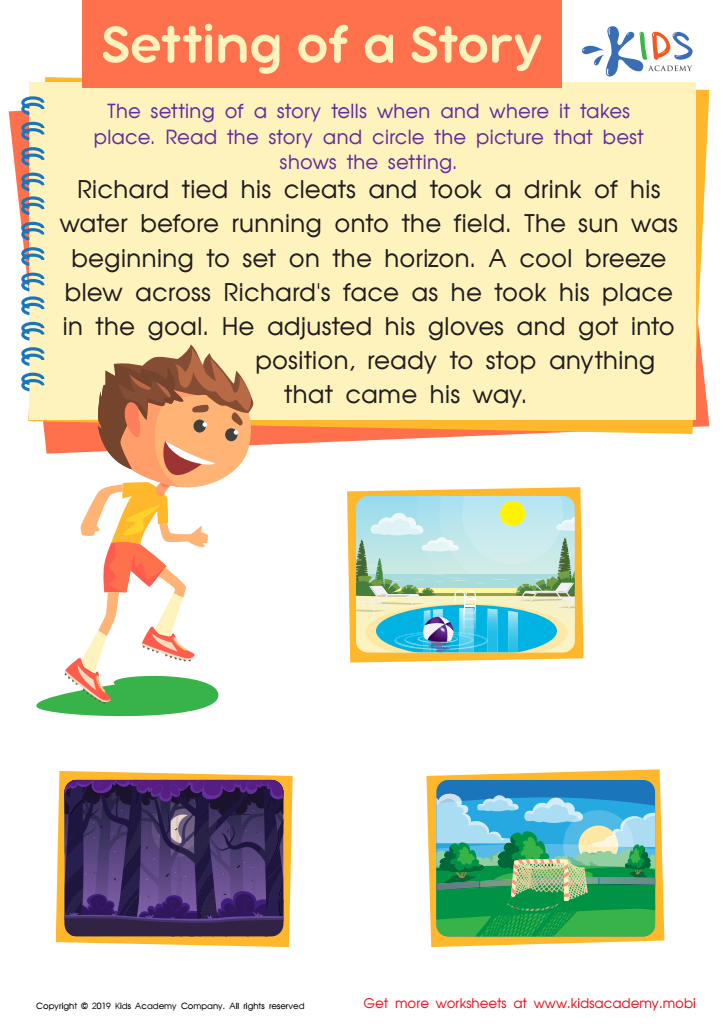
Setting of a Story Worksheet
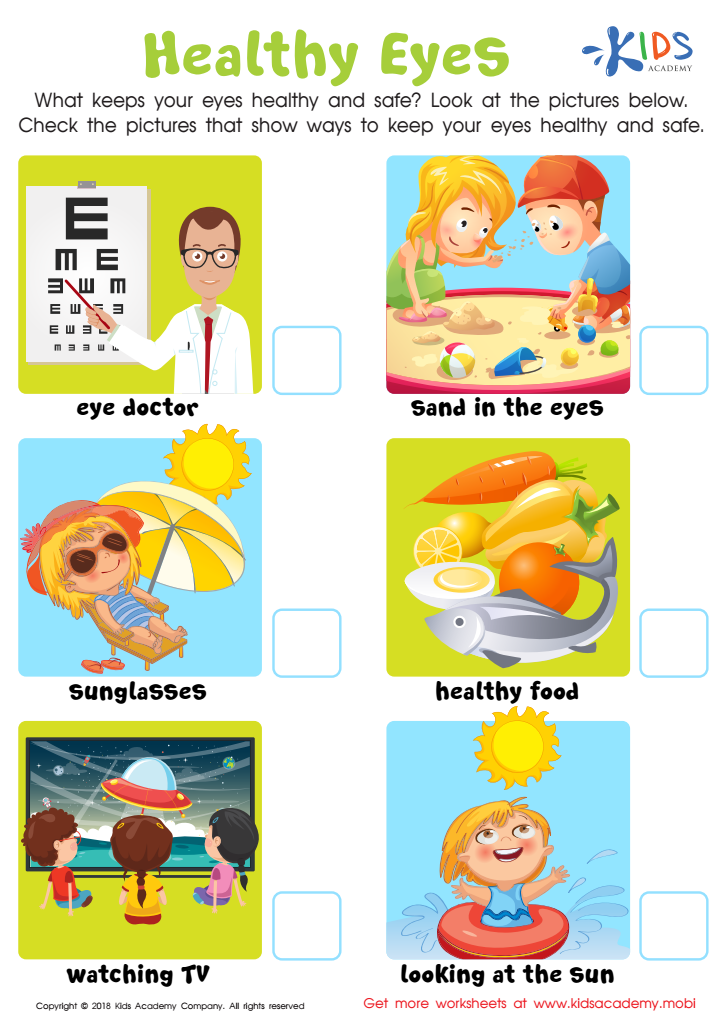
Healthy Eyes Worksheet
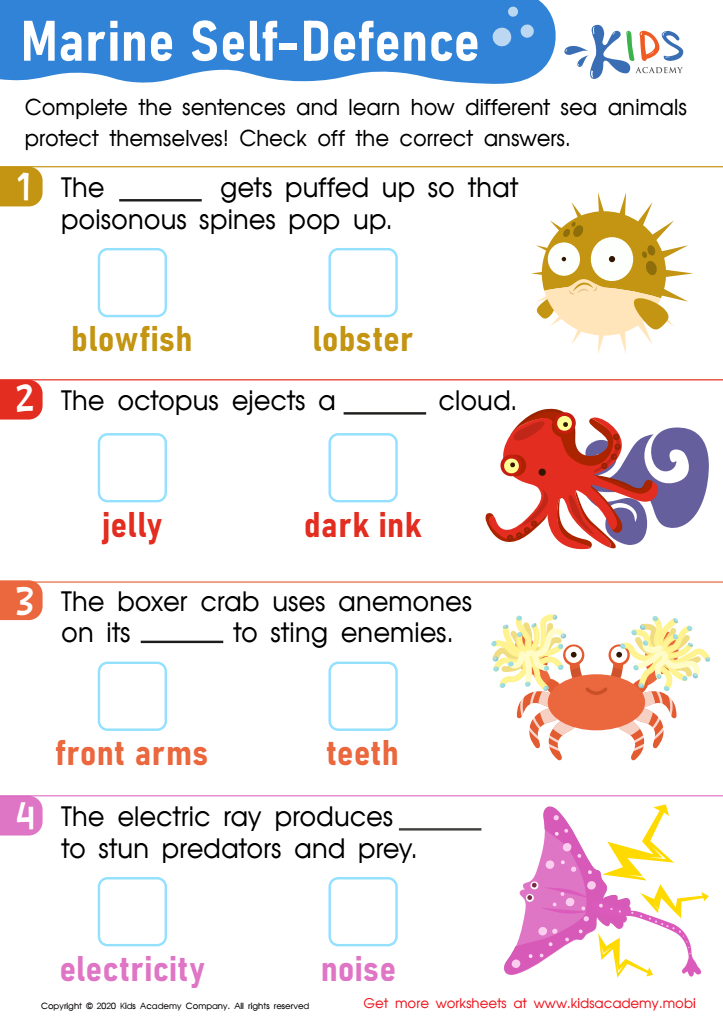
Marine Self-Defence Worksheet
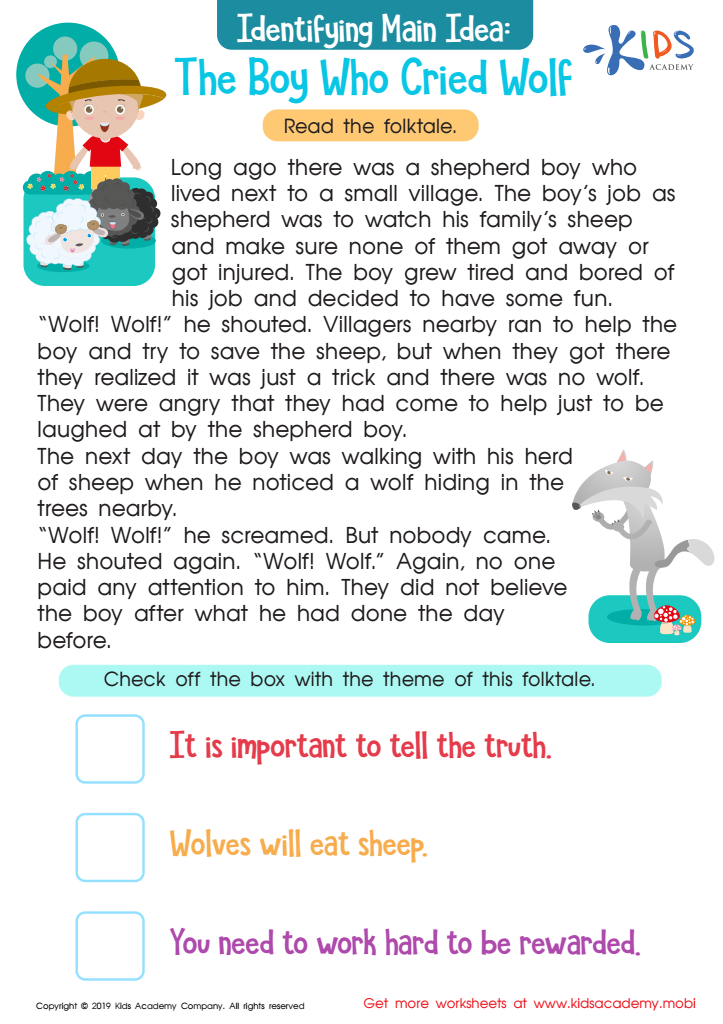
The Boy Who Cried Wolf Part 2 Worksheet
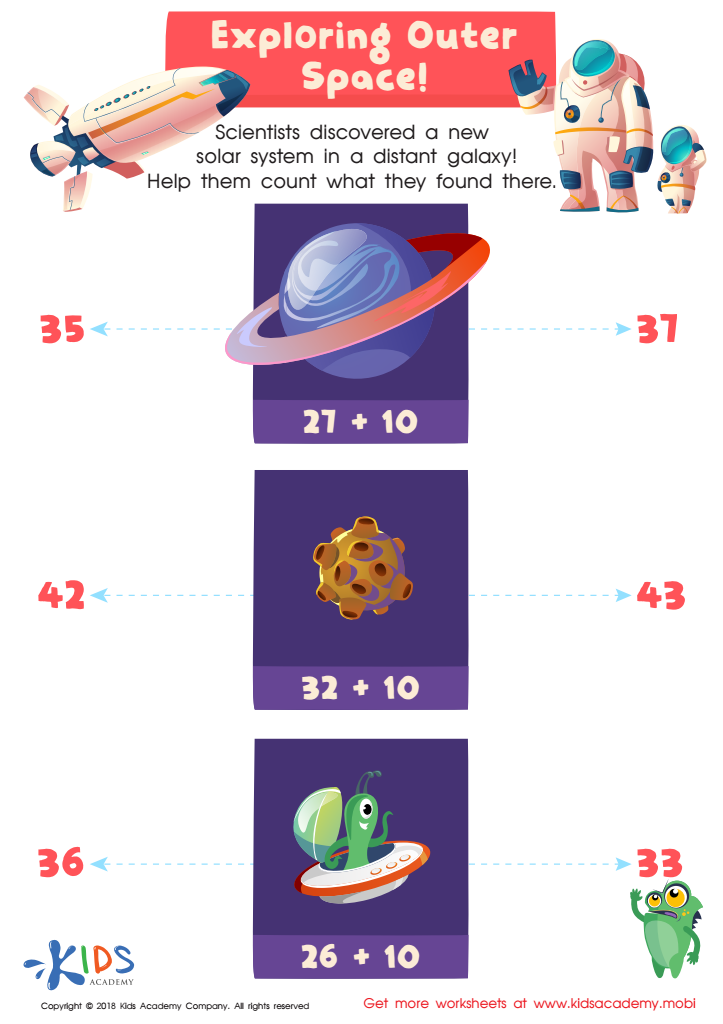
Exploring Outer Space Worksheet
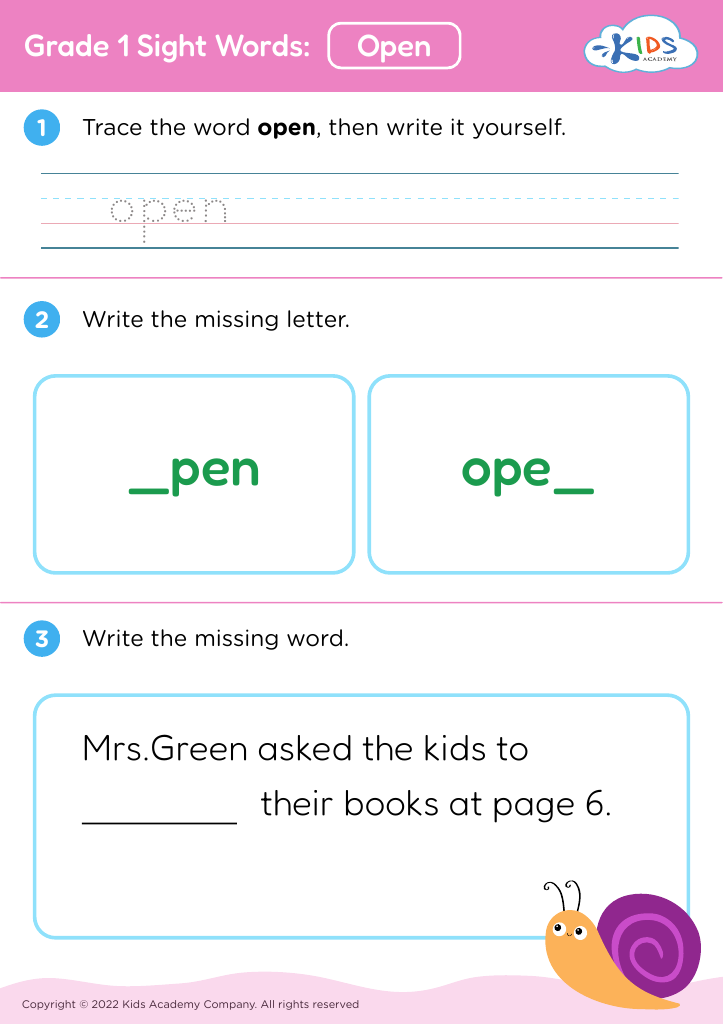
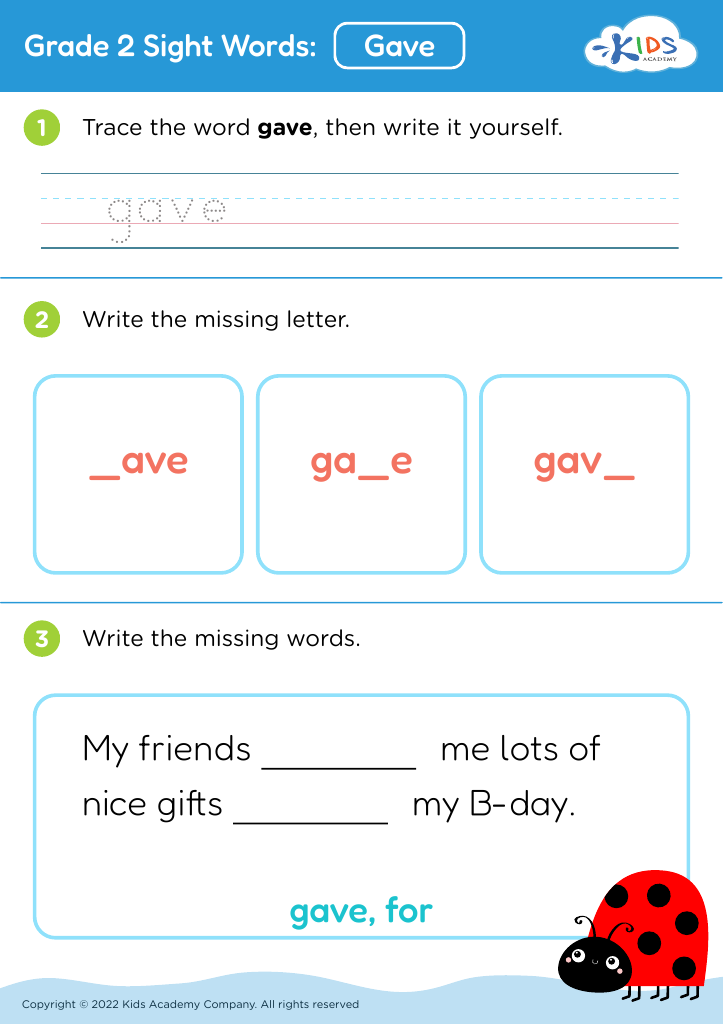
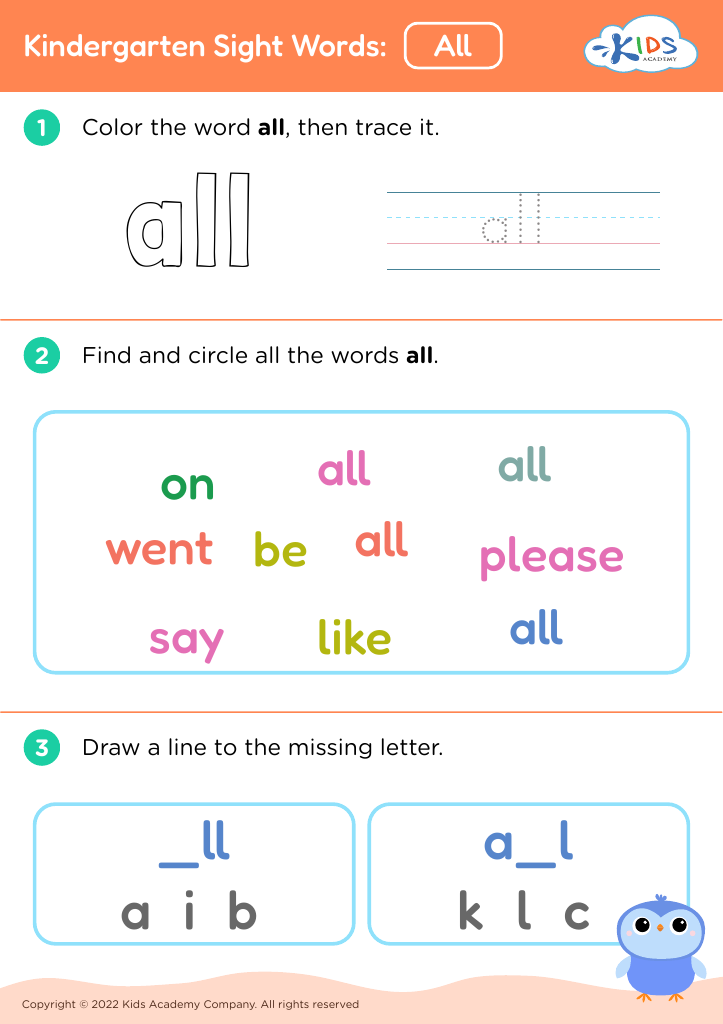








Critical thinking skills are crucial for children aged 4-9 because they lay the foundation for lifelong learning and problem-solving abilities. During these formative years, young minds are exceptionally receptive to learning new concepts and ways of thinking. Encouraging critical thinking helps children develop essential skills such as reasoning, analysis, and evaluation. These abilities not only empower them to understand their world better but also foster independence, creativity, and informed decision-making.
In the classroom and at home, critical thinking cultivates curiosity and enhances children’s ability to understand and relate to complex concepts. This early engagement with critical thinking can lead to improved academic performance, as kids learn to question, reflect, and synthesize information rather than simply memorize it. For instance, a child practicing critical thinking might approach a math problem with various strategies, eventually understanding the ‘why’ behind the steps, rather than just the ‘how.’
Moreover, these skills are invaluable for navigating social interactions. Critical thinking helps kids understand different perspectives, fostering empathy and effective communication. This capacity for perspective-taking can reduce conflicts and enhance collaborative play, which are vital aspects of social development.
Thus, by nurturing critical thinking skills from a young age, parents and teachers can help children grow into thoughtful, adept individuals prepared for the myriad challenges and opportunities life presents.








