Cultural awareness Worksheets for Ages 4-9 - Page 2
29 filtered results
-
From - To
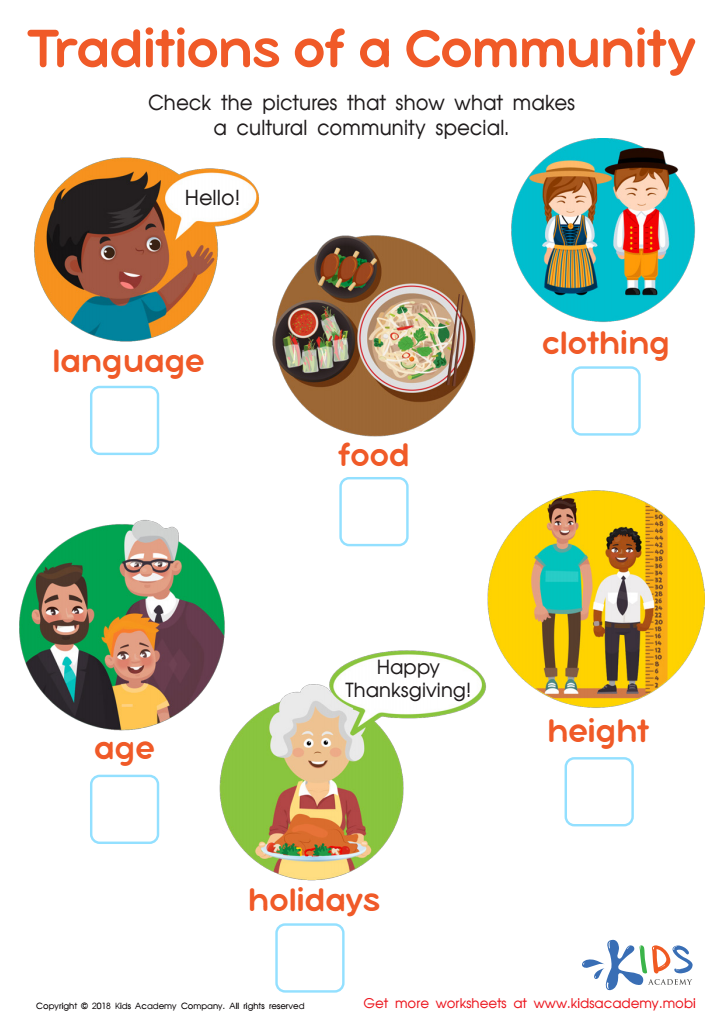
Traditions of a Community Worksheet
 Assign to My Students
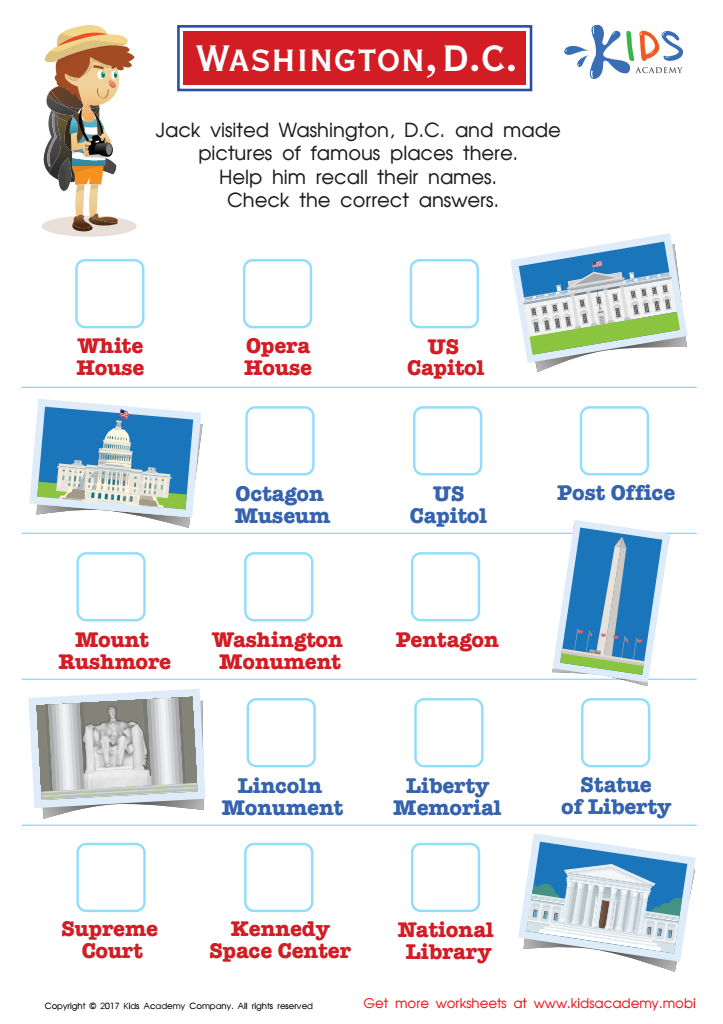
Washington D.C. Printable Worksheet
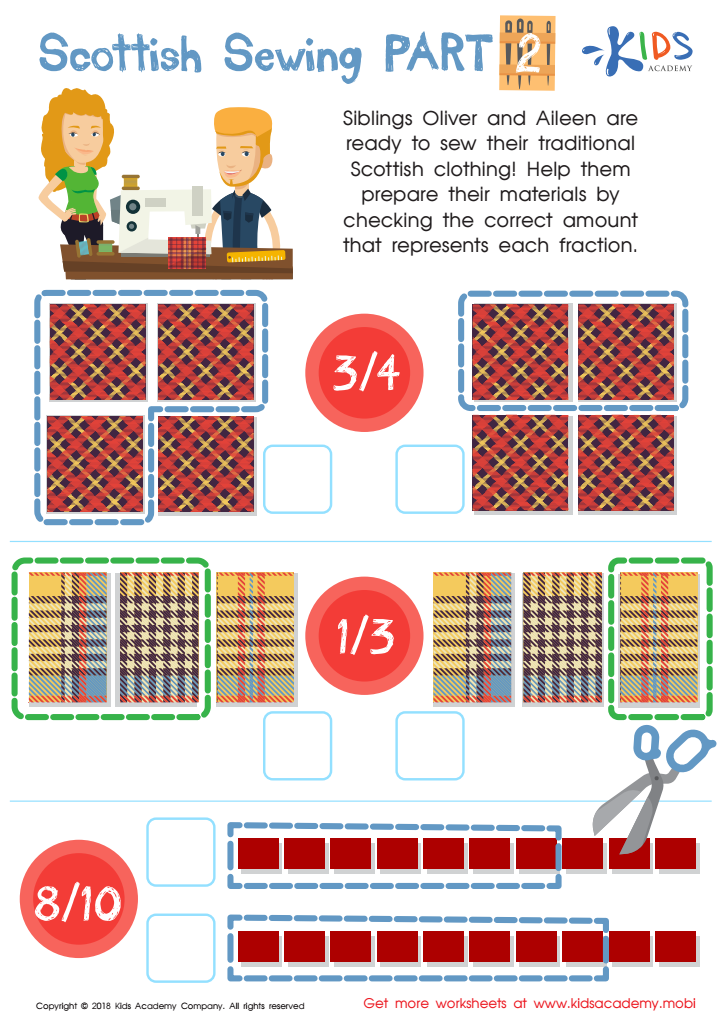
Scottish Sewing Part 2 Worksheet
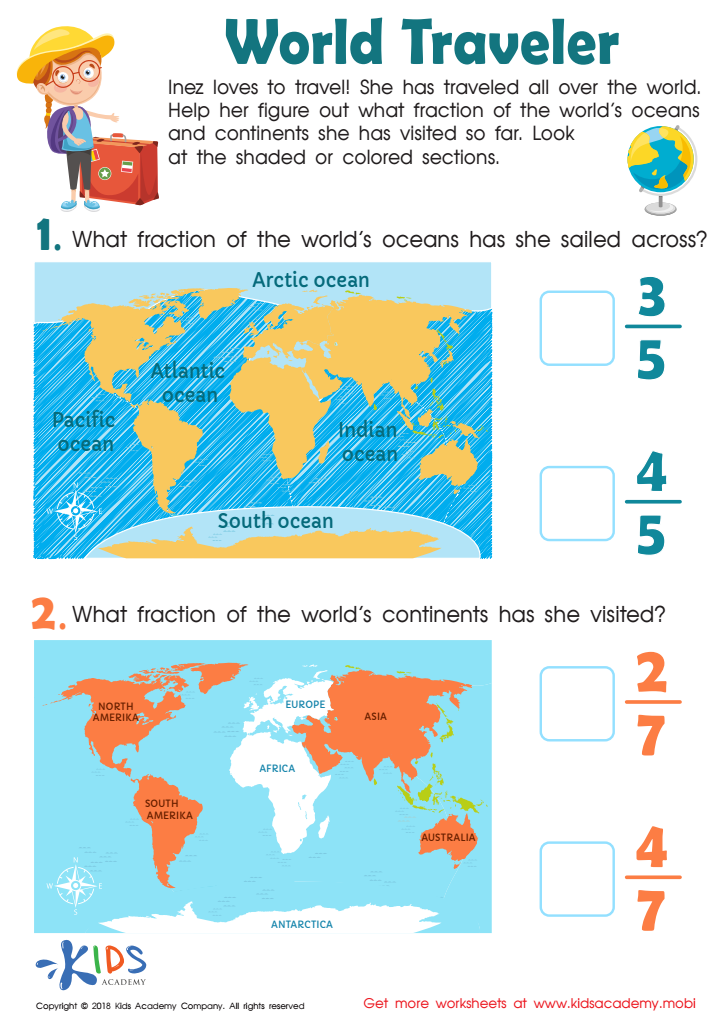
World Traveler Worksheet



.jpg)

.jpg)
Cultural awareness is crucial for children aged 4-9 as it lays the foundation for empathy, understanding, and respect for diversity. At this developmental stage, children are highly impressionable and open to learning about the world around them. By fostering cultural awareness, parents and teachers can help children appreciate differences in customs, languages, and traditions, which enriches their emotional and social development.
When children learn about various cultures, they become more accepting of others, reducing the likelihood of prejudice and bias. This inclusive mindset nurtures a sense of belonging for all students, making the classroom a safer and more welcoming space. Additionally, cultural awareness can enhance communication skills, as children learn to express themselves thoughtfully and respectfully around peers from diverse backgrounds.
Integrating cultural lessons into everyday activities—through stories, music, art, and discussions—can make learning engaging and real. As future global citizens, children equipped with cultural understanding are more likely to thrive in an interconnected world, demonstrating compassion and collaboration across cultural boundaries. Ultimately, by prioritizing cultural awareness, parents and teachers invest in shaping inclusive and responsible citizens for tomorrow.








