Developing logic skills Worksheets for Ages 4-9
4 filtered results
-
From - To
Unlock your child's potential with our engaging Developing Logic Skills Worksheets designed specifically for ages 4-9. These fun, interactive worksheets help young learners enhance their critical thinking, problem-solving, and reasoning abilities through various activities tailored to their developmental stage. From puzzles and patterns to sorting and classification tasks, each worksheet promotes cognitive growth while keeping children entertained. Our carefully crafted resources ensure that learning logic is enjoyable and effective, setting a strong foundation for future academic success. Explore our collection and empower your child with essential skills that will benefit them throughout their education and beyond!
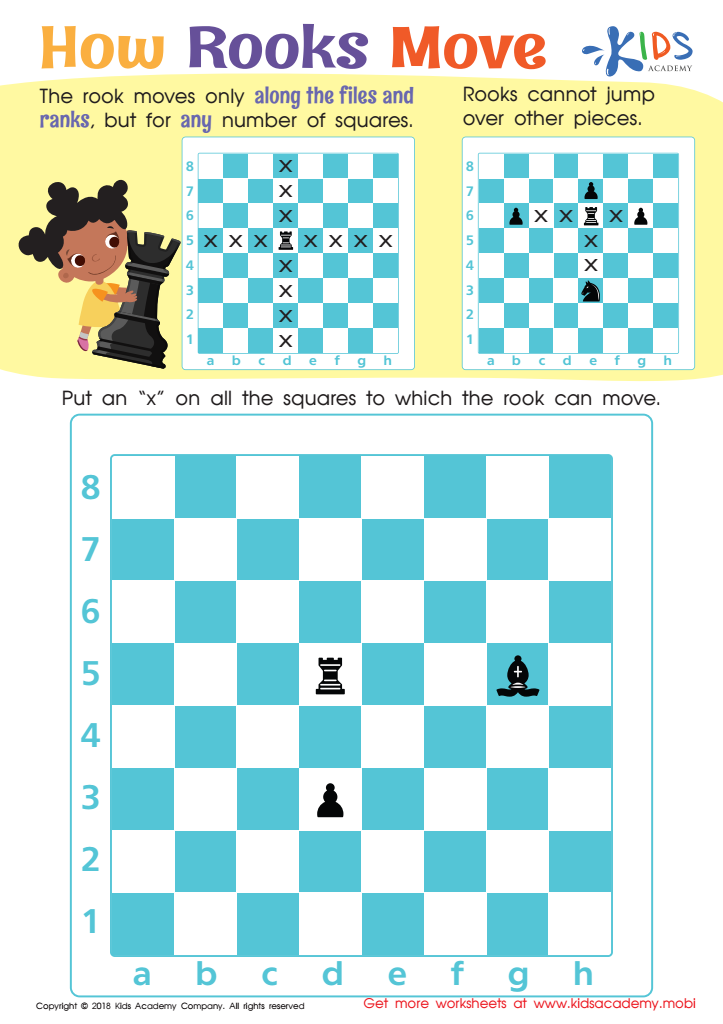
How Rooks Move Worksheet
 Assign to My Students
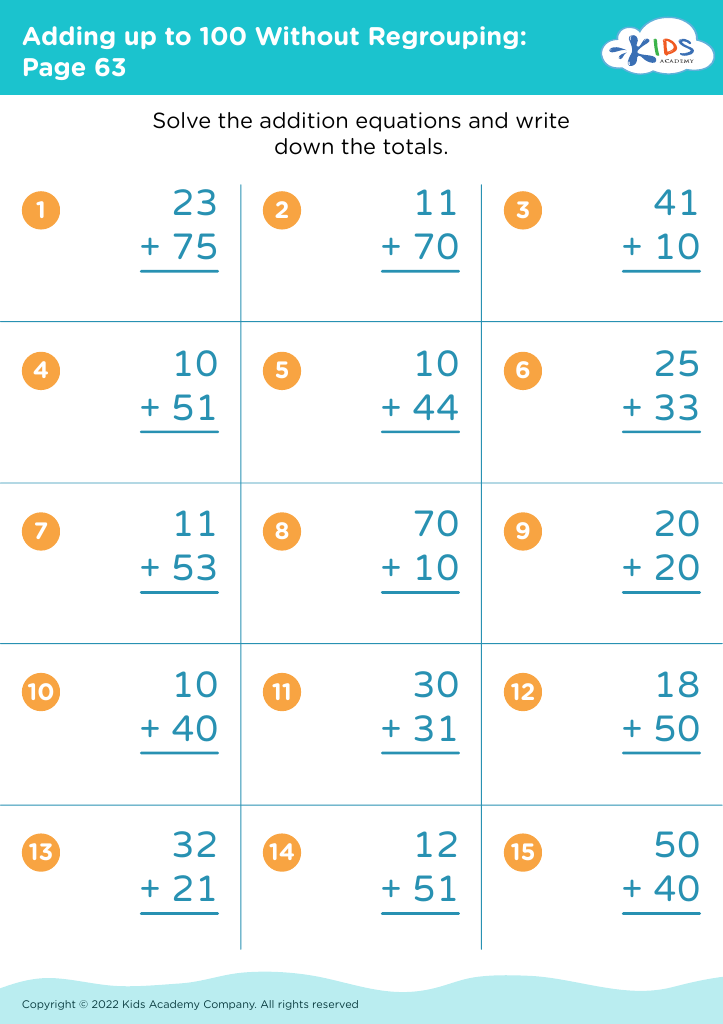
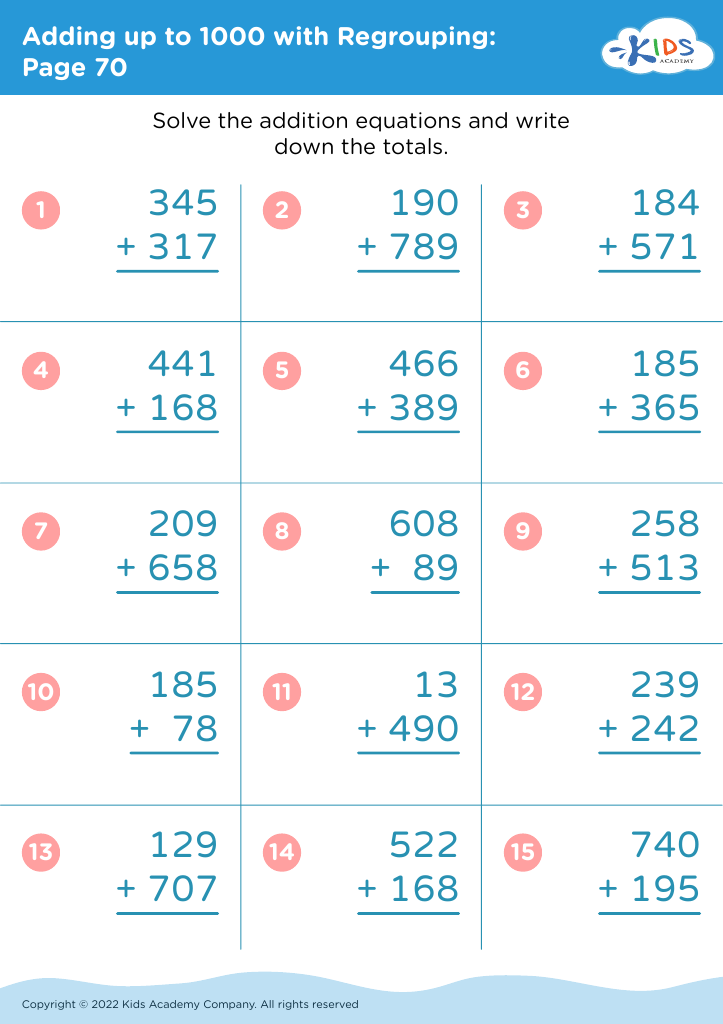
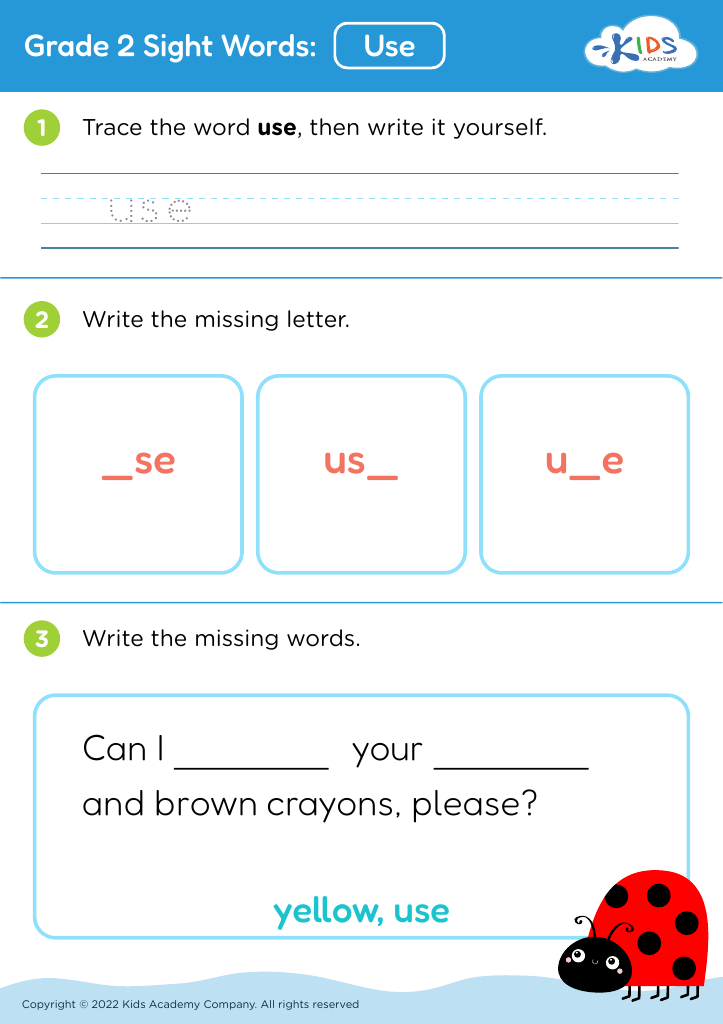






Developing logic skills in children aged 4 to 9 is crucial for their overall cognitive and social development. During these formative years, children are naturally curious and eager to explore the world around them. By fostering logic skills, parents and teachers enhance children's critical thinking abilities, enabling them to make connections and solve problems more effectively.
Logic skills provide a foundation for more complex cognitive functions, such as reasoning, sequencing, and categorization. When children engage in logic games or puzzles, they learn to recognize patterns, analyze situations, and make informed decisions. This practice translates into improved academic performance, particularly in subjects like math and science, which require logical reasoning.
Moreover, developing logic skills aids in social situations. Children learn to understand different perspectives, negotiate, and resolve conflicts. They become better communicators, as they can articulate their thoughts and reasons clearly.
Ultimately, by investing in logic skill development, parents and teachers empower children to become confident thinkers who can navigate challenges with ease. This lays the groundwork for lifelong learning, enabling them to adapt, innovate, and thrive both in and out of the classroom.








