Enhancing Counting Skills Worksheets for Ages 4-9 - Page 2
29 filtered results
-
From - To
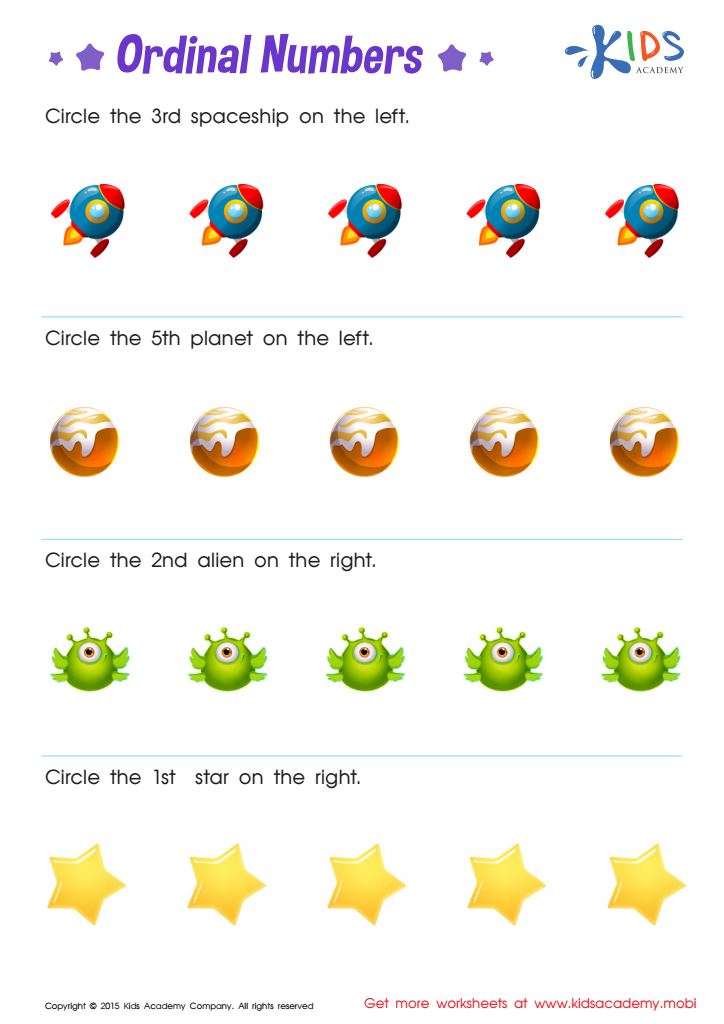
Ordinal Numbers: Space Ordinals Worksheet
 Assign to My Students
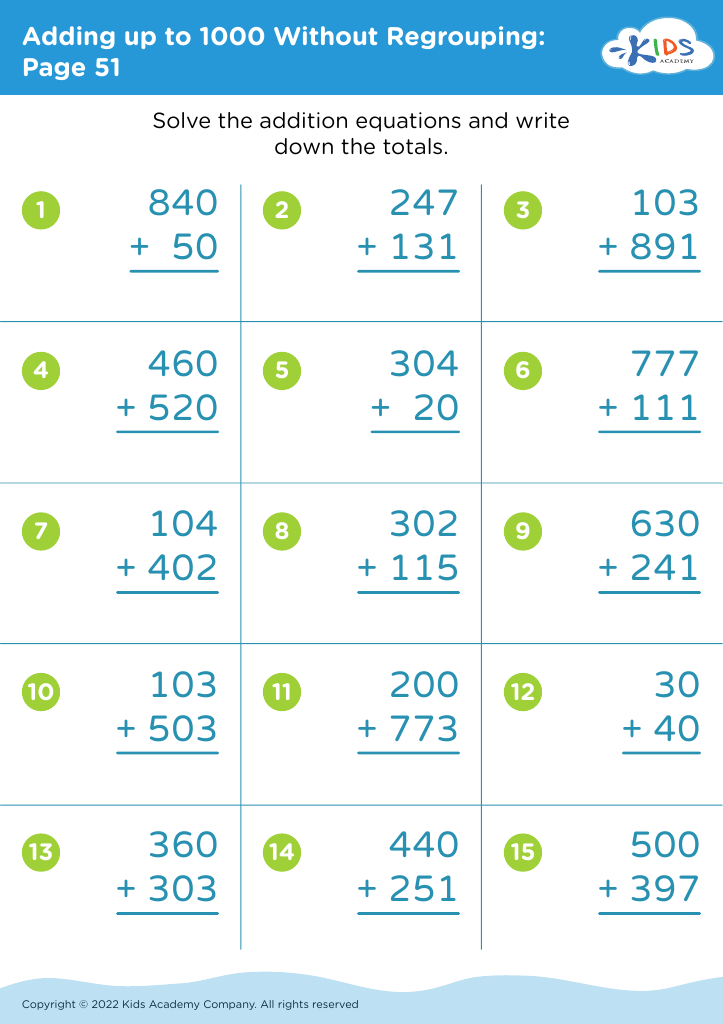
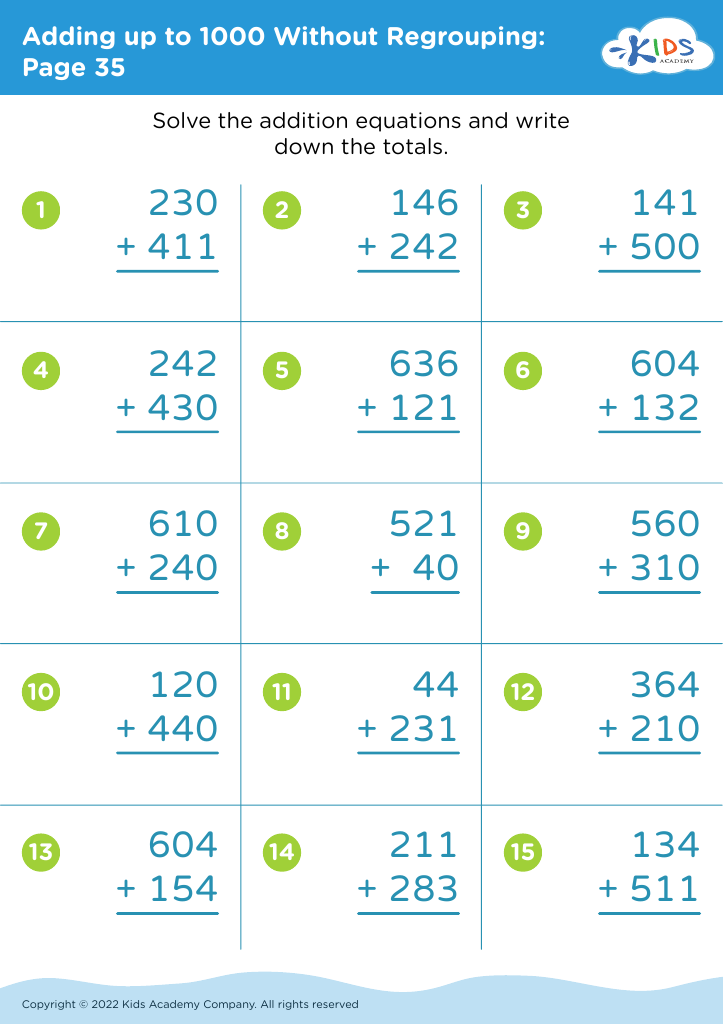
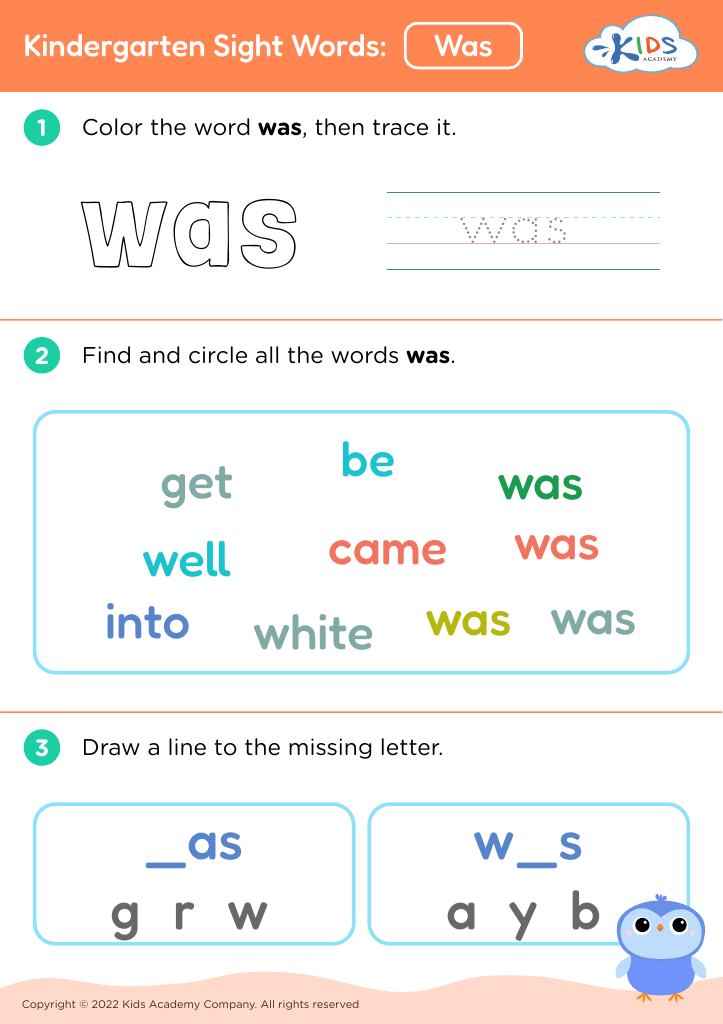








Enhancing counting skills in children aged 4-9 is crucial for their cognitive development and future academic success. Mastering counting provides foundational knowledge for more complex mathematical concepts, fostering a strong number sense that underpins addition, subtraction, and problem-solving. Learning to count also promotes critical thinking and cognitive flexibility, as children learn to relate quantities and make comparisons.
Additionally, engaging with counting activities helps build fine motor skills and hand-eye coordination through manipulative play, such as counting blocks or beads. This process can be both educational and fun, setting the stage for a positive attitude toward learning mathematics in the future.
Moreover, counting is not only a skill used in math but also appears in daily activities, such as organizing games, managing resources, and understanding time. When teachers and parents prioritize counting skills, they actively participate in their children's overall growth, encouraging them to perceive math as an enjoyable and relevant subject.
Lastly, strong counting skills can boost children's confidence, enabling them to participate more vigorously in classroom discussions and collaborative activities, leading to better interpersonal skills and social relationships. Investing time in counting techniques now pays dividends through the children’s continued academic journey and lifelong learning.








