Enhancing number recognition Worksheets for Ages 4-9
4 filtered results
-
From - To
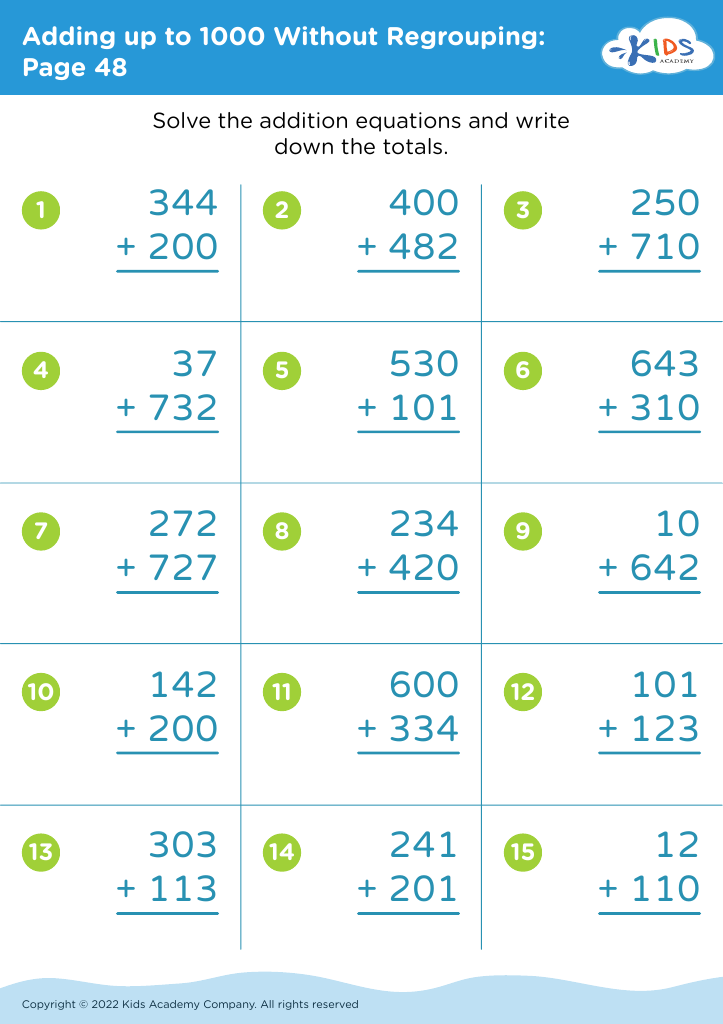
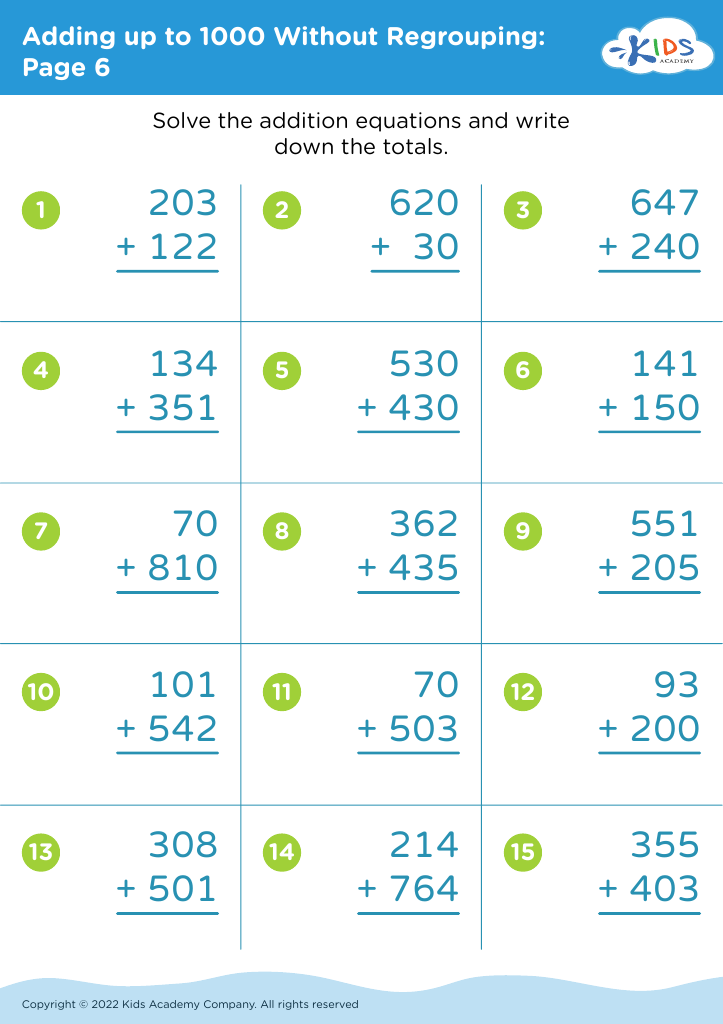
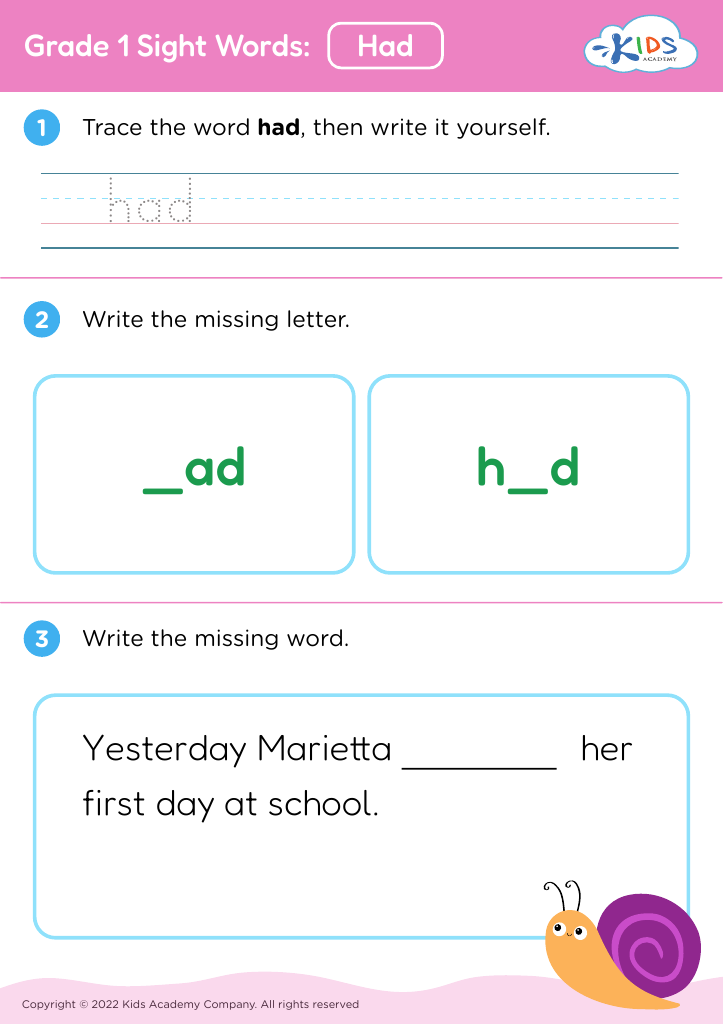
Welcome to our "Enhancing Number Recognition Worksheets" page, designed specifically for children aged 4-9! Our fun, engaging worksheets are crafted to help young learners develop essential number recognition skills in an interactive way. Through colorful activities, tracing exercises, and matching games, kids will master counting and number identification with enjoyment. Ideal for classroom or home learning, these worksheets cater to varying skill levels to ensure every child can participate and thrive. Join us in making math fun and accessible, fostering a love for numbers from an early age. Explore our collection today and watch your child’s confidence grow!
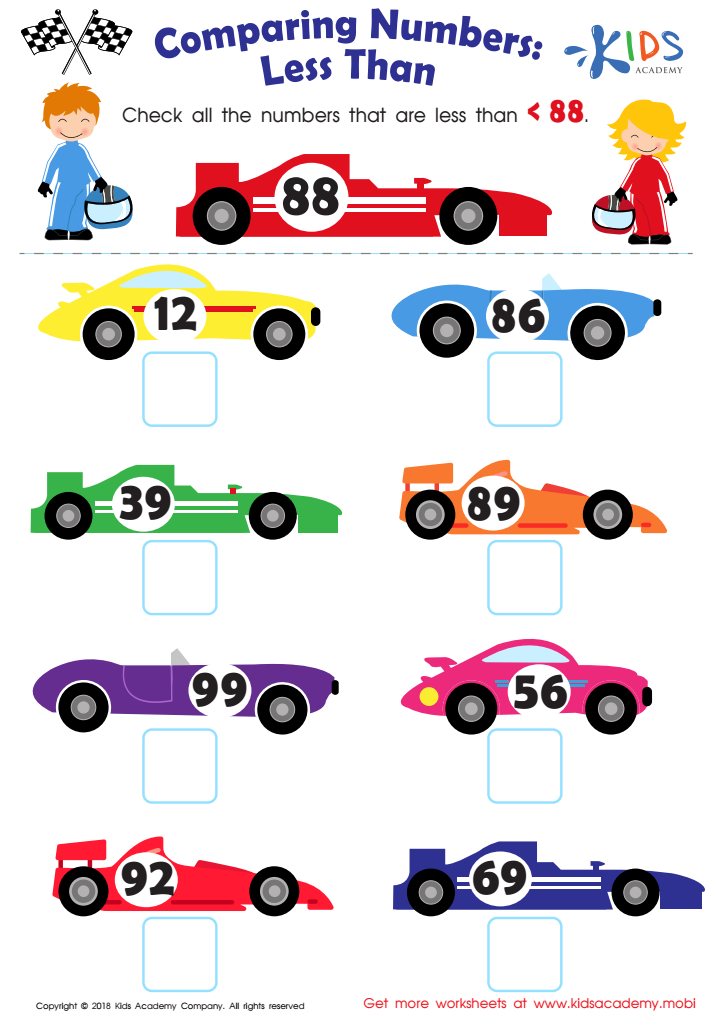
Less Than Worksheet
 Assign to My Students





.jpg)

Enhancing number recognition for children aged 4-9 is crucial for both parents and teachers, as it lays a solid foundation for future mathematical understanding and everyday problem-solving. At this age, children are rapidly developing cognitive abilities, making them particularly receptive to new concepts. Mastering number recognition helps young learners to differentiate and analyze quantities, fostering confidence in their mathematical skills.
Early proficiency in number recognition helps to enhance critical thinking and can spark an interest in mathematics, making it easier for children to tackle more complex concepts in later years. Furthermore, number recognition is intertwined with daily life activities—whether counting fruits during shopping, understanding time, or performing basic financial transactions.
Additionally, when parents and teachers prioritize number recognition, it creates a collaborative learning environment. Engaging in fun, interactive activities, such as games and hands-on experiences, not only makes learning enjoyable but also strengthens the bond between adults and children.
Finally, early mastery of number recognition can significantly influence a child’s academic trajectory. Increased confidence can lead to better engagement in the classroom, reducing anxiety related to math as they progress through their educational journey. By nurturing these skills early on, we set the stage for lifelong learning and success.








