Enhancing research skills Worksheets for Ages 4-9
6 filtered results
-
From - To
Discover our "Enhancing Research Skills Worksheets" designed for children ages 4-9, a perfect blend of fun and education! These engaging worksheets help young learners develop critical thinking, problem-solving, and investigative skills through exciting activities tailored to their age group. Kids will enjoy exploring various topics, while enhancing their abilities to ask questions, find information, and communicate their discoveries creatively. Ideal for both classroom and homeschooling environments, these worksheets foster a love for learning and curiosity, setting a solid foundation for lifelong research skills. Spark your child's imagination today while equipping them with essential tools for academic success!
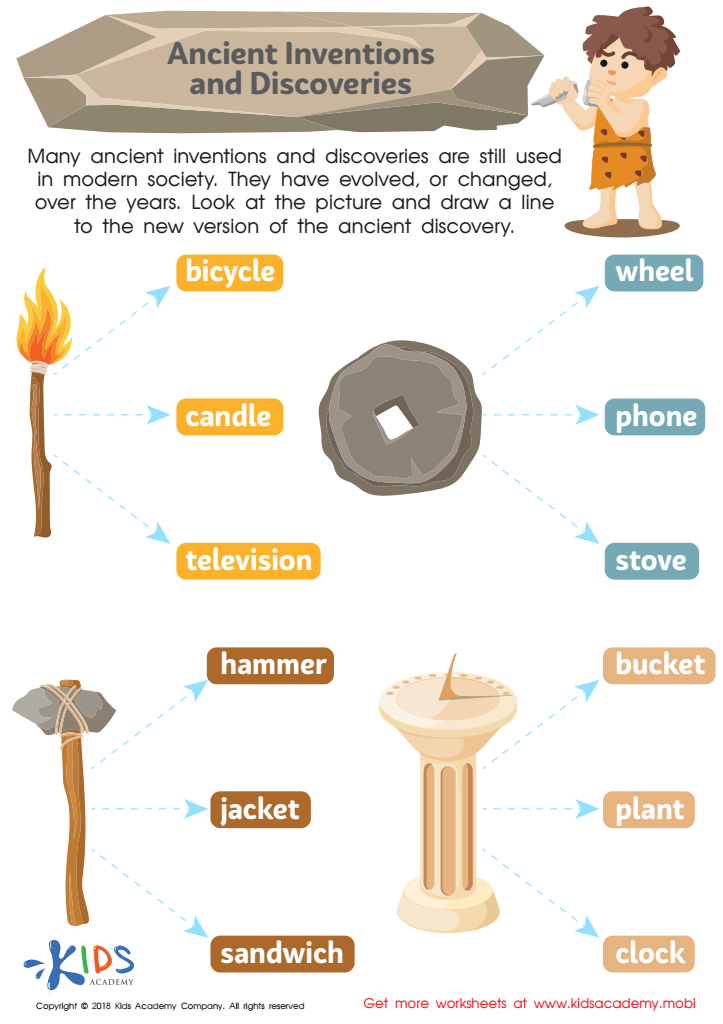
Ancient Inventions and Discoveries Worksheet
 Assign to My Students
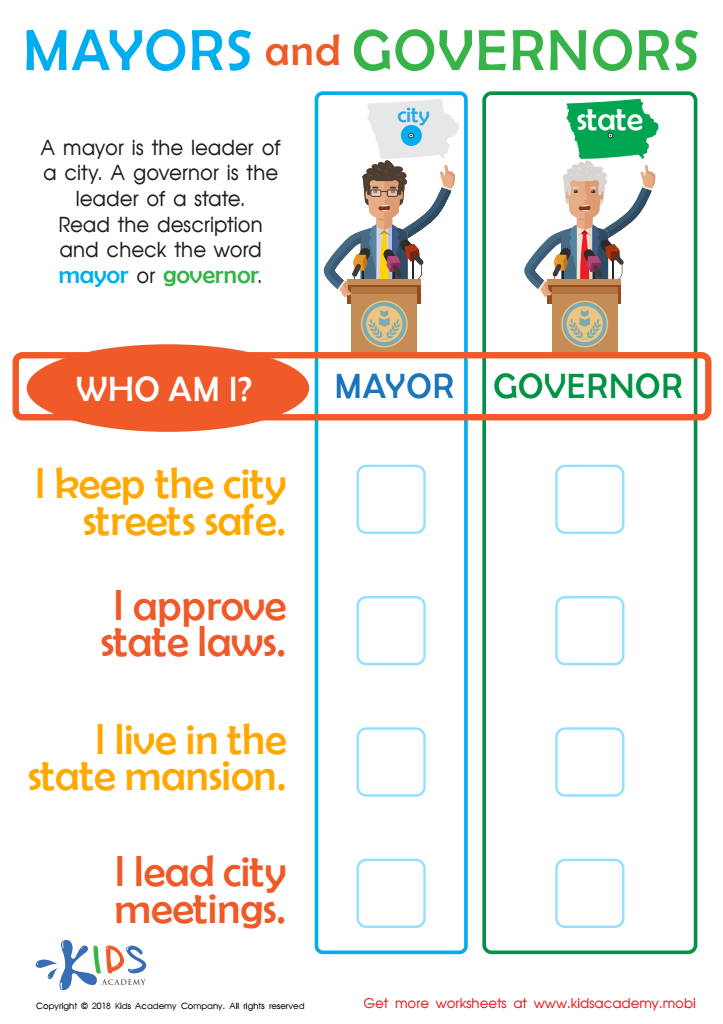
Mayors and Governors Worksheet
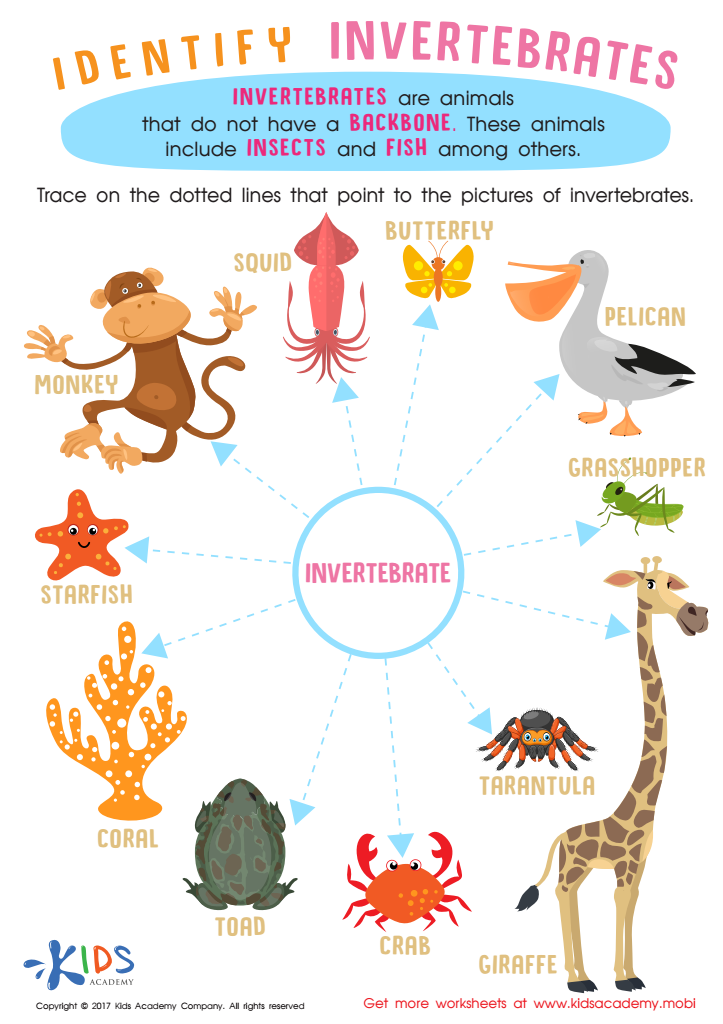
Invertebrates Worksheet for Grade 3

Vitamin C Worksheet
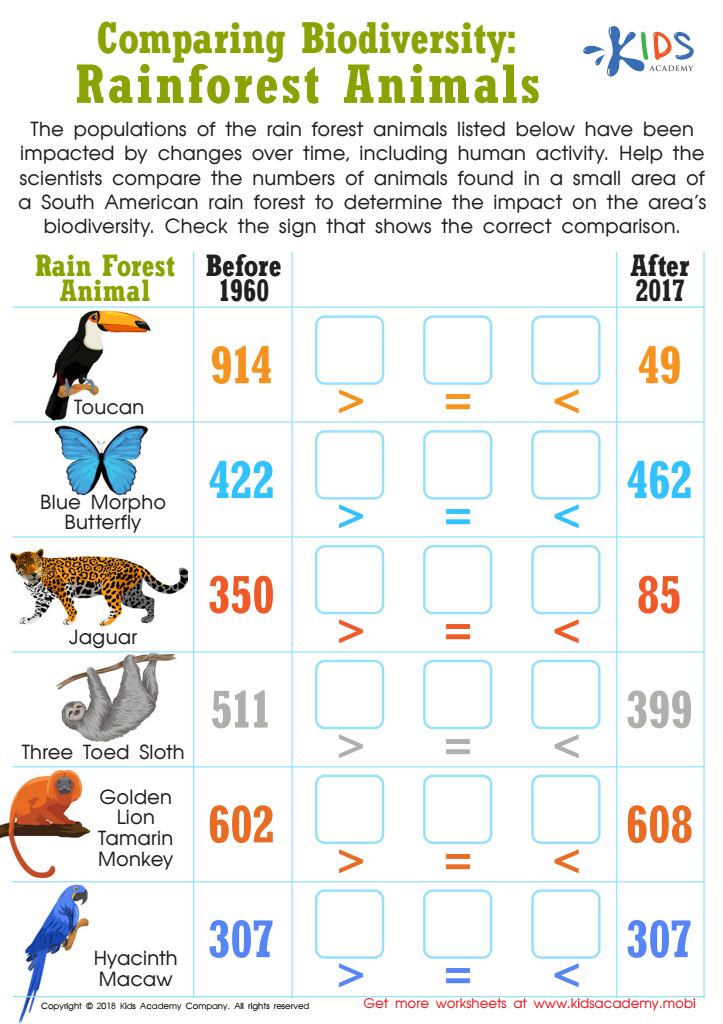
Comparing Biodiversity: Rainforest Animals Worksheet
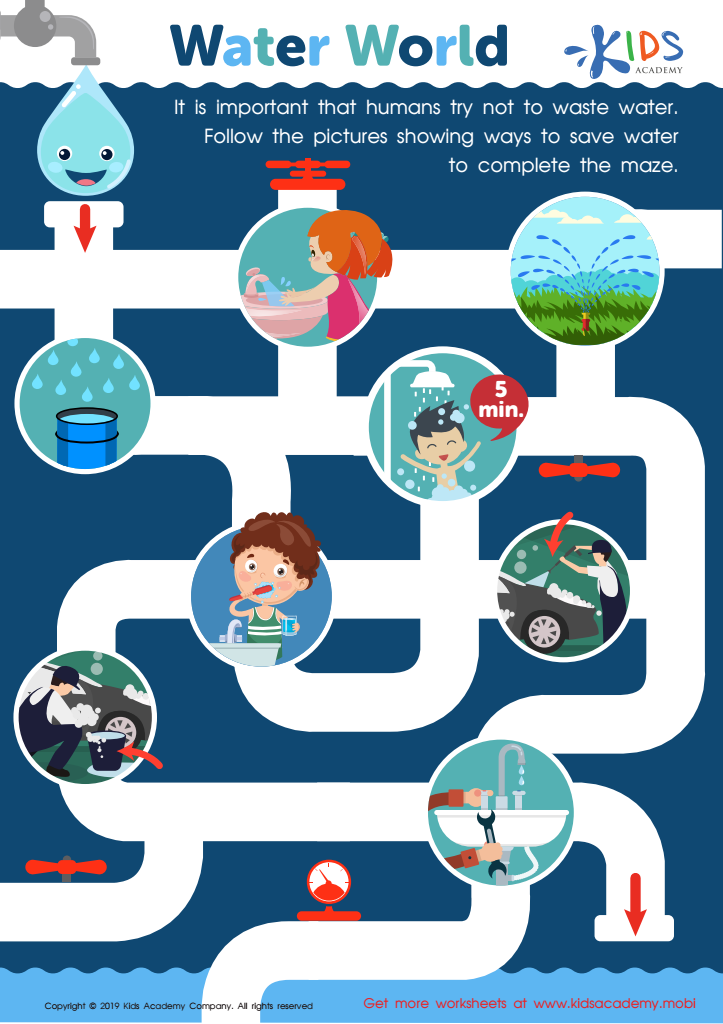
Water World Worksheet








Enhancing research skills for children aged 4-9 is crucial for their cognitive and social development. At this age, children are naturally curious, eager to explore their environment, and ask questions about the world around them. By nurturing their research skills, parents and teachers can foster critical thinking, creativity, and independent learning.
Starting research at a young age builds a strong foundation for lifelong learning. Children learn to seek out information, evaluate sources, and synthesize data, laying the groundwork for academic success in later years. Additionally, mastering these skills promotes literacy and communication, as children learn to express their findings clearly and confidently.
Engaging in research activities also encourages collaboration and social interaction. Working on projects with peers or family members enhances teamwork skills and fosters a sense of community. Moreover, it instills perseverance; children learn that exploring complex questions takes time and effort.
Finally, equipping young learners with research skills prepares them for an increasingly information-driven world. In our digital age, being able to navigate and discern credible information is vital. Thus, emphasizing research skills early empowers children to become informed, responsible, and engaged citizens. Parents and teachers play a pivotal role in guiding this essential development phase.








