Grammar application Worksheets for Ages 4-9
3 filtered results
-
From - To
Discover our engaging Grammar Application Worksheets designed for children aged 4-9! Our comprehensive resource supports young learners in mastering essential grammar skills through fun and interactive activities. Each worksheet targets key concepts such as sentence structure, punctuation, and parts of speech, all tailored to elevate your child's understanding and love for language. With vibrant illustrations and age-appropriate exercises, learning grammar has never been more enjoyable! Perfect for home and classroom use, these worksheets encourage independent learning while reinforcing writing skills. Equip your child with the confidence they need to excel in their literacy journey. Start exploring today!
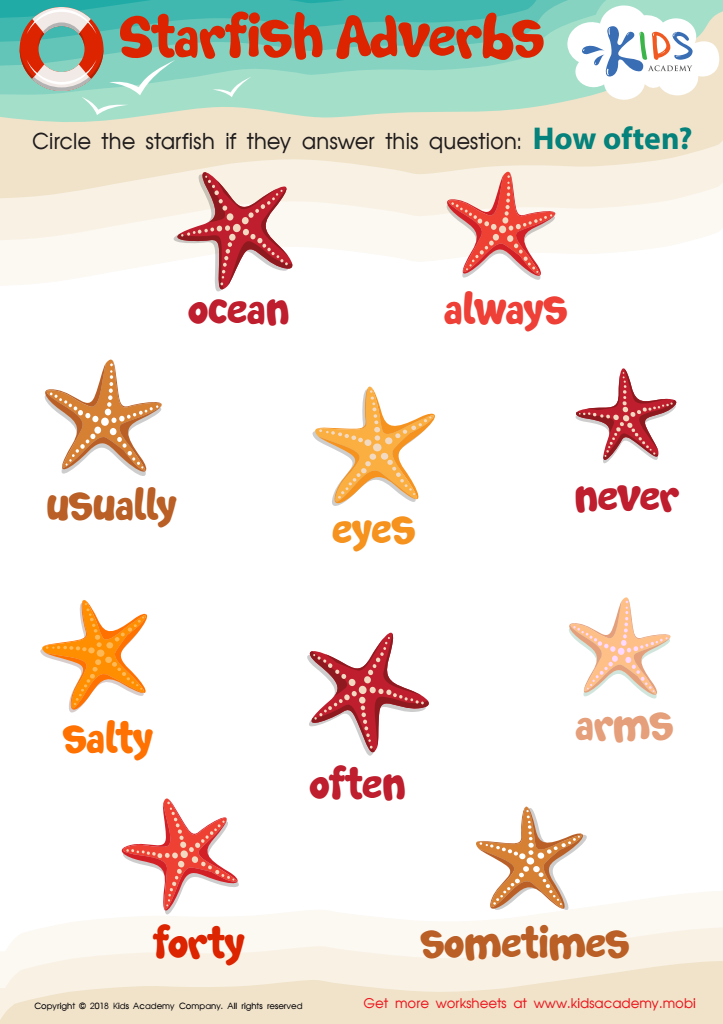
Starfish Adverbs Worksheet
 Assign to My Students
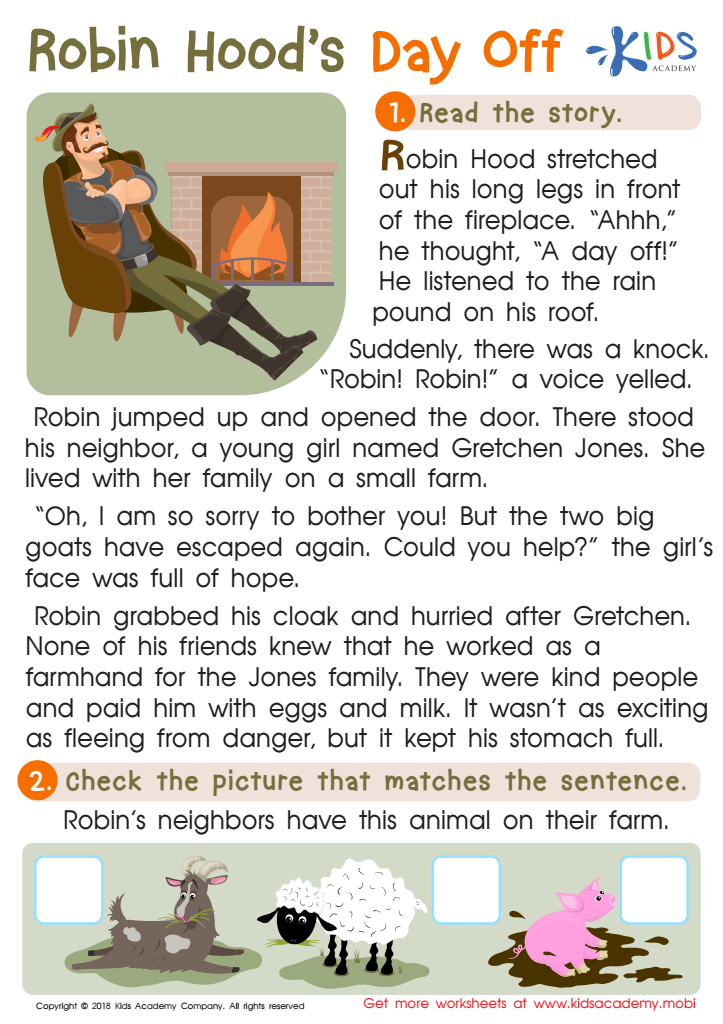
Robin Hood's Day Off Worksheet
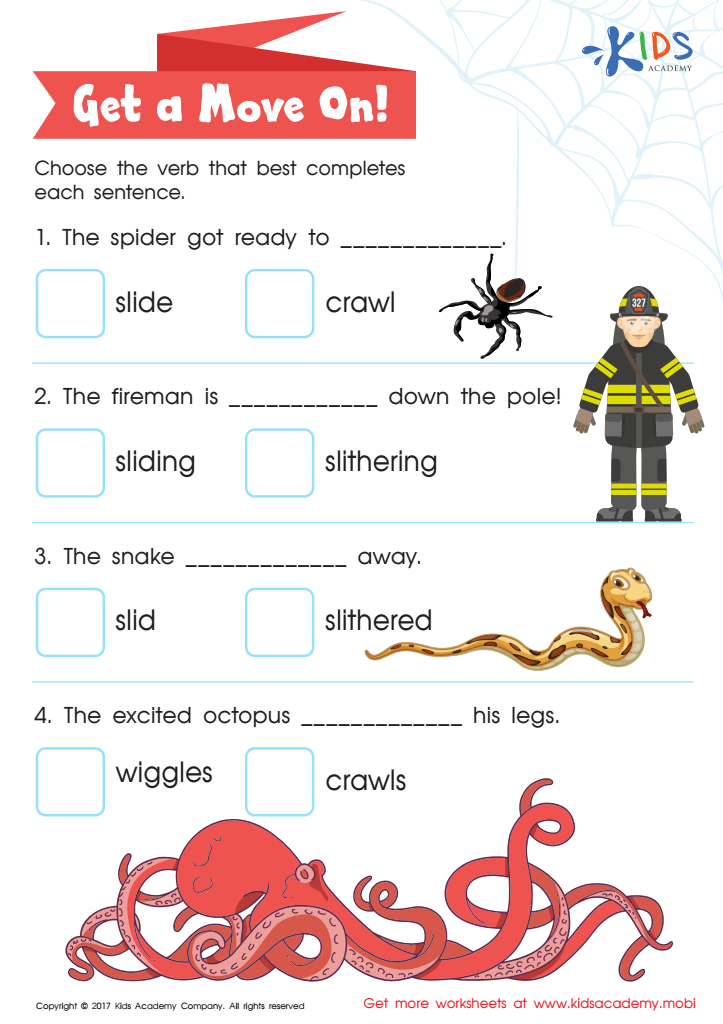
Verb Worksheet



.jpg)
.jpg)


.jpg)
Grammar application is essential for children aged 4-9 as it lays the foundation for effective communication and critical thinking. At this formative stage, children are developing their language skills, which can greatly influence their future academic success and social interactions. By understanding grammar, children learn how to structure their thoughts, emphasizing clarity in both spoken and written language.
Parents and teachers should prioritize grammar because it enhances literacy development; children who grasp basic grammar rules tend to be better readers and writers. Early exposure to correct grammatical structures fosters a love for language and inspires confidence in expressing ideas. Moreover, grammar skills help children decipher and analyze texts, enabling them to become more engaged learners.
Additionally, strong grammatical skills aid in developing social relationships, as children are able to articulate their feelings and needs effectively. Collaborative learning experiences can be enhanced when children can communicate clearly with their peers. In an increasingly competitive world, good communication is crucial, making grammar knowledge an invaluable asset. By nurturing these skills from a young age, parents and teachers prepare children for academic achievements and successful interactions in everyday life.








