Handwriting practice Worksheets for Ages 4-9 - Page 4
96 filtered results
-
From - To
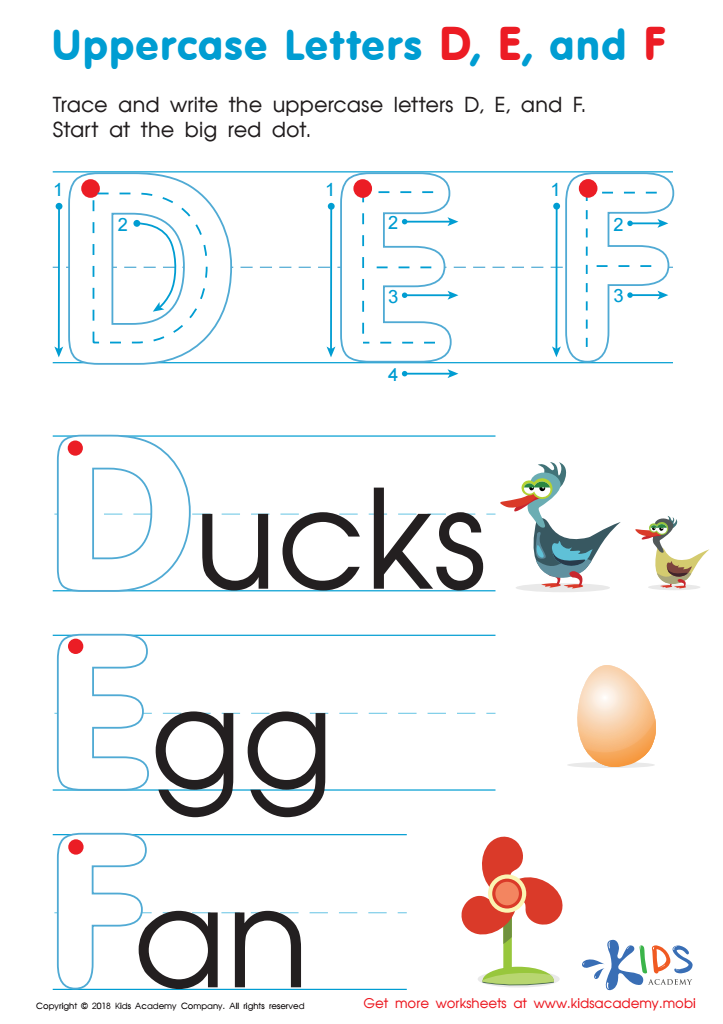
Uppercase Letters D, E, and F Worksheet
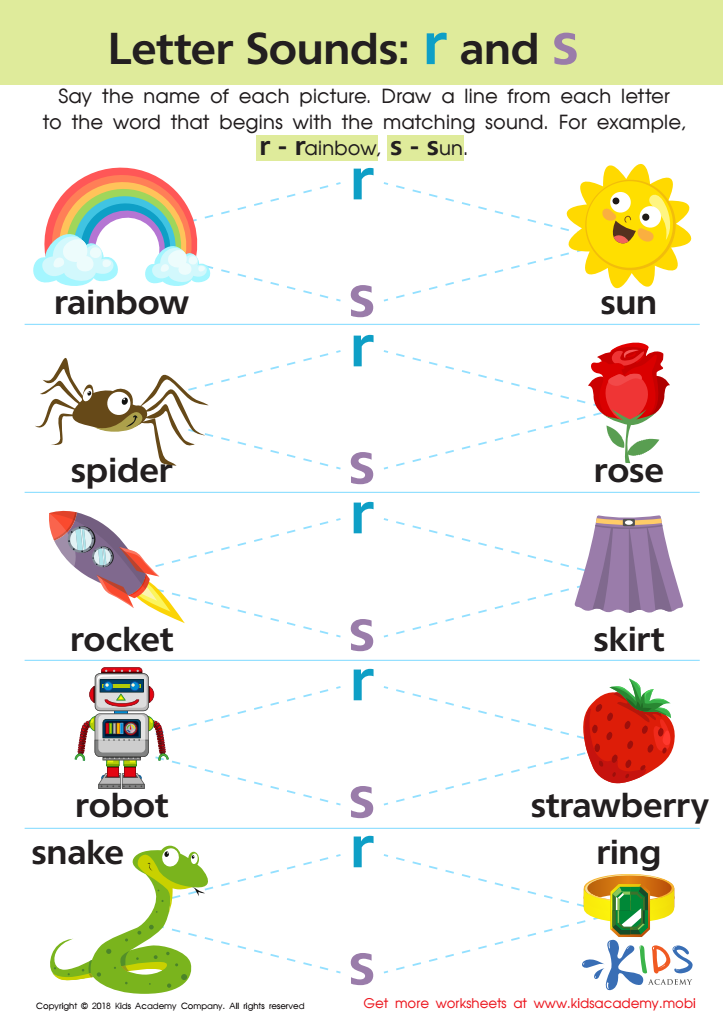
Letter R and S Sounds Worksheet

Brown Tracing Color Words Worksheet
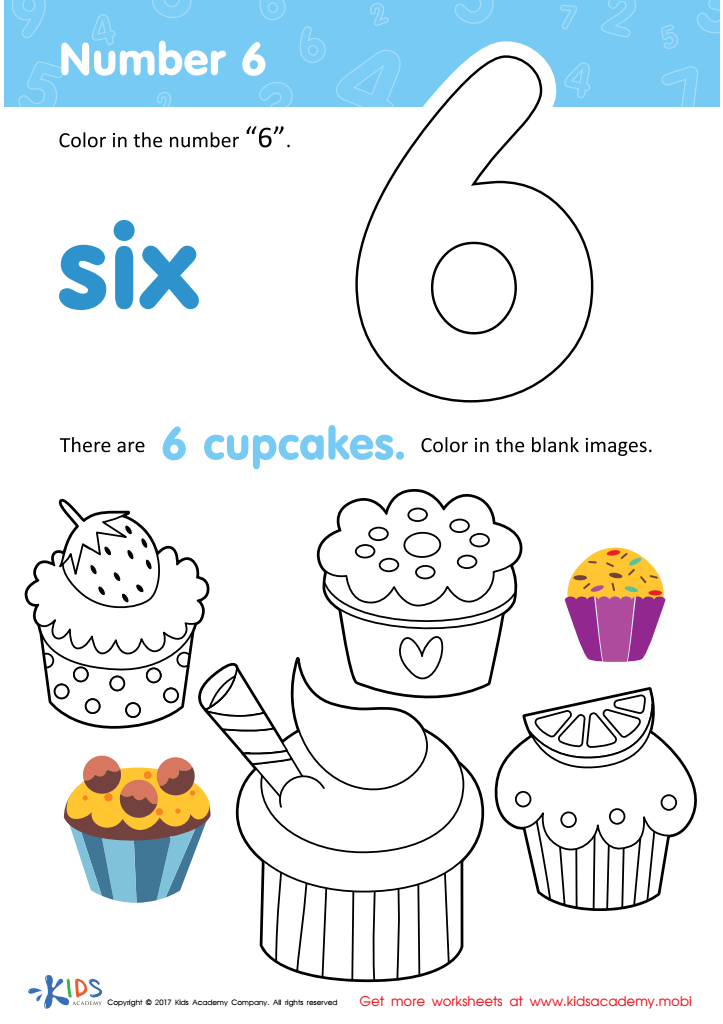
Number 6 Worksheet
 Assign to My Students
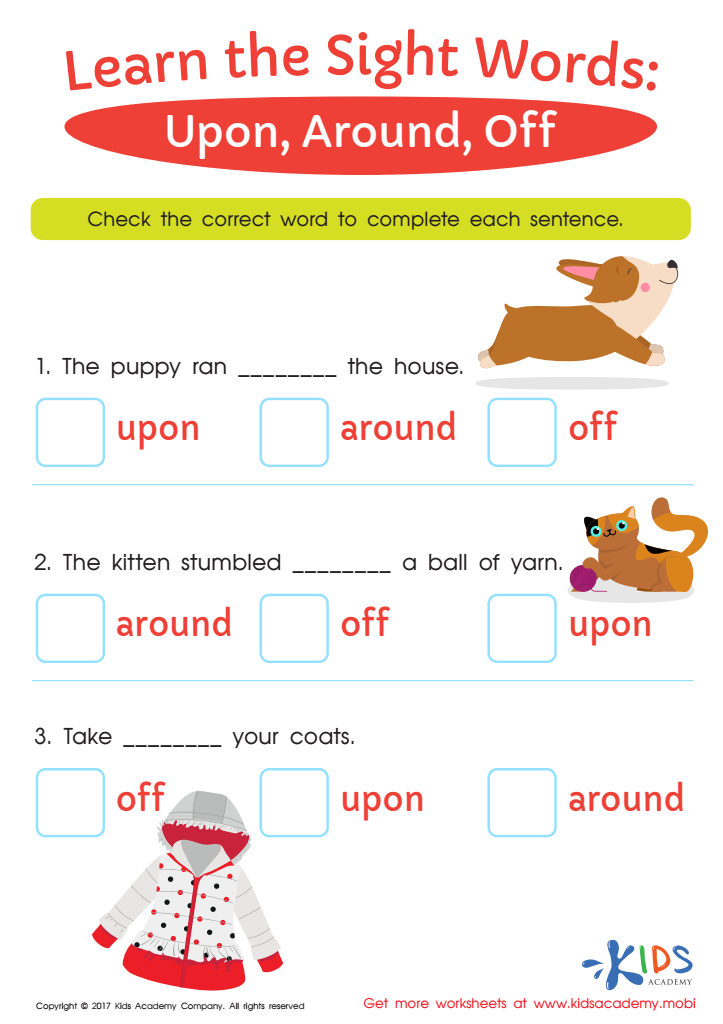
Upon, Around, Off Sight Words Worksheet
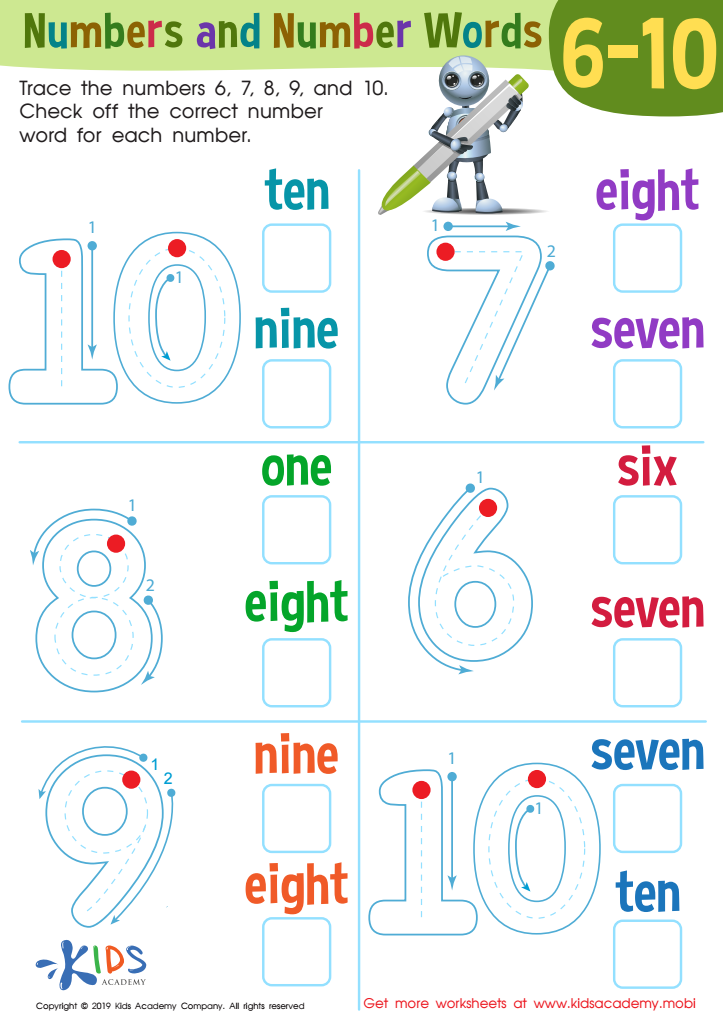
Numbers and Number Words 6–1 Worksheet
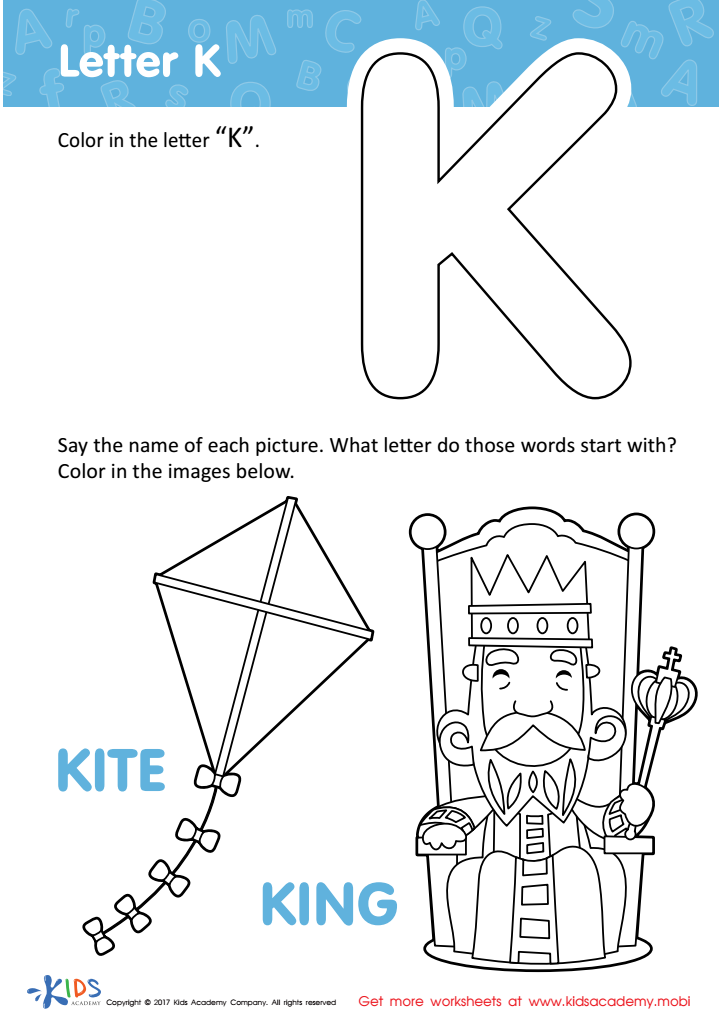
Letter K Coloring Sheet
Assign to My Students
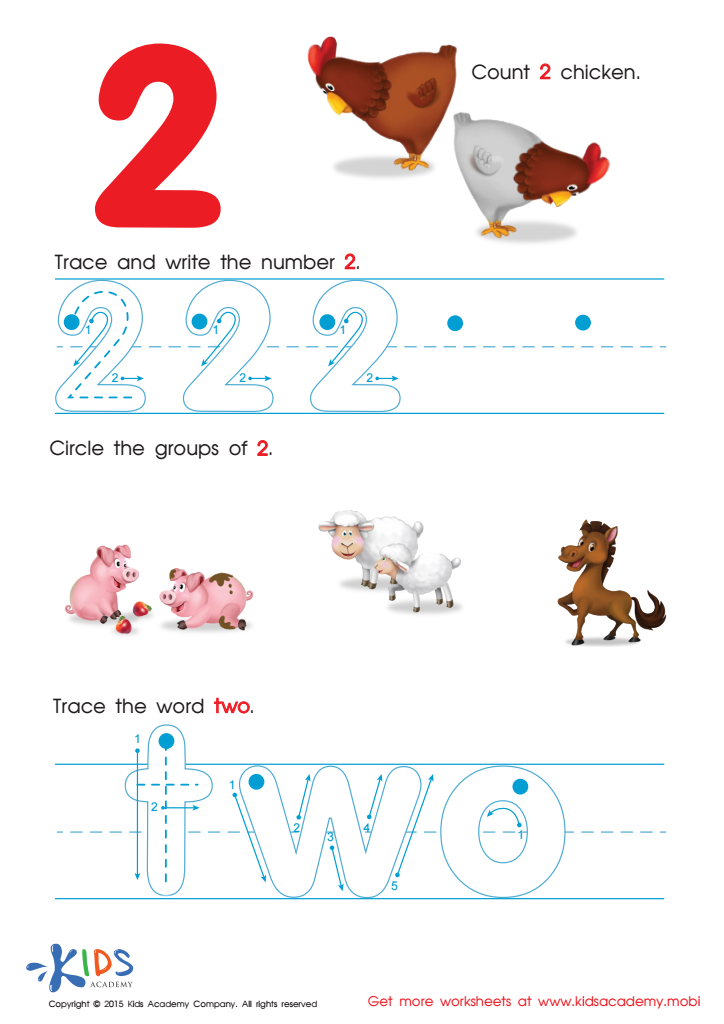
Learn to Write the Number 2 Worksheet

Count the Mushrooms and Trace the Number 3 Printable
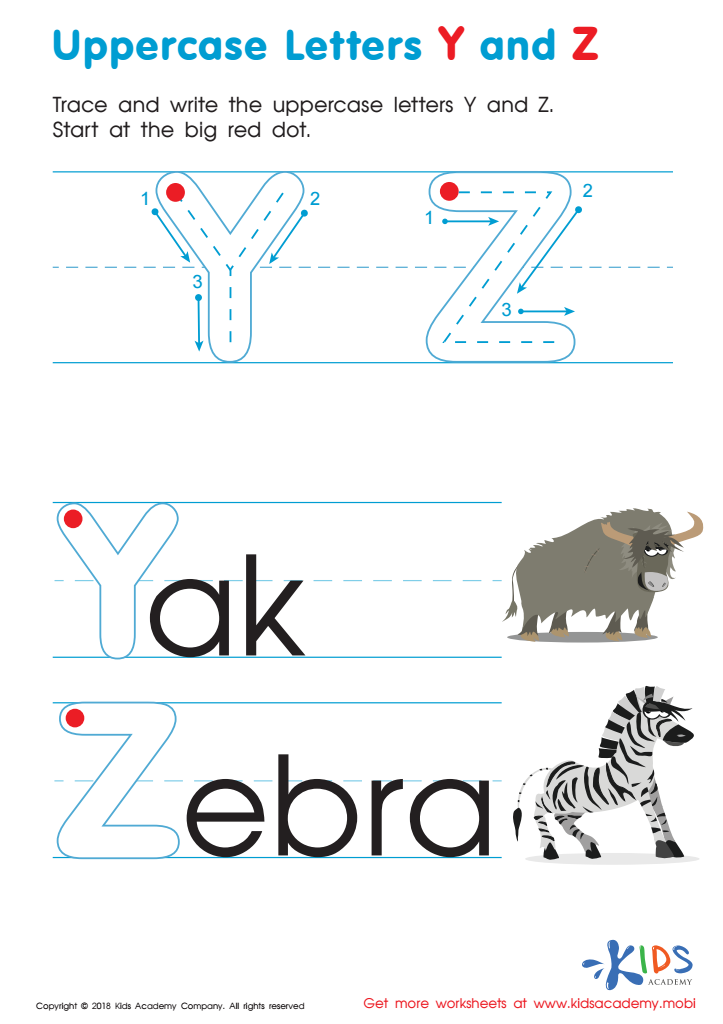
Uppercase Letters Y Z Worksheet
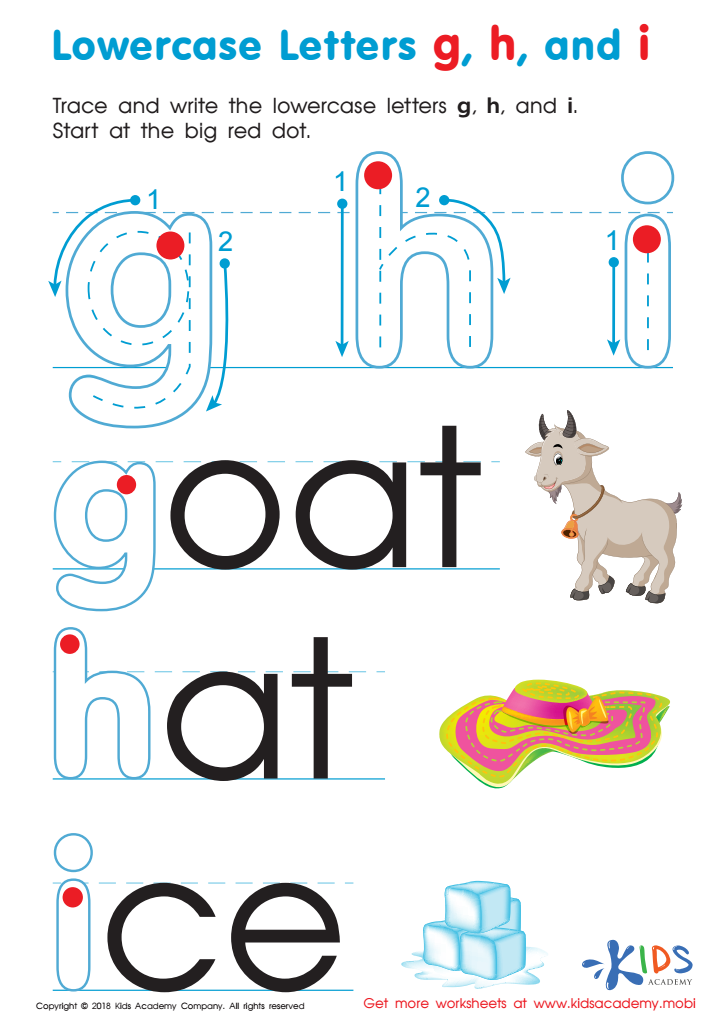
Lowercase Letters g h i Worksheet
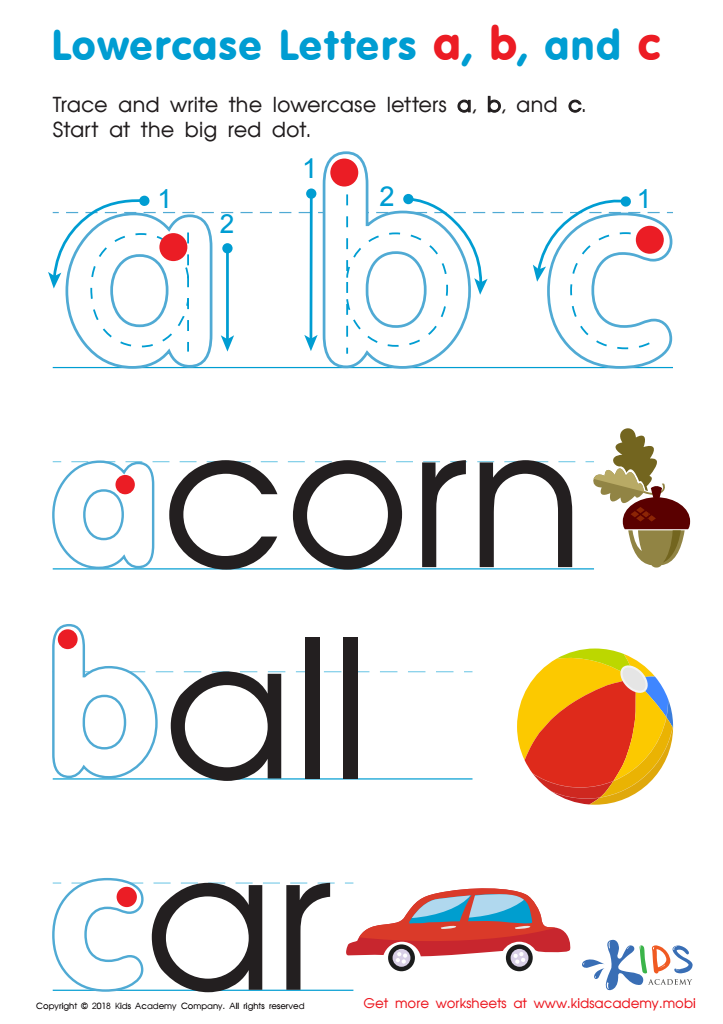
Lowercase Letters a b c Worksheet
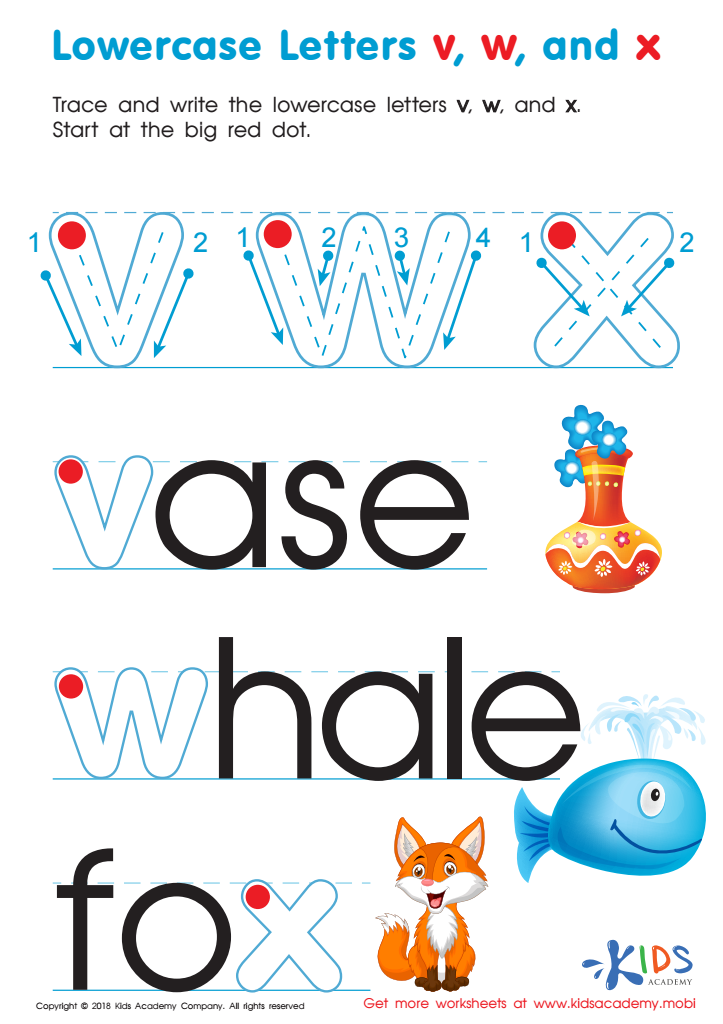
Lowercase Letters v w x Worksheet
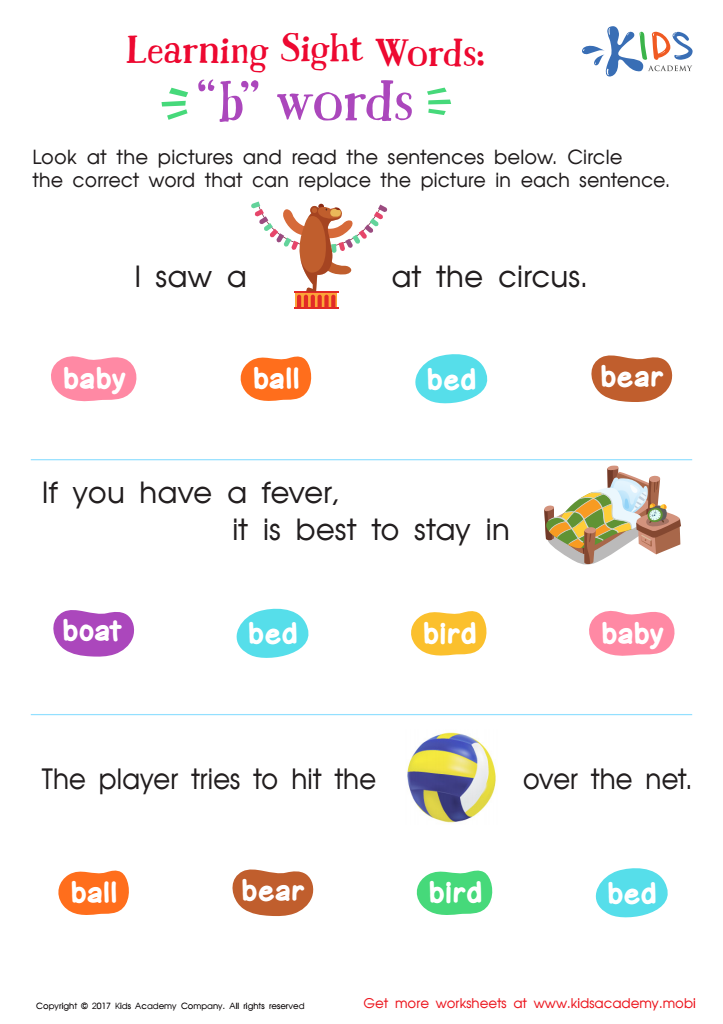
"B" Words Printable Sight Words Worksheet

Letter N Coloring Sheet
Assign to My Students
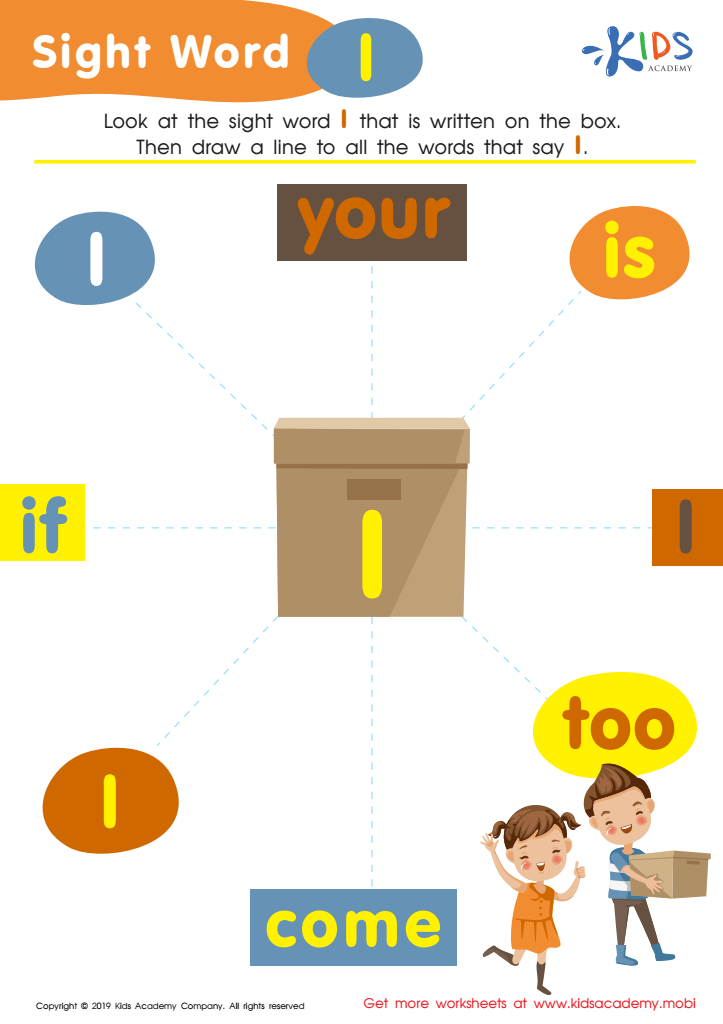
Sight Word I Worksheet
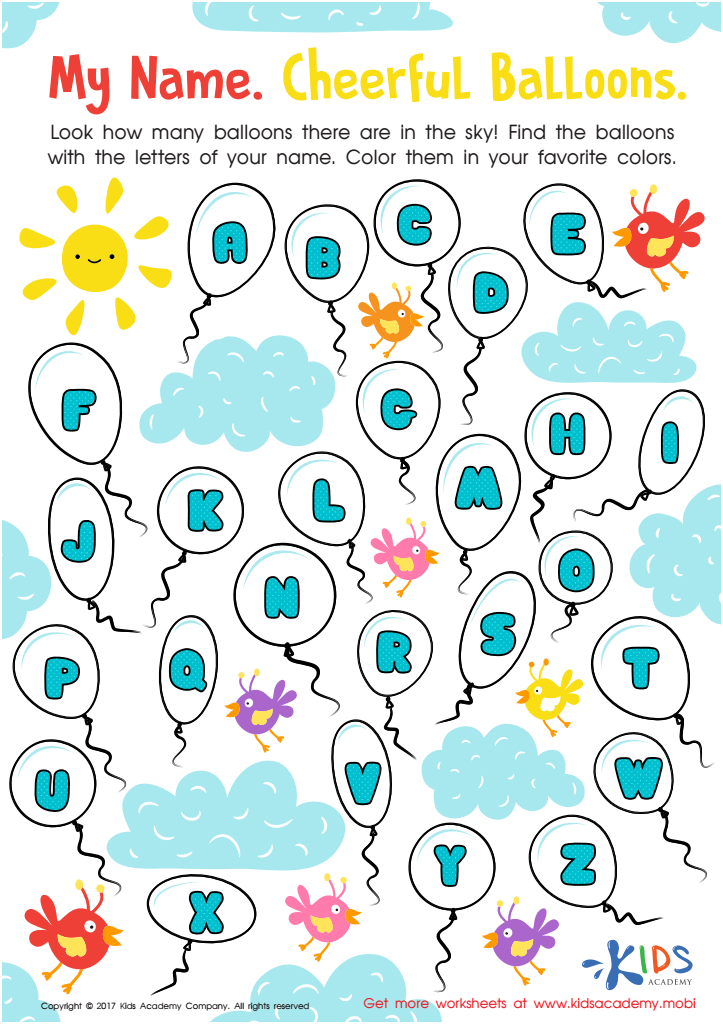
My Name: Cheerful Balloons Worksheet
Assign to My Students
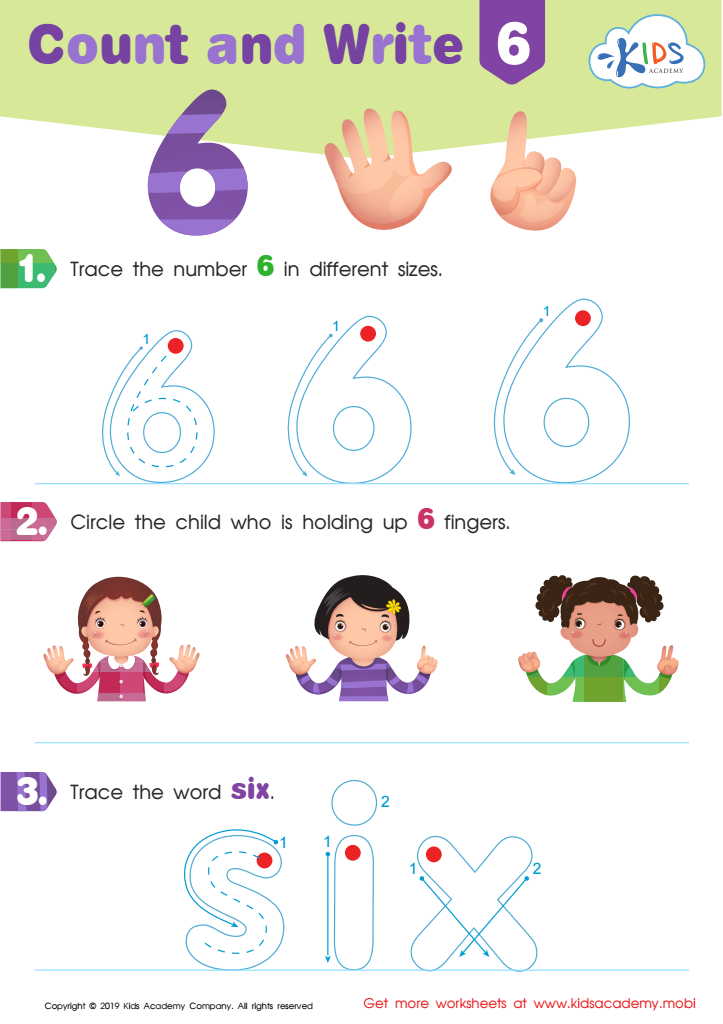
Count and Write 6 Worksheet
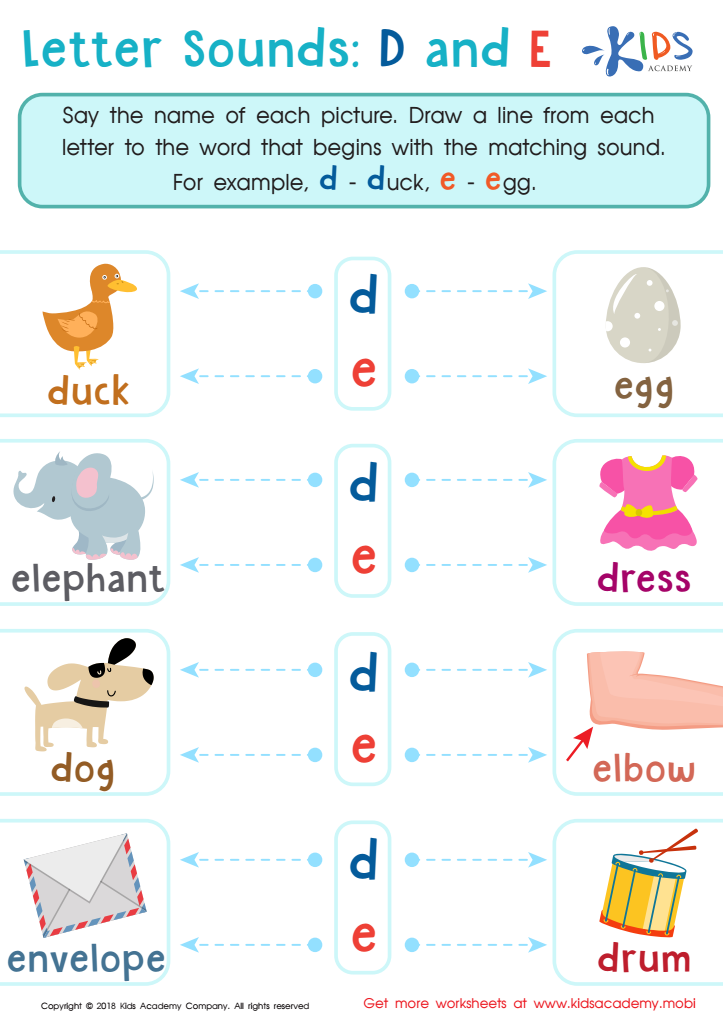
Letter D and E Sounds Worksheet
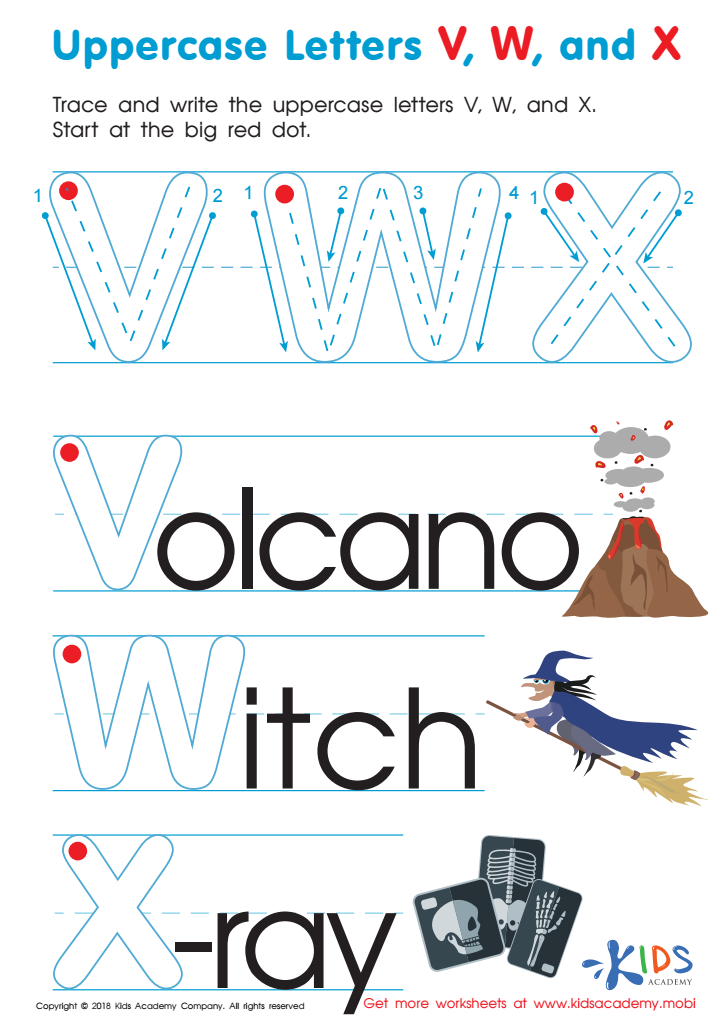
Uppercase Letters V, W, and X Worksheet
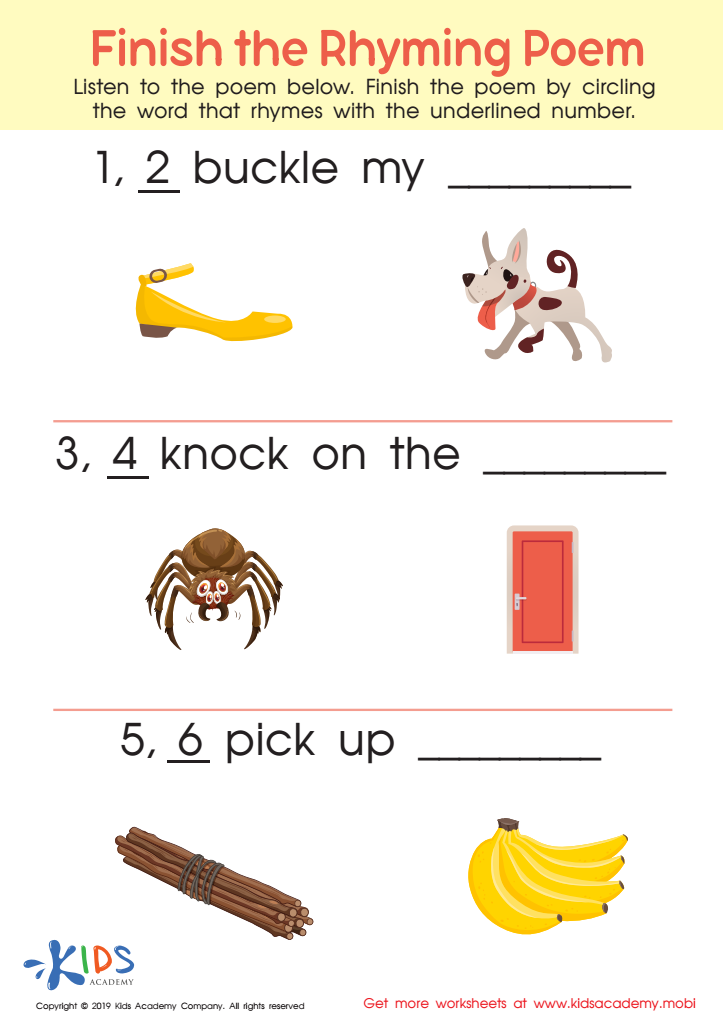
Finish Rhyming Poem Worksheet
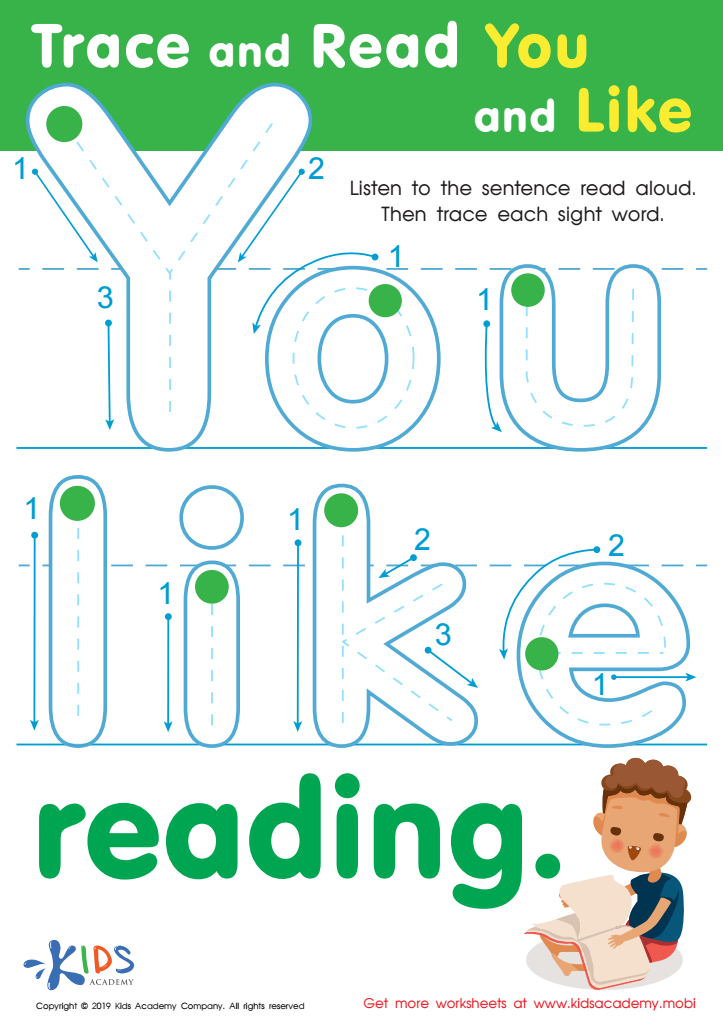
Trace Read You Like Worksheet
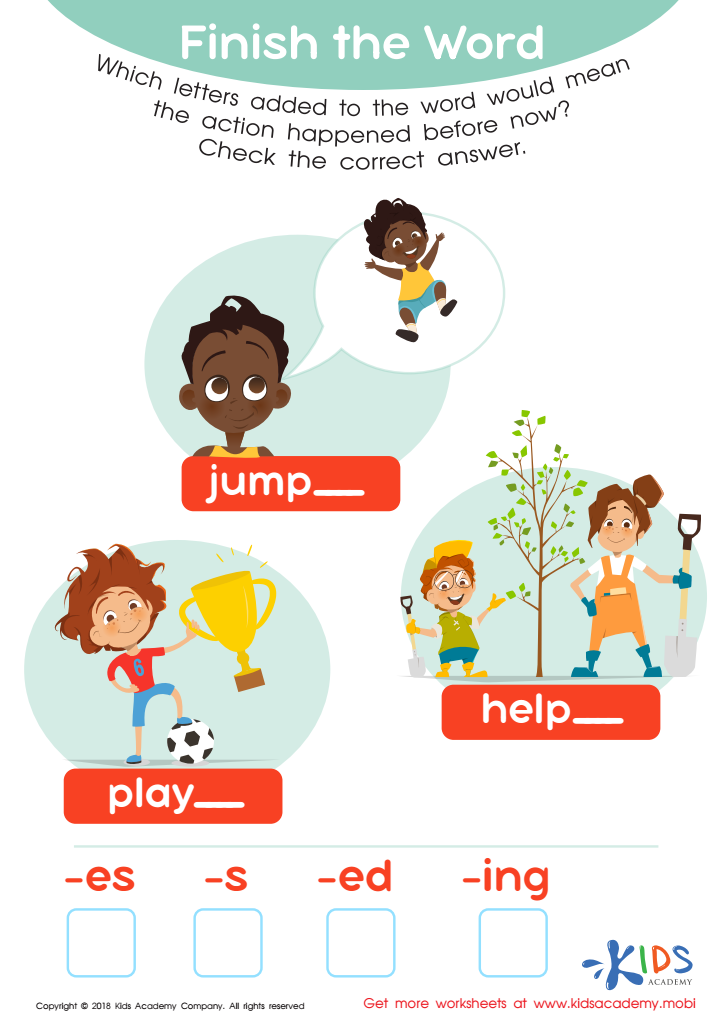
Finish the Word Worksheet








Handwriting practice is crucial for children aged 4-9 because it significantly impacts their academic and personal development. Firstly, learning to write legibly enhances a child's ability to communicate ideas clearly. Good handwriting skills contribute to better reading comprehension, as forming letters by hand helps children recognize them. This creates a strong literacy foundation. Additionally, handwriting practice improves fine motor skills and hand-eye coordination, essential for tasks like using scissors or tying shoelaces.
Neurodevelopmentally, writing by hand activates neural circuits associated with thinking, memory, and language. This deep engagement boosts cognitive skills, aiding overall learning. Moreover, the discipline of regular writing practice instills a sense of responsibility and perseverance, fostering essential habits for long-term academic success.
In today’s digital age, parents and teachers might overlook handwriting. However, research suggests that writing aids brain development differently than typing. For instance, the focused attention required for handwriting practice enhances concentration and patience, qualities less effectively developed through screen interaction.
Finally, neat handwriting engenders pride in a child's work, providing a boost to their self-esteem and academic confidence. By prioritizing handwriting in the early years, parents and teachers lay the groundwork for comprehensive educational and personal growth.








