Improve number recognition Worksheets for Ages 4-9
17 filtered results
-
From - To
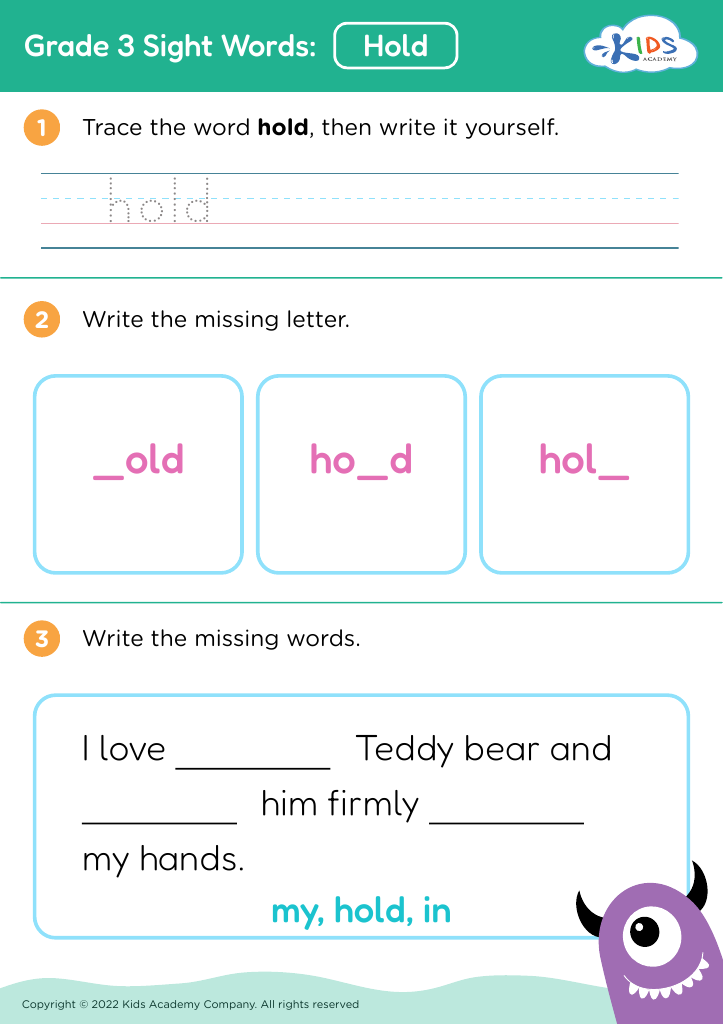
Enhance your child's number recognition skills with our engaging worksheets designed for ages 4-9! Perfect for early learners, these printable resources make learning fun and interactive. Featuring vibrant illustrations and varied activities, children will easily identify and understand numbers through games, matching exercises, and tracing practices. These worksheets not only build foundational math skills but also promote critical thinking and concentration. Ideal for both home and classroom use, our resources cater to diverse learning styles. Empower your little ones to explore the world of numbers today—download our Improve Number Recognition Worksheets and foster a love for math in your young learners!
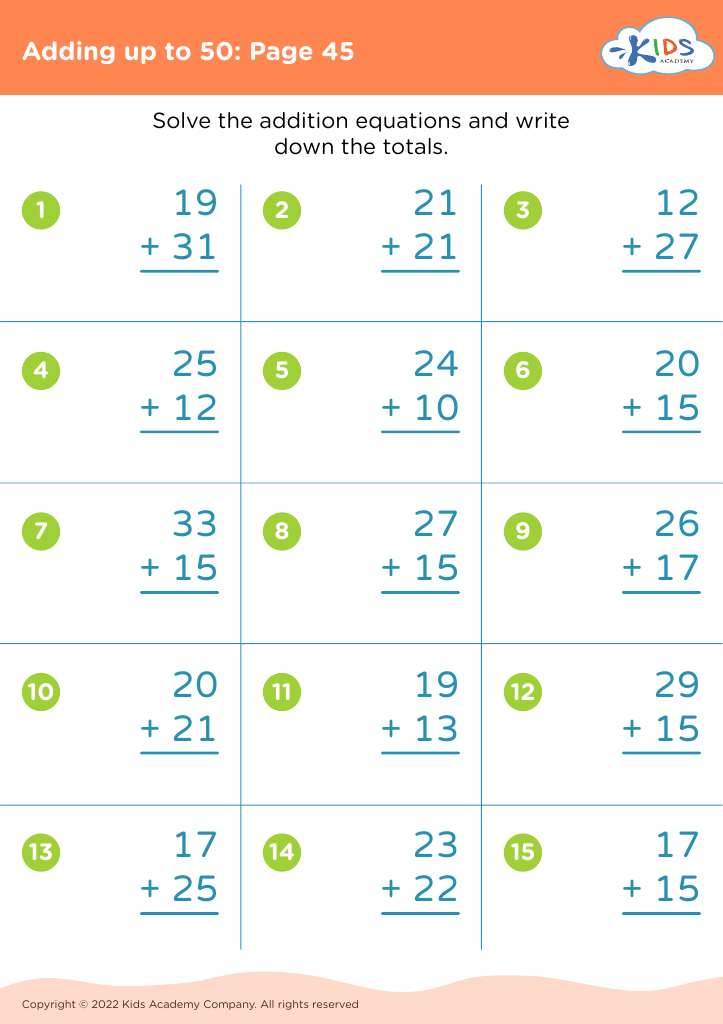
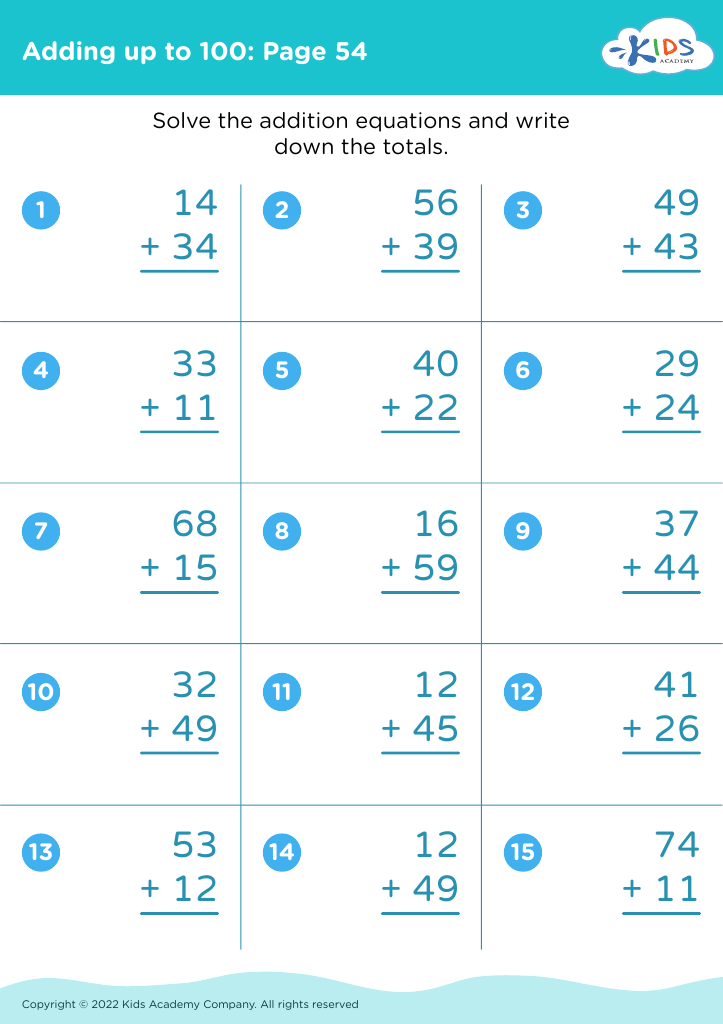
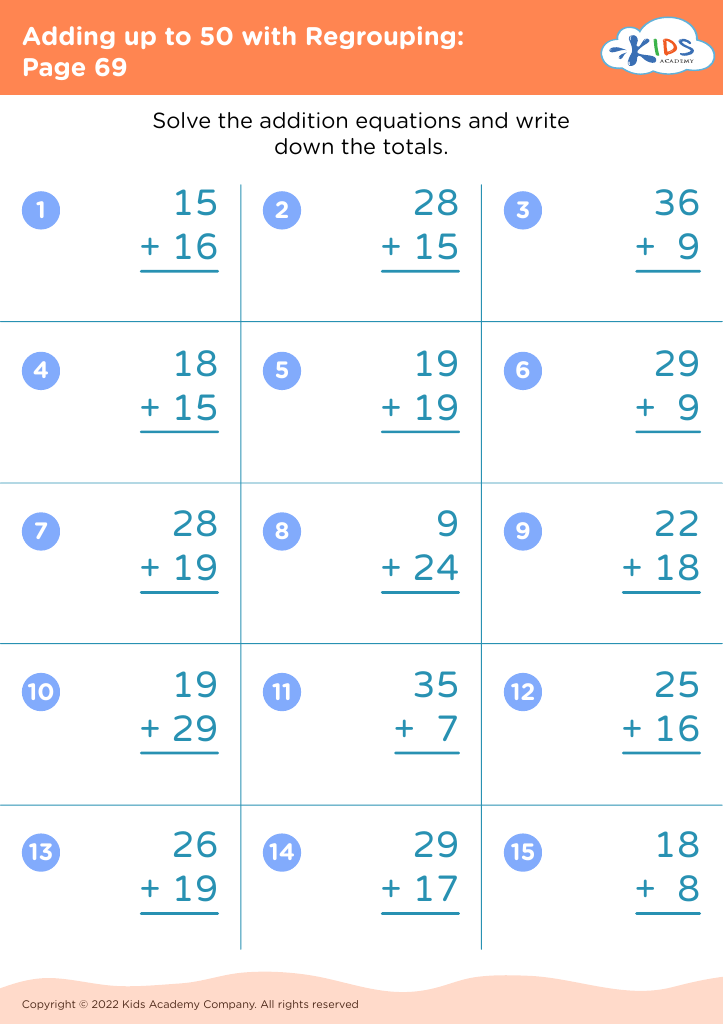
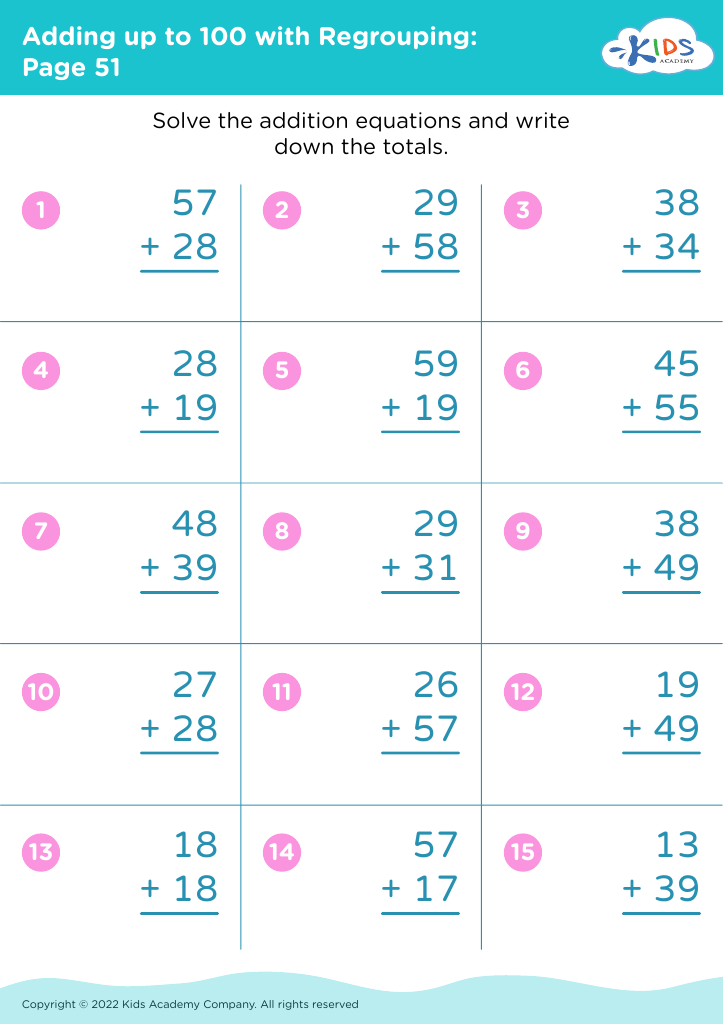
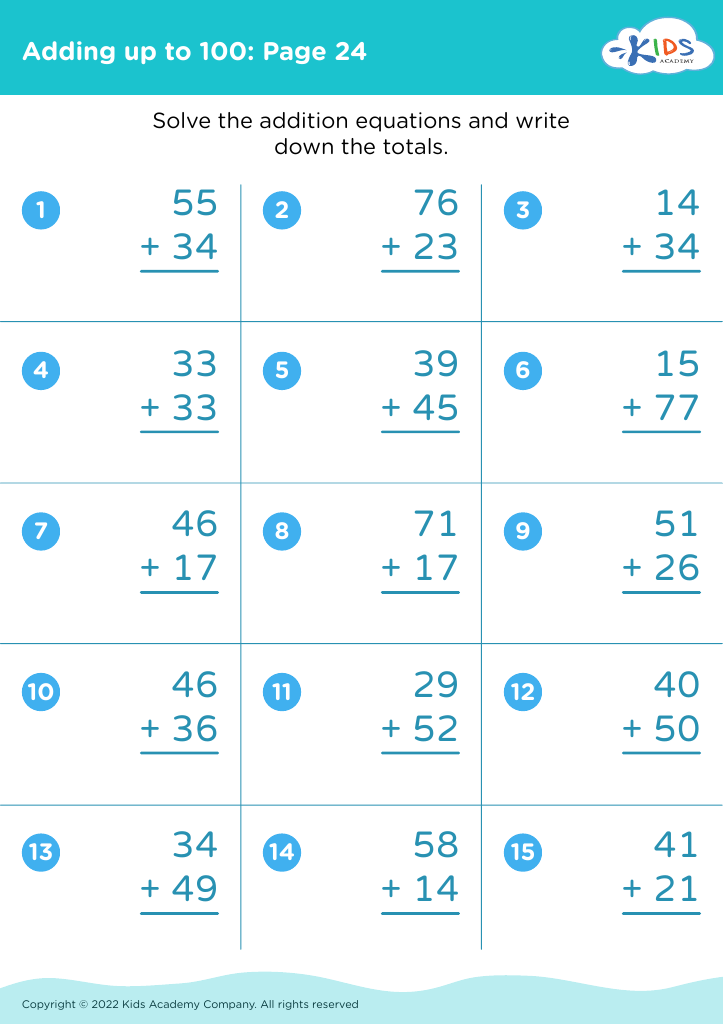
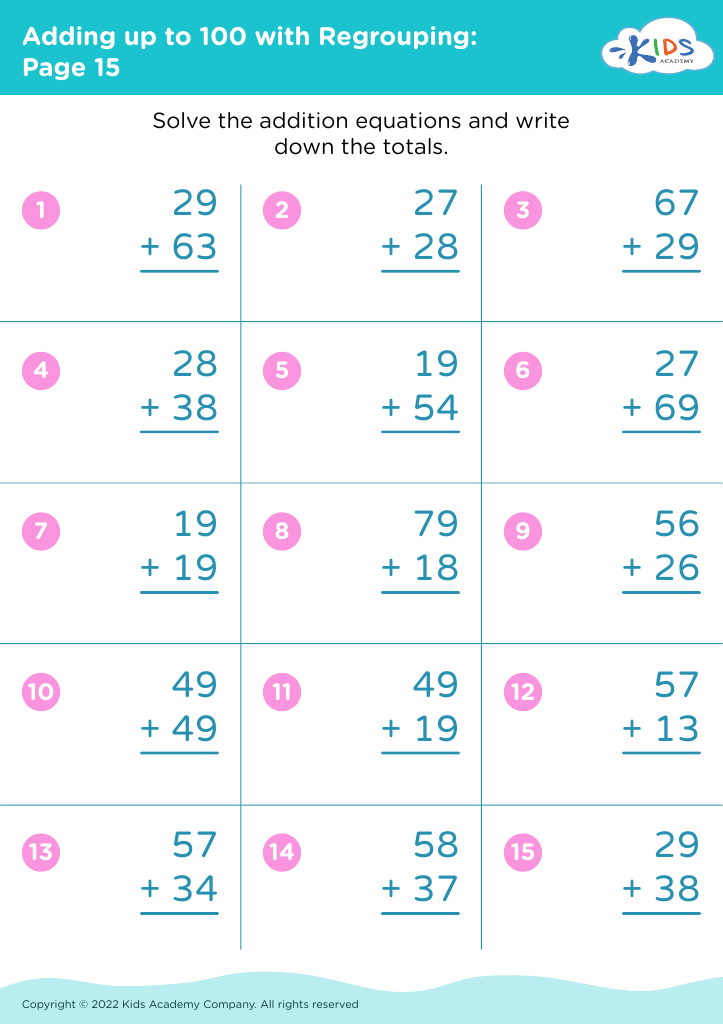
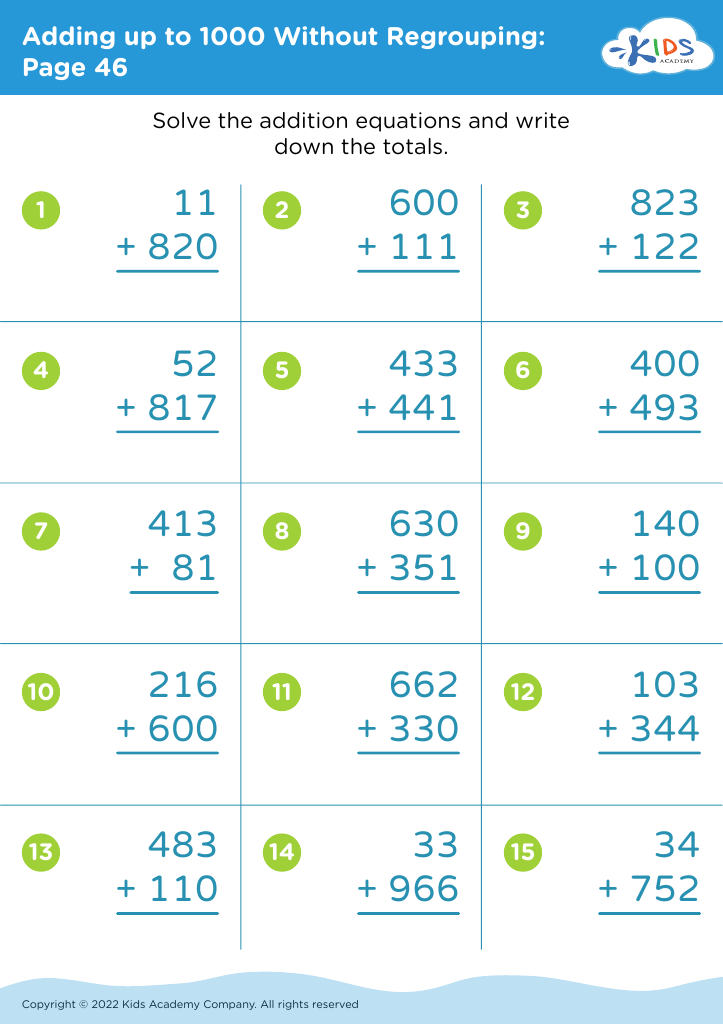
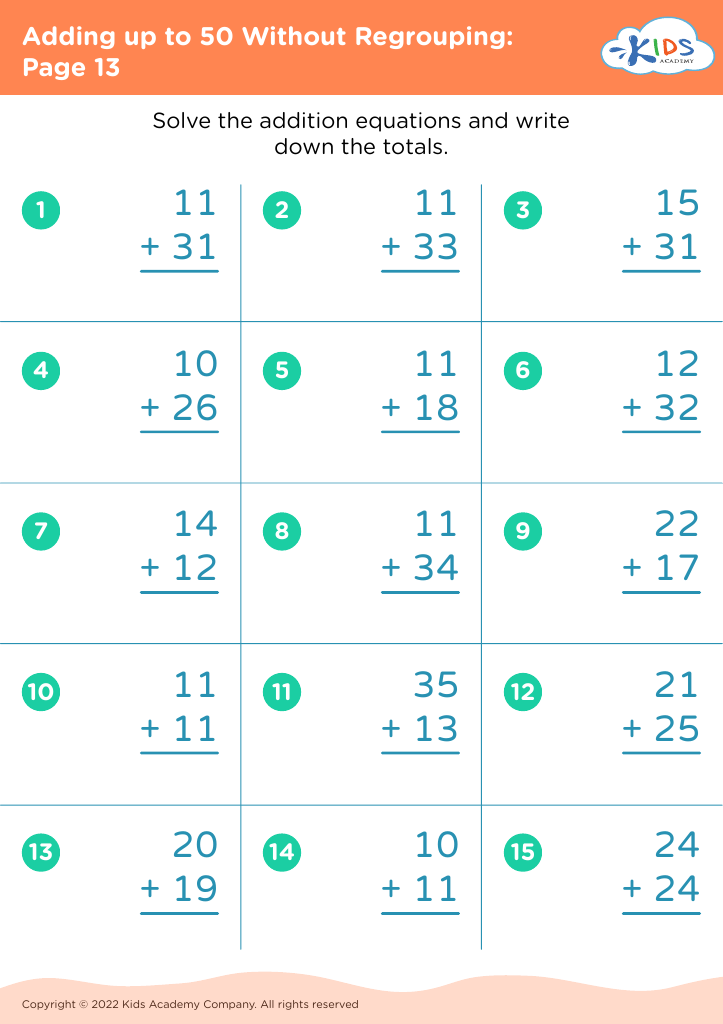
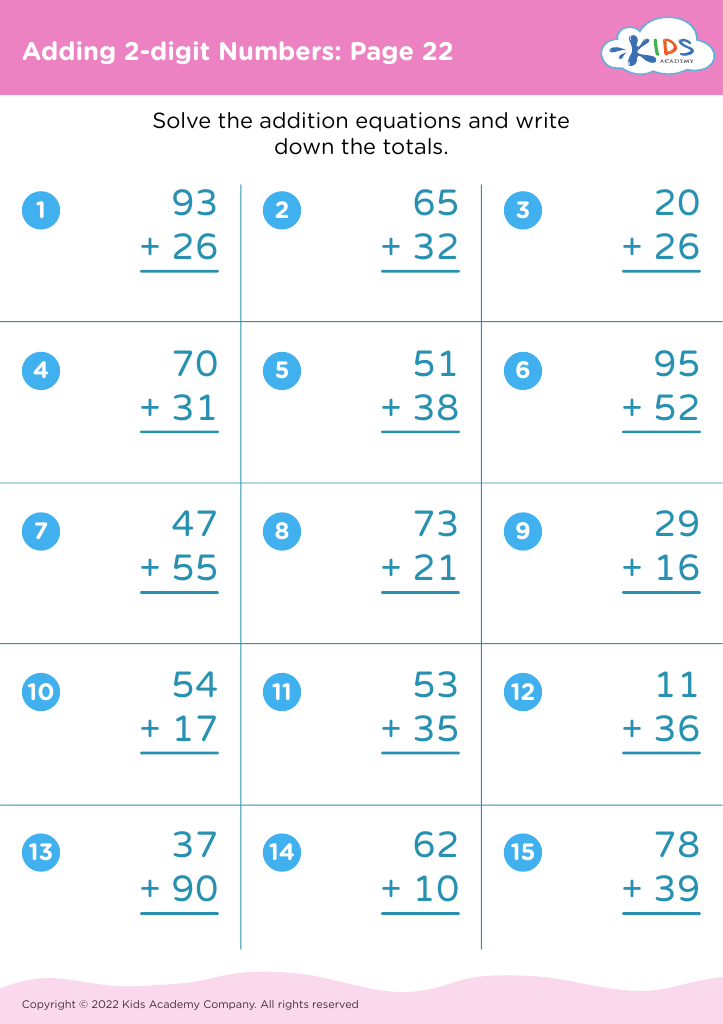
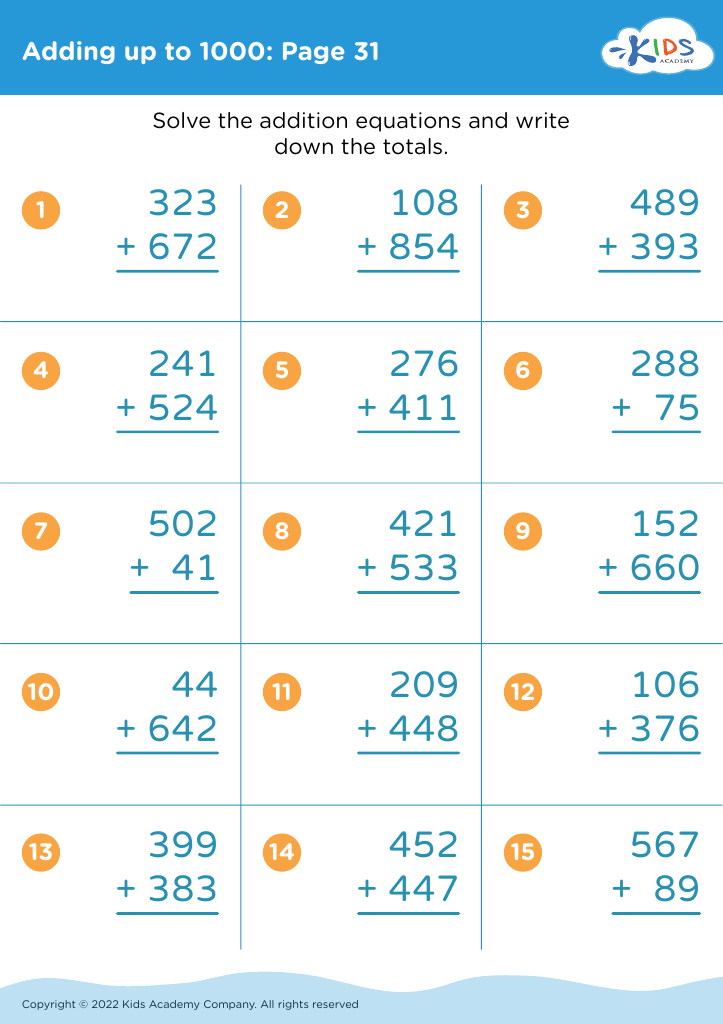
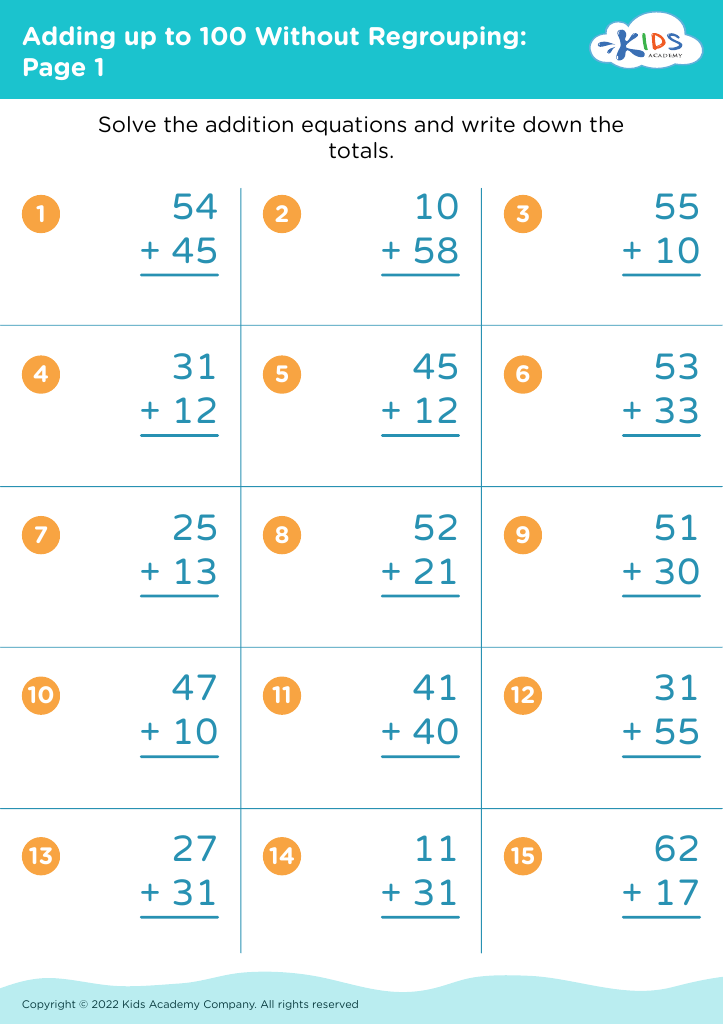
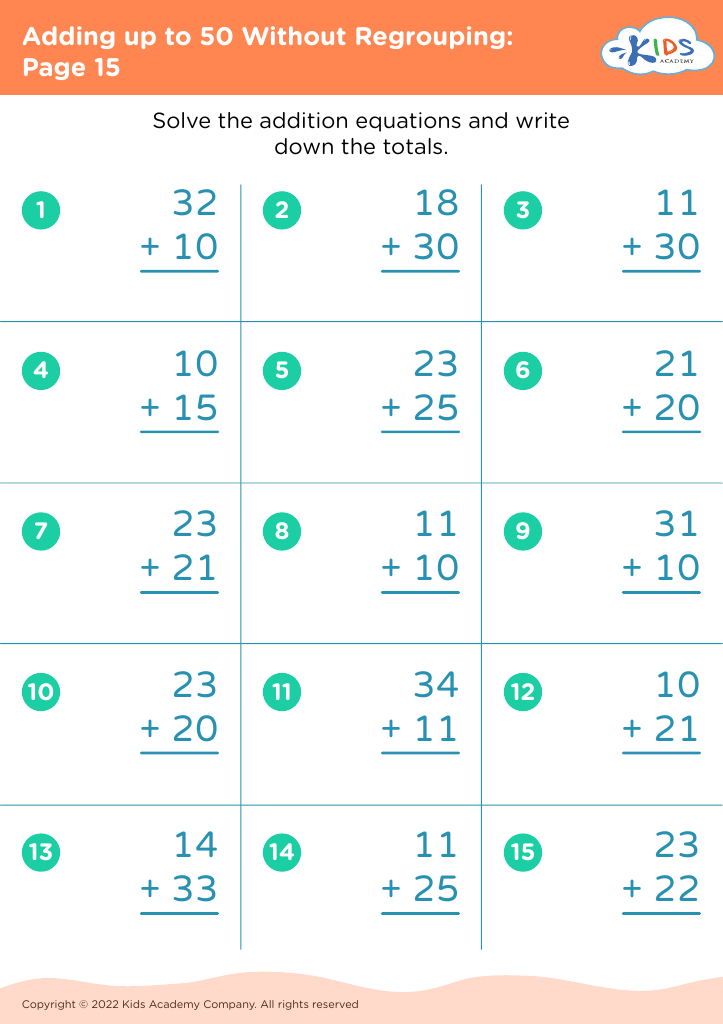
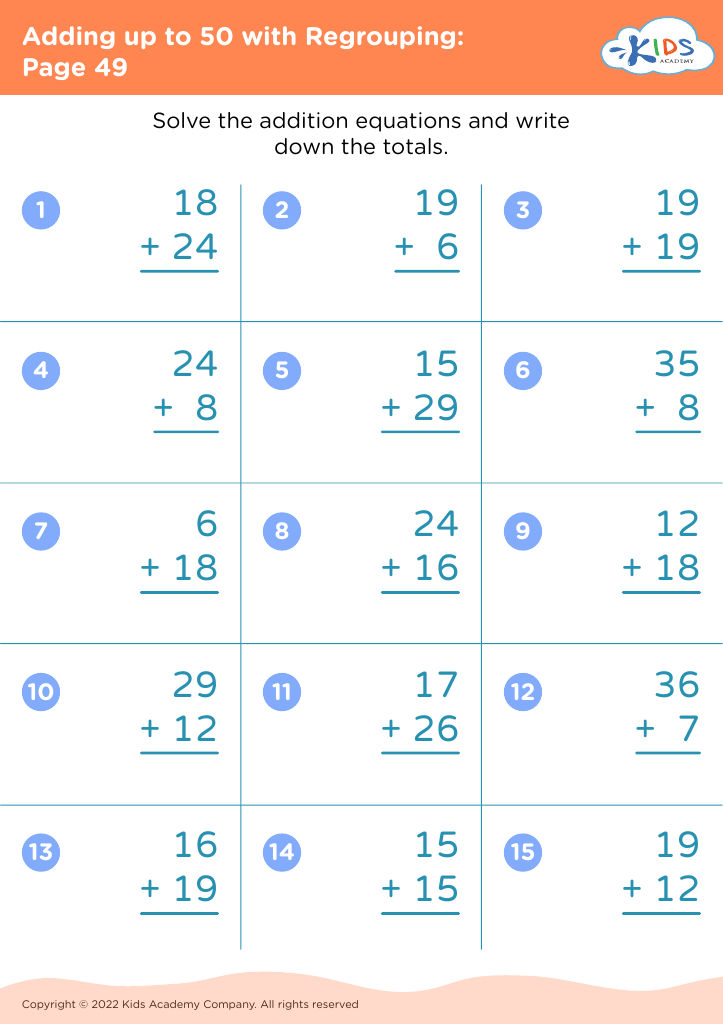
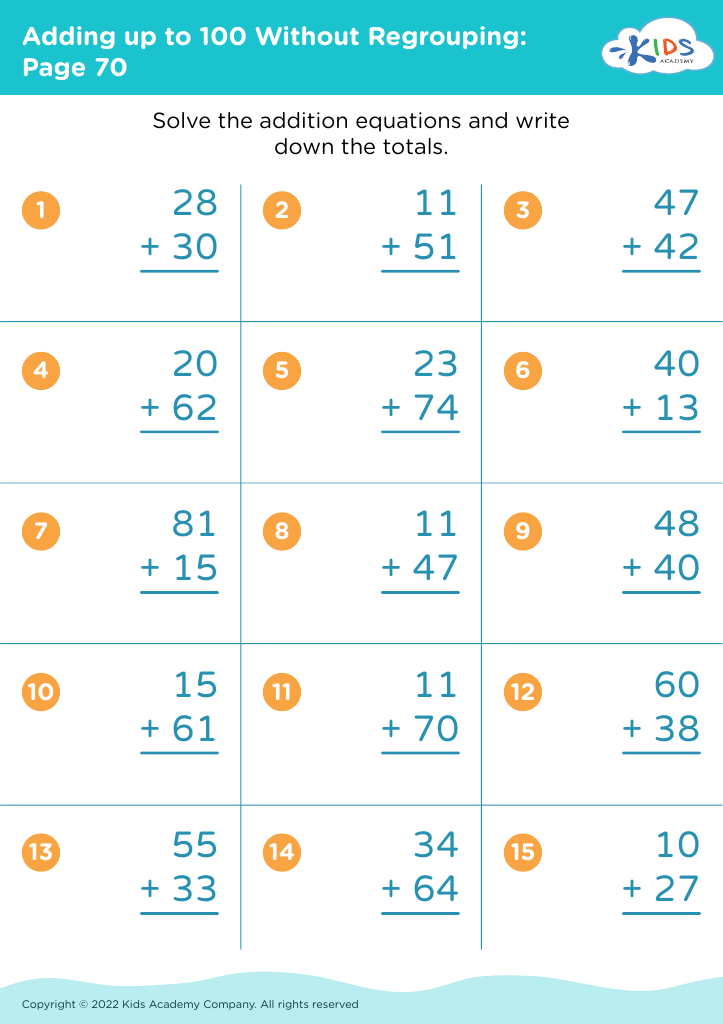
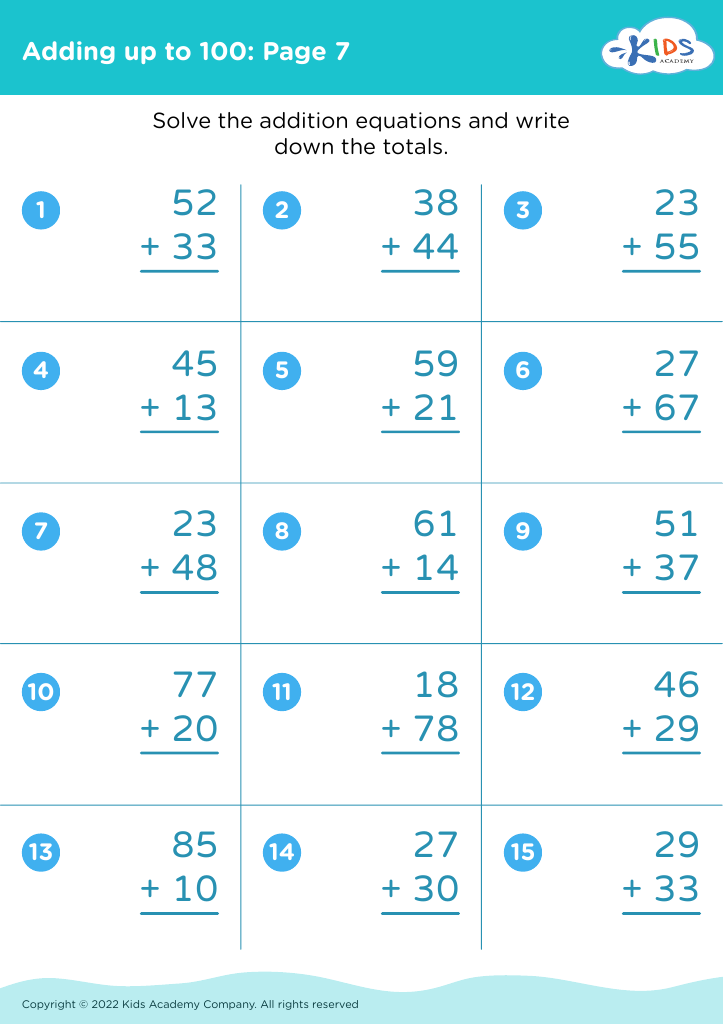
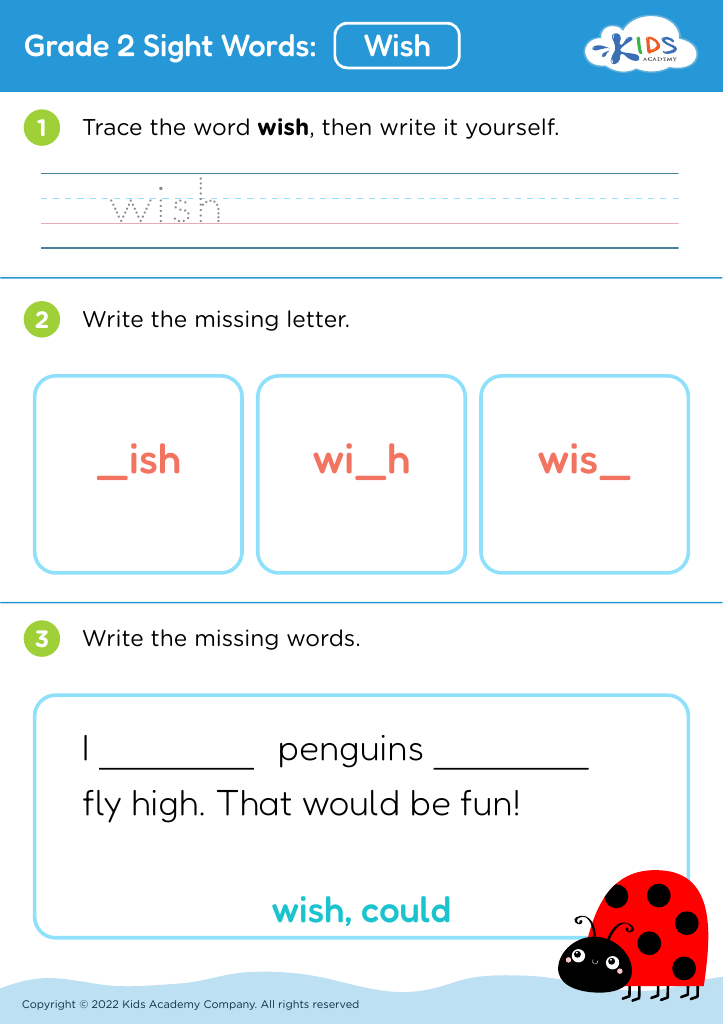







Improving number recognition for children aged 4-9 is vital for several reasons. Firstly, mastering this foundational skill is essential for success in mathematics. Number recognition helps children identify numerals, understand their value, and apply this knowledge to everyday situations, like counting objects, telling time, or handling money. Strong number recognition paves the way for more complex math concepts, including addition, subtraction, and beyond.
Moreover, early number recognition lays the groundwork for cognitive development. When children interact with numbers, they enhance their problem-solving abilities, critical thinking, and spatial awareness. These skills translate not only to math but to various areas of learning and life.
Additionally, fostering a love for numbers can promote confidence and a positive attitude toward learning. If children find joy in recognizing and exploring numbers, they are more likely to engage in math activities, leading to continual growth and increased proficiency.
Finally, involvement from parents and teachers is crucial. Encouraging a supportive environment that includes fun games, songs, and practical applications can enhance students' enjoyment and mastery of number recognition, helping to cultivate a lifelong appreciation for mathematics and learning. Engaging children in this way will give them the tools they need to succeed academically and in real-world situations.








