Increase vocabulary Worksheets for Ages 4-9
3 filtered results
-
From - To
Boost your child’s language skills with our Increase Vocabulary Worksheets for Ages 4-9! These engaging, age-appropriate activities are designed to expand your child's vocabulary and enhance their reading comprehension. Filled with fun and interactive exercises, our worksheets introduce new words and phrases, challenging young minds while keeping them entertained. Perfect for homeschooling or supplementary practice, these printables cover a wide range of topics and difficulty levels to cater to every learner's needs. Help your child succeed in developing a strong vocabulary foundation with our expertly crafted resources, ensuring a bright academic future!
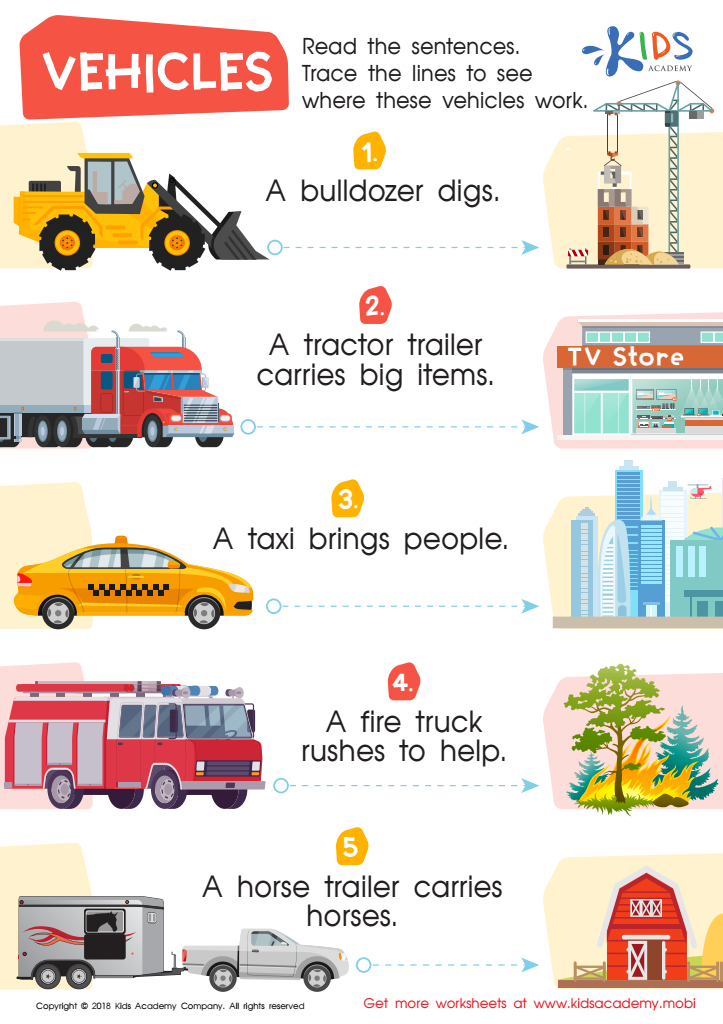
Vehicles Worksheet
 Assign to My Students
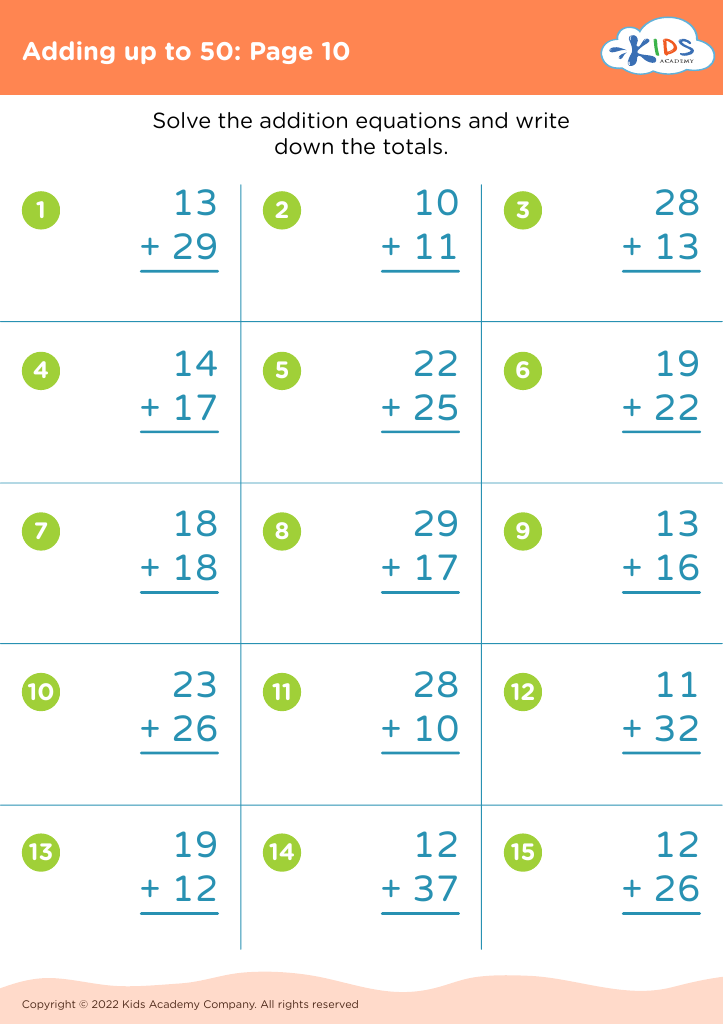
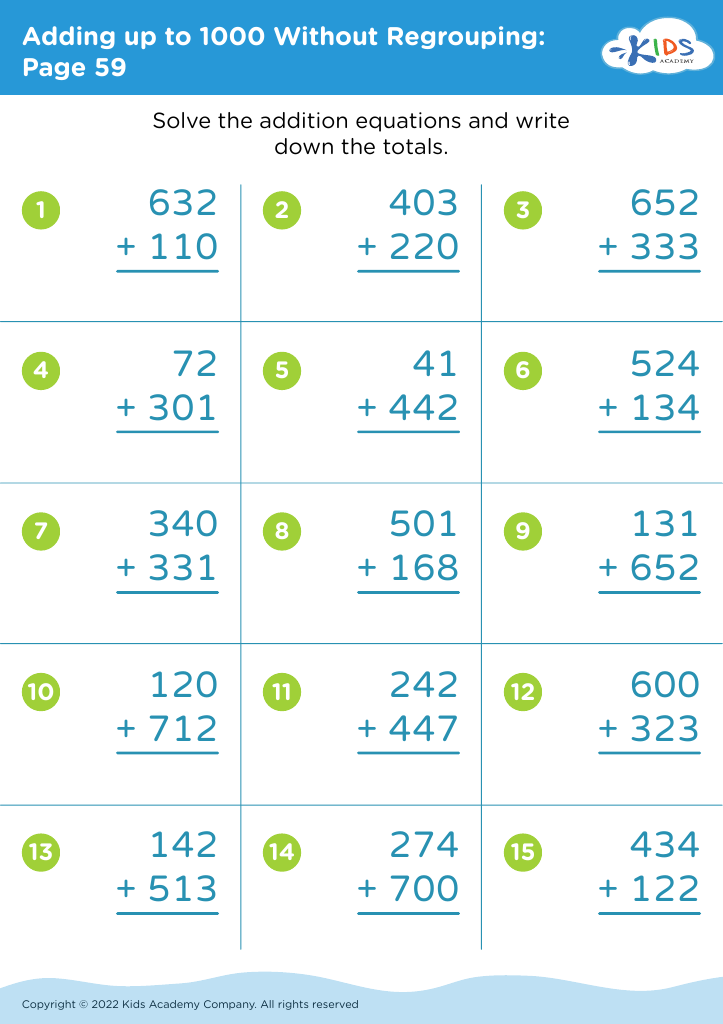








Parents and teachers should prioritize increasing the vocabulary of children aged 4-9 because it forms the cornerstone of their academic and social development. At this critical age, children's brains are like sponges, eagerly absorbing new words and concepts, making it the perfect time to expand their vocabulary. A rich vocabulary aids reading comprehension and enhances cognitive skills, setting a strong foundation for lifelong learning. Children with a more extensive vocabulary can understand lessons better, contribute to discussions, and express themselves clearly and confidently.
Moreover, a wide vocabulary boosts not just academic success but also social skills. Kids with a better grasp of language are more adept at communicating with peers and adults, solving conflicts, and building relationships. Being able to articulate thoughts and emotions effectively reduces frustration and fosters positive interactions.
Additionally, vocabulary development ignites a child’s imagination and curiosity, encouraging them to explore new subjects and ideas. Reading, storytelling, conversations, and educational games create enjoyable and enriching experiences, promoting continuous learning. Furthermore, research shows a strong correlation between vocabulary size in early years and future academic achievement, highlighting its long-term importance. Thus, supporting vocabulary growth ages 4-9 sets the stage for a well-rounded, successful, and engaged individual.








