Matching skills Worksheets for Ages 4-9 - Page 2
35 filtered results
-
From - To
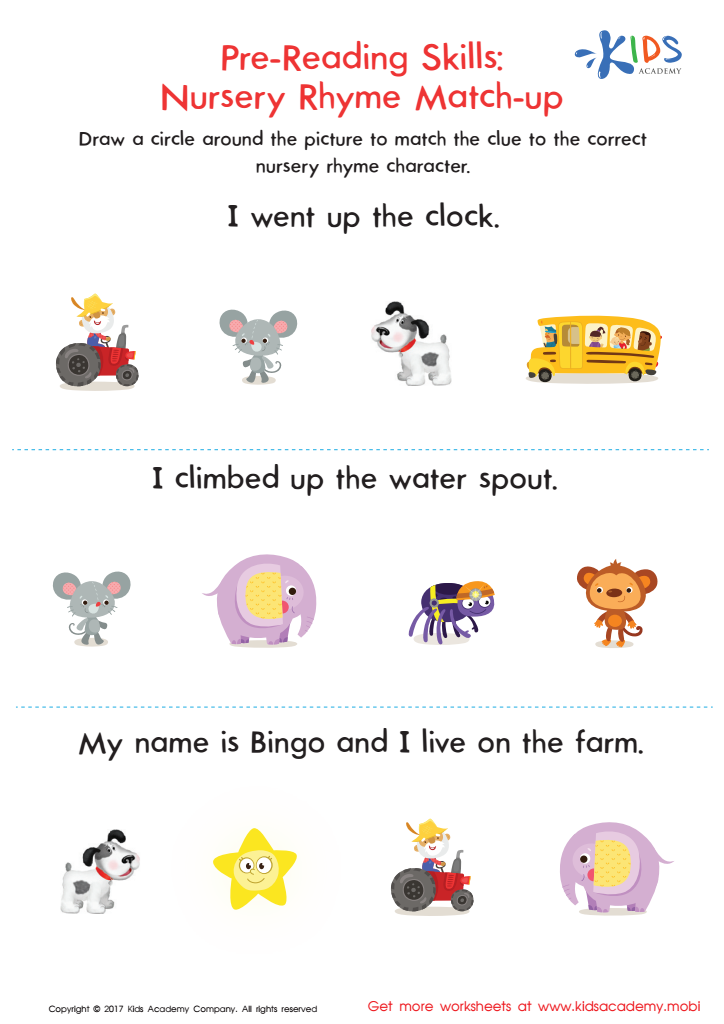
Nursery Rhyme Match–Up Worksheet
 Assign to My Students
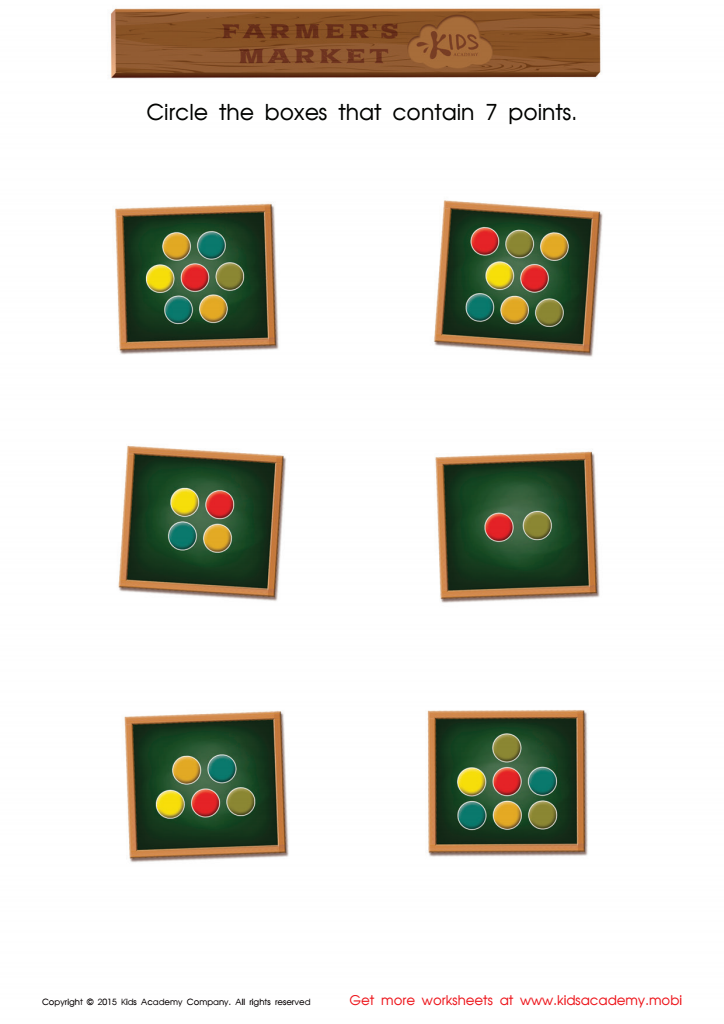
Count and Match Points 7 Math Worksheet
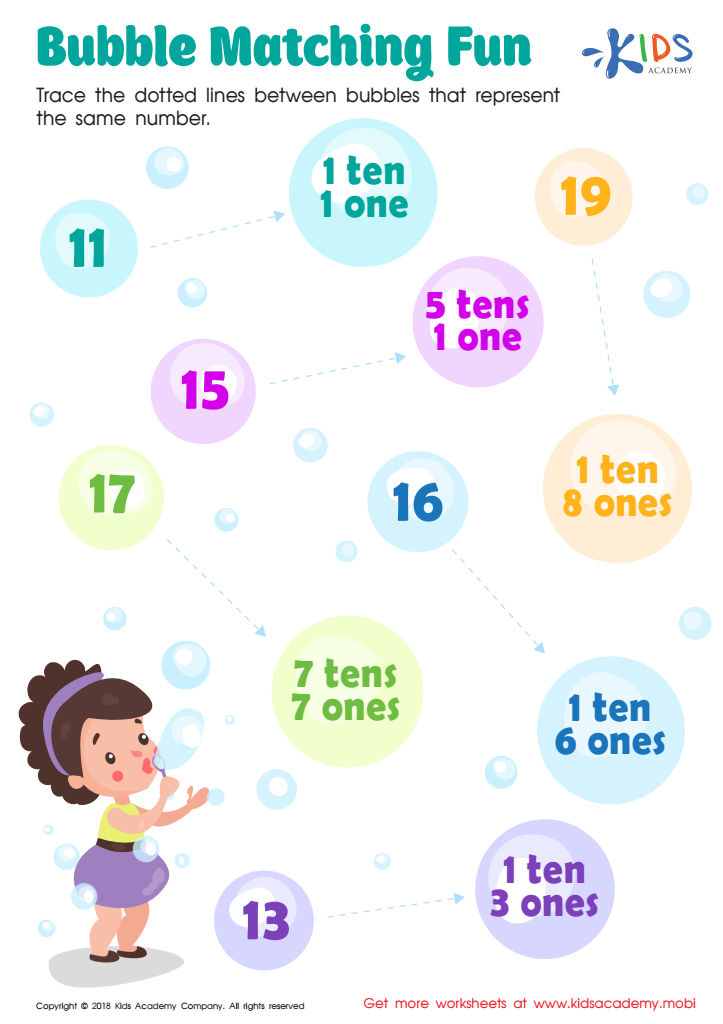
Bubble Matching Fun Worksheet
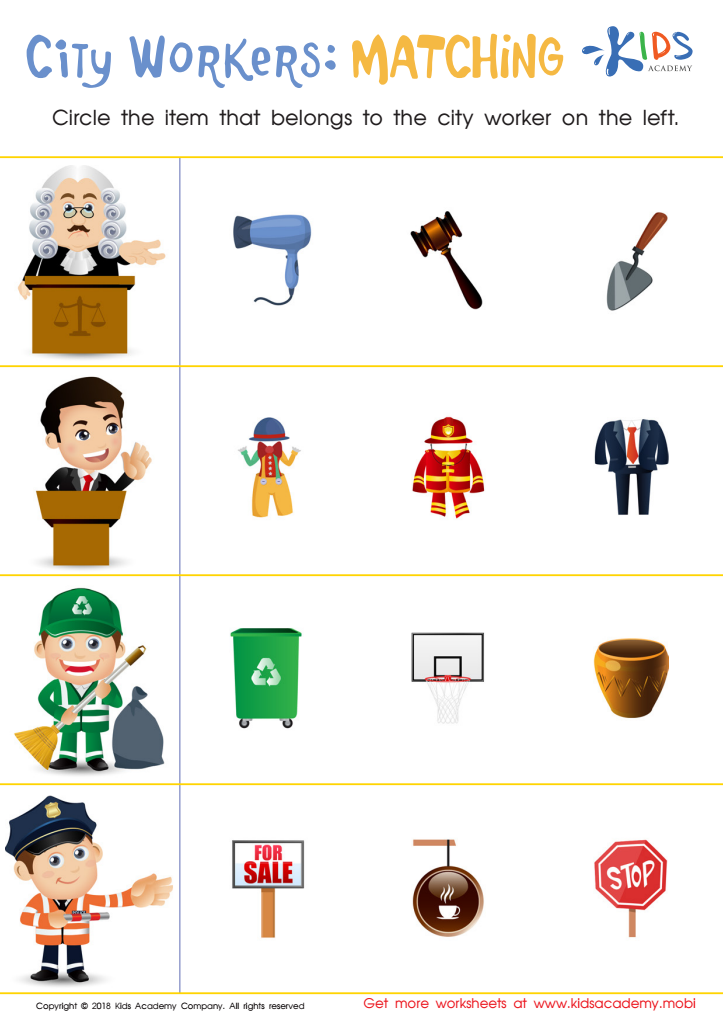
City Workers: Matching Worksheet
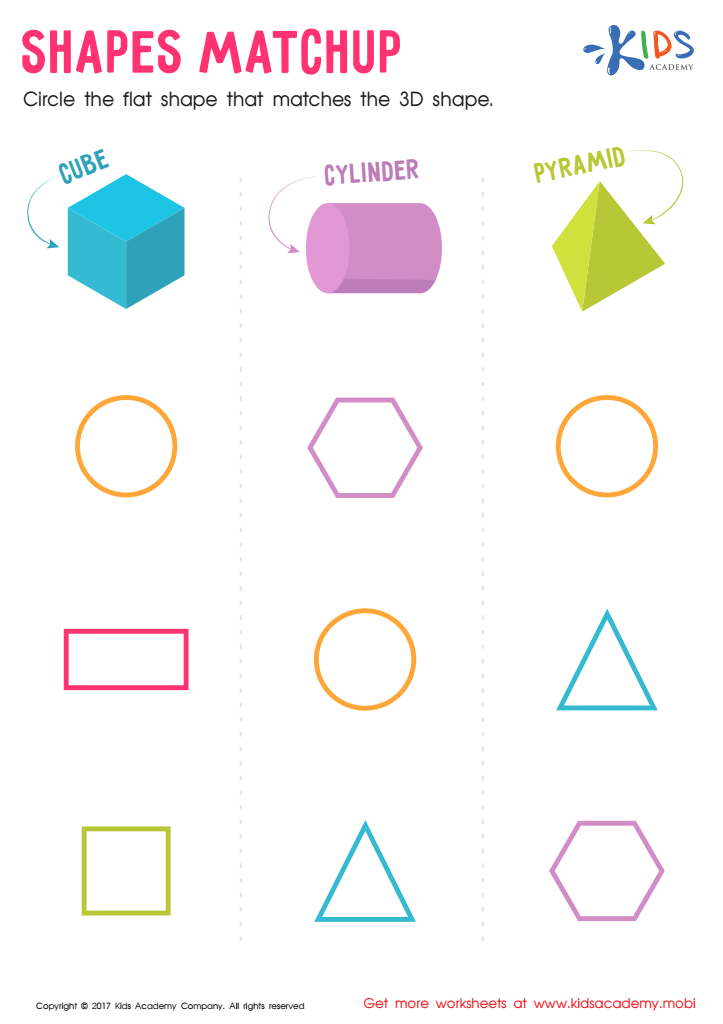
Shapes Matchup Worksheet
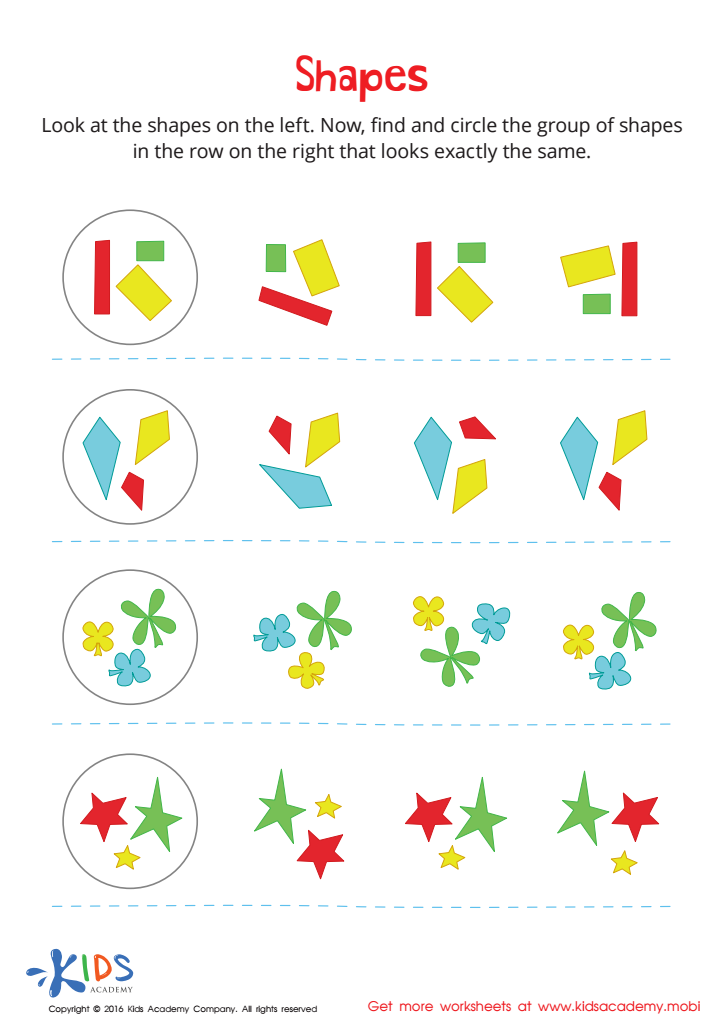
Shapes Worksheet
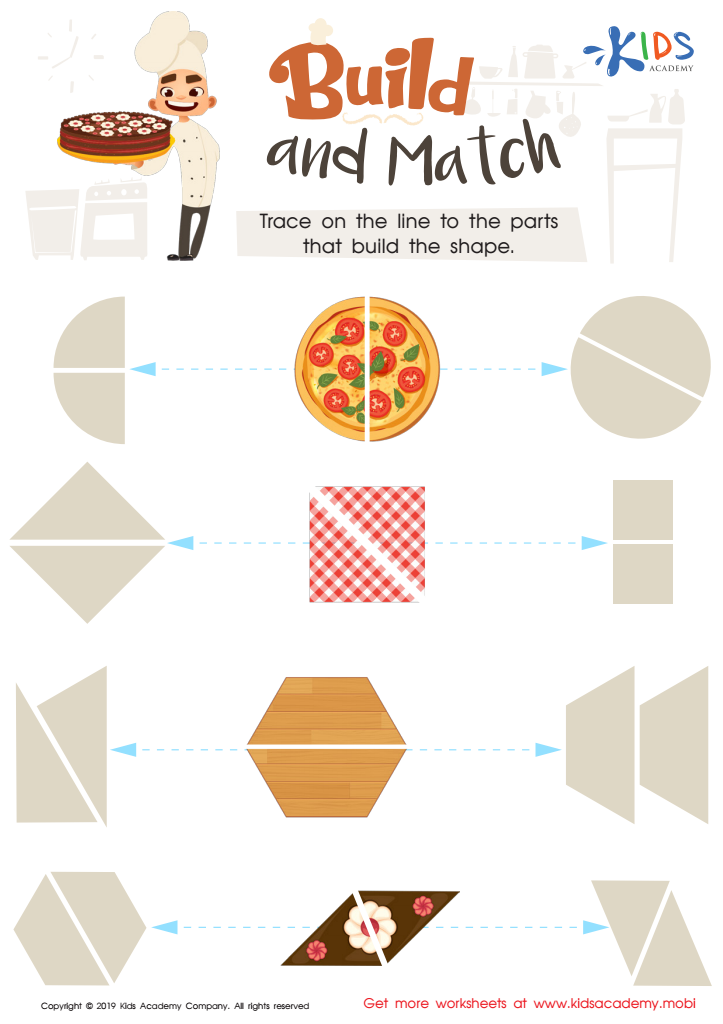
Build and Match Worksheet
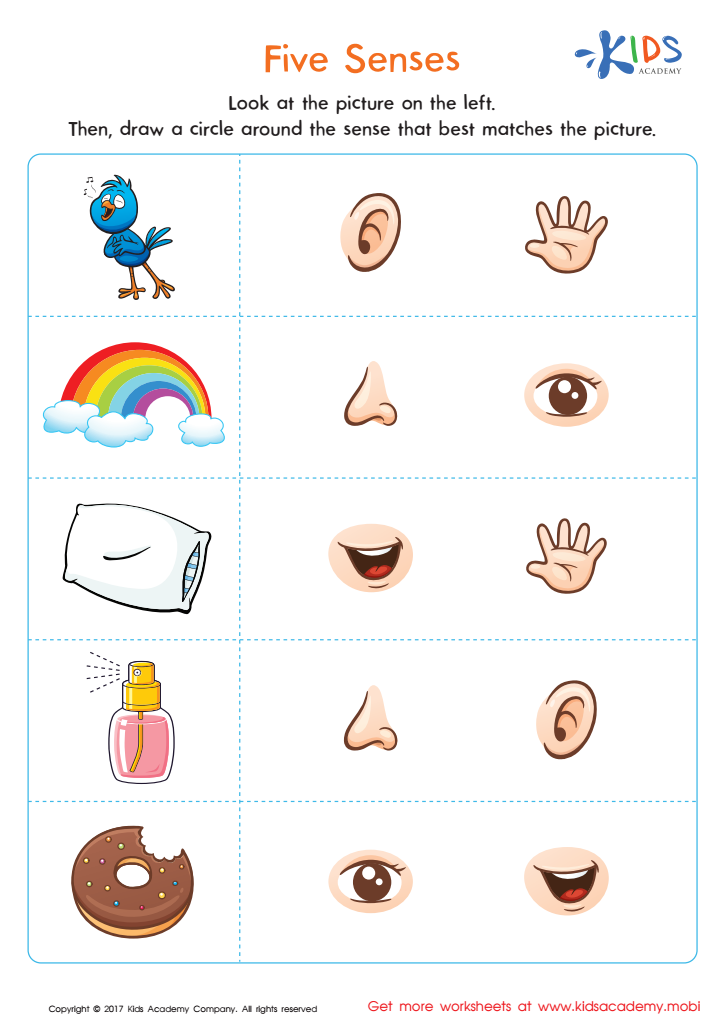
Five Senses Printable
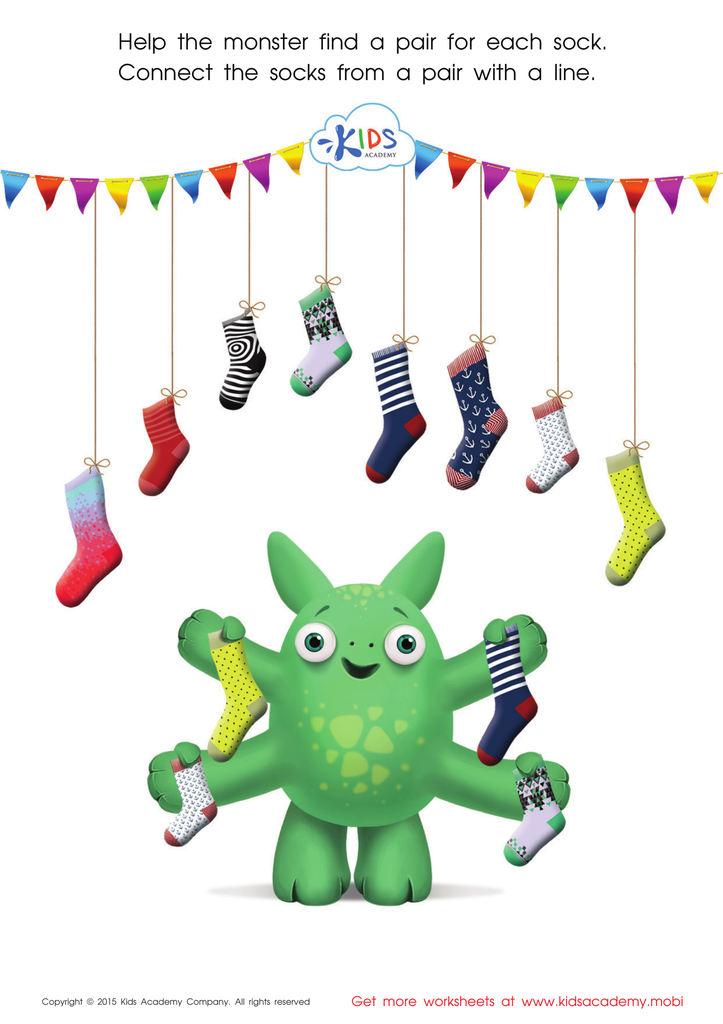
Math Matching Pairs Game: Monsterв's Socks Worksheet
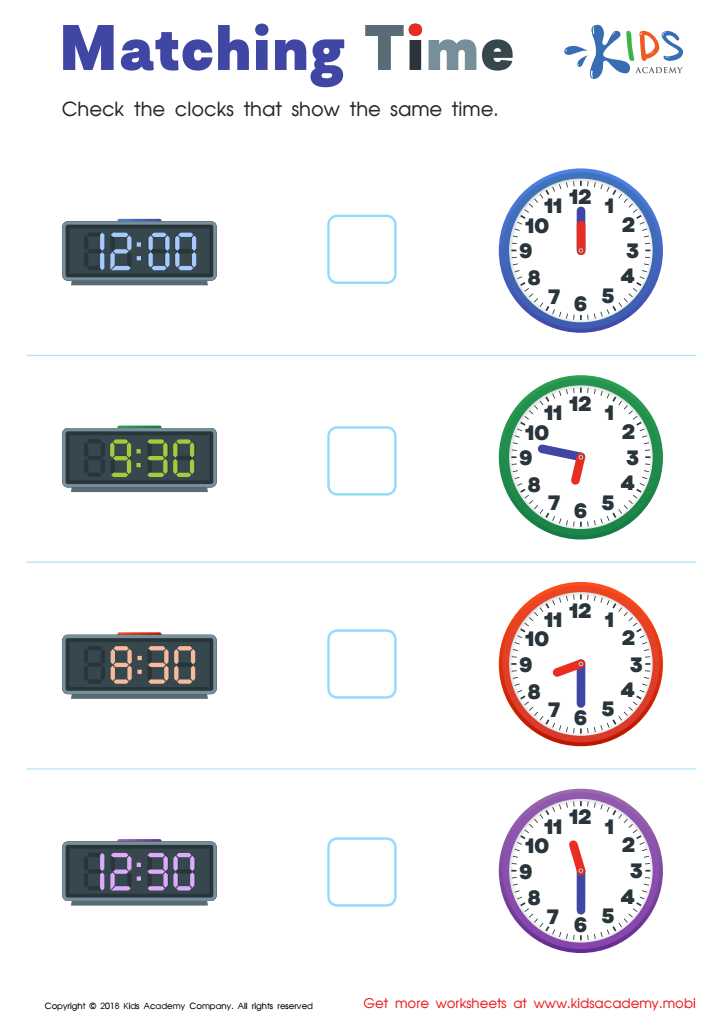
Matching Time Worksheet
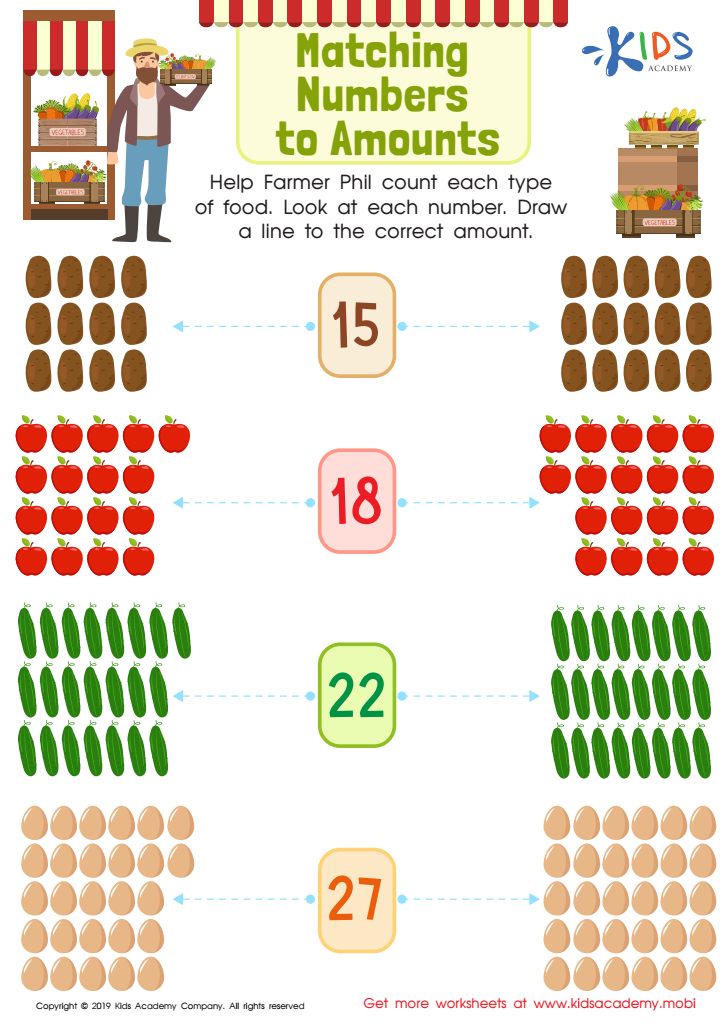
Matching Numbers to Amounts Worksheet



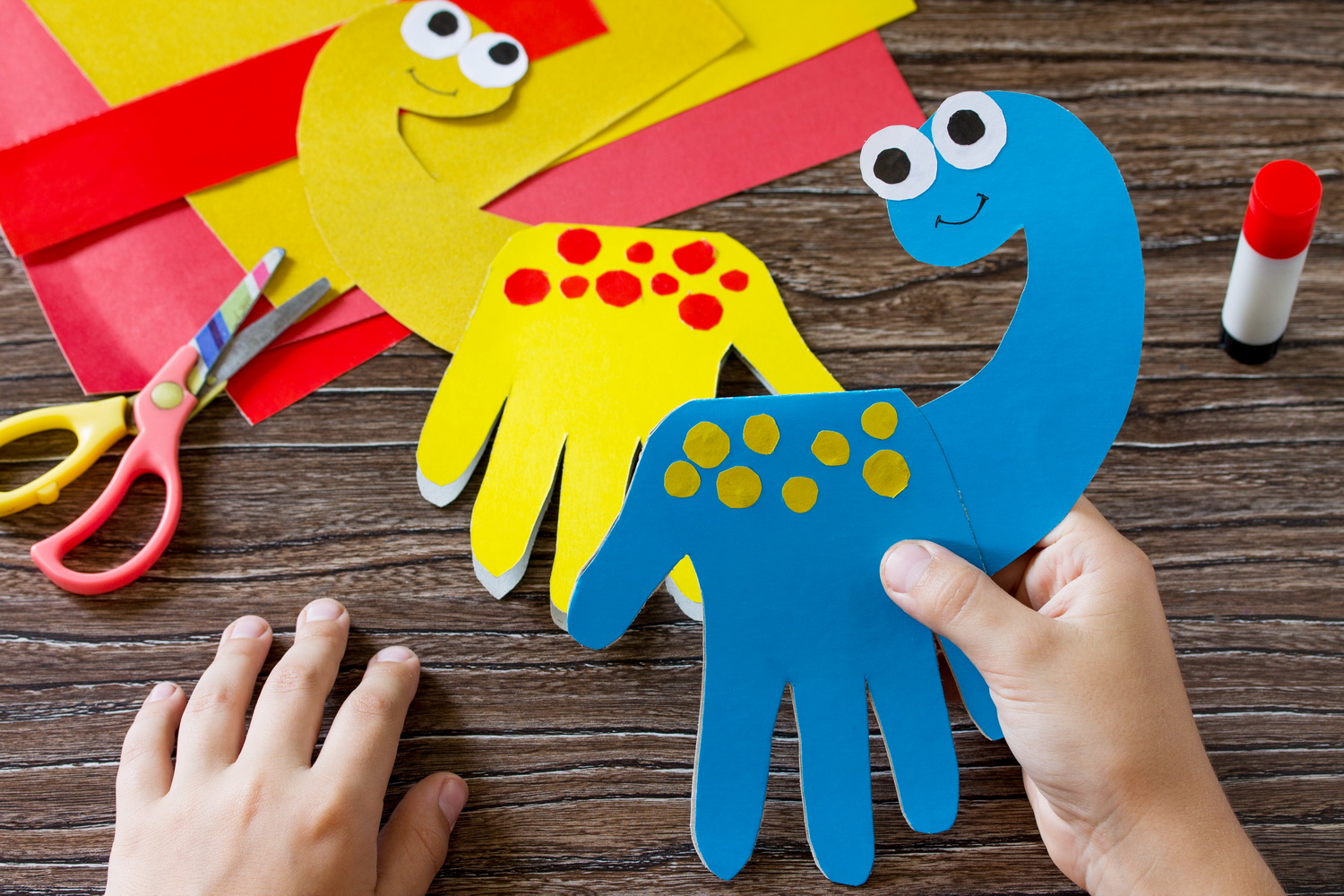



Parents and teachers should prioritize matching skills for children aged 4 to 9 because these skills form the foundation for critical cognitive abilities essential for academic and everyday success. Matching tasks, such as pairing identical items or sorting objects by shape, color, and size, enhance children's ability to recognize similarities and differences, an important precursor to more complex tasks like categorization and classification.
Furthermore, developing matching skills fosters early math competencies. Children learn to identify patterns and make logical connections, which are fundamental concepts in mathematics. These skills also support language development, enhancing vocabulary as children learn to describe the characteristics they observe.
Additionally, engaging in matching activities promotes fine motor skills and enhances concentration and focus, benefiting classroom learning and self-regulation. Strong matching skills can also bolster social interactions, as children learn to collaborate with peers in sorting or matching games.
Moreover, early proficiency in matching can boost children's confidence in their problem-solving abilities, preparing them for future challenges. Thus, by fostering matching skills, parents and teachers can provide kids with critical tools that support their overall development and pave the way for lifelong learning and adaptive skills.








