
Mental math practice Worksheets for Ages 4-9
14 filtered results
Difficulty Level
Grade
Age
-
From - To
Subject
Activity
Standards
Unlock your child’s potential with our engaging Mental Math Practice Worksheets, tailored for kids aged 4-9. Designed by educational experts, these printable materials focus on enhancing arithmetic skills, boosting cognitive abilities, and building confidence in young learners. Our diverse activities include fun puzzles, interactive games, and challenging problems to practice addition, subtraction, multiplication, and division. Watch as your child joyfully masters mental math while developing crucial critical thinking and problem-solving skills. Ideal for preschool through 3rd grade, these worksheets make learning math a fun and rewarding adventure. Explore today to support your child's educational journey!
Favorites
With answer key
Interactive
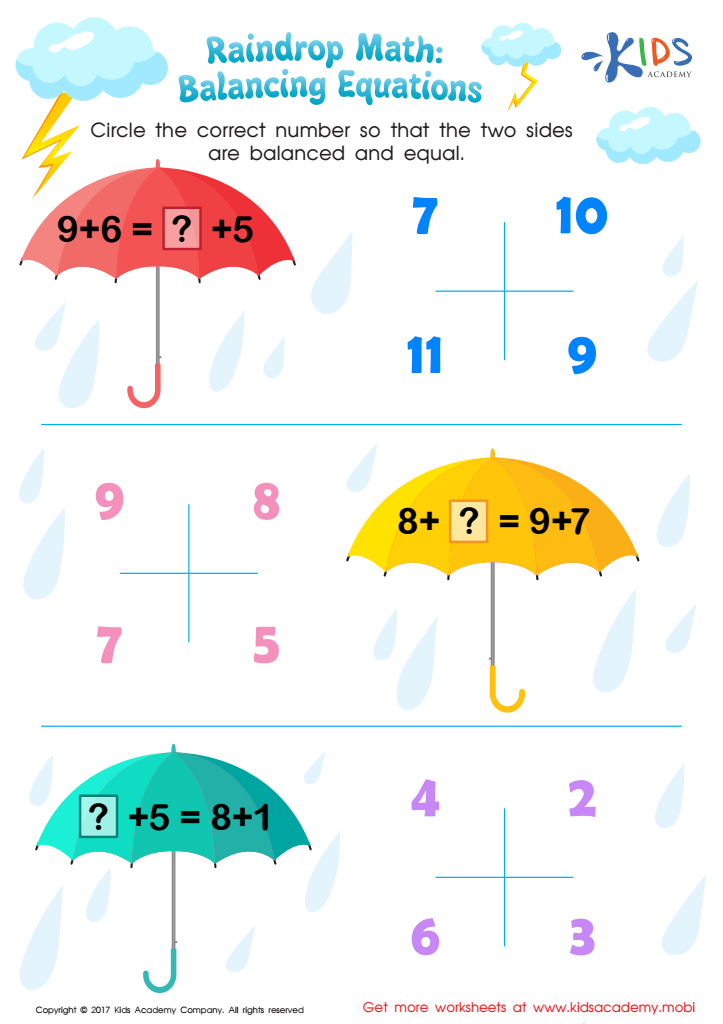
Raindrop Math Printable
It will help them think deeper about equations, form a foundation for early algebraic thinking, and gain a better sense of numeracy. Plus, they get to practice simple addition skills.
 Assign to My Students
Raindrop Math Printable
Worksheet
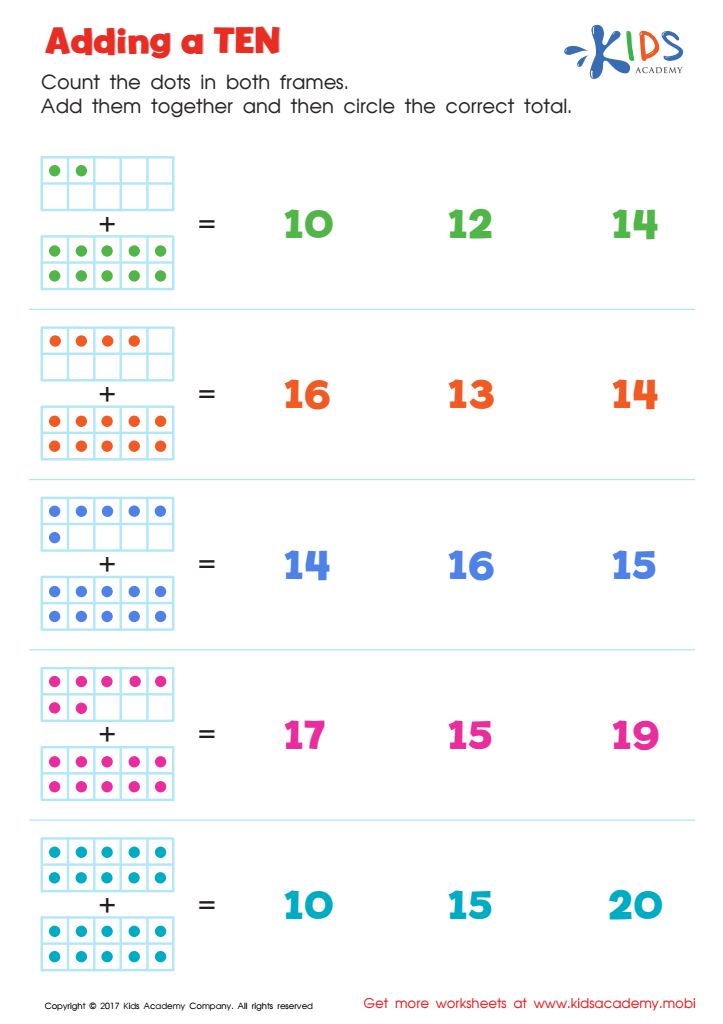
Adding a Ten Worksheet
Kids Academy offers a colorful addition worksheet with counters in frames to help students learn to add by tens. This skill is essential for students to develop critical math skills and create a foundation for future math concepts. Visual aids aid in mastering this early skill, so get started learning today!
Adding a Ten Worksheet
Worksheet
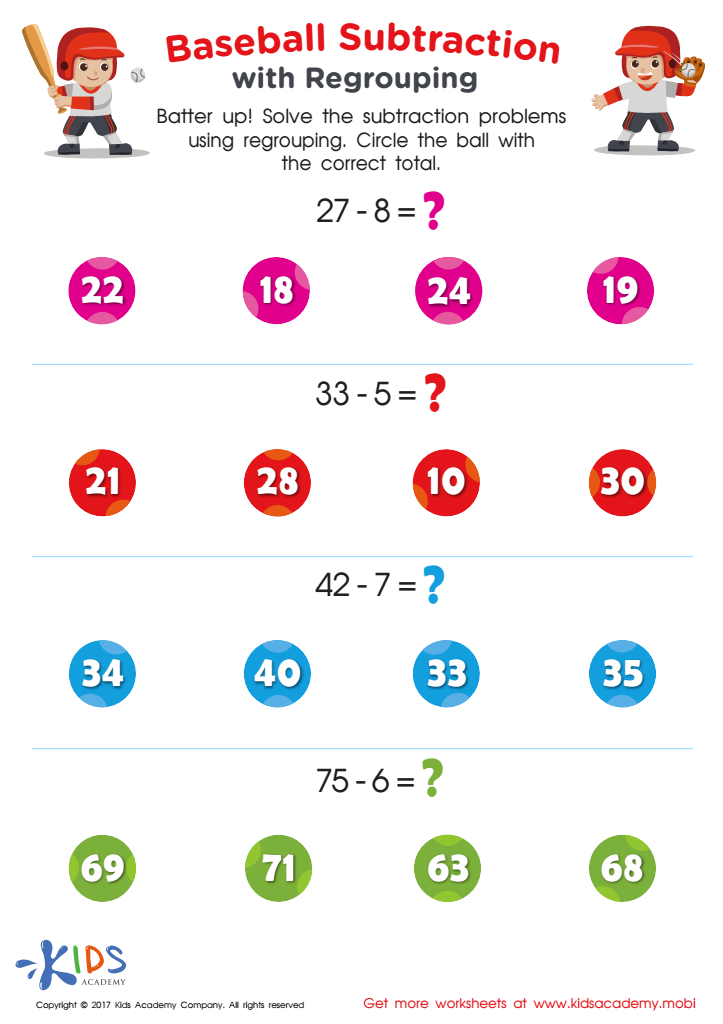
Subtraction With Regrouping for 2nd Grade Worksheet
Kids solve two-digit subtraction problems using regrouping and color in the baseballs.
2nd graders may find regrouping for subtraction tricky, so give them a helping hand with this fun worksheet! They practice two-digit subtraction and regrouping by coloring in baseballs as they solve the problems. Let them practice the skill and enjoy the game at the same time.
Subtraction With Regrouping for 2nd Grade Worksheet
Worksheet
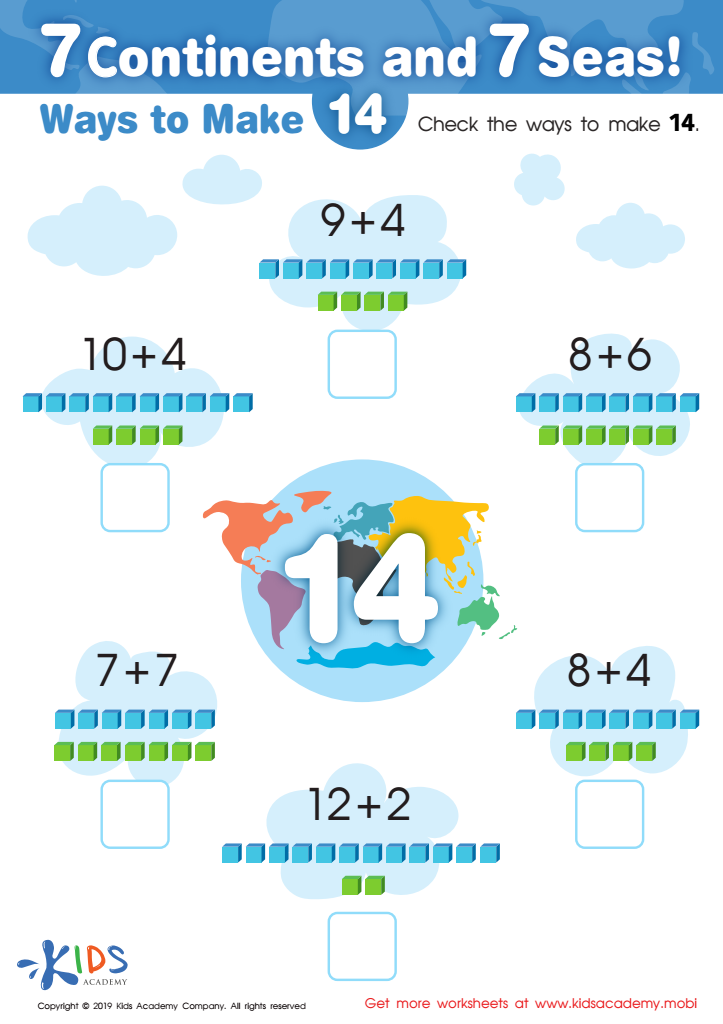
7 Continents and 7 Seas Worksheet
Remind kids of the continents and show them how different numbers can add up to the same figure. Give examples, like 2+2 =4, and 3+1 =4. Ask if they can provide other examples, then work through the simple additions in this worksheet with them. Ask them to circle all equations that make 14.
7 Continents and 7 Seas Worksheet
Worksheet
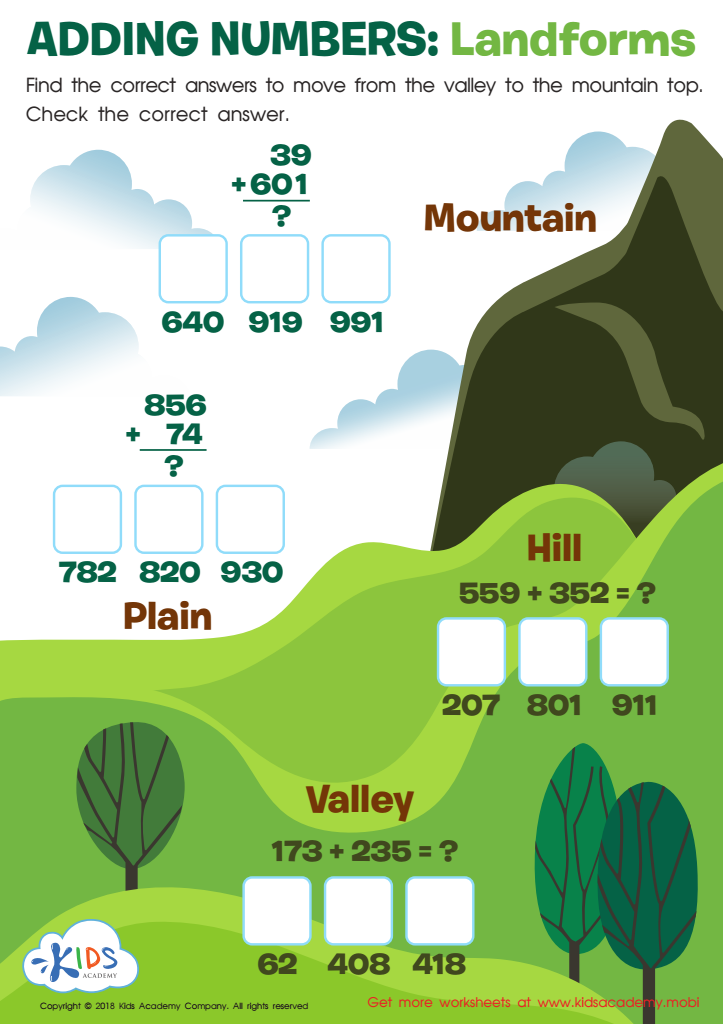
Adding Numbers: Landforms Worksheet
Help your kids solve simple equations and find the right answers to climb from valley to mountain top, then check the correct answer. Land on Earth is home to plants, animals and humans. It's not flat; there are mountains, valleys and hills.
Adding Numbers: Landforms Worksheet
Worksheet
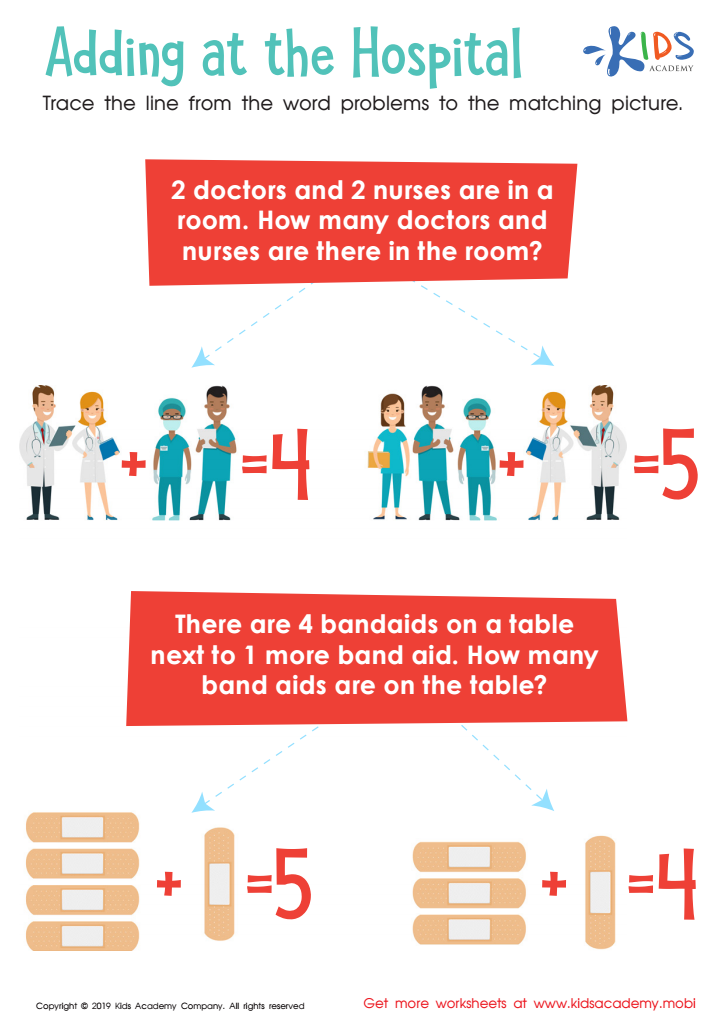
Adding at the Hospital Worksheet
A hospital visit doesn't have to be scary for kids. With this worksheet, they can count along with doctors and nurses, by reading the word problems and tracing lines to the corresponding picture. Guide them through it and you'll help them have a fun experience.
Adding at the Hospital Worksheet
Worksheet
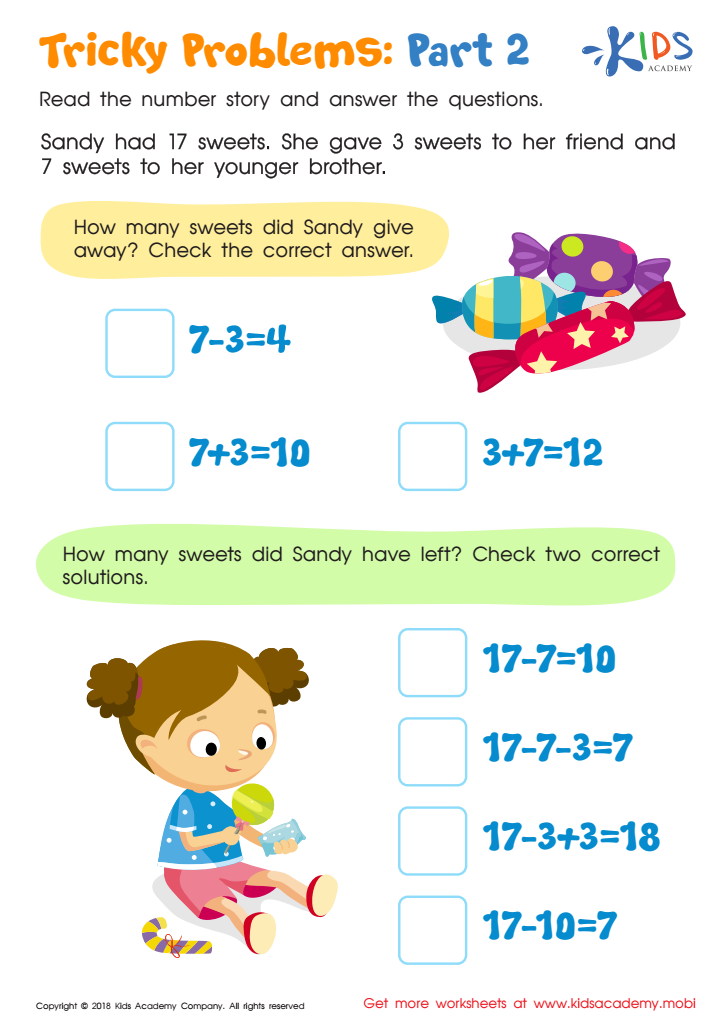
Tricky Problems Worksheet: Part 2
Help your little math learner visualize number stories with this engaging worksheet. They'll connect pictures to the story and use math facts to find the sums. After that, they'll be able to identify the correct number sentences to match. Let them practice and get better at problem solving!
Tricky Problems Worksheet: Part 2
Worksheet
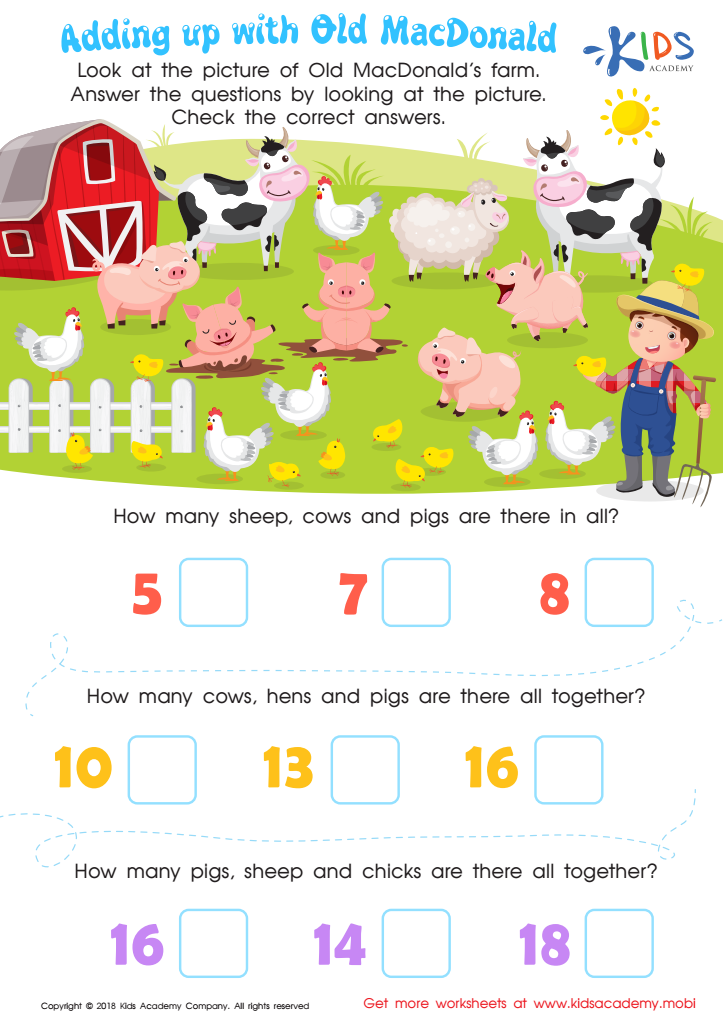
Adding Up with Old MacDonald Worksheet
Old MacDonald needs help counting his animals! Give your little math whiz a fun challenge with a free PDF worksheet. They'll love counting the animals and doing basic addition with two or three addends. Who knew math could be so much fun on the farm?
Adding Up with Old MacDonald Worksheet
Worksheet
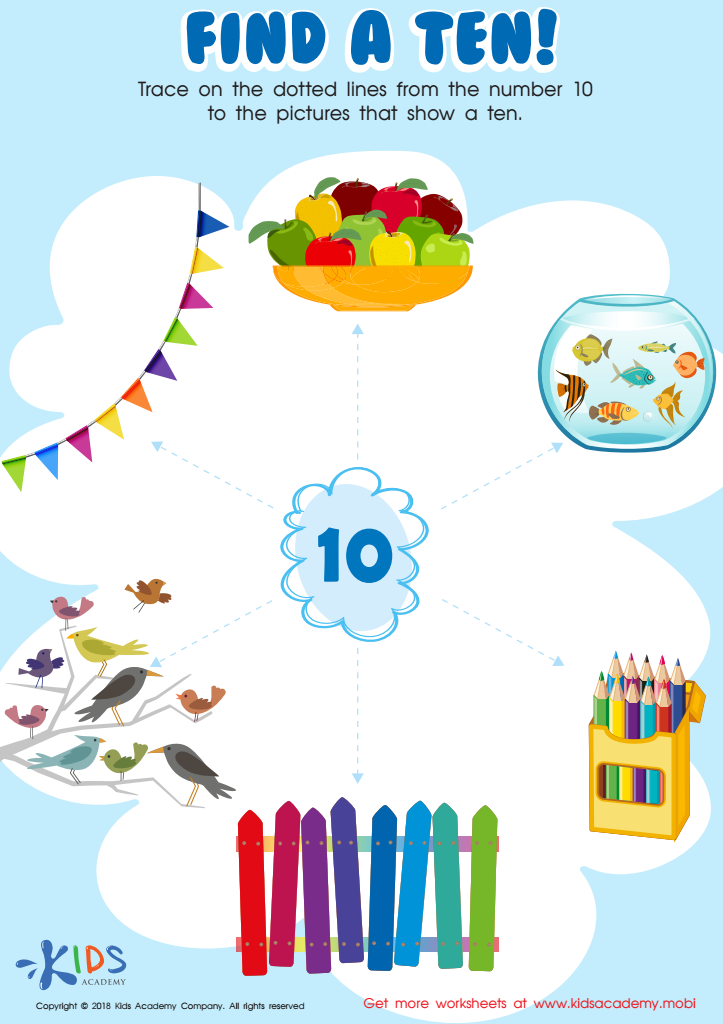
Kindergarten Math Worksheet: Find a Ten
Help your child learn to count to 10 joyfully with this kindergarten math worksheet: Find a Ten! It's full of vivid images to make counting easier. Just count the items in each picture and trace the dotted lines for the correct answer.
Kindergarten Math Worksheet: Find a Ten
Worksheet
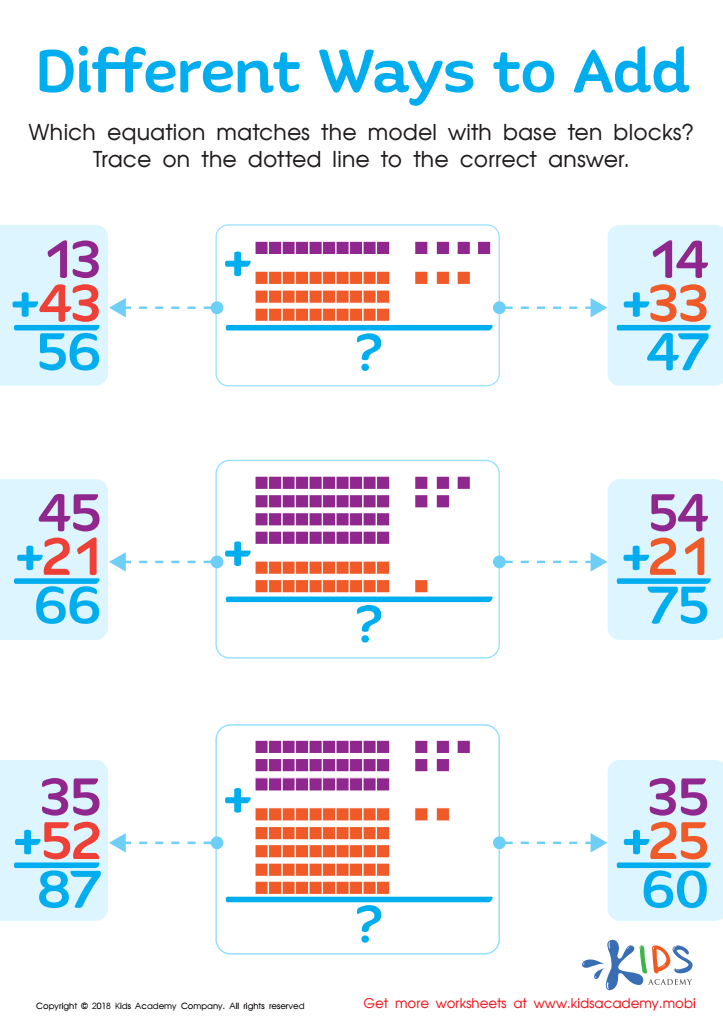
Different Ways to Add Worksheet
This worksheet enhances math skills by having students match equations to base ten pictures and tracing lines. It not only helps with fine motor skills, but also encourages number sense, with various ways to add and build upon existing math knowledge.
Different Ways to Add Worksheet
Worksheet
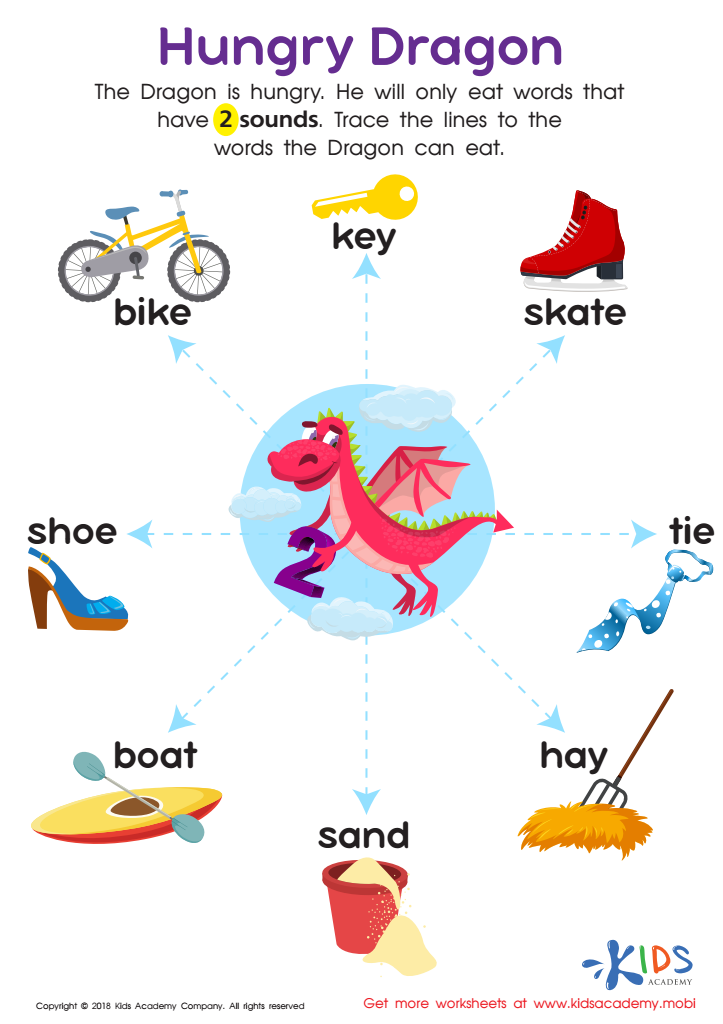
Hungry Dragon Worksheet
Feed the dragon words and watch your child strengthen their phonological awareness and auditory discrimination skills! Download this free PDF for tracing exercises that build their fine motor skills too. Kids will love spending time with the cute dragon while they unwittingly learn reading skills!
Hungry Dragon Worksheet
Worksheet
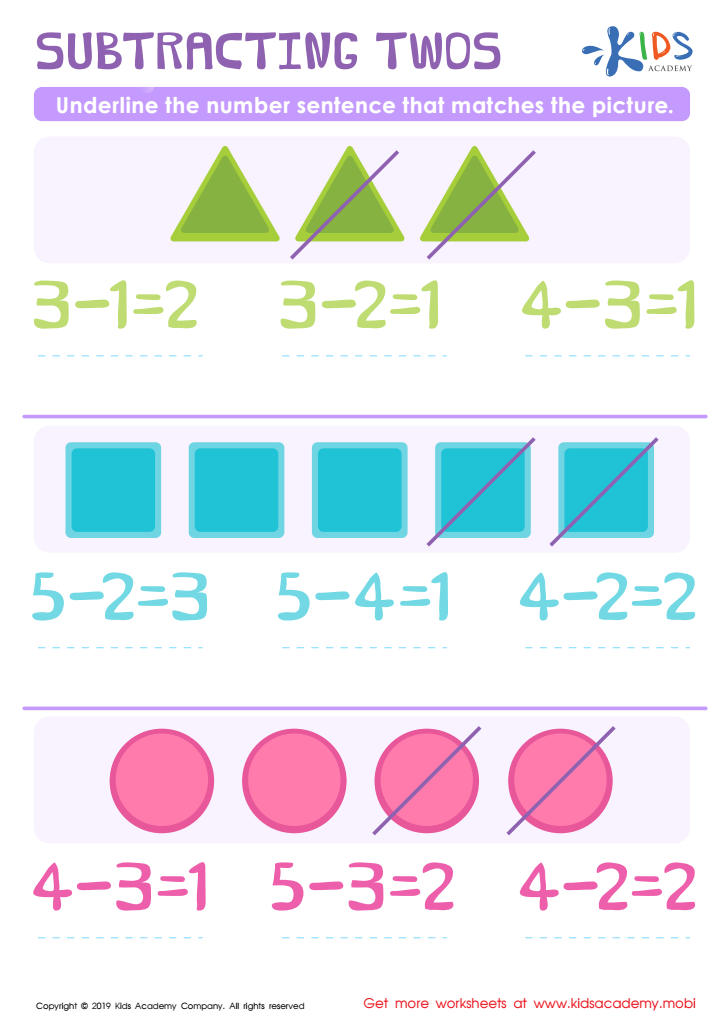
Subtracting Twos Worksheet
Help your children learn the basics of math with this worksheet. It has three number sentences they can match up with the pictures. Start by making math an enjoyable subject and help your kids underline the equation that matches up. This will give them a strong foundation to build on for the rest of their math journey.
Subtracting Twos Worksheet
Worksheet
Join Kids Academy for Free
Who is primarily going to use this learning content?



.jpg)


Parents and teachers should care about mental math practice for ages 4-9 because it establishes a strong foundation for future mathematical learning and critical thinking. At this young age, children's brains are exceptionally receptive to new information, and engaging them in mental math exercises helps them to develop quick and accurate calculation skills, boost their number sense, and improve their overall cognitive abilities.
Mental math encourages children to think about numbers flexibly and strategically, promoting problem-solving skills and logical reasoning. This form of math also builds confidence, as children who can solve problems in their heads feel more assured of their abilities. Moreover, using mental math in day-to-day activities demonstrates to children that math is practical and useful, fostering a positive attitude towards the subject and reducing anxiety or aversion associated with math as they grow older.
In addition, mental math develops working memory and attention span, as children need to hold and manipulate numbers mentally. These skills are not only crucial in academic settings but are also valuable life skills. By prioritizing mental math practice, educators and parents ensure that children are equipped with essential tools that support their academic journey and beyond. Hence, this practice is an investment in a child’s overall intellectual growth and confidence.








