Number ordering Worksheets for Ages 4-9
3 filtered results
-
From - To
Discover our engaging Number Ordering Worksheets for ages 4-9 at Kids Academy! Specifically crafted for young learners, these activities are perfect for developing essential math skills. Children will learn to sequence numbers, understand greater than and less than concepts, and improve their counting abilities. Our worksheets include colorful illustrations and fun exercises that make learning enjoyable and effective. Whether at home or in the classroom, students will build a strong foundation in number recognition and ordering. Start exploring our diverse collection of number ordering worksheets and watch your child's confidence in math grow!
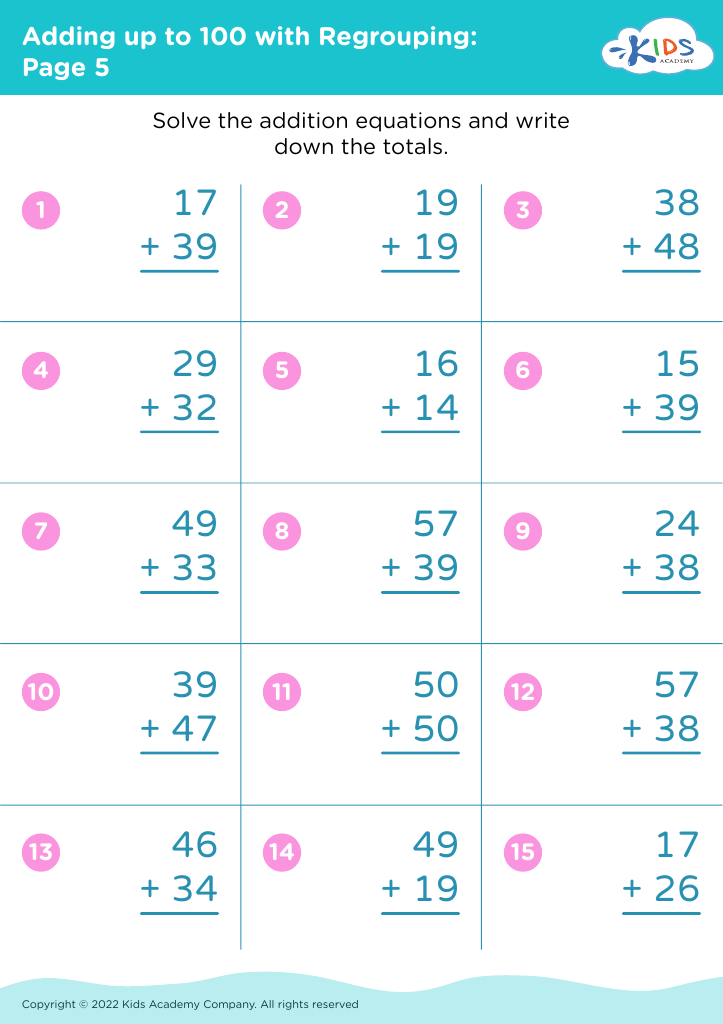
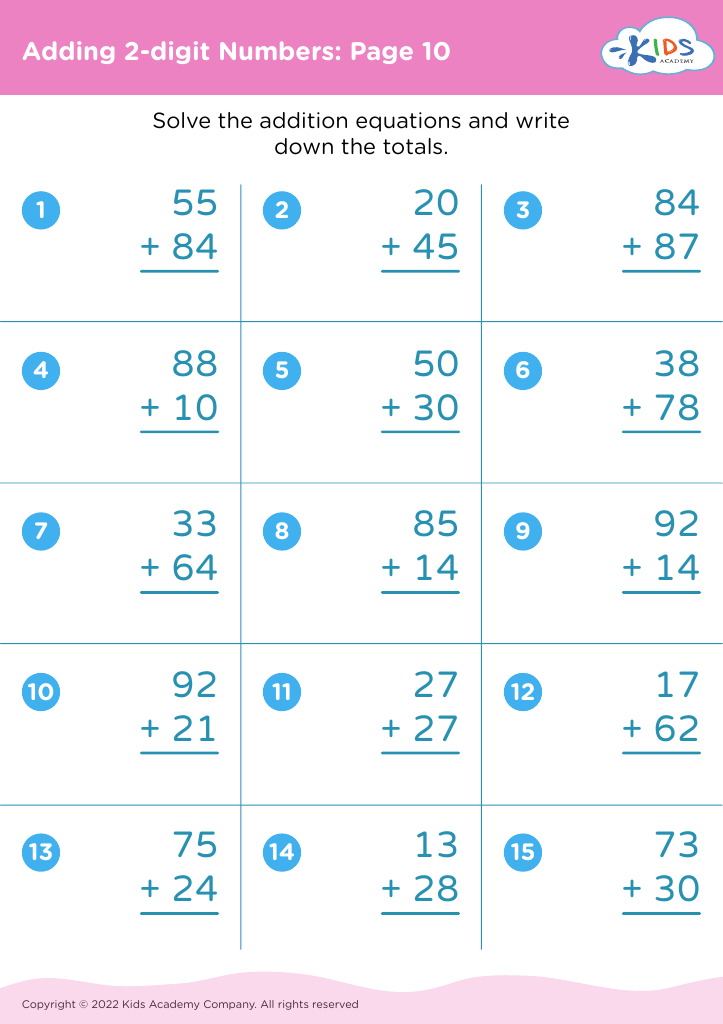
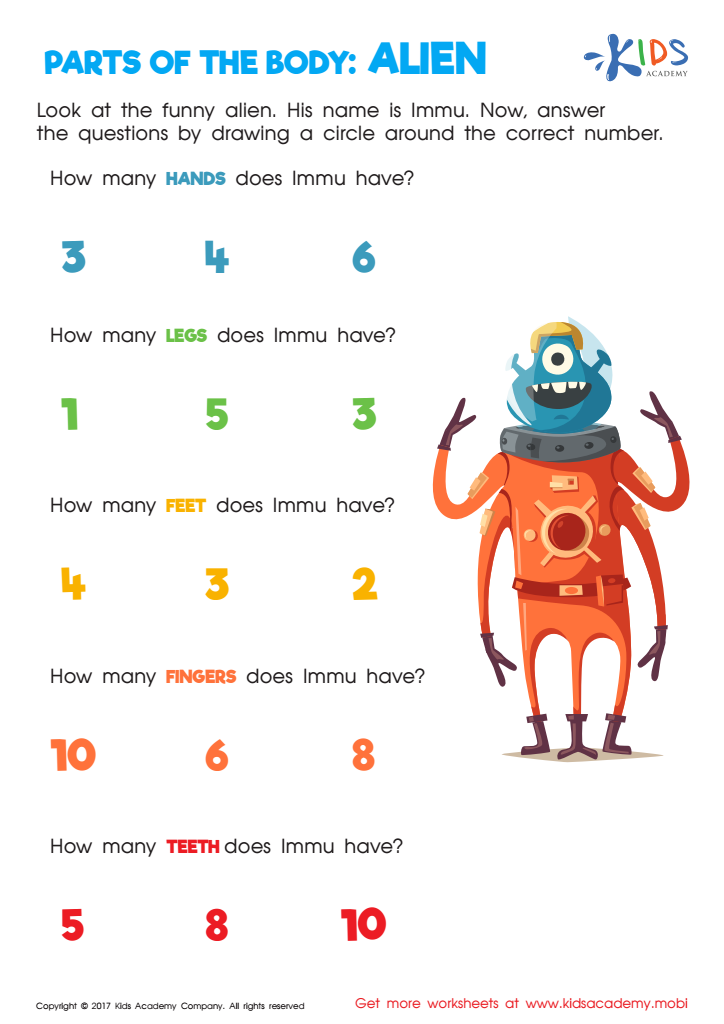
Alien Worksheet
 Assign to My Students








Number ordering is a crucial skill for young children aged 4-9, as it lays the foundation for their future mathematical understanding. Parents and teachers should care about teaching number ordering because it helps children comprehend the concept of sequence and the relationships between numbers, which are fundamental for arithmetic operations such as addition, subtraction, multiplication, and division.
By learning to order numbers, children develop a sense of numerical order, which is essential for understanding more complex mathematical concepts like place value, measurement, and data interpretation. This skill also boosts problem-solving abilities and logical thinking, as they learn to organize and categorize information.
Number ordering activities compel children to pay attention to detail, enhance their memory, and improve concentration. For instance, arranging numbers through engaging activities like puzzles or games makes the learning process enjoyable, reinforcing their ability to count forward and backward, skip-count, and ultimately grasp the notion of numerical hierarchy.
Moreover, early proficiency in number ordering can lead to greater confidence and enthusiasm in math overall, diminishing math anxiety. When children master basic math skills early, it sets them up for academic success across all subjects, as numeracy skills are interlinked with many areas of the broader curriculum.
In summary, early focus on number ordering is vital, as it nurtures well-rounded, math-capable students, positioned to excel in their future academic endeavors.








