Numerical comparisons Worksheets for Ages 4-9
3 filtered results
-
From - To
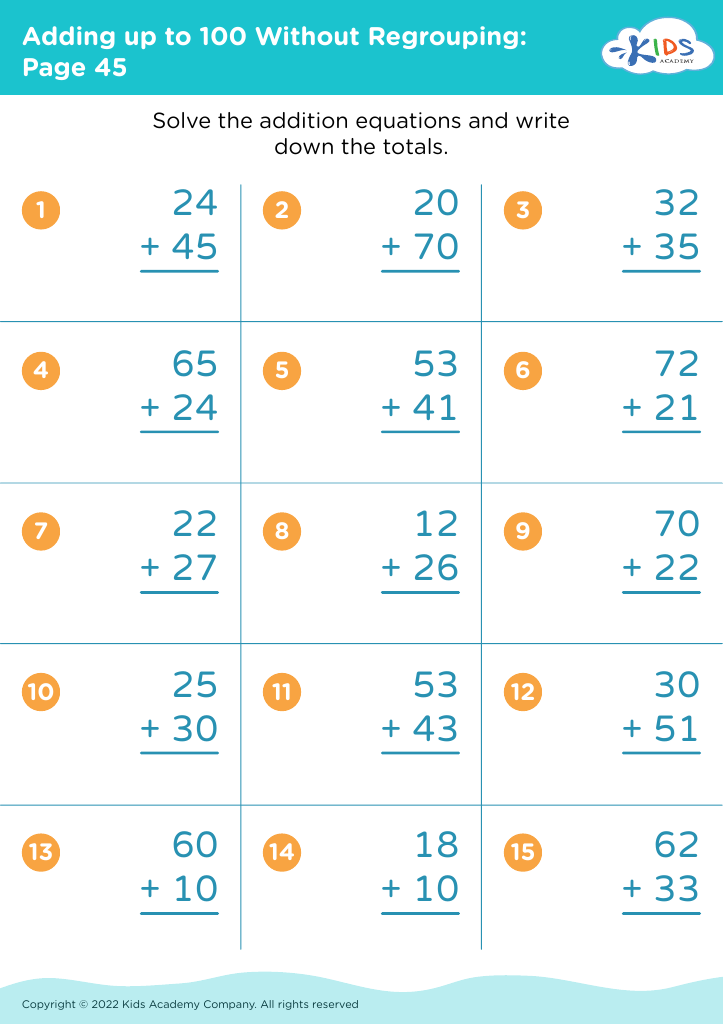
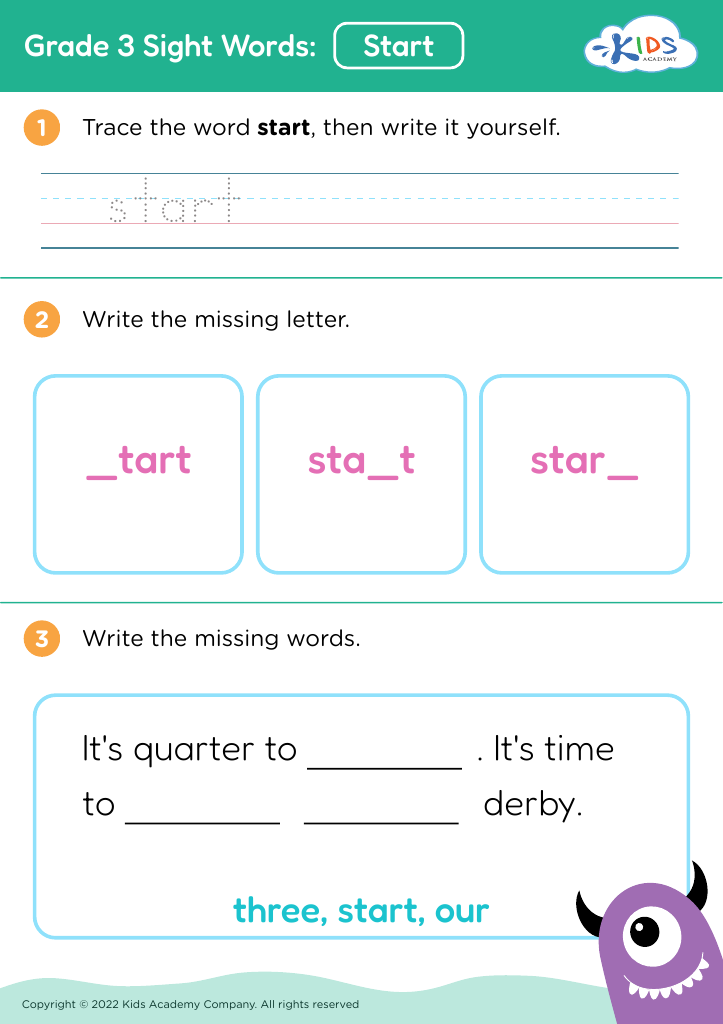
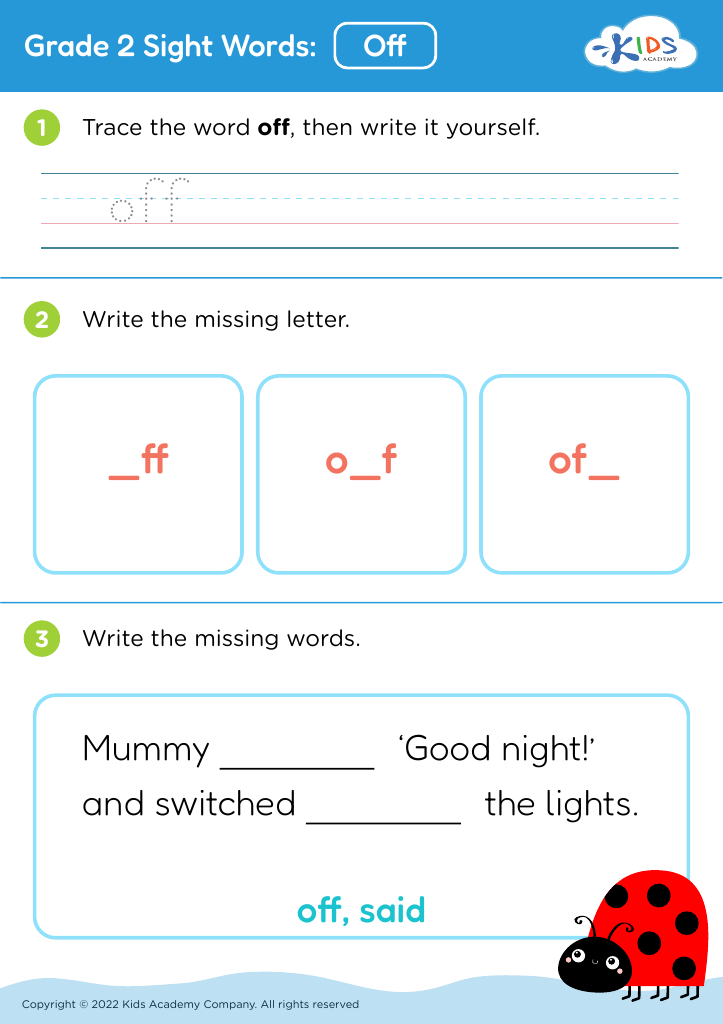
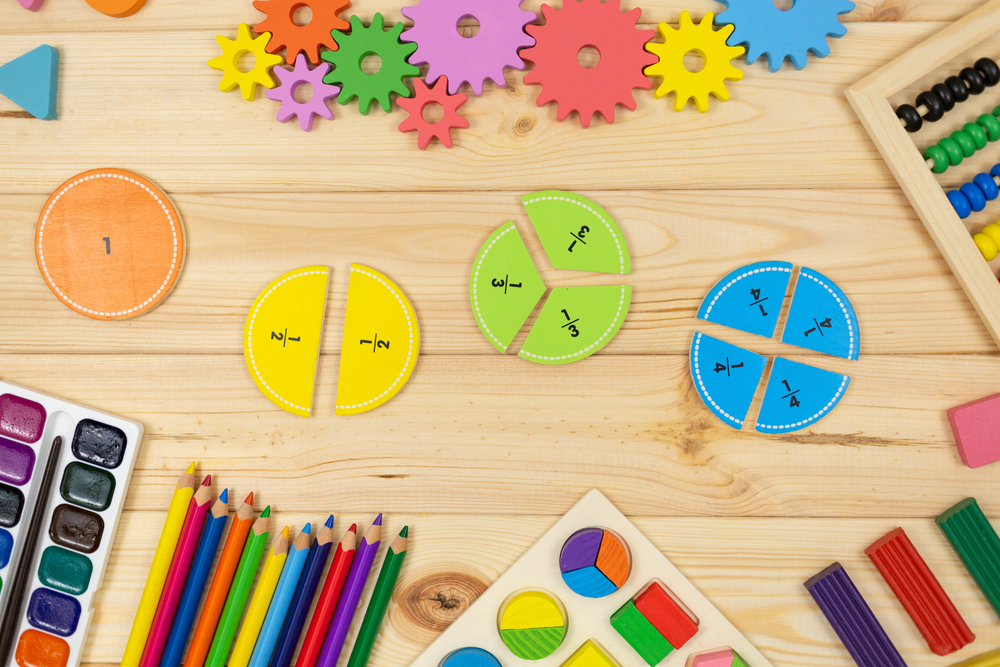
Unlock the world of numbers with our engaging Numerical Comparisons Worksheets designed for children aged 4-9. These thoughtfully crafted activities help young learners develop essential math skills, such as understanding greater than, less than, and equal to. Your child will enjoy various fun exercises, including comparing quantities, identifying numerical relationships, and completing vibrant visuals. Our worksheets encourage critical thinking and enhance problem-solving abilities while keeping learning interactive and enjoyable. Perfect for at-home practice or classroom settings, these resources provide a solid foundation in numerical concepts that pave the way for future math success. Discover the joy of learning with Kids Academy today!







Parents and teachers should prioritize understanding numerical comparisons for children ages 4 to 9 because this foundational skill plays a crucial role in early math development. During these formative years, children are rapidly acquiring essential cognitive abilities. Mastering numerical comparisons—understanding differences in size, quantity, or value—helps them build a concept of number sense that is critical for later learning in mathematics.
Numerical comparisons facilitate critical thinking and problem-solving. When children learn to compare numbers, they develop skills like ordering, estimating, and measuring, which are essential not only in math but in everyday situations, such as shopping or cooking. Engaging in these practices also fosters confidence, as children learn to apply their knowledge in practical contexts.
Moreover, early numerical comparisons support academic achievement, forming the basis for more advanced concepts like addition, subtraction, and ultimately complex problem-solving tasks. When parents and teachers emphasize the importance of these skills, they equip children with the tools needed for future success in academics and beyond. Engaging children through games and interactive activities can make learning about numerical comparisons enjoyable, ensuring they develop a positive attitude toward math and its applications.








