
Numerical problem solving Worksheets for Ages 4-9
6 filtered results
Difficulty Level
Grade
Age
-
From - To
Subject
Activity
Standards
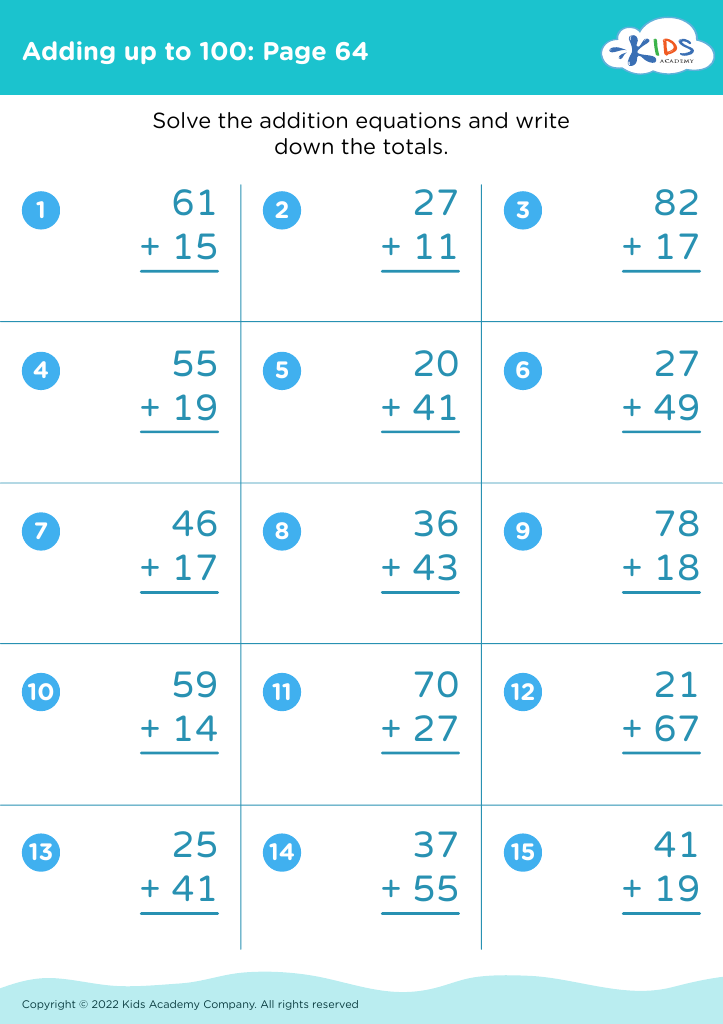
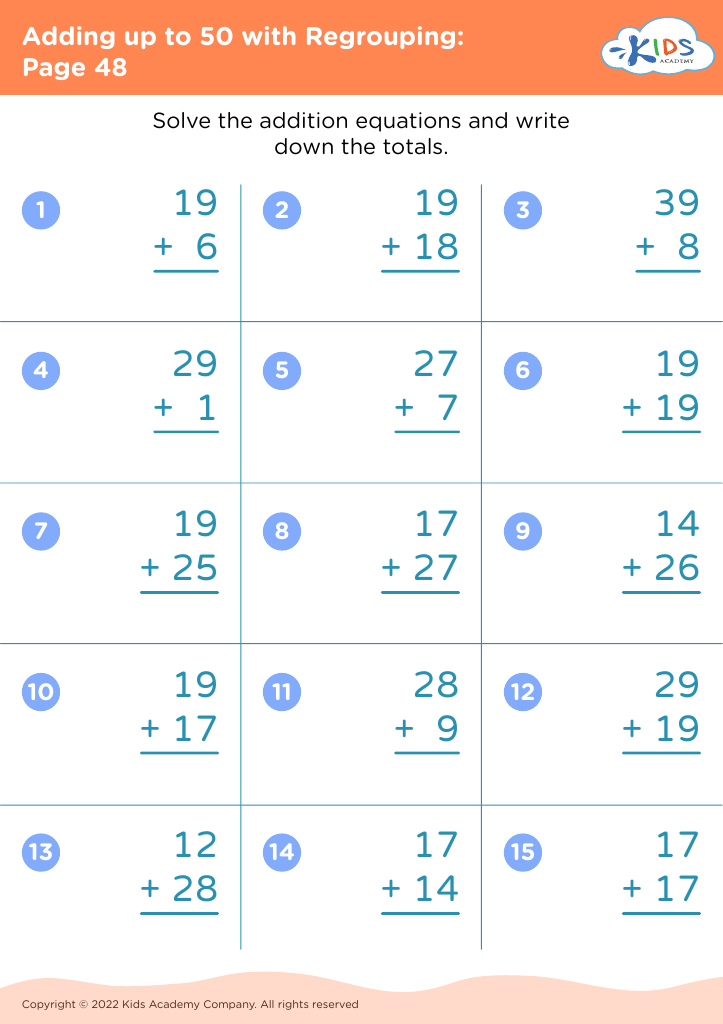
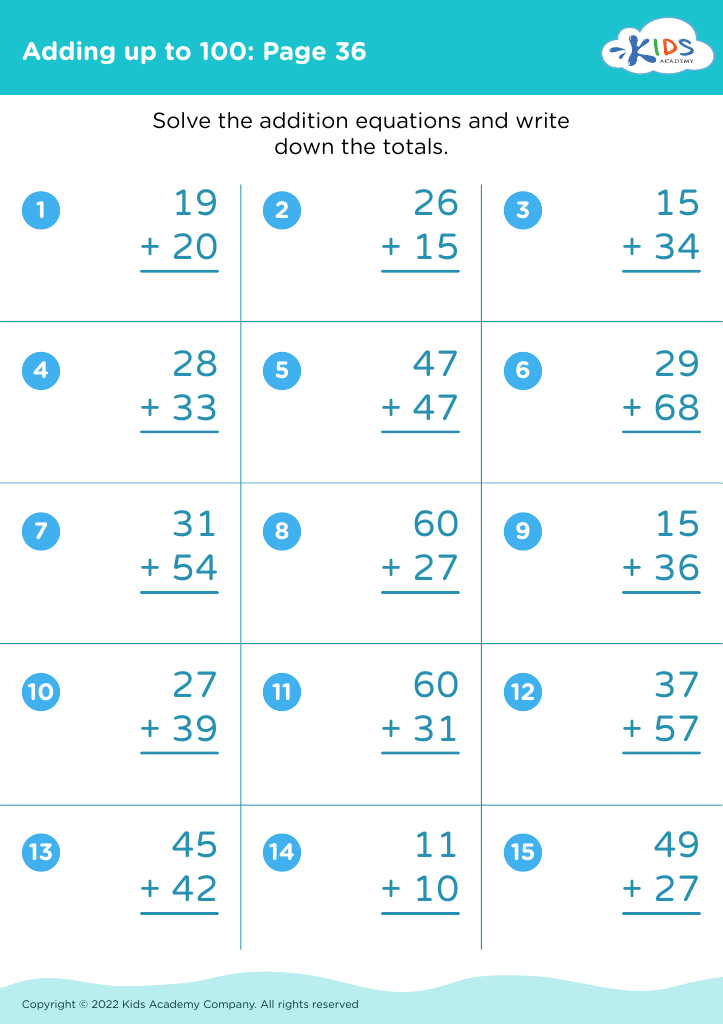
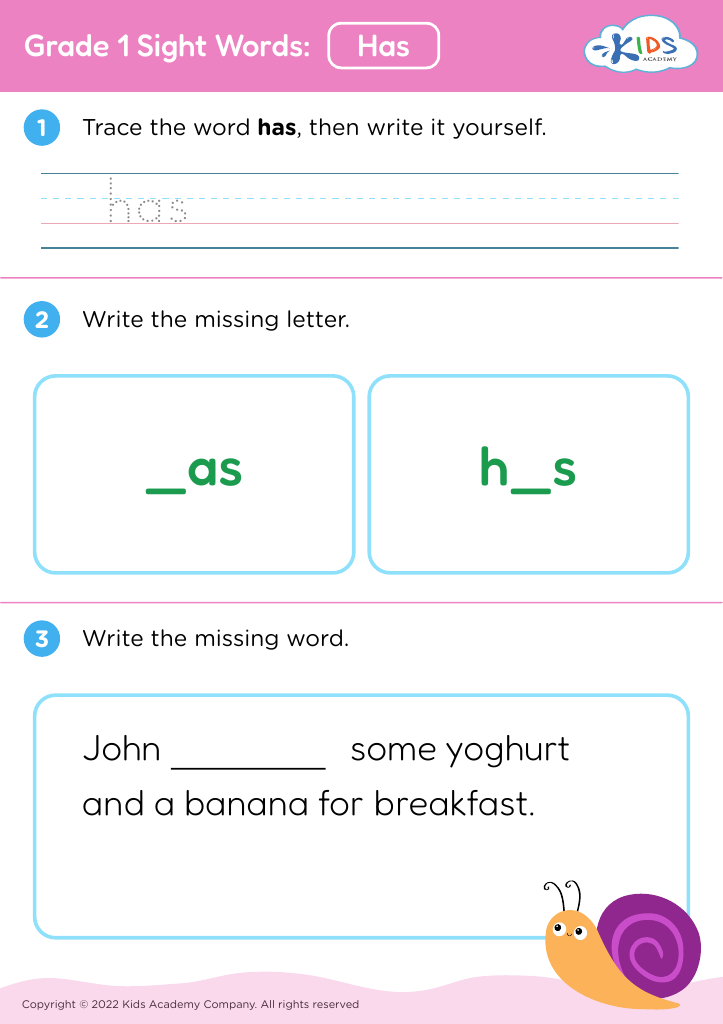
Explore our engaging Numerical Problem Solving Worksheets designed for children aged 4-9! These interactive worksheets foster essential math skills through fun exercises, enhancing your child's ability to understand and solve real-life numerical problems. Featuring age-appropriate challenges, these worksheets help boost critical thinking, reasoning, and confidence in young learners. Each activity encourages kids to apply their knowledge in practical ways, making math enjoyable and accessible. With colorful illustrations and relatable scenarios, our worksheets cultivate a love for learning while reinforcing key concepts. Perfect for homeschooling or classroom use, these resources make math an exciting adventure for your little ones!
Favorites
With answer key
Interactive
Join Kids Academy for Free
Who is primarily going to use this learning content?




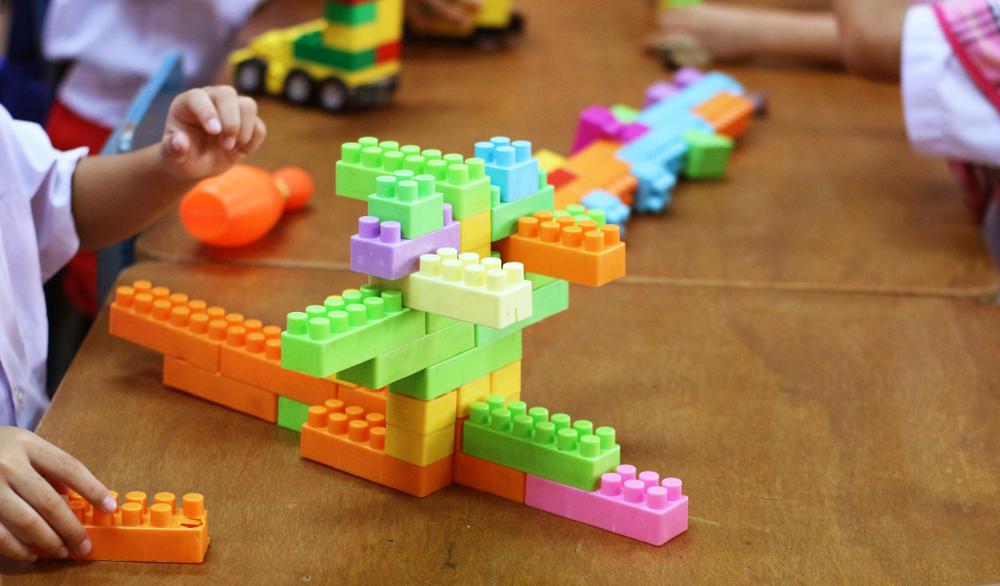



Numerical problem-solving is a critical foundational skill for children aged 4-9, and it holds significant importance for parents and teachers alike. During these formative years, children develop essential cognitive abilities and discover the world of mathematics through play and exploration. Engaging in numerical problem-solving activities helps them build logical thinking, critical reasoning, and spatial awareness, all of which are vital for future academic success.
Learning to solve numerical problems allows children to connect abstract mathematical concepts with real-world situations. It nurtures their curiosity and resilience by teaching them how to approach challenges, develop strategies, and persevere through difficulties. As they tackle various problems, from basic addition and subtraction to more complex tasks, they enhance their confidence and self-esteem.
Moreover, fostering these skills early on supports a positive attitude towards mathematics, which can combat math anxiety as they grow. Parents and teachers play a crucial role in this process by providing a supportive learning environment, rich in opportunities for exploration and hands-on experiences. By prioritizing numerical problem-solving, they equip children with the necessary tools to succeed in school and beyond, instilling a lifelong love for learning and problem-solving.








