Observational skills development Worksheets for Ages 4-9
3 filtered results
-
From - To
Enhance your child's observational skills with our engaging worksheets designed for ages 4-9! These fun and interactive activities encourage young learners to explore their surroundings, notice details, and sharpen their focus. Our worksheets feature vibrant illustrations and age-appropriate tasks that promote critical thinking and cognitive growth. By completing these exercises, children will develop essential skills such as pattern recognition, visual discrimination, and memory recall. Perfect for home or classroom use, our observational skills worksheets provide an enjoyable way to foster curiosity and enhance learning. Dive in today and watch your child’s observational abilities flourish!
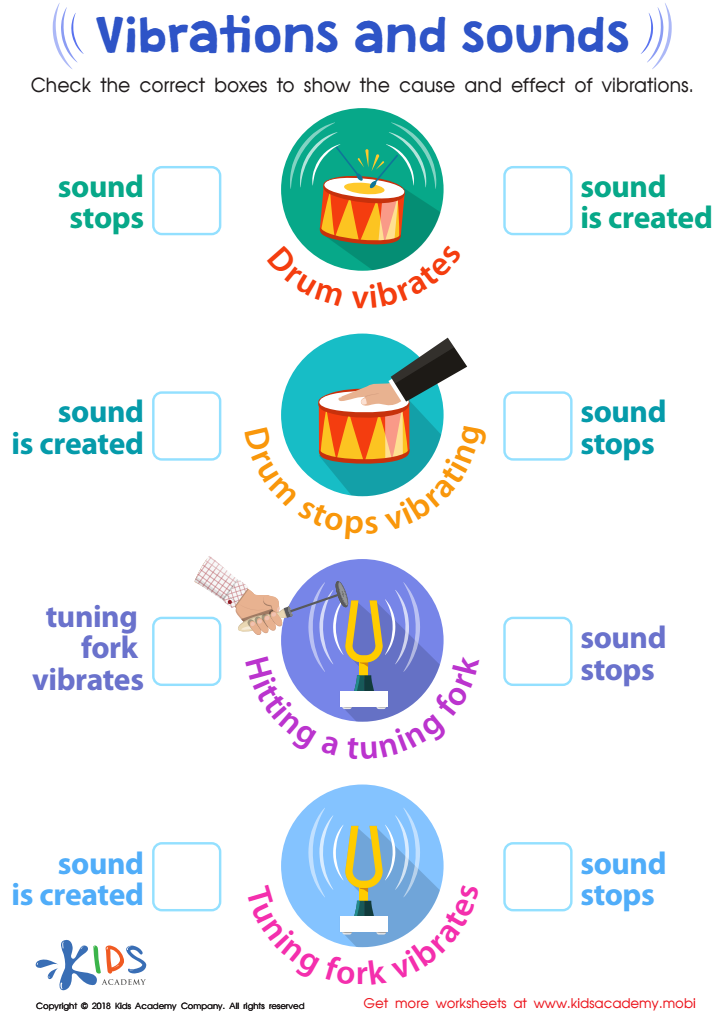
Vibrations and Sounds Worksheet
 Assign to My Students
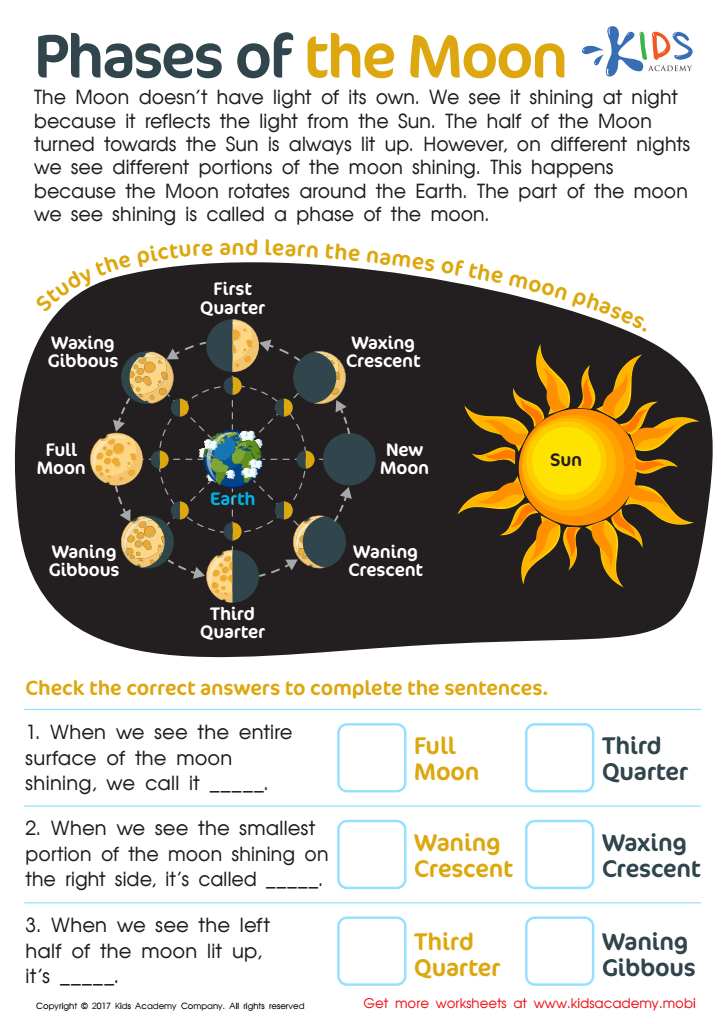
Phases of The Moon Worksheet
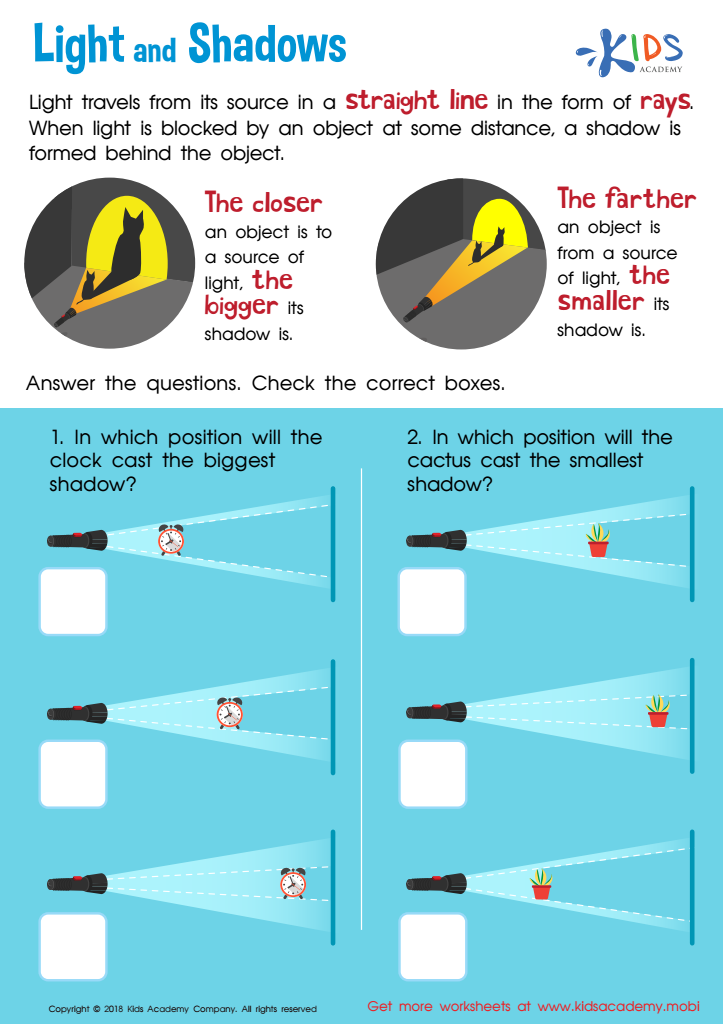
Light and Shadow Worksheet for Grade 3



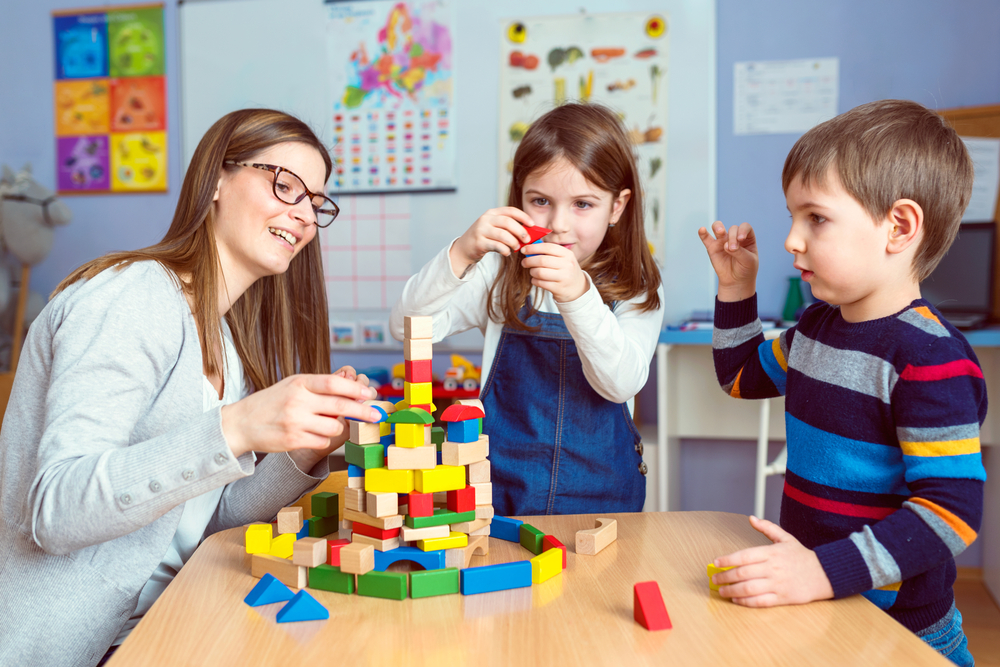
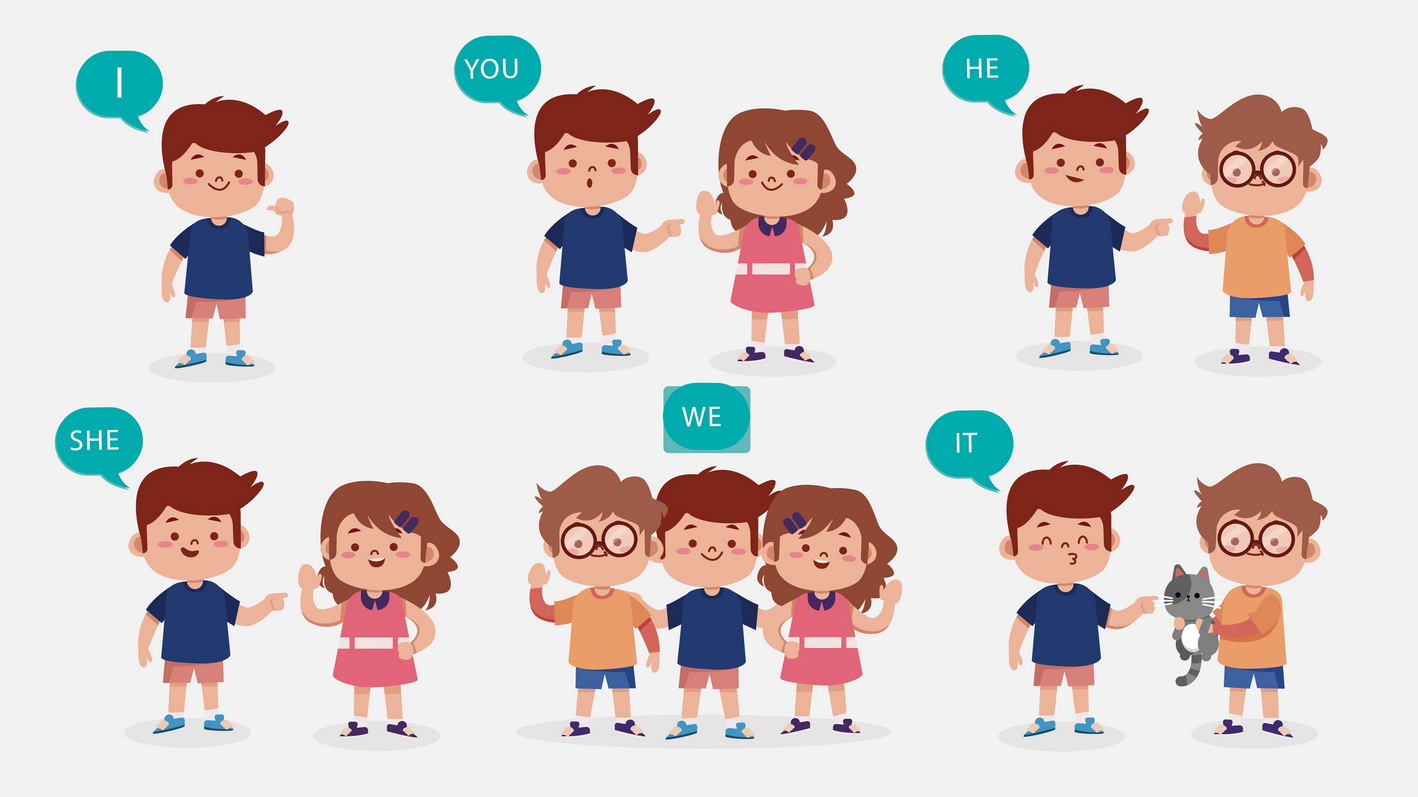



Observational skills development for children aged 4 to 9 is crucial for various reasons. First, enhanced observational skills help young learners engage meaningfully with their environment, leading to better understanding and retention of concepts. Children who observe closely can notice patterns, differences, and similarities, which are fundamental skills in science and critical thinking.
Additionally, strong observational skills support language development. As children observe, they learn to articulate what they see, enhancing vocabulary and communication abilities. Observant children also tend to be more empathetic; they can discern social cues and emotions, aiding in healthy interpersonal relationships.
Furthermore, fostering these skills in early childhood lays the groundwork for lifelong learning. By encouraging curiosity and attention to detail, educators and parents promote critical academic skills necessary for future challenges. In settings that emphasize observation, children learn to approach problems systematically and creatively, beneficial for subjects like mathematics and art.
Ultimately, investing in the development of observational skills equips children with essential tools for learning across all domains, preparing them for the complexities of the world around them. Addressing these skills early sets a foundation for holistic development, empowering children to become informed, attentive, and engaged members of society.








