Pattern identification Worksheets for Ages 4-9
10 filtered results
-
From - To
Enhance your child's cognitive development with our engaging Pattern Identification Worksheets for Ages 4-9. Our expertly designed resources help children recognize, predict, and create patterns through fun and interactive activities. These worksheets foster critical thinking, problem-solving, and early math skills, crucial for young learners. Perfect for pre-kindergarten to third-grade students, our colorful and captivating worksheets keep children interested while they learn. Whether practicing at home or in the classroom, these printable sheets support foundational learning in a creative and enjoyable way. Visit Kids Academy for a comprehensive collection of pattern recognition exercises that make learning a delightful experience!
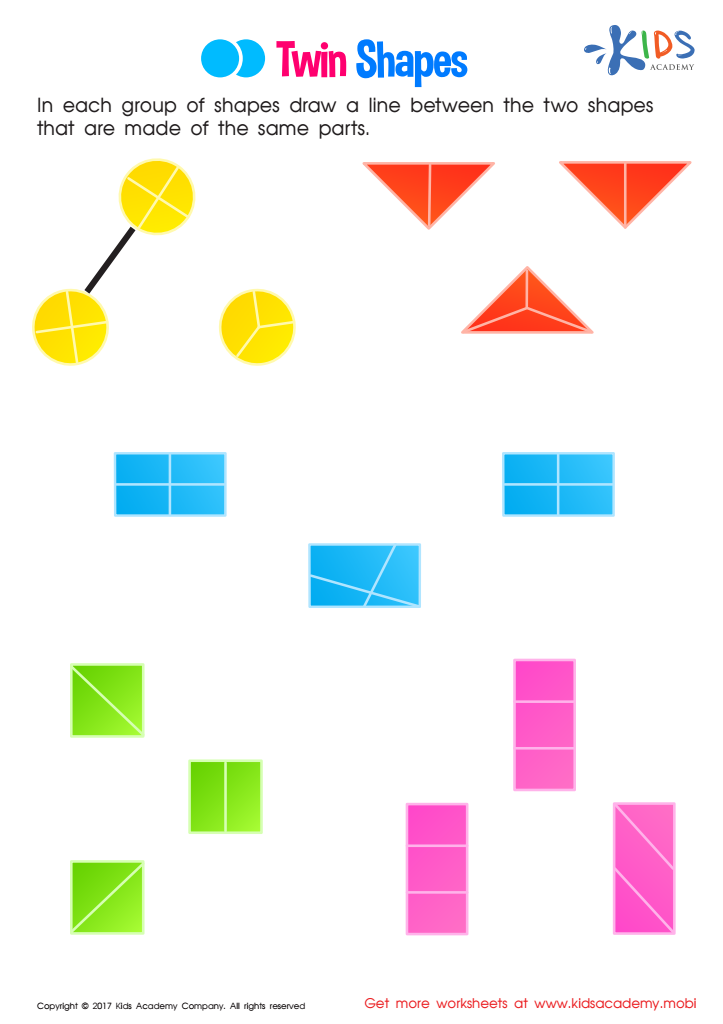
Twin Shapes Worksheet
 Assign to My Students
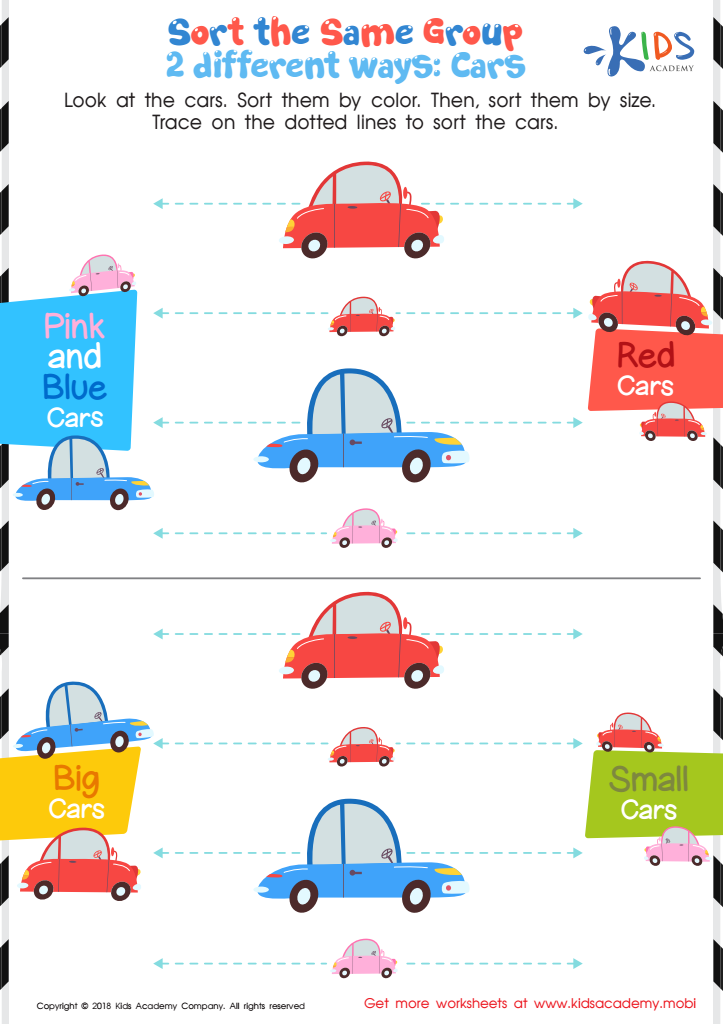
Sort the Same Group 2 Different Ways: Cars Worksheet
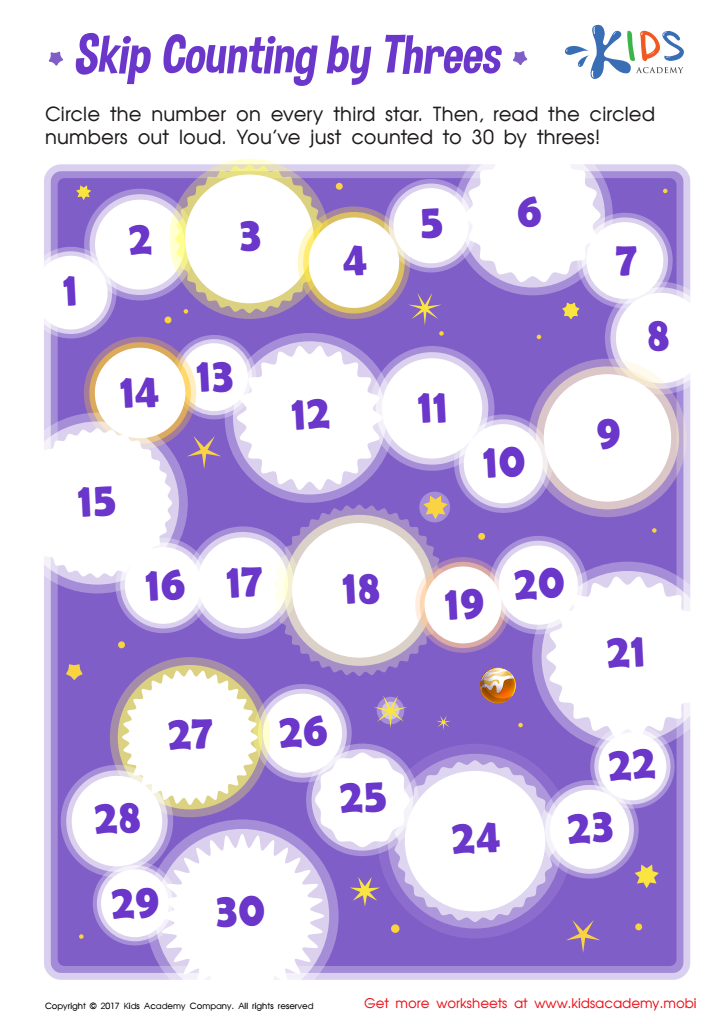
Skip Counting By Three Printable
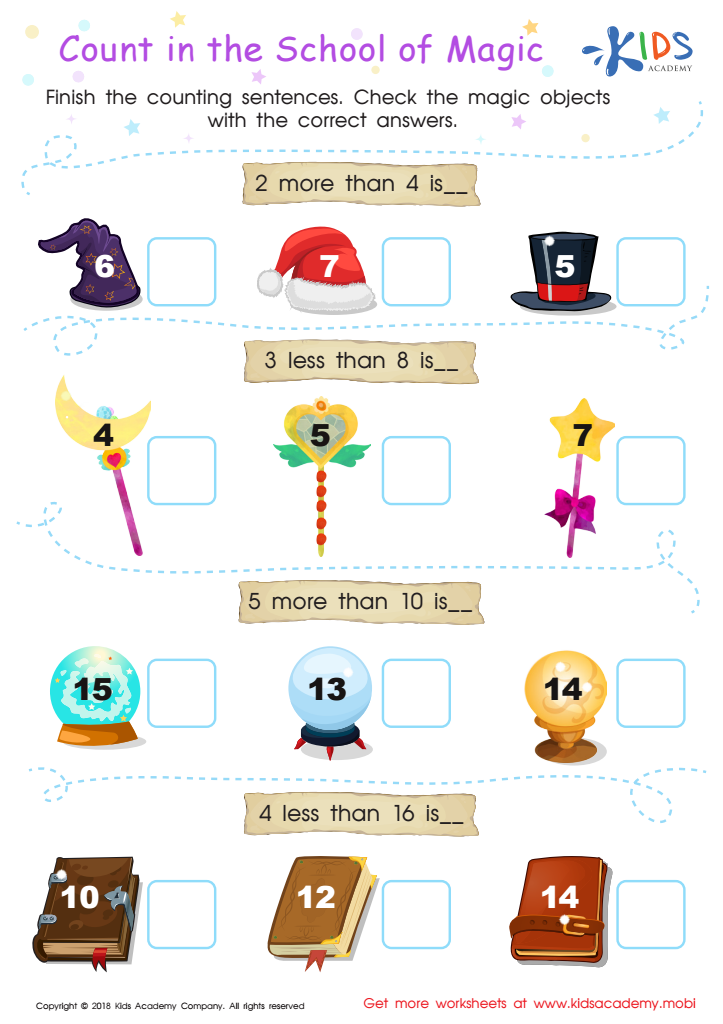
Count in the School of Magic Worksheet
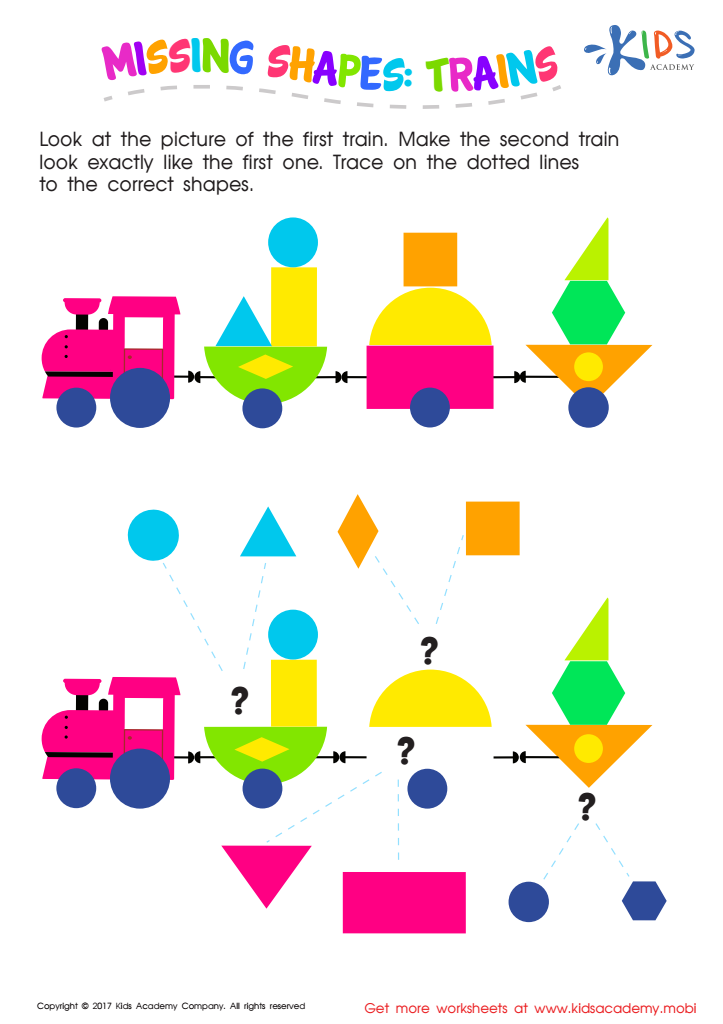
Missing Shapes: Trains Worksheet
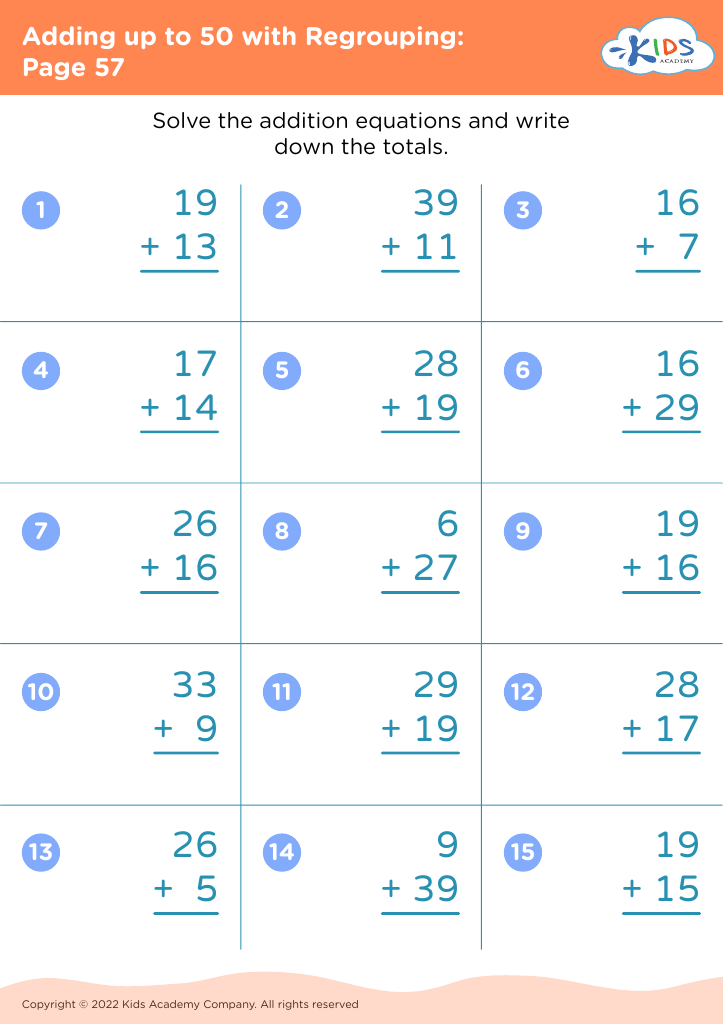
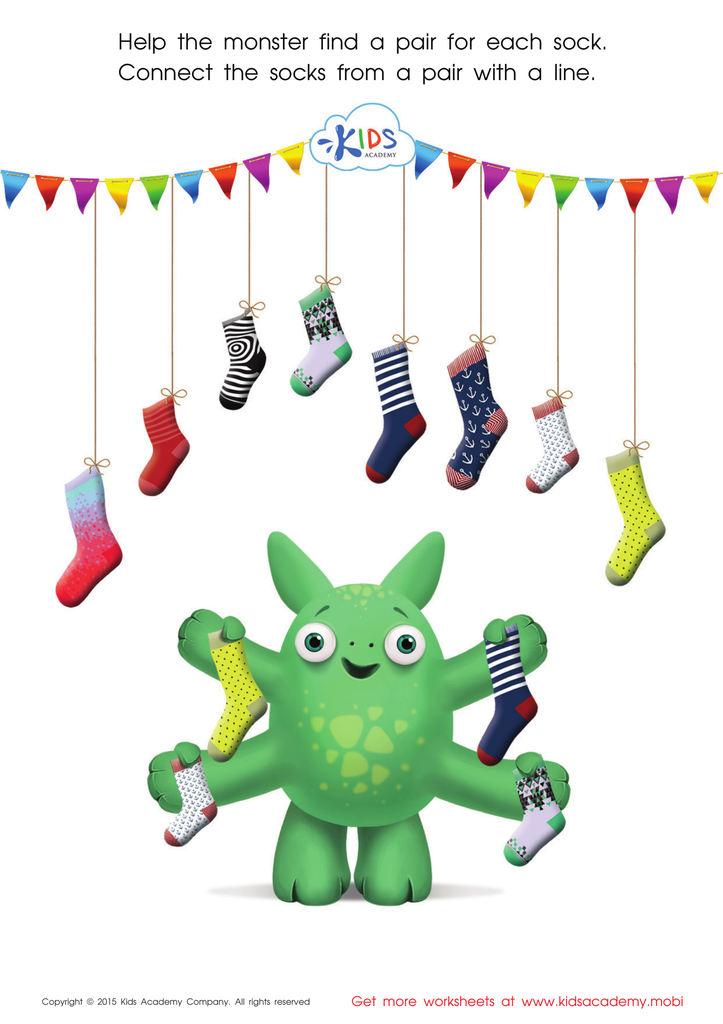
Math Matching Pairs Game: Monsterв's Socks Worksheet
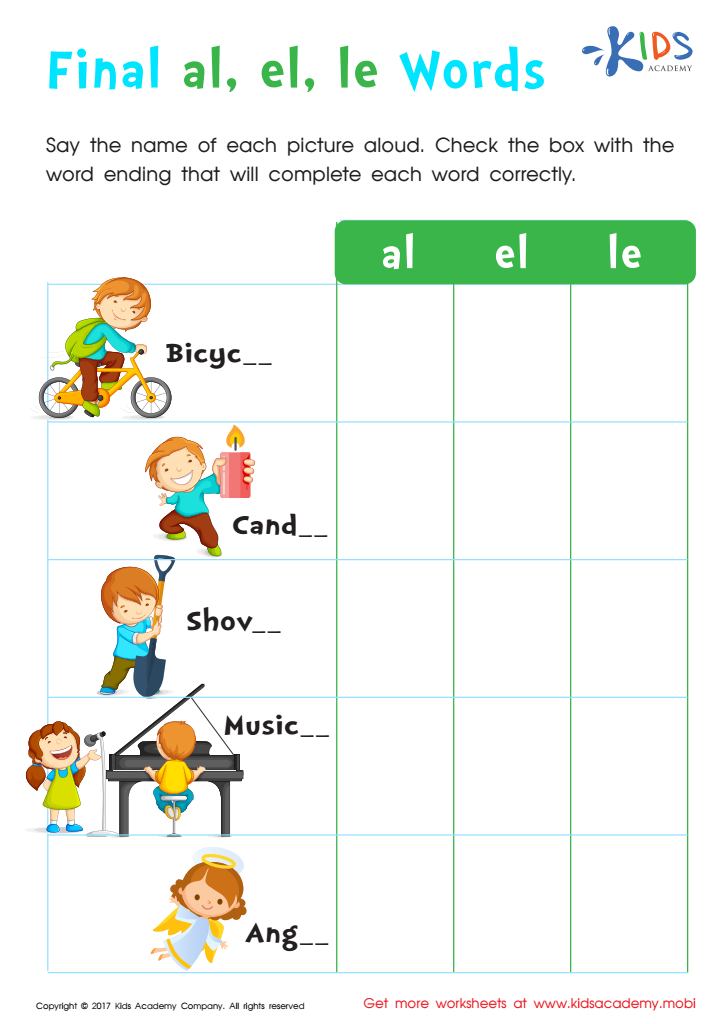
Spelling Words Ending with –le, –el and –al Worksheet
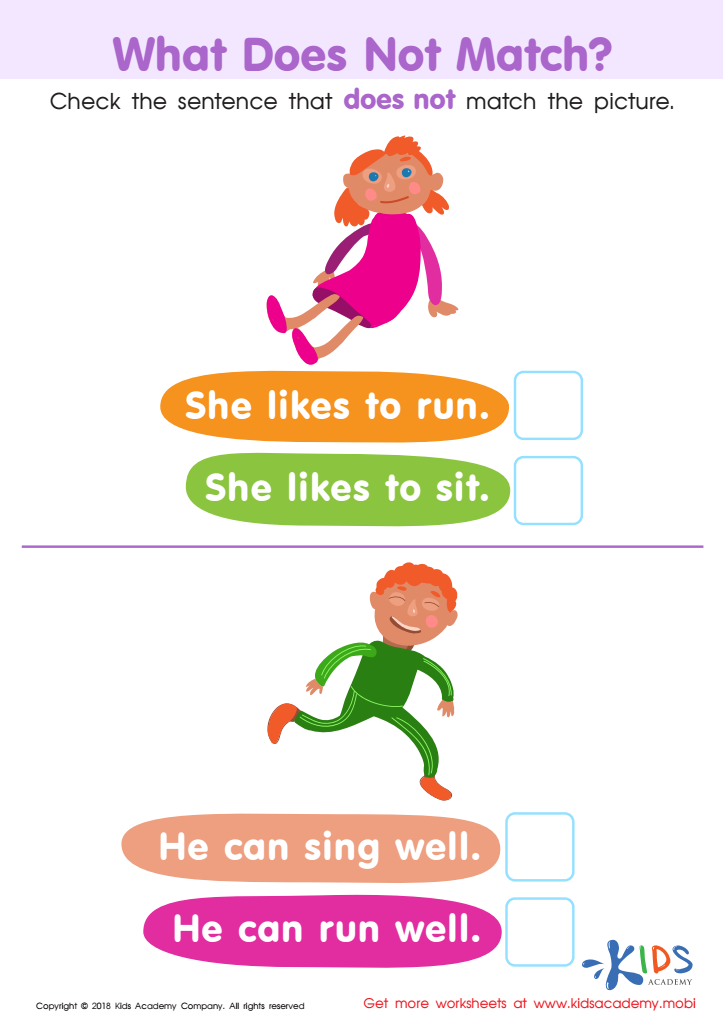
What Does Not Match? Worksheet








Pattern identification is a foundational cognitive skill that parents and teachers should prioritize for children aged 4-9 because it plays a critical role in their academic and personal development. First, recognizing patterns helps children develop early math skills. Fundamental math concepts like counting, sequencing, and addition all rely on understanding patterns and their structures. Through pattern recognition, children learn to predict and make sense of what comes next, which is essential for problem-solving.
In literacy, understanding patterns aids in the acquisition of reading and writing skills. Recognizing patterns in letters and words helps children decode new words, enhancing their reading fluency and comprehension. For example, learning that the "th" sound appears frequently in English can help them read words like "this," "that," and "there."
Furthermore, pattern identification enhances critical thinking and logic. Children who practice recognizing patterns learn how to categorize, organize, and analyze information, which strengthens their reasoning abilities. These skills are transferable across different subjects and everyday situations.
Lastly, pattern-based activities keep children engaged and stimulate their creativity. Games and exercises focused on finding patterns offer a playful and interactive way to learn, cultivating a love for the learning process. By integrating pattern recognition into early education, parents and teachers set a strong foundation for the child's future academic success and intellectual growth.








