Phonics practice Worksheets for Ages 4-9 - Page 2
26 filtered results
-
From - To
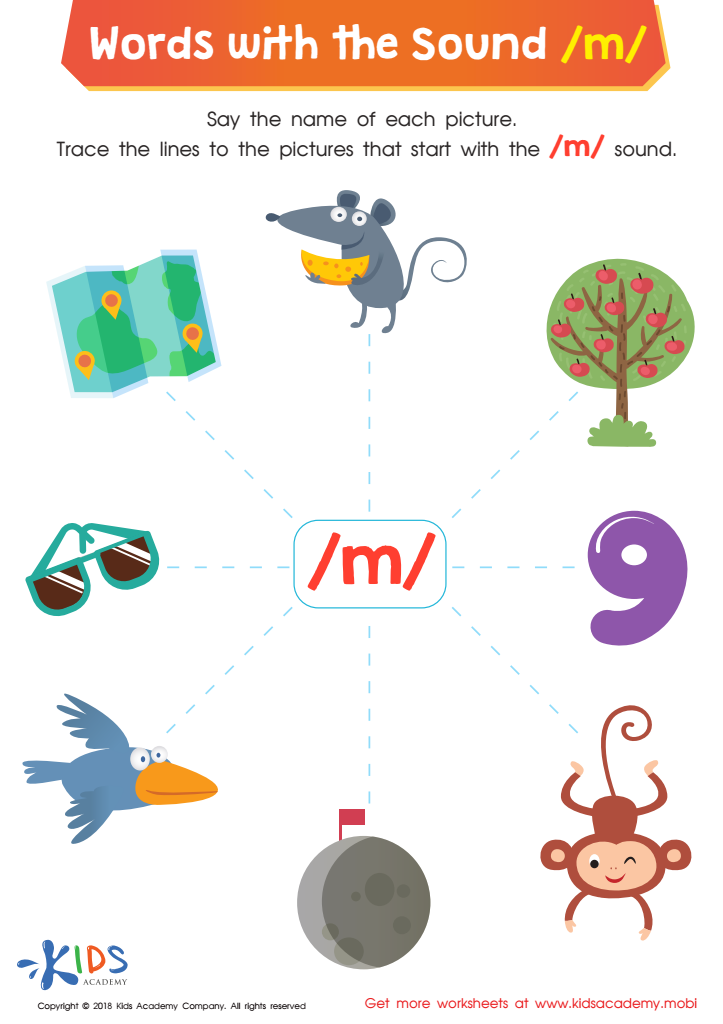
Words with Sound M Reading Worksheet
 Assign to My Students
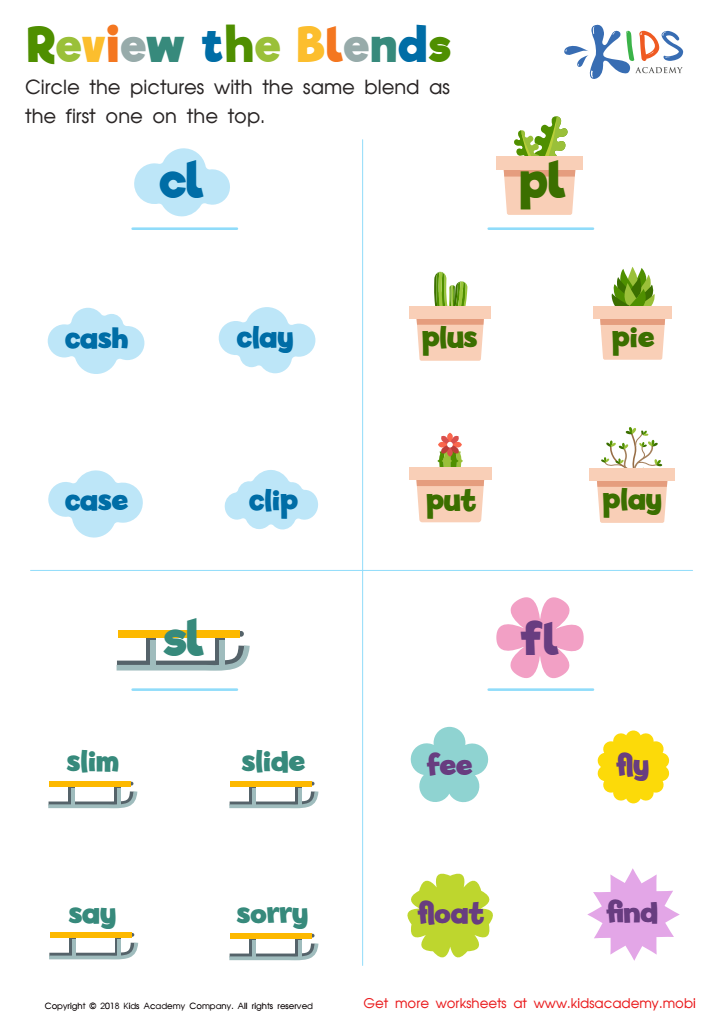
Review the Blends Worksheet







Phonics practice is crucial for children ages 4-9 as it lays the foundation for reading and language development. At this stage, children are developing essential skills that form the bedrock of their literacy competence. Phonics instruction teaches students the relationships between letters and sounds, enabling them to decode words and read fluently.
This understanding of phonics promotes confidence in young readers, making reading a more enjoyable experience. As students learn to blend sounds and recognize patterns, they become empowered to tackle new words independently. This boost in self-confidence can enhance their motivation and enthusiasm for reading, contributing to overall academic success.
Moreover, phonics practice supports vocabulary growth and comprehension skills. When children can decode words accurately, they are more likely to engage with texts and develop a richer understanding of language. For parents and teachers, fostering strong phonics skills means equipping children with the tools they need for lifelong learning.
Emphasizing phonics in a supportive, engaging way can make a significant difference in a child's educational journey. As literacy is foundational for all subjects, investing in phonics from an early age is a powerful way to set children on the path to future success.








