Practice writing numbers Worksheets for Ages 4-9
7 filtered results
-
From - To
Our engaging practice writing numbers worksheets for ages 4-9 are designed to develop early math skills and improve handwriting. Featuring playful illustrations and interactive exercises, these worksheets make learning numbers fun for young learners. Each worksheet offers structured activities that guide children through tracing, writing, and recognizing numbers from 1 to 20. Perfect for preschool, kindergarten, and early grade students, our printable resources help build a solid foundation for future math success. Enjoy the convenience of printable resources that stimulate learning and creativity at home or in the classroom. Visit us today to jumpstart your child's math journey!
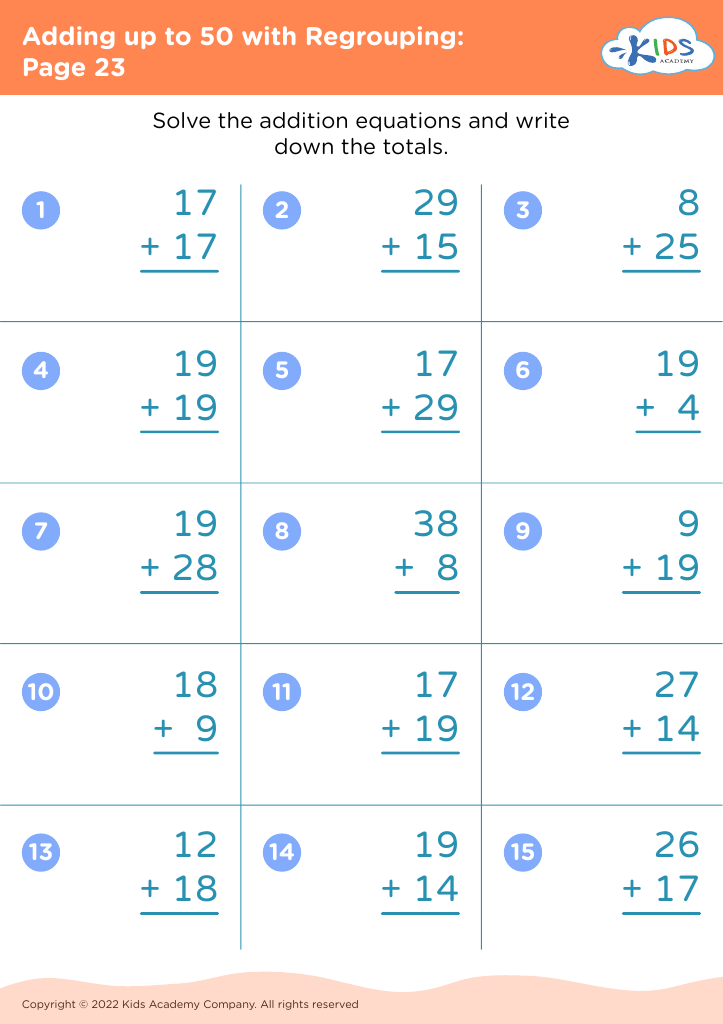
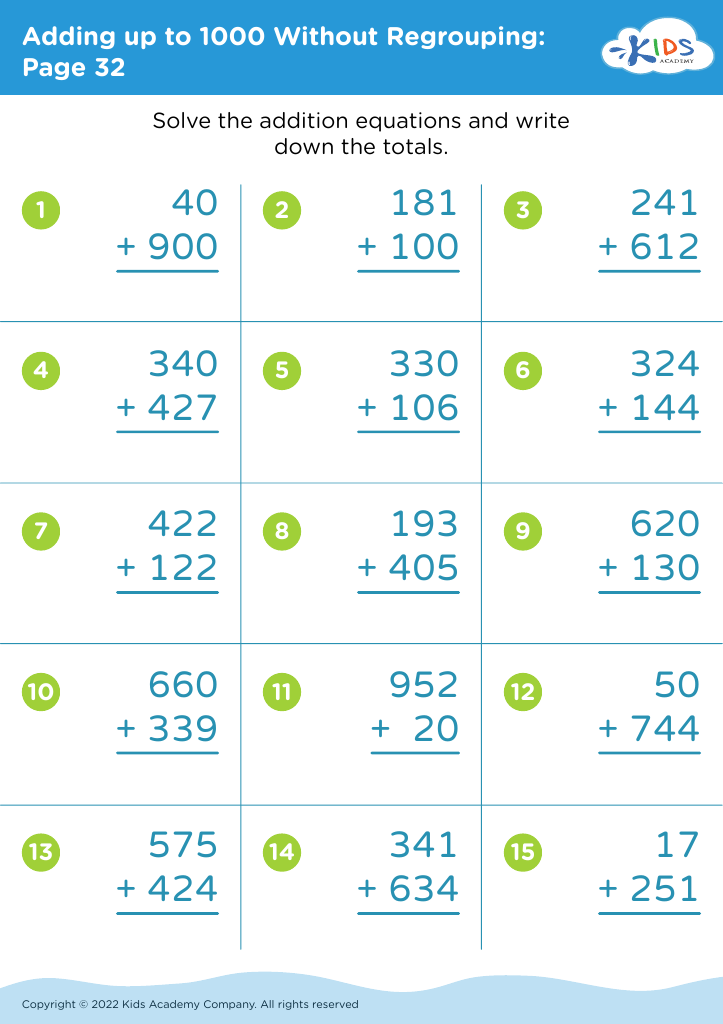
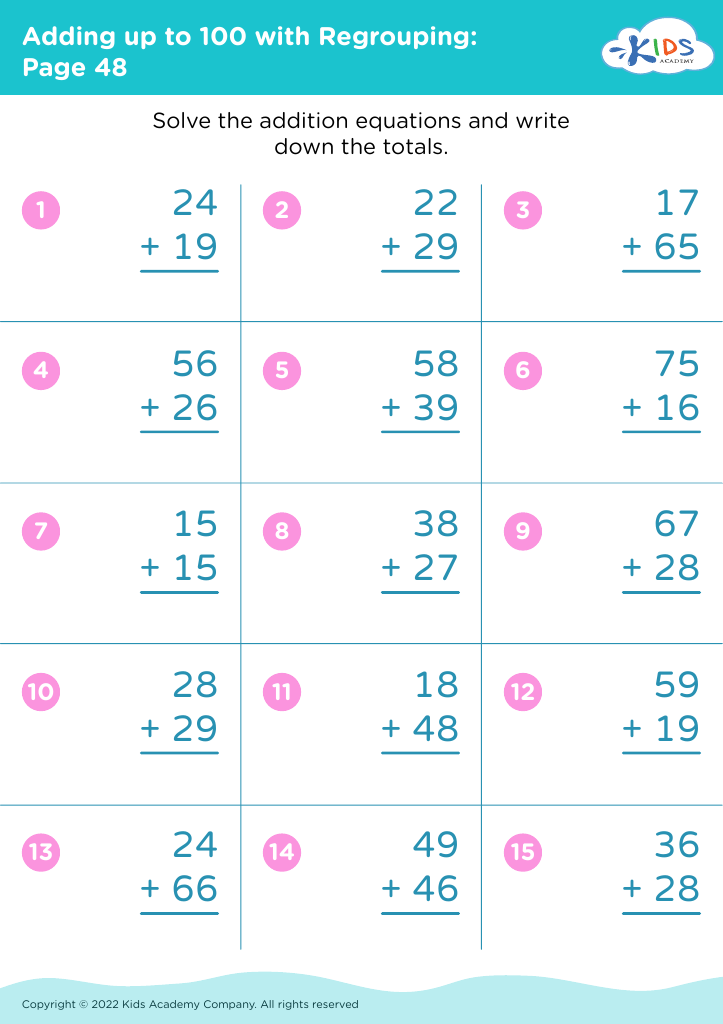
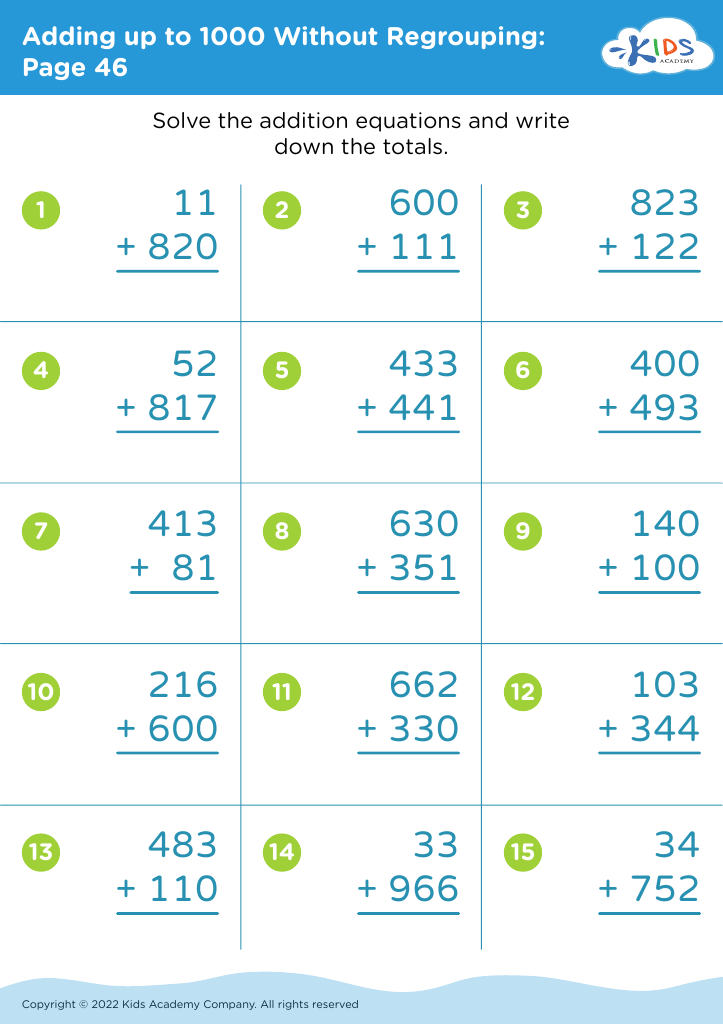
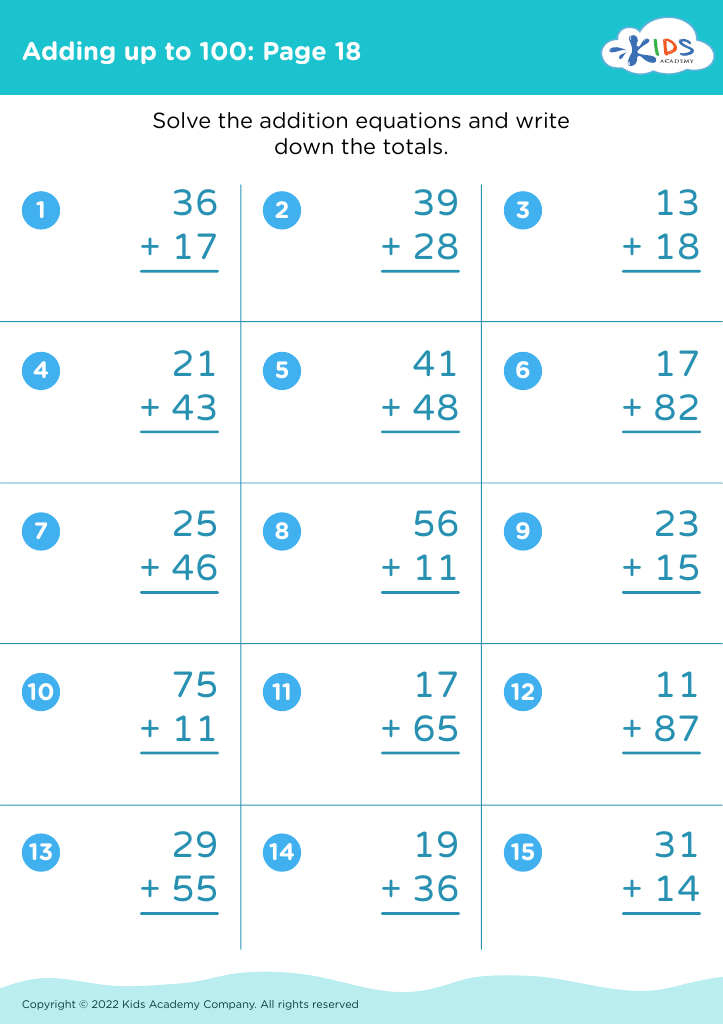
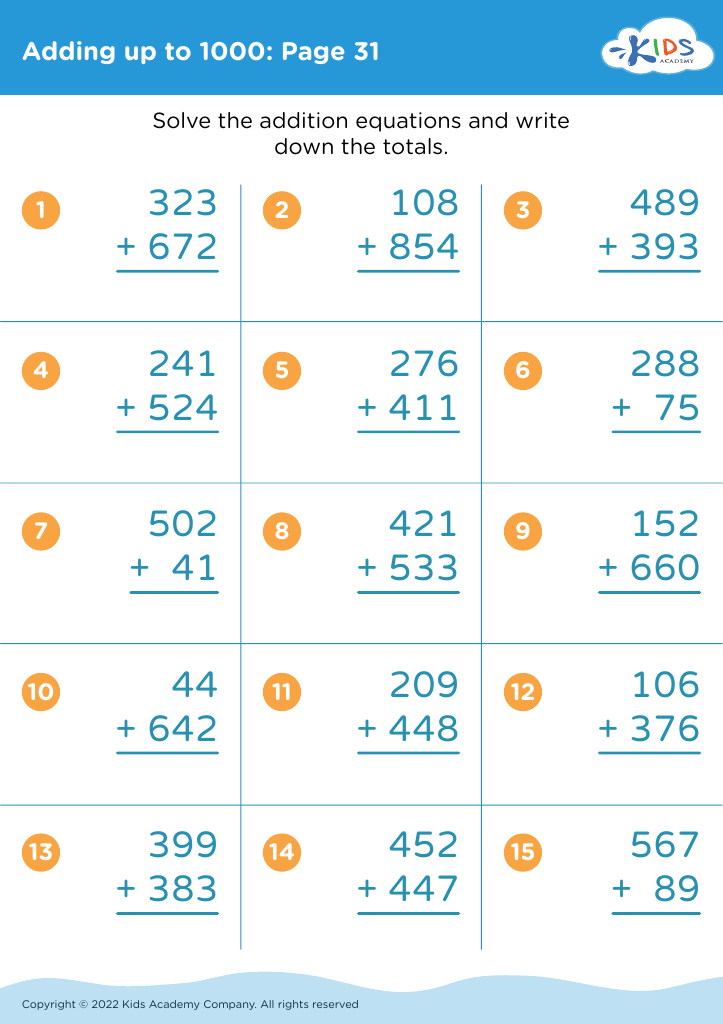








Parents and teachers should value the practice of writing numbers for children ages 4-9 as it is foundational for their overall academic development and daily life skills. Firstly, mastering number writing allows young learners to develop fine motor skills, such as hand-eye coordination and dexterity, which are essential for other tasks like handwriting and art. Secondly, recognizing and writing numbers is integral to math literacy. Early and consistent practice helps children become familiar with numerical symbols, paving the way for understanding more complex mathematical concepts such as addition, subtraction, multiplication, and division.
Additionally, writing numbers aids in cognitive development by encouraging pattern recognition and logical thinking. As children learn to distinguish between different digits and their sequence, they enhance their memory and problem-solving abilities. This skill can also foster a sense of accomplishment and confidence as they are able to translate abstract quantities into concrete representations.
Furthermore, practical life necessitates number writing for a multitude of everyday activities, such as telling time, sorting items, and even participating in games that require counting. Engaging children in this practice in a supportive learning environment, whether at home or in school, ensures a strong educational foundation, enabling them to navigate both academic challenges and real-world scenarios effectively.








