Predicting outcomes Worksheets for Ages 4-9
3 filtered results
-
From - To
Explore our engaging Predicting Outcomes Worksheets designed for ages 4-9, perfect for nurturing critical thinking skills in young learners. These fun and interactive worksheets help children develop their ability to anticipate what might happen next in various scenarios, enhancing their comprehension and reasoning abilities. With vibrant illustrations and age-appropriate activities, kids will enjoy exploring different contexts, such as stories and everyday situations. Our worksheets not only foster cognitive skills but also encourage creativity and imagination. Ideal for classroom use or at-home learning, these resources make predicting outcomes an exciting adventure for your little ones. Empower their learning journey today!
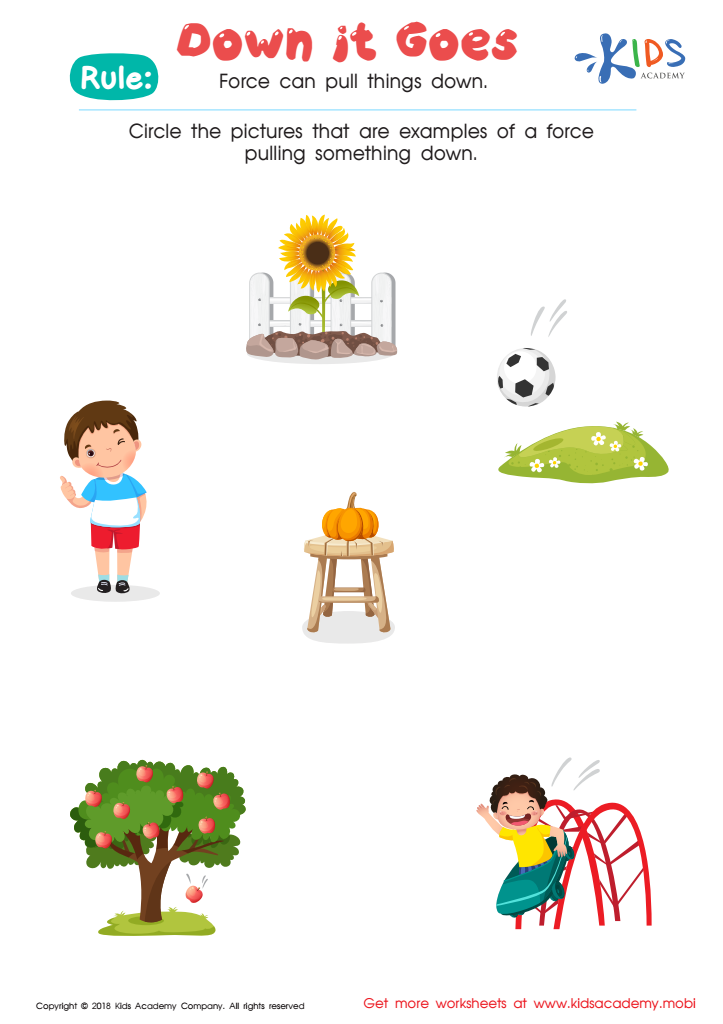
Down it Goes Worksheet
 Assign to My Students
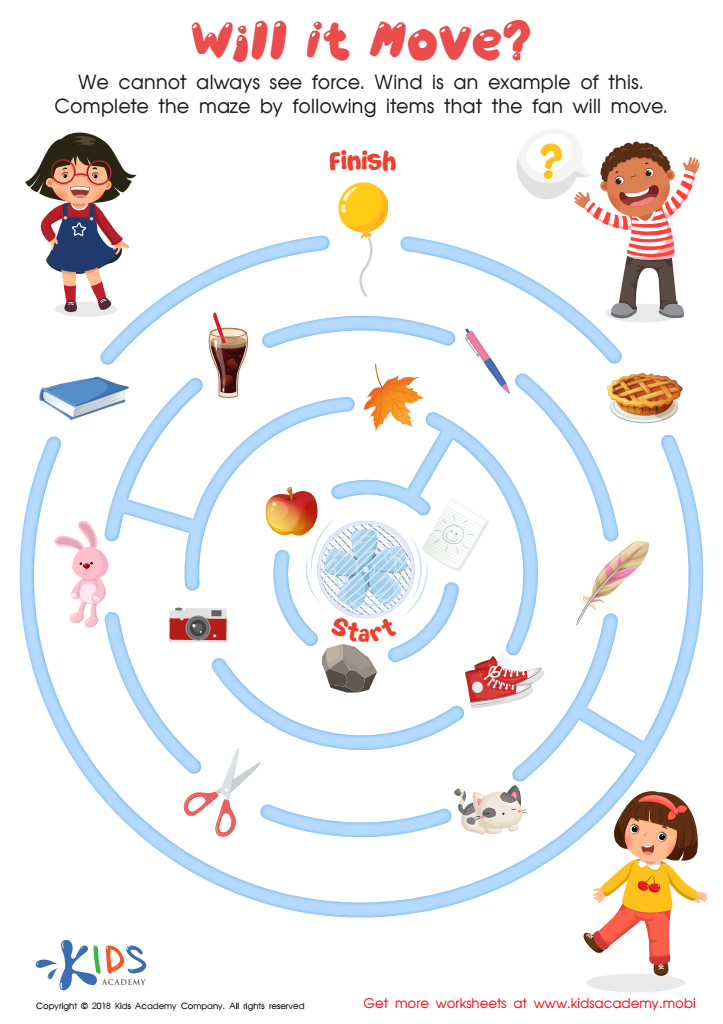
Will it Move? Worksheet

Race Car Ramp Worksheet








Predicting outcomes for children aged 4-9 is crucial for parents and teachers, as this age range is vital for development, influencing lifelong learning and behavior. Early detection of learning challenges or developmental delays allows for timely interventions that can significantly improve a child's trajectory. For instance, understanding a child's reading skills can inform instruction tailored to their needs, ensuring they don't fall behind.
Moreover, predicting outcomes helps foster essential skills such as social-emotional learning, critical thinking, and problem-solving. By recognizing potential issues early, parents and teachers can create supportive environments that enhance a child's confidence and resilience. This proactive approach encourages a growth mindset, where children view challenges as opportunities to learn.
Additionally, predictive assessments provide valuable insights into group dynamics in classrooms, allowing educators to implement strategies that accommodate diverse learning styles. Collaboration between parents and teachers based on these predictions promotes a unified approach to a child's education. Ultimately, being attentive to predicting outcomes empowers adults to make informed decisions that lead to the holistic development of children, setting them up for success in school and beyond. This shared responsibility nurtures a strong foundation for their future selves.








