Problem Solving Worksheets for Ages 4-9 - Page 2
44 filtered results
-
From - To
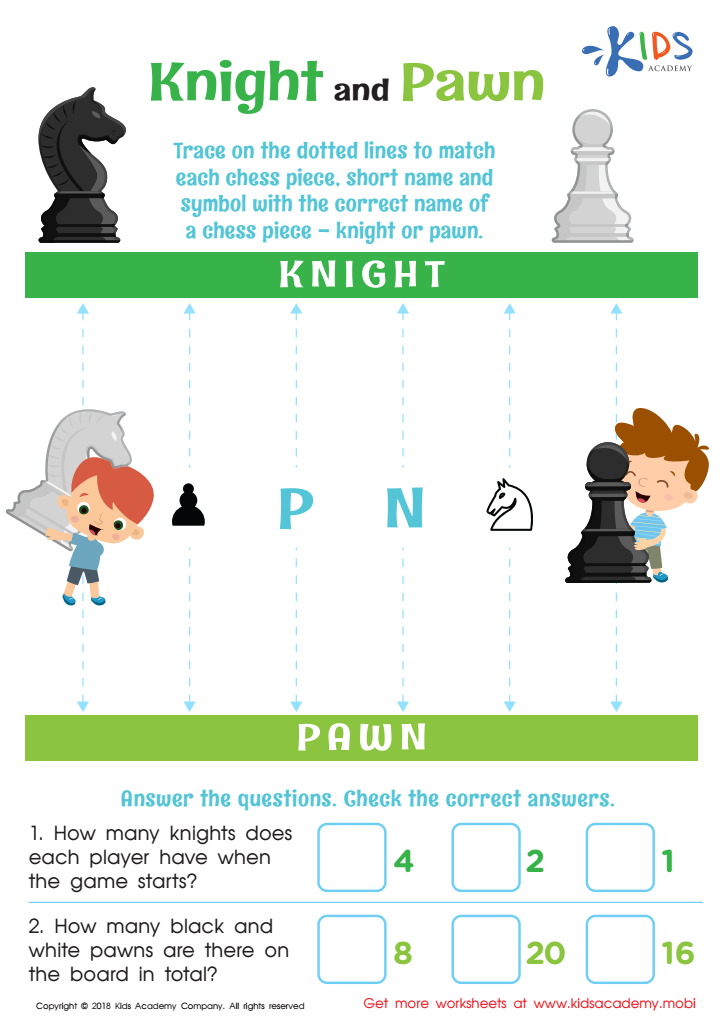
Knight and Pawn Worksheet
 Assign to My Students
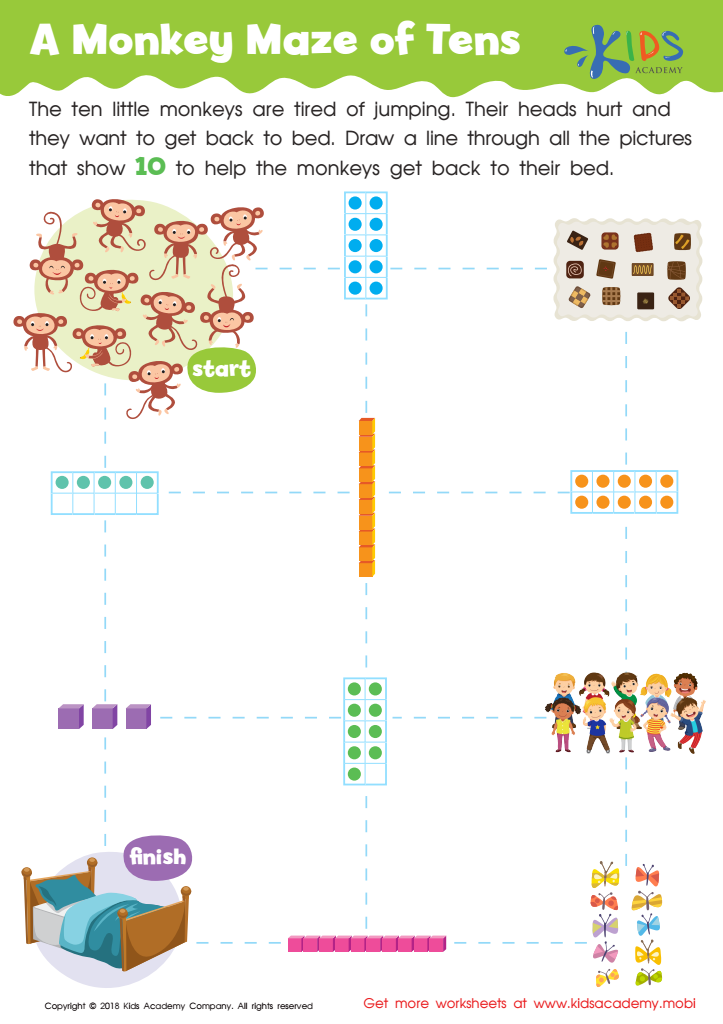
A Monkey Maze of Tens Worksheet
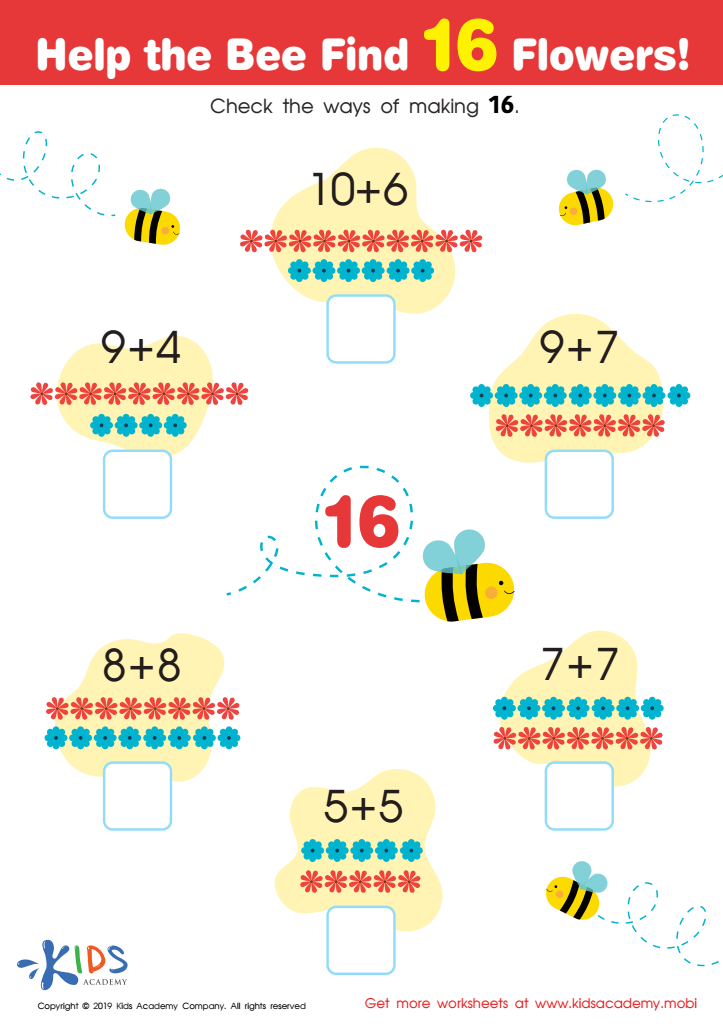
Help the Bee Find 16 Flowers Worksheet
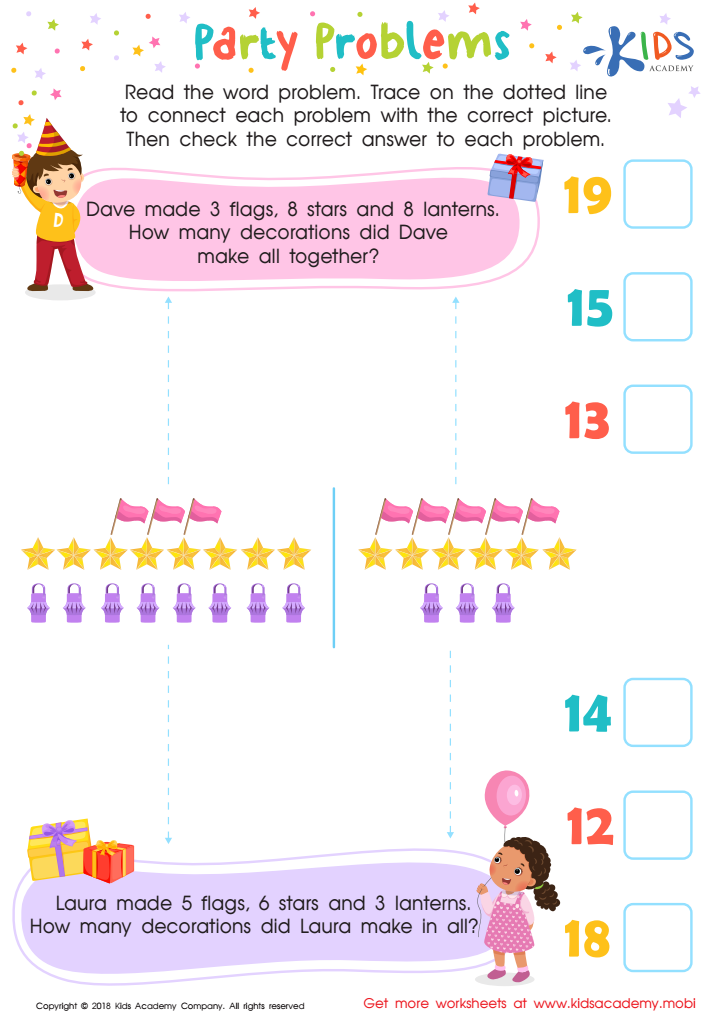
Party Problems Worksheet
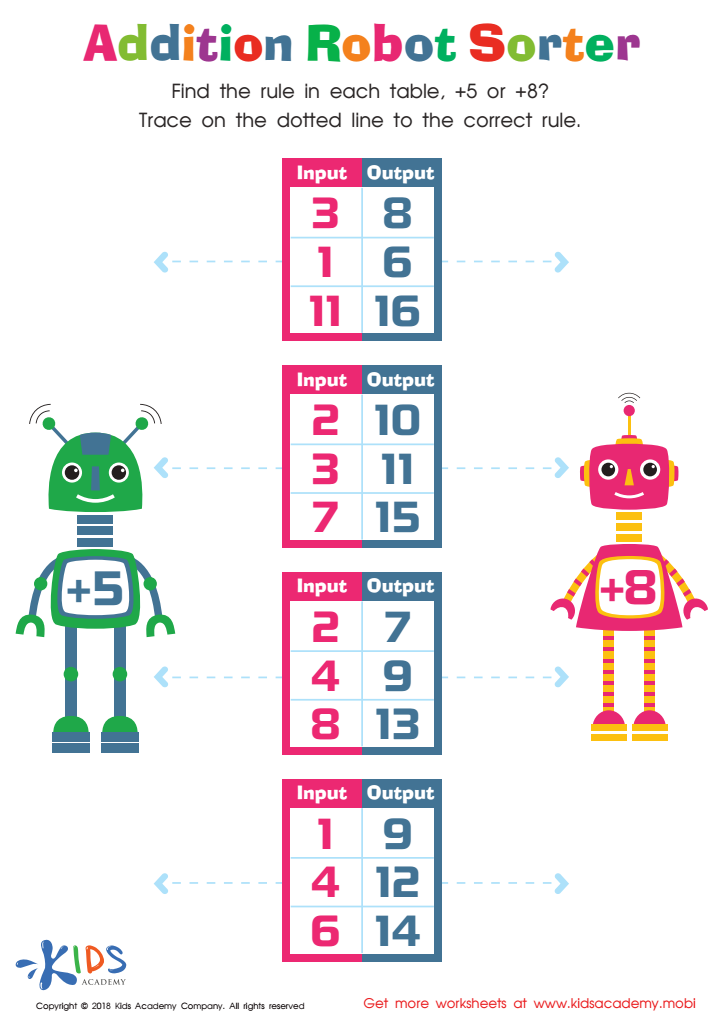
Addition Robot Sorter Worksheet
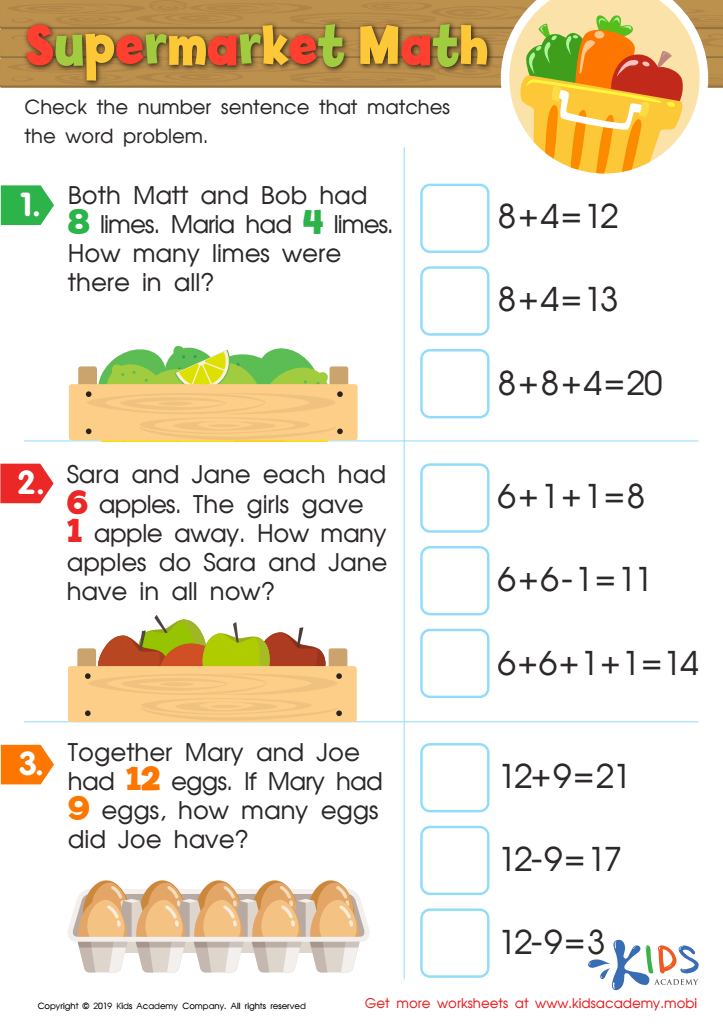
Supermarket Math Worksheet
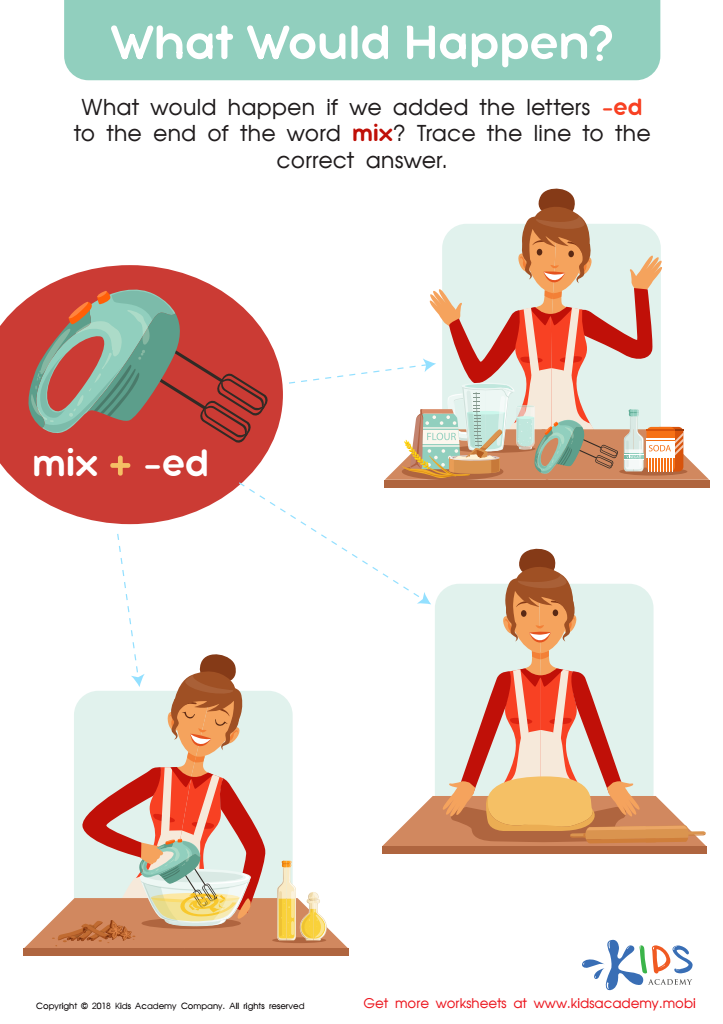
What Would Happen? Worksheet
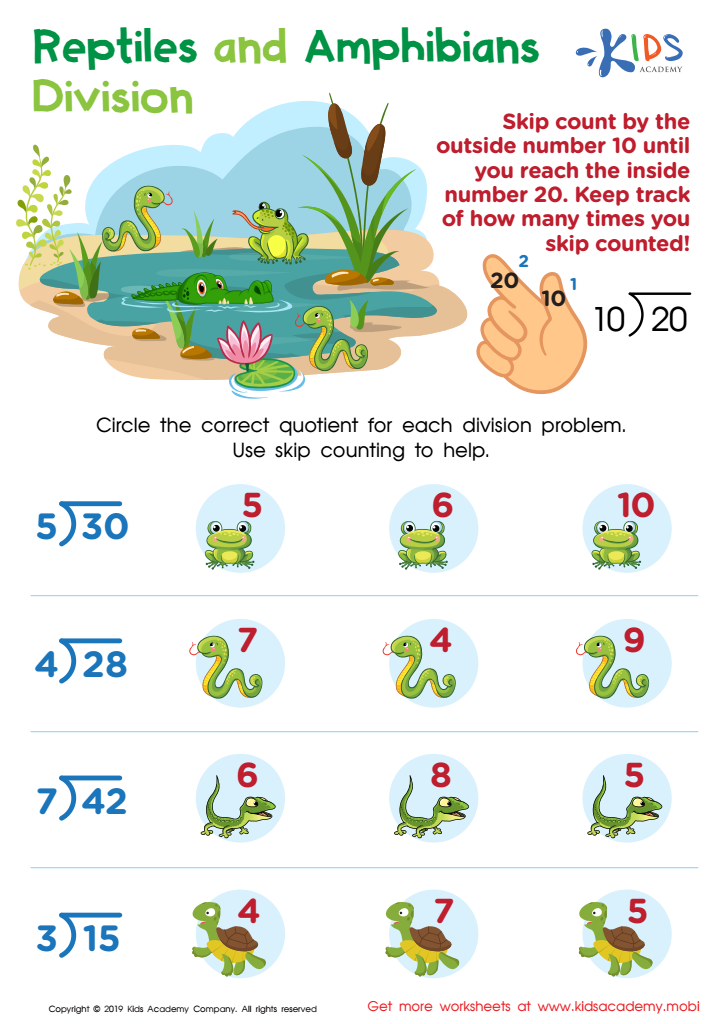
Reptile and Amphibians Division Worksheet
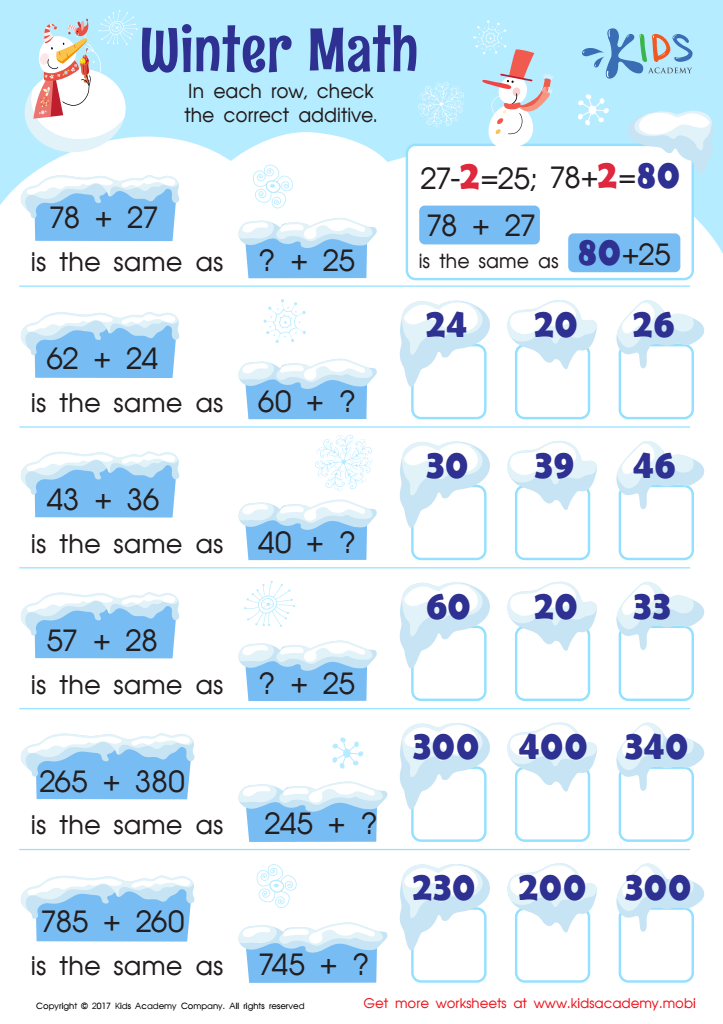
Free Addition Worksheet
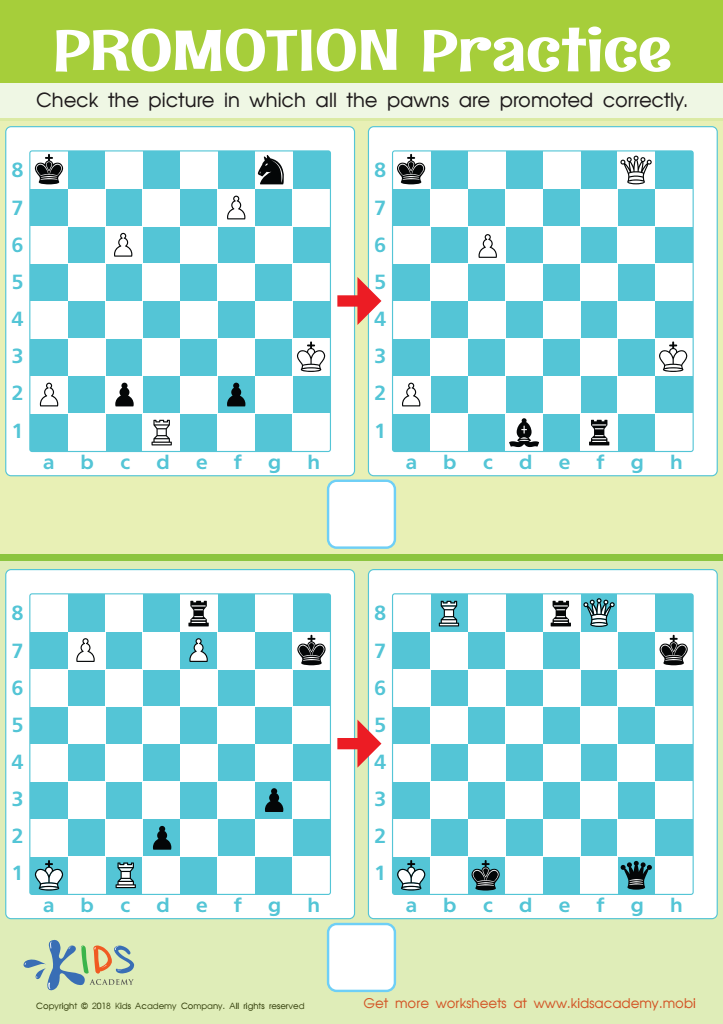
Promotion Practice Worksheet
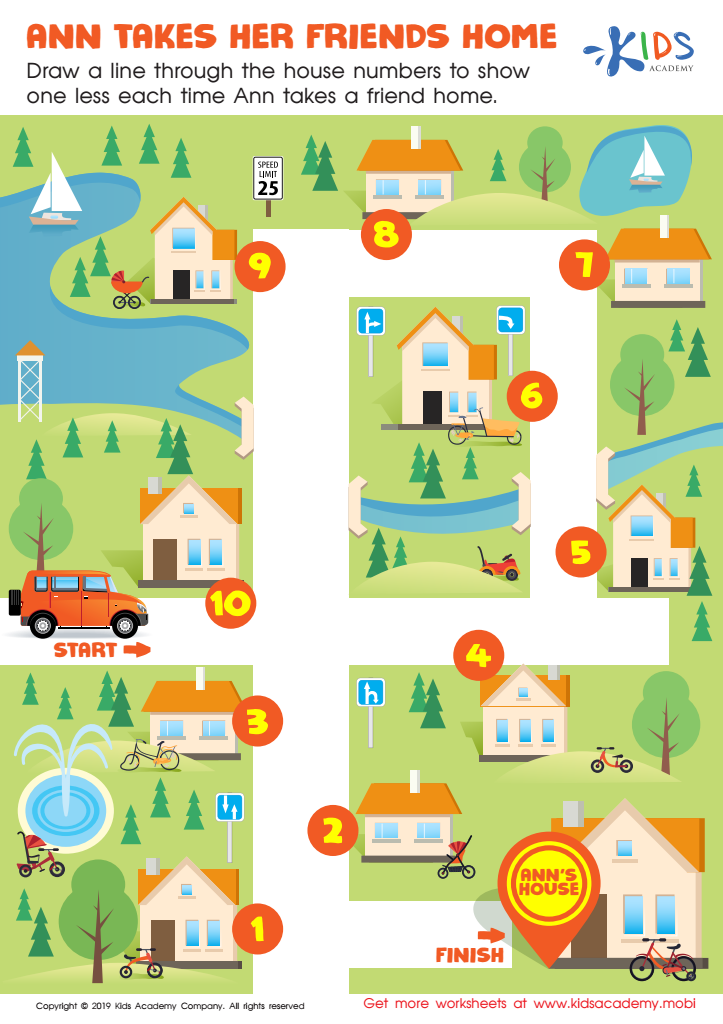
Ann Takes her Friends Home Worksheet







Problem-solving skills are foundational for children aged 4-9, as they significantly influence academic success and everyday life. At this age, children are naturally curious and eager to learn, making it an optimal time for developing critical thinking skills. Engaging students in problem-solving activities nurtures their ability to analyze situations, evaluate different outcomes, and make informed decisions.
Moreover, fostering problem-solving abilities enhances creativity and resilience. When children encounter challenges, resilient problem-solvers are more likely to persevere, experimenting with various strategies until they achieve a solution. This mindset not only boosts self-confidence but also lays the groundwork for handling future obstacles in both academic and personal realms.
Teachers and parents play a crucial role in nurturing these skills through interactive activities, games, and daily discussions. By actively participating in problem-solving tasks, children learn to collaborate, communicate effectively, and understand diverse perspectives. As they progress, strong problem-solving skills will not only support their learning across subjects like math and science but also prepare them for real-life challenges, ultimately leading to lifelong success and adaptability in an ever-changing world. Thus, investing time in problem-solving for young children is essential for their holistic development.








