
Sight words recognition Worksheets for Ages 4-9
6 filtered results
Difficulty Level
Grade
Age
-
From - To
Subject
Activity
Standards
Discover our engaging Sight Words Recognition Worksheets designed for children ages 4-9! These expertly crafted resources help young learners master essential sight words, boosting their reading confidence and fluency. Featuring colorful visuals and fun activities, our worksheets make learning exciting and interactive. They promote recognition in various contexts through exercises like matching, filling in blanks, and word hunts. Ideal for preschool and early elementary students, these printable sheets cater to diverse learning styles and can easily be integrated into classrooms or homeschooling programs. Start fostering your child's literacy skills today with our captivating sight words worksheets and watch them shine in their reading journey!
Favorites
With answer key
Interactive
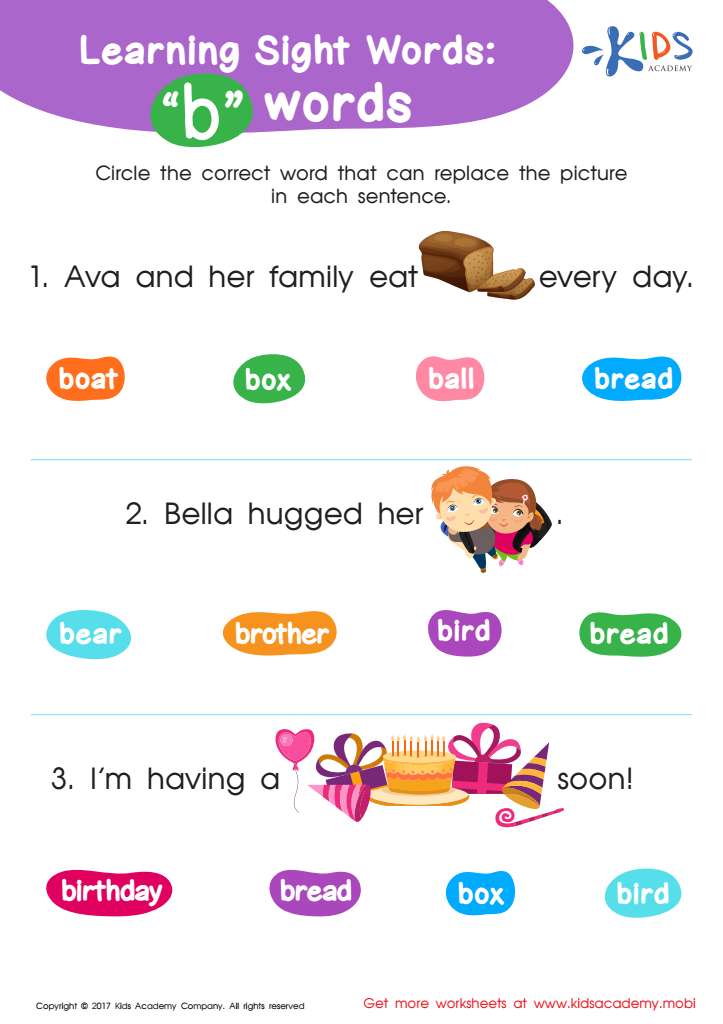
Sight Words Free Worksheet – B Words
This free 2nd grade sight words worksheet – b words – is a great way to help your child expand their sight word repertoire. They can read through each sentence, using the context and illustrations as clues to pick the right answer. Offer your child a quick practice session for even more learning!
Sight Words Free Worksheet – B Words
Worksheet
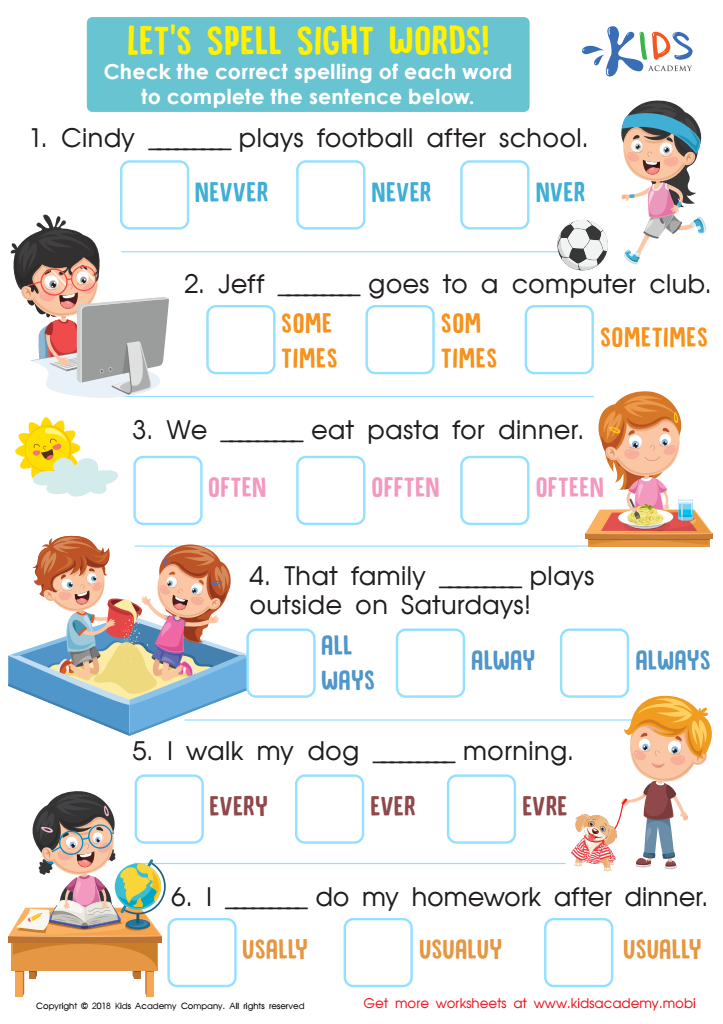
Let's Spell Sight Words Worksheet
Help your kids spell tricky sight words by asking them to spot differences in the sentences of activities they do regularly. This worksheet contains incomplete sentences, with the correct spelling of the word in the options for them to fill in. Get them to look out for words with the wrong spellings.
Let's Spell Sight Words Worksheet
Worksheet
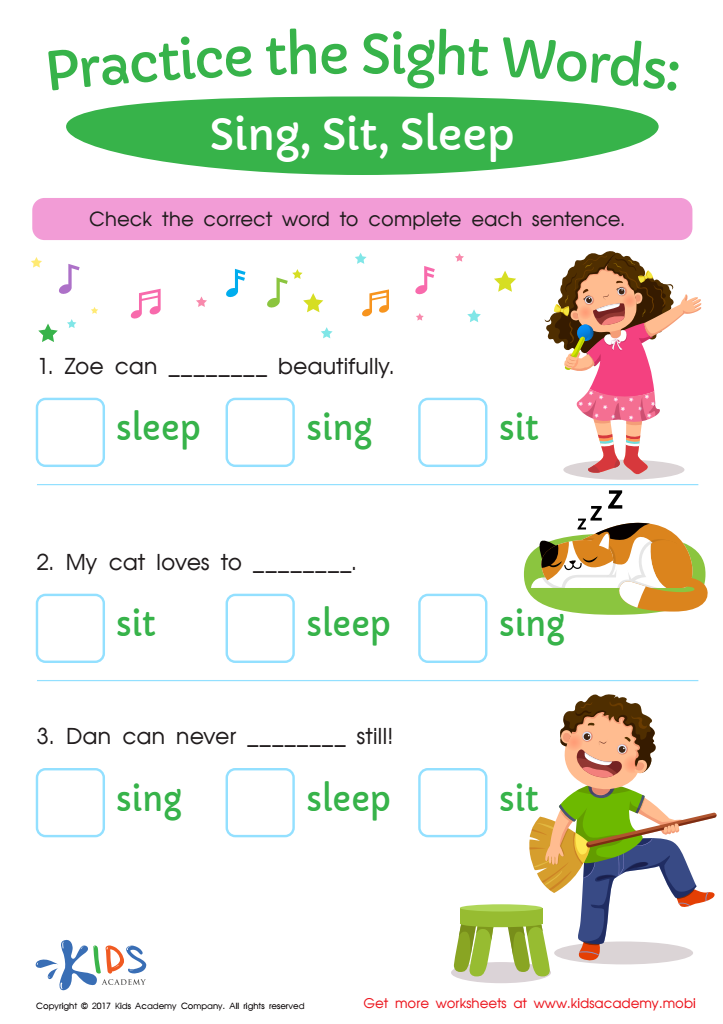
Sing, Sit, Sleep Sight Words Worksheet
Practice sight words with this printable worksheet featuring sing, sit, sleep! Confusing at first, these words can be mastered with the help of simple sentences and fun illustrations.
Sing, Sit, Sleep Sight Words Worksheet
Worksheet
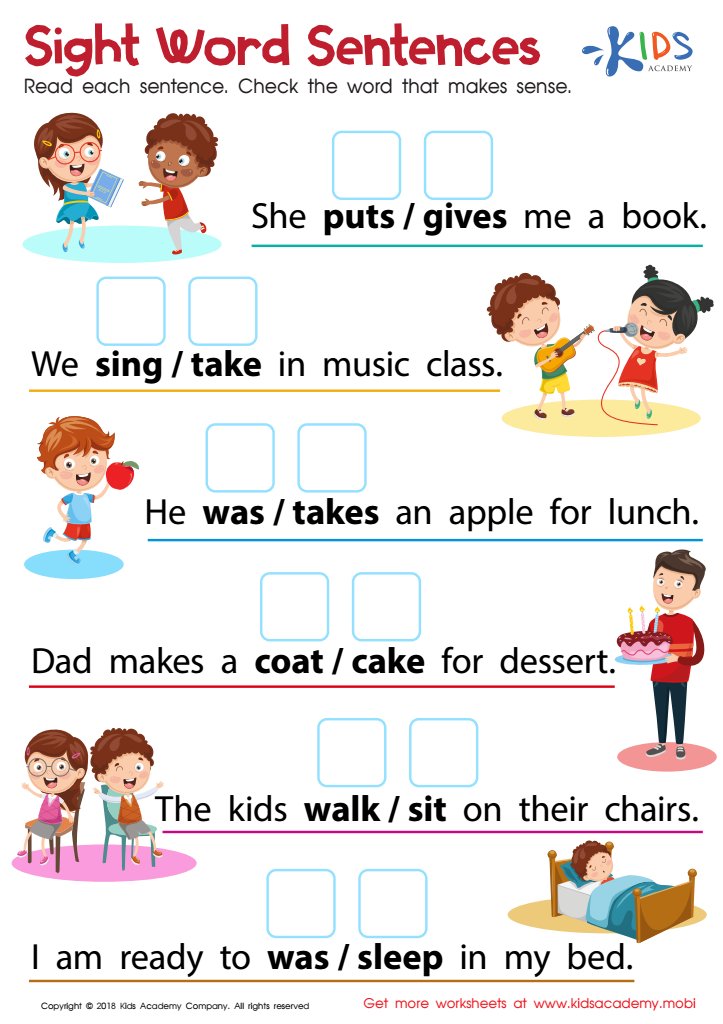
Sight Words Sentences Worksheet
It's important for kids to practice recognizing sight words in print. This PDF provides fun practice with sentences and engaging picture clues. As they work with sight words, they'll become more familiar and automatic. Help your kids build literacy skills!
Sight Words Sentences Worksheet
Worksheet
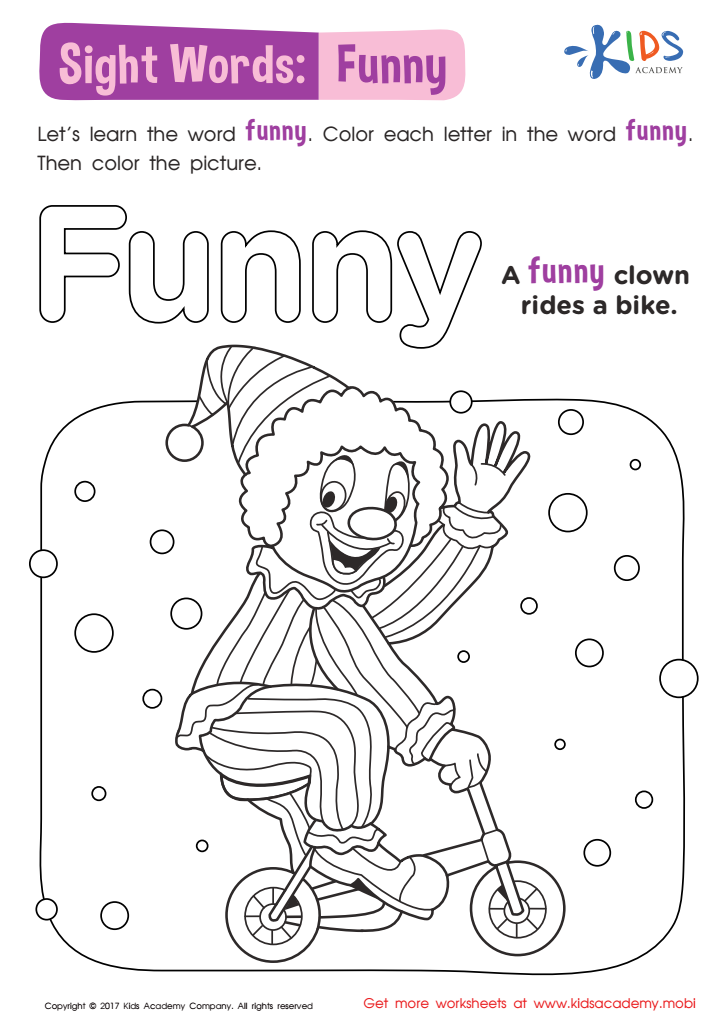
Funny Worksheet Sight Words Worksheet
Love humor? Introduce "funny" as a sight word with this fun worksheet! Have your child read the sentence then color the word in the center. Let them use their imagination to color the silly clown in any way they like!
Download (PDF)
 Assign to My Students
Assign to My Students
Funny Worksheet Sight Words Worksheet
Worksheet
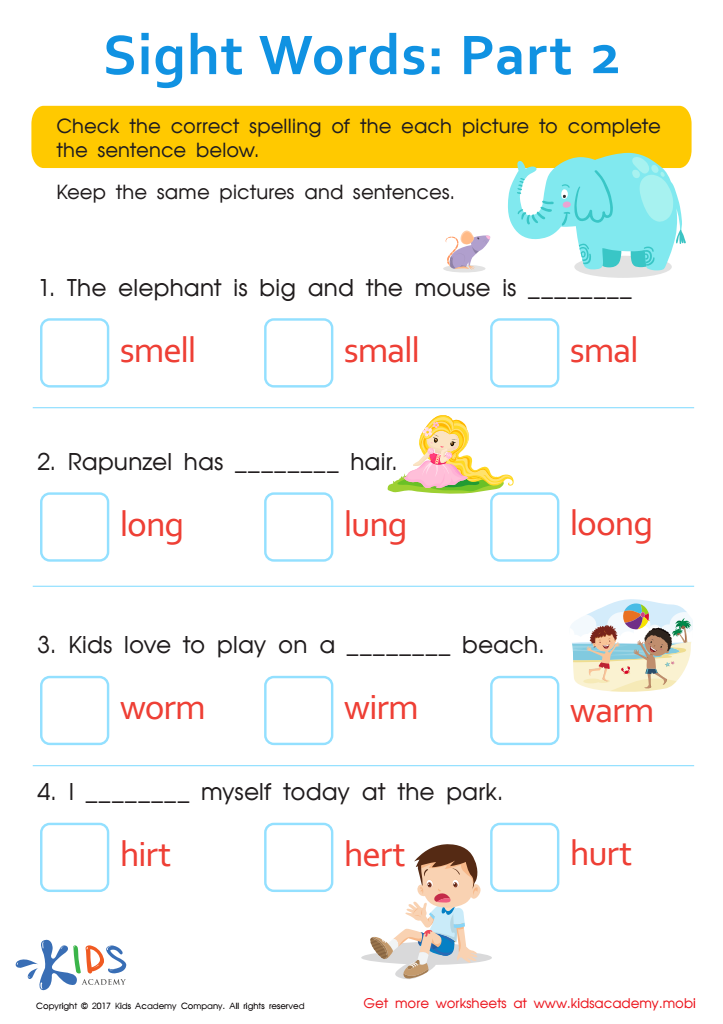
Sight Words Worksheet
This 3rd grade worksheet strengthens fluency and spelling in just a few minutes! Kids will read a sentence and fill in each blank with the correct sight word. Enjoy watching their skills grow!
Sight Words Worksheet
Worksheet
Join Kids Academy for Free
Who is primarily going to use this learning content?



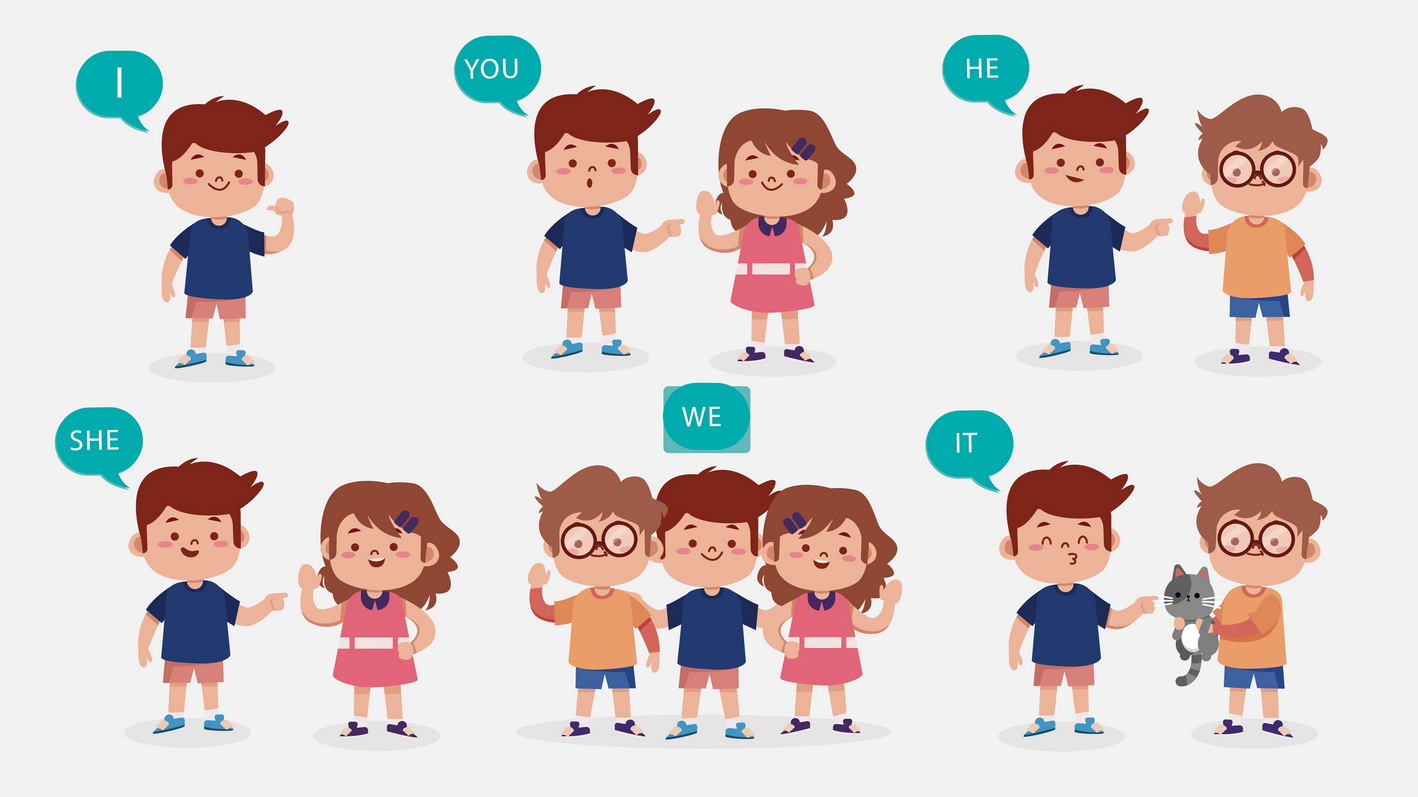



Sight word recognition is crucial for children aged 4-9 as it serves as a foundation for reading fluency and comprehension. Sight words are commonly used words that children are encouraged to recognize instantly without having to decode them. Mastery of these words enables young readers to quickly recognize familiar text, minimizing interruptions in their reading flow and allowing for better understanding.
For parents and teachers, fostering early sight word recognition is vital because it builds confidence in children, encouraging a lifelong love of reading. When children can swiftly identify sight words, they are less likely to become frustrated, which can deter enthusiasm for learning. Furthermore, sight word recognition enhances decoding skills, aiding in phonetic understanding as they progress.
Children who develop strong sight word skills often excel in spelling, writing, and overall literacy, as these words constitute a significant percentage of texts they encounter. By prioritizing sight word practice at home and in the classroom through engaging activities and games, parents and teachers can provide the essential support needed for children to thrive in their literacy journey. Elevating a child’s reading abilities at an early age ensures they are better prepared for more complex reading challenges in later grades.








