Sound Association Worksheets for Ages 4-9 - Page 2
39 filtered results
-
From - To
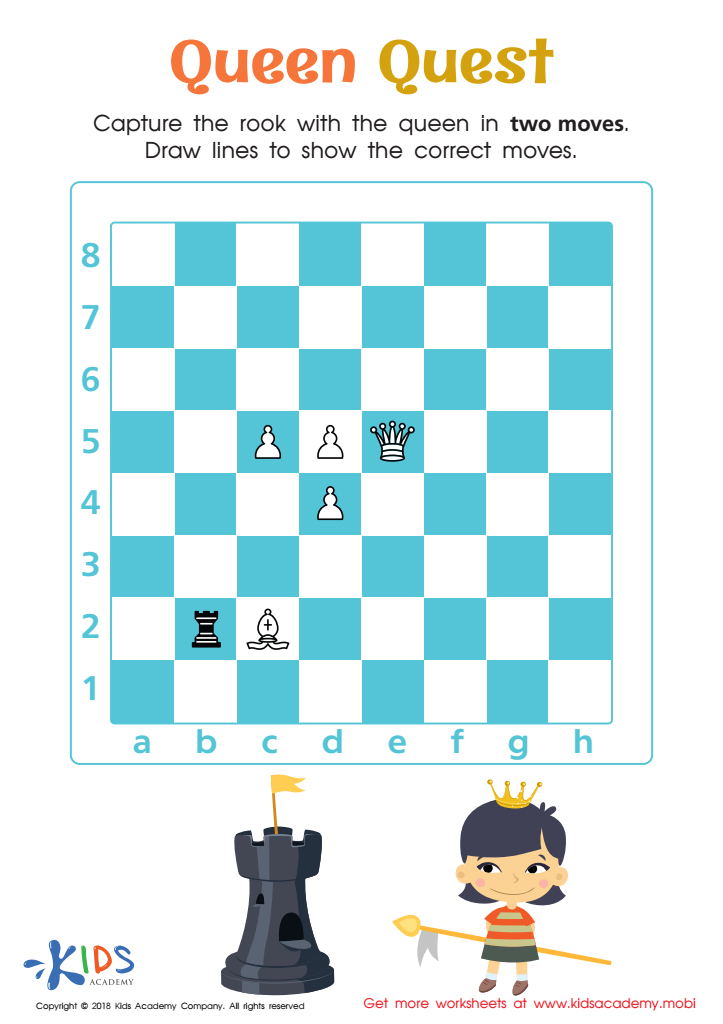
Queen Quest Worksheet
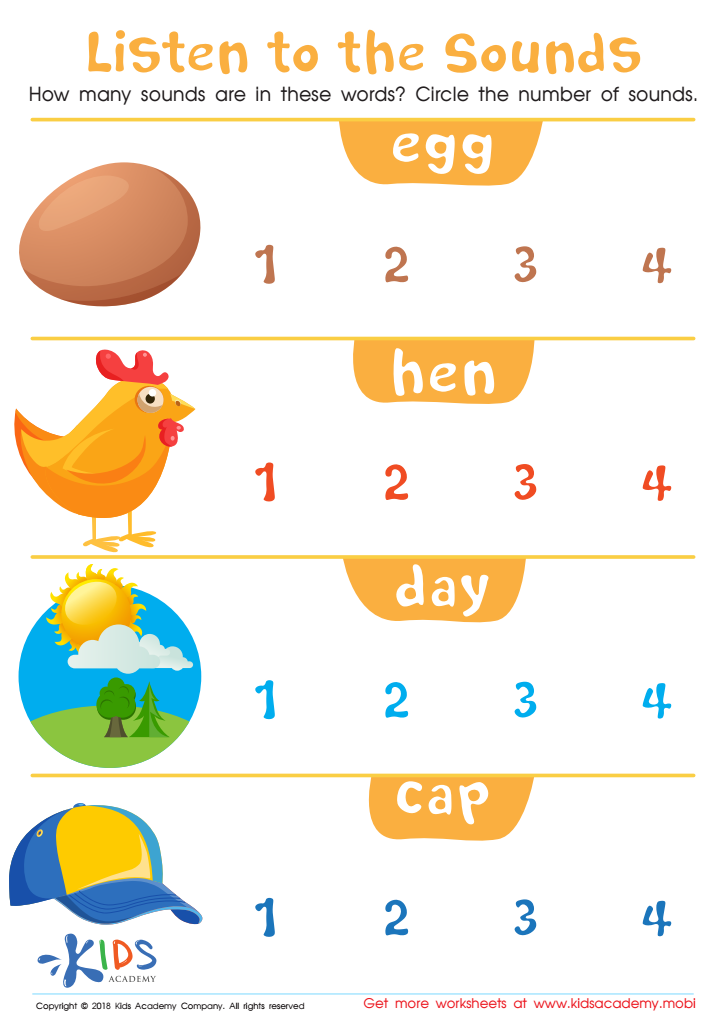
Listen to the Sounds Worksheet
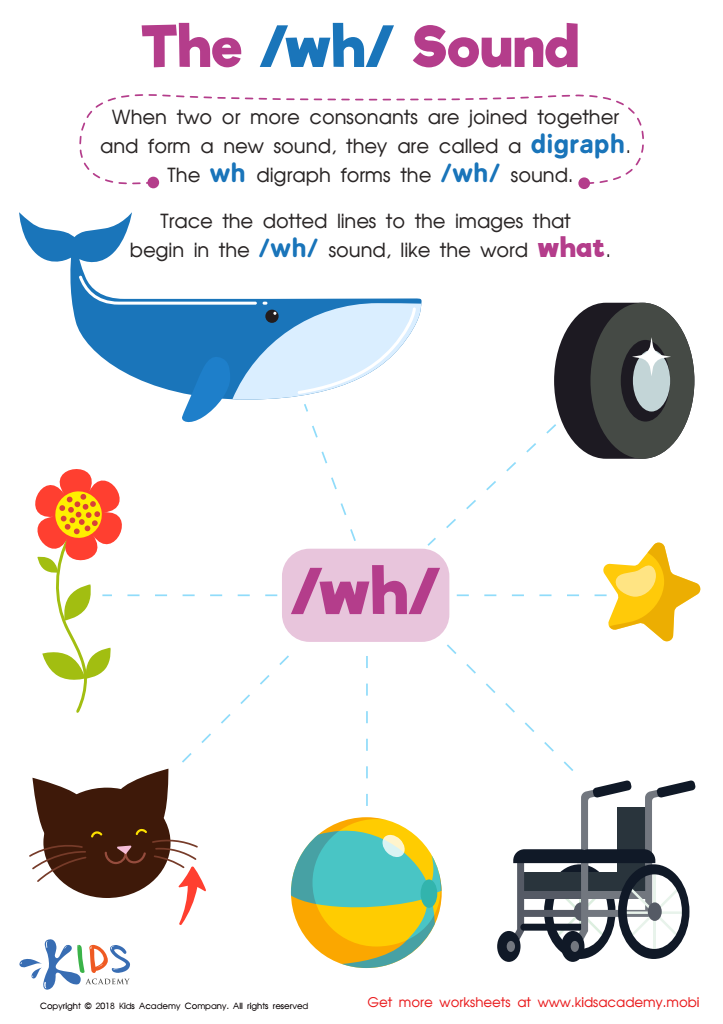
The /wh/ Sound Worksheet
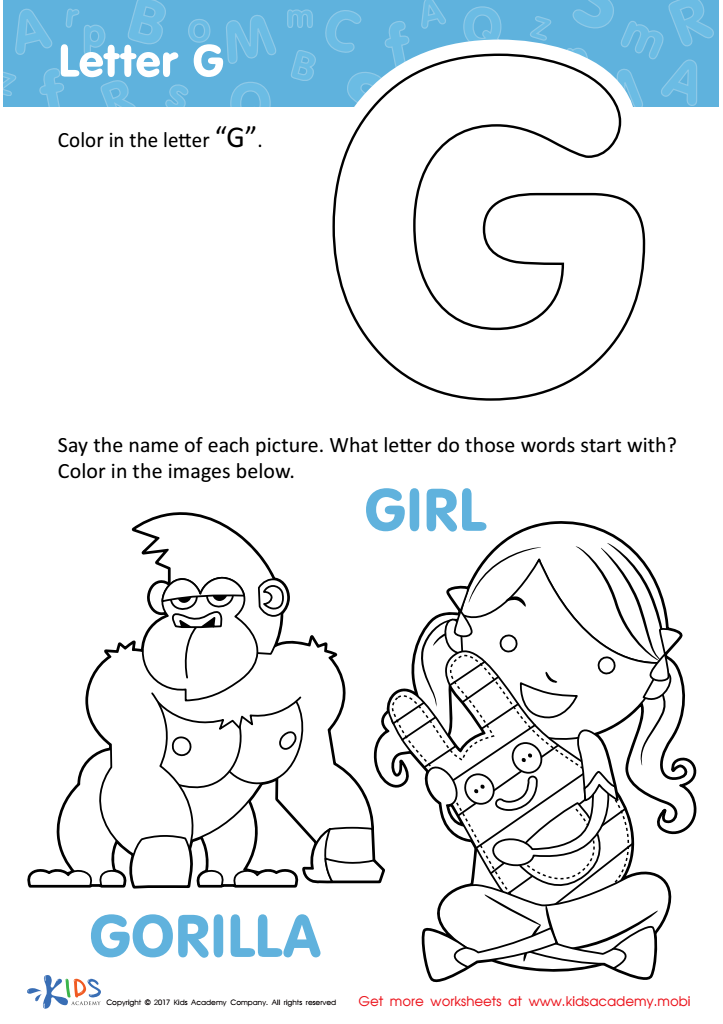
Letter G Coloring Sheet
 Assign to My Students
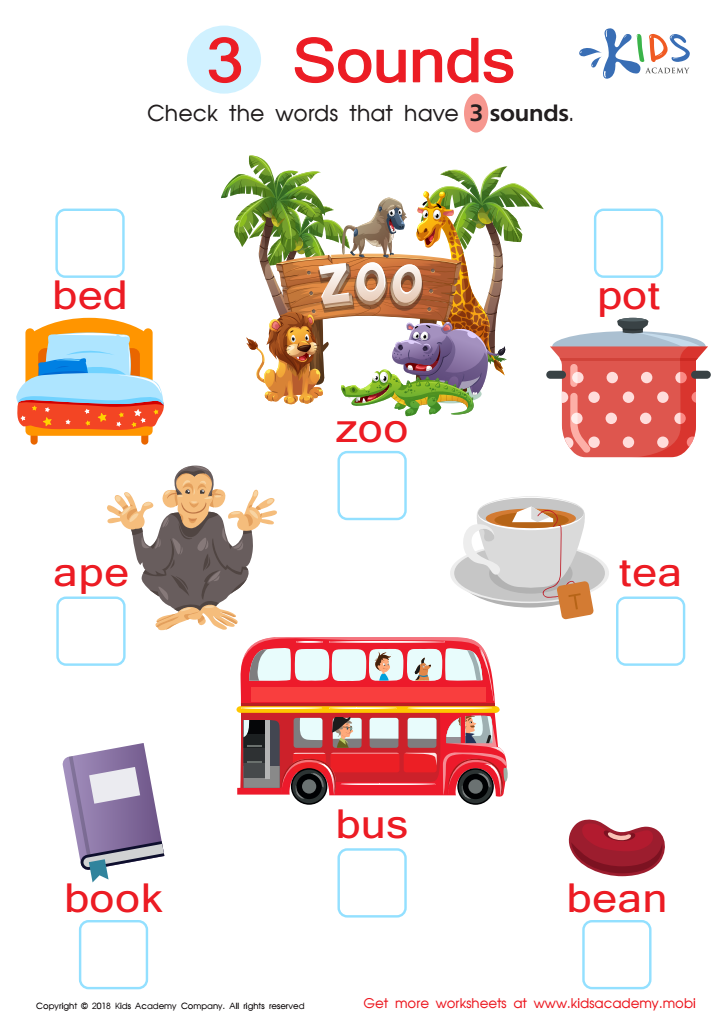
3 Sounds Worksheet
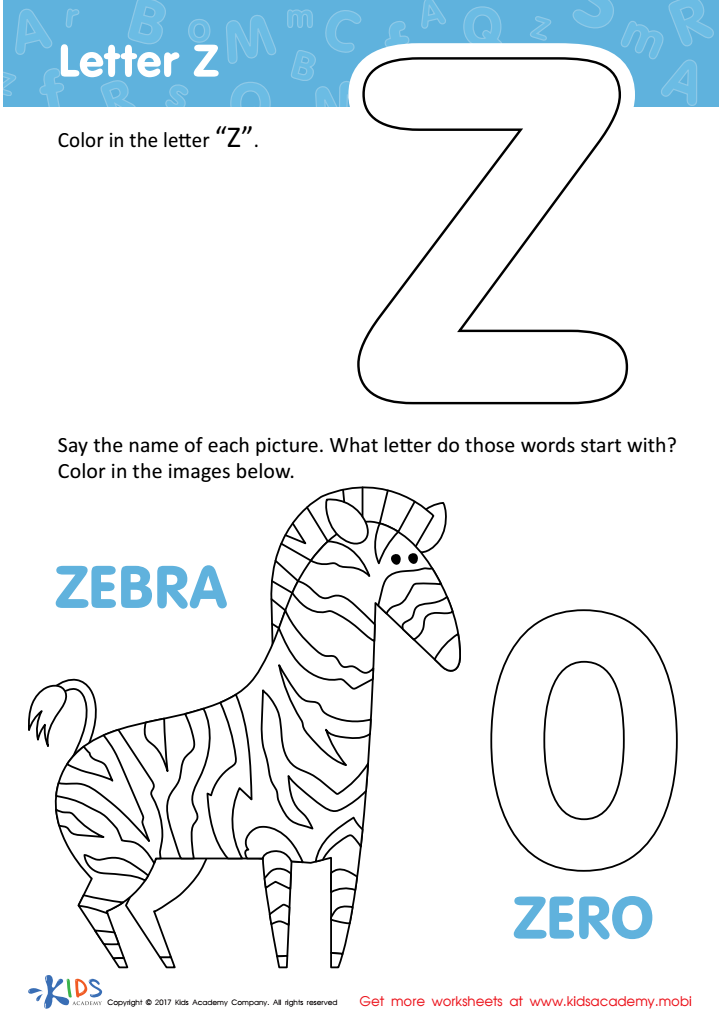
Letter Z Coloring Sheet
Assign to My Students
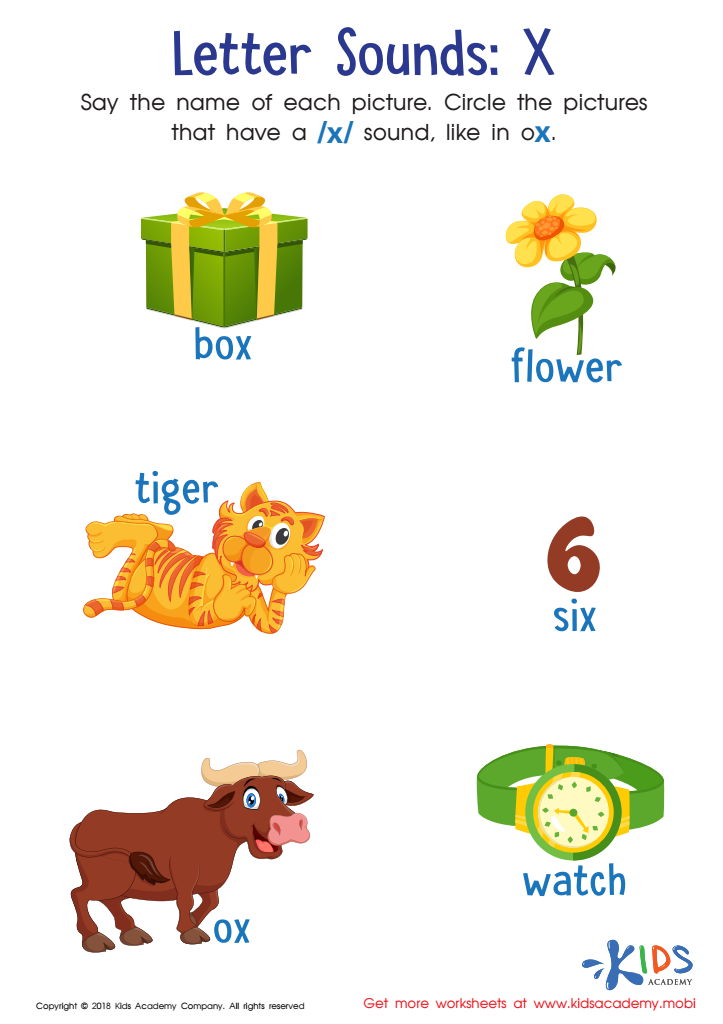
Letter X Sounds Worksheet
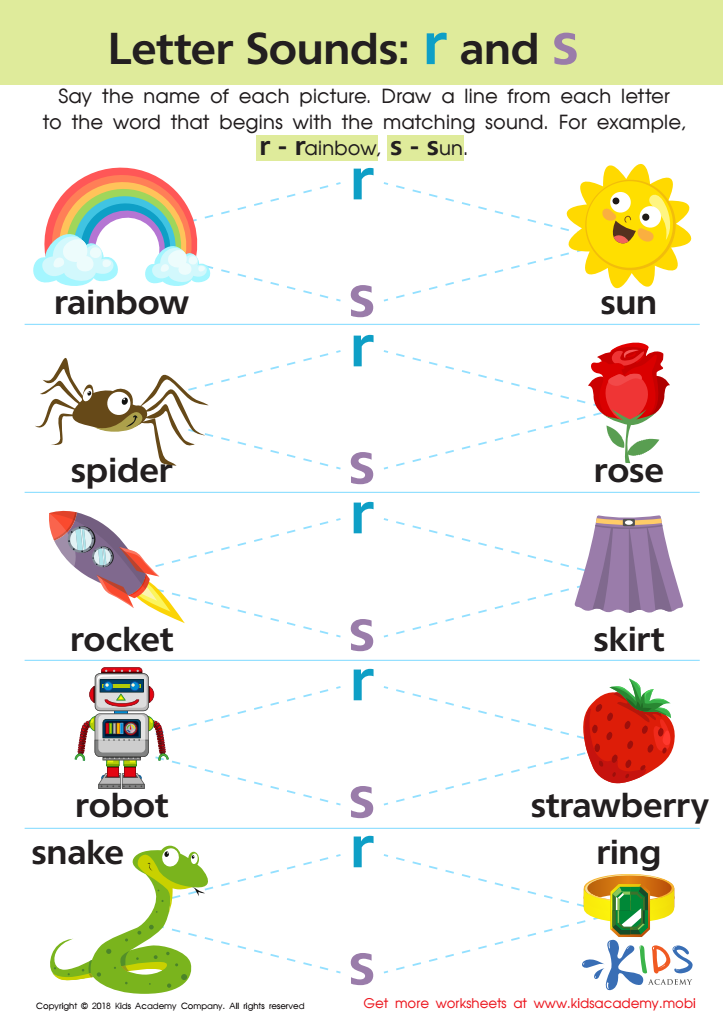
Letter R and S Sounds Worksheet
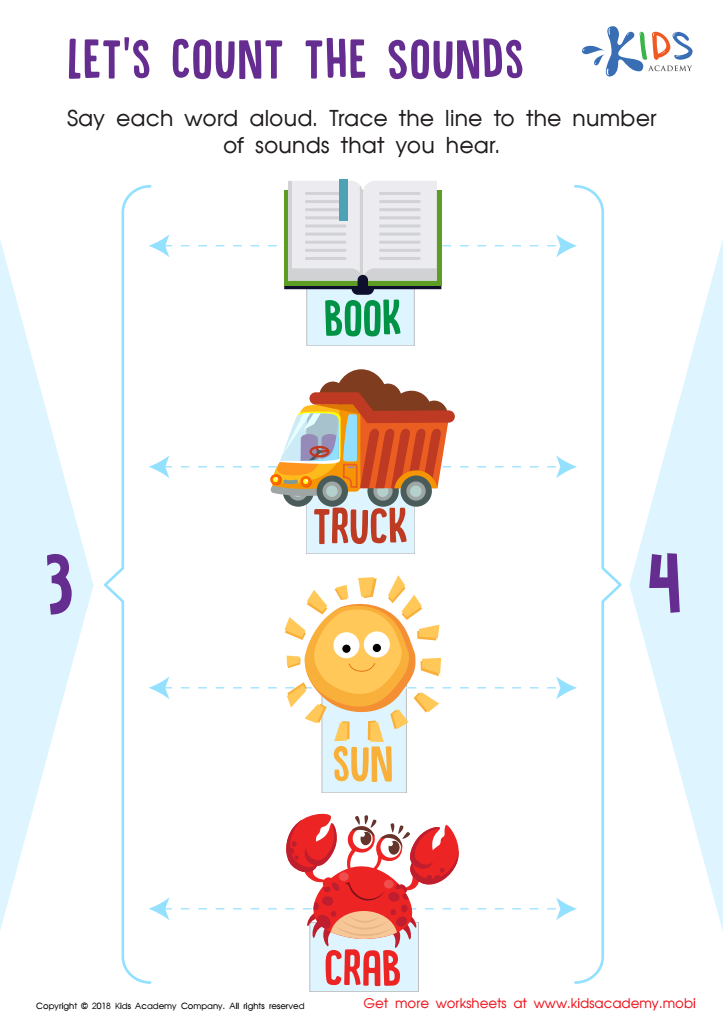
Let's Count the Sounds Worksheet
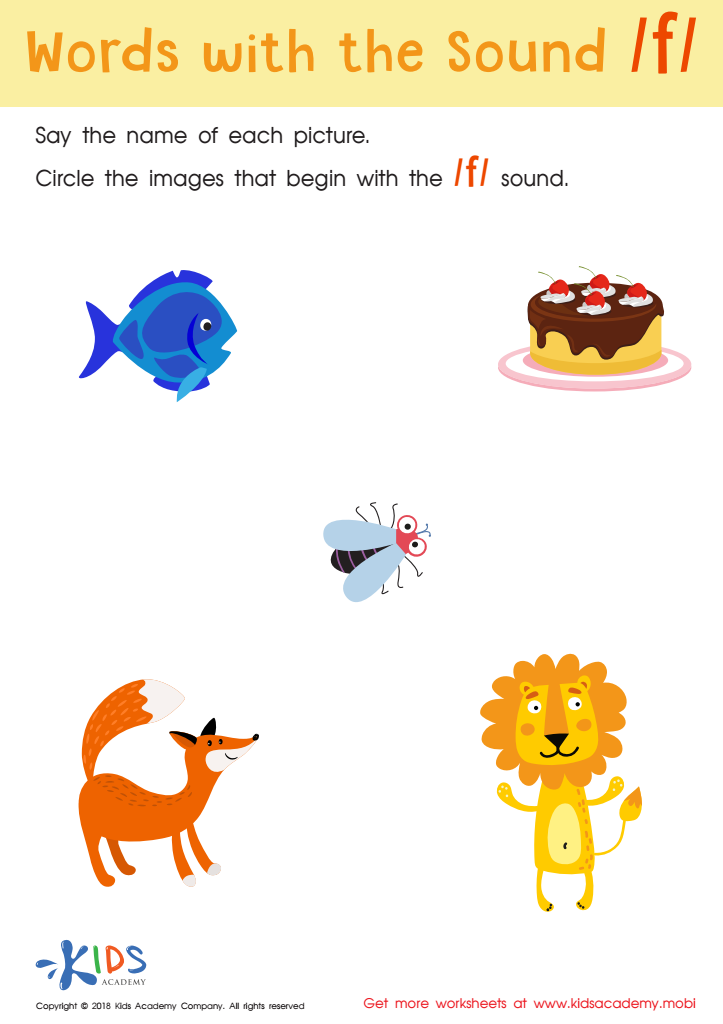
Words with sound f Reading Worksheet
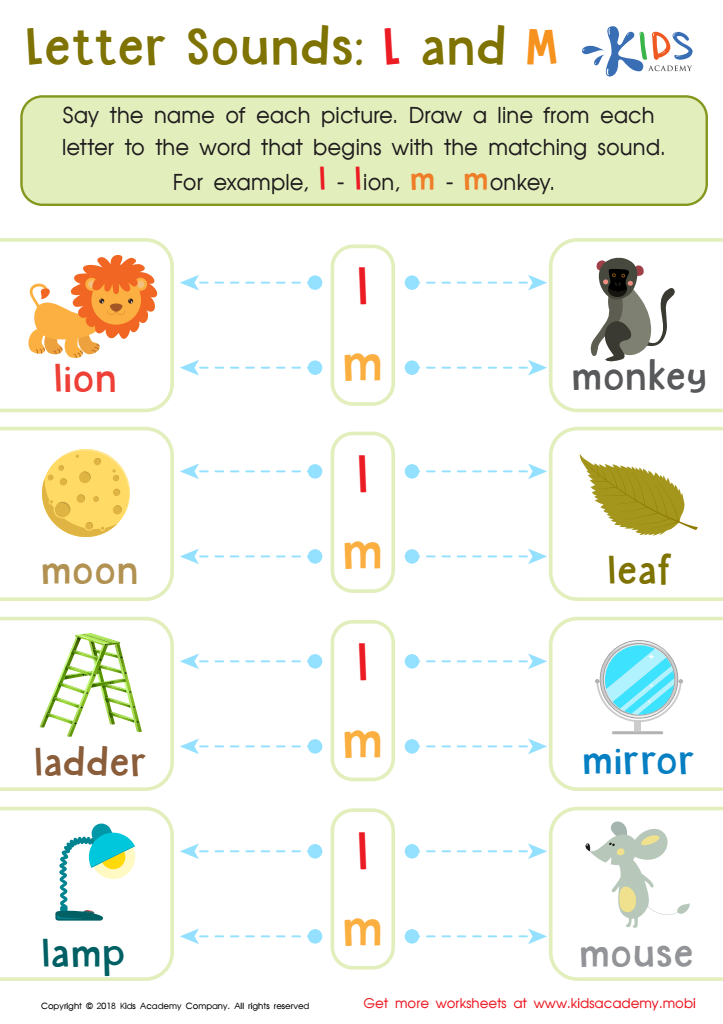
Letter l and M Sounds Worksheet
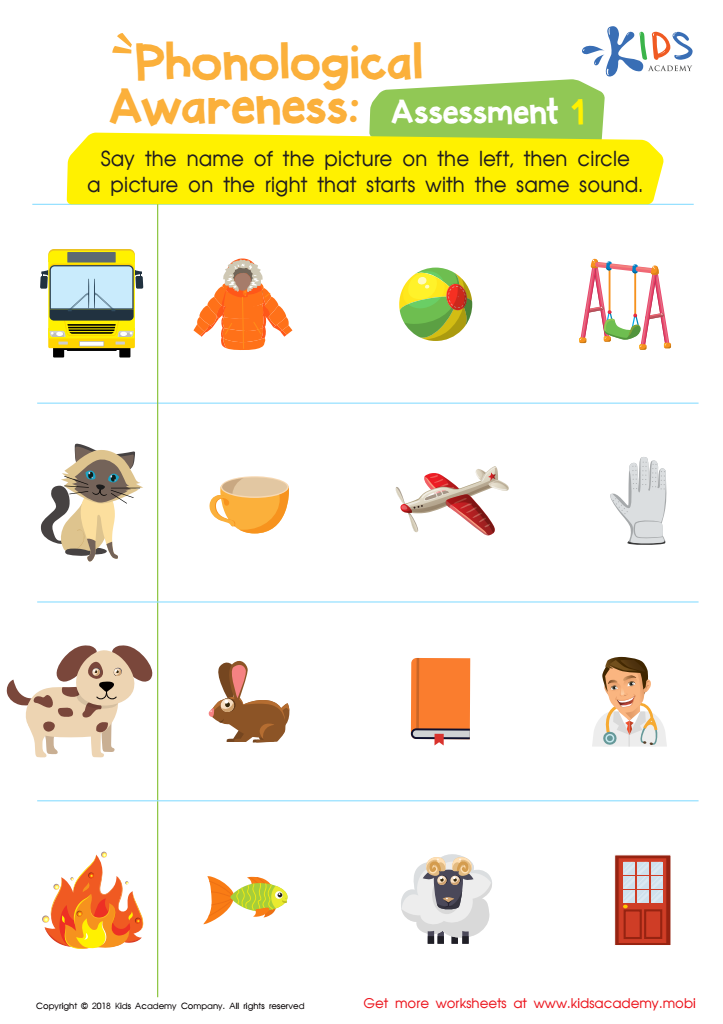
Phonological Awareness: Assessment 1 Worksheet
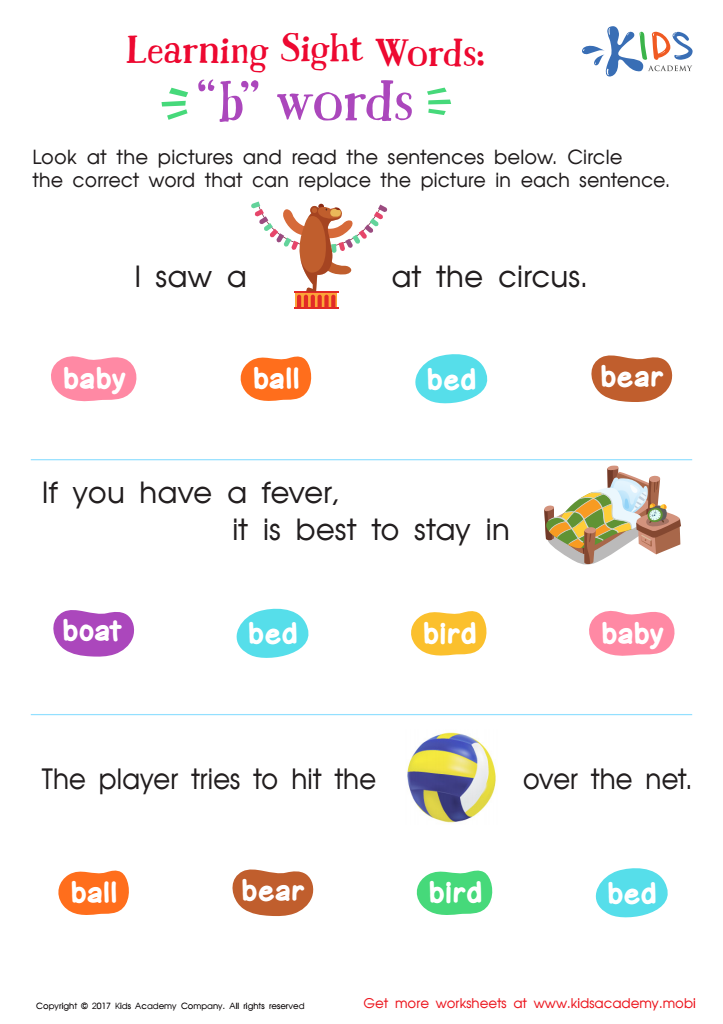
"B" Words Printable Sight Words Worksheet
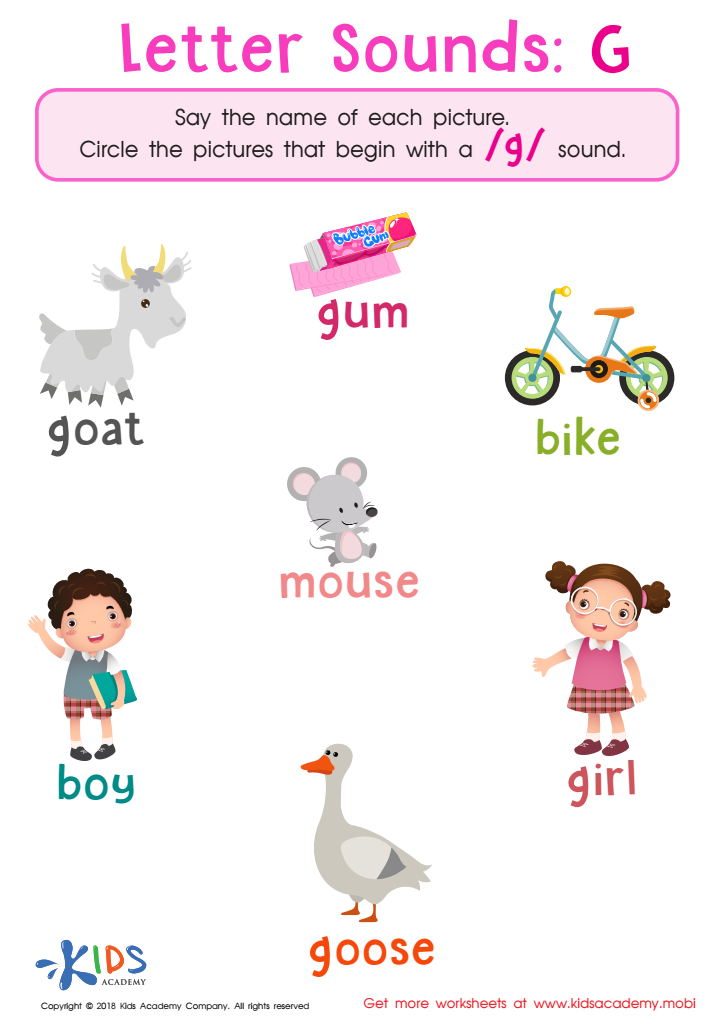
Letter G Sounds Worksheet
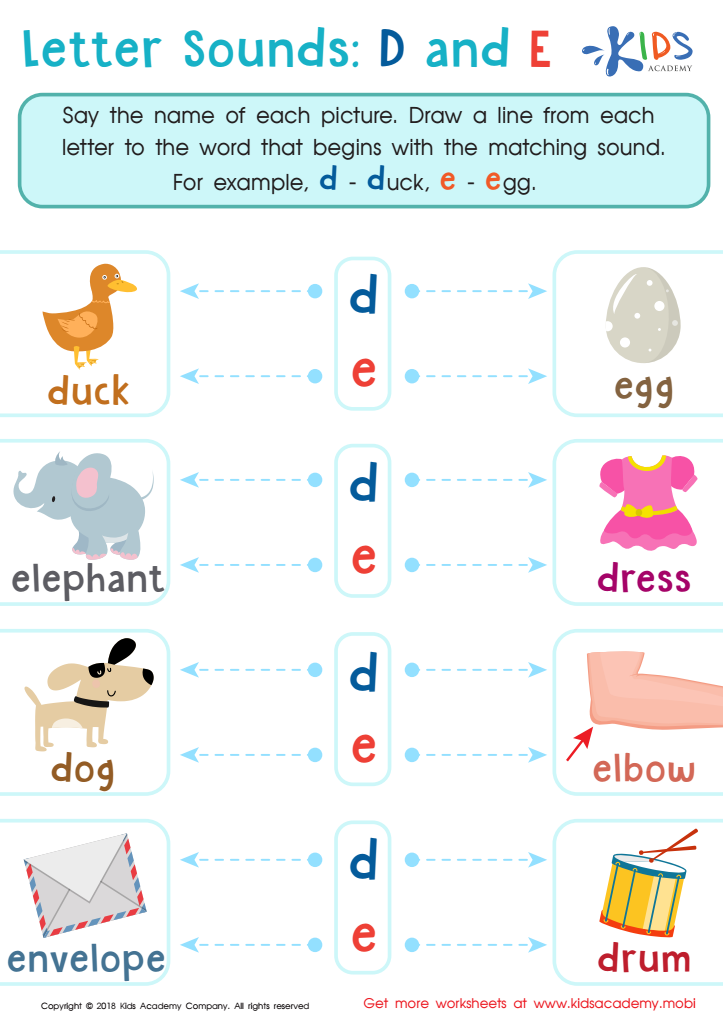
Letter D and E Sounds Worksheet








Sound association refers to the ability of children to connect sounds with corresponding letters, words, or symbols. For children aged 4-9, this skill is crucial for several reasons. First, it forms the foundational block for literacy development. Understanding sound-letter relationships helps children to decode words, making reading easier and more enjoyable. This not only furthers their ability to read but also enhances their vocabulary and writing skills.
Moreover, strong sound association skills can boost children's confidence as they progress in their learning. When children can recognize sounds and blend them to form words, they experience success in reading activities. This success fosters a positive attitude towards learning, motivating them to tackle new challenges.
Parents and teachers should also recognize that focusing on sound association can help identify and address potential learning difficulties early on. By incorporating engaging activities—such as rhyming games, phonics songs, and reading aloud—they can support and enrich children's understanding of sound connections.
In summary, the emphasis on sound association is essential in fostering literacy, building confidence, and identifying learning needs, paving the way for lifelong learning. Encouraging this crucial skill sets children on a path to academic success, ultimately influencing their overall development.








