Spatial awareness Worksheets for Ages 4-9 - Page 3
57 filtered results
-
From - To
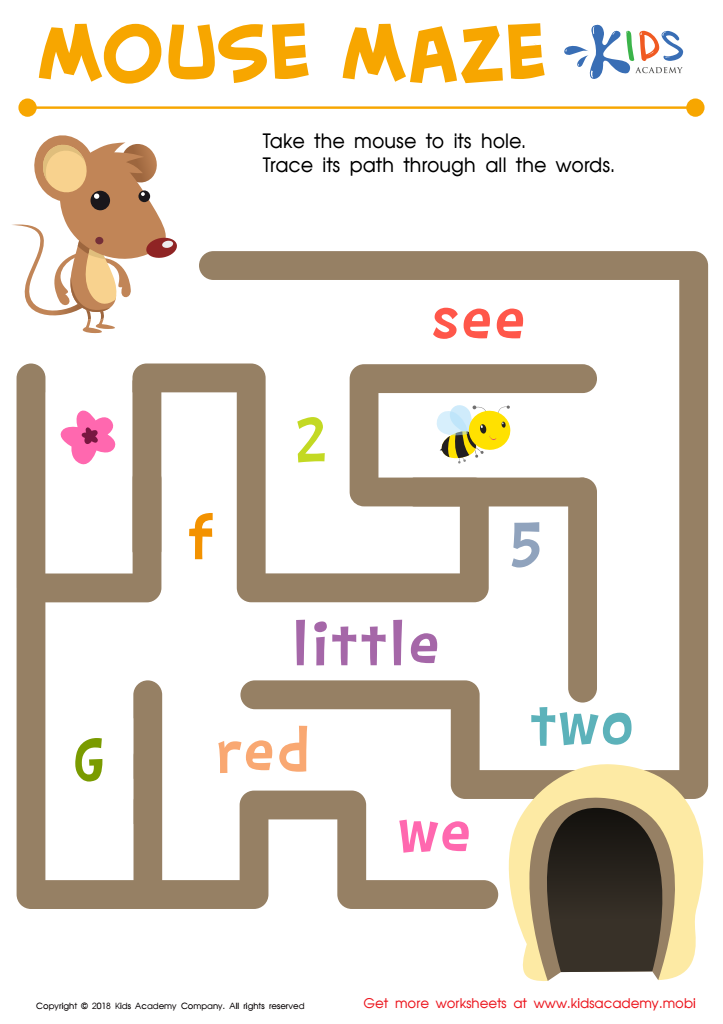
Find Words Mouse Maze Worksheet
 Assign to My Students
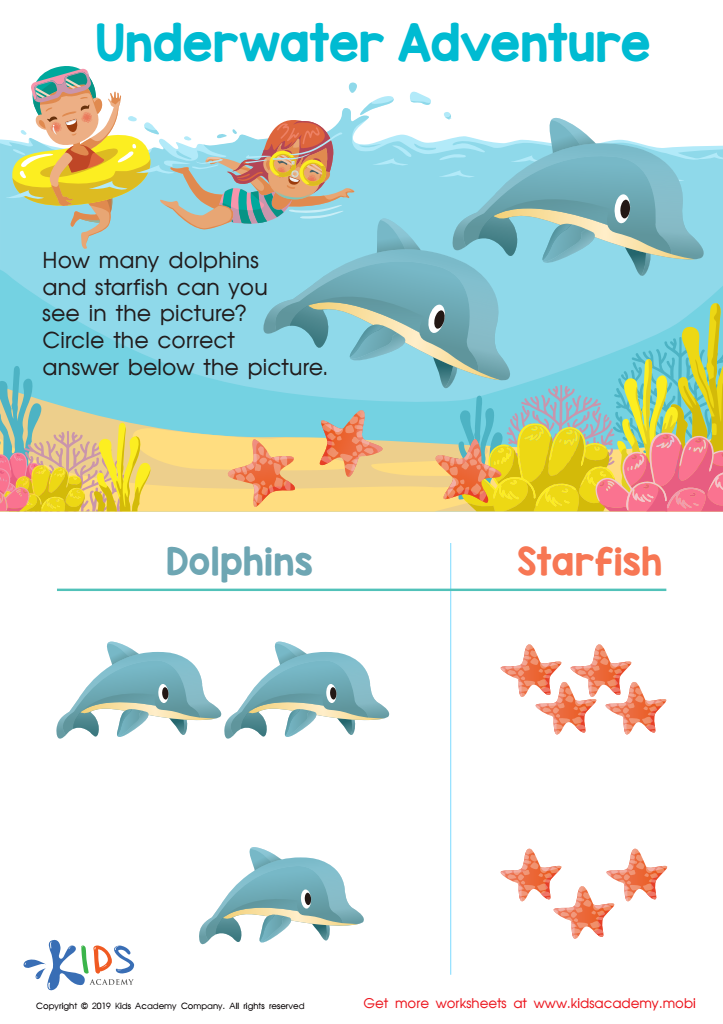
Underwater Adventure Worksheet
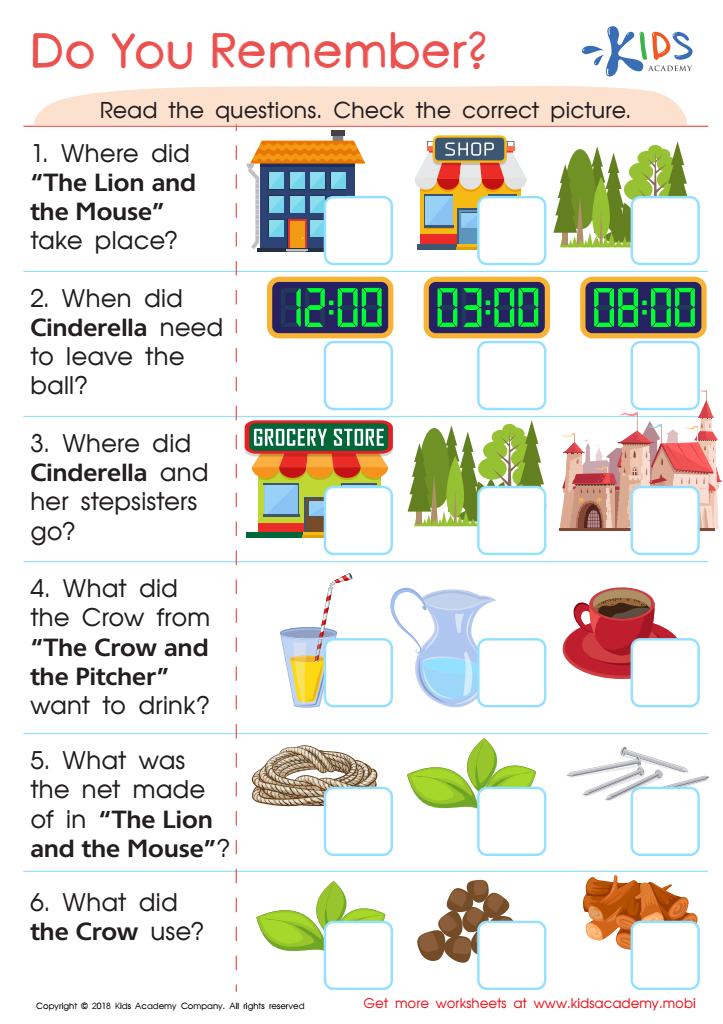
Do You Remember? Worksheet
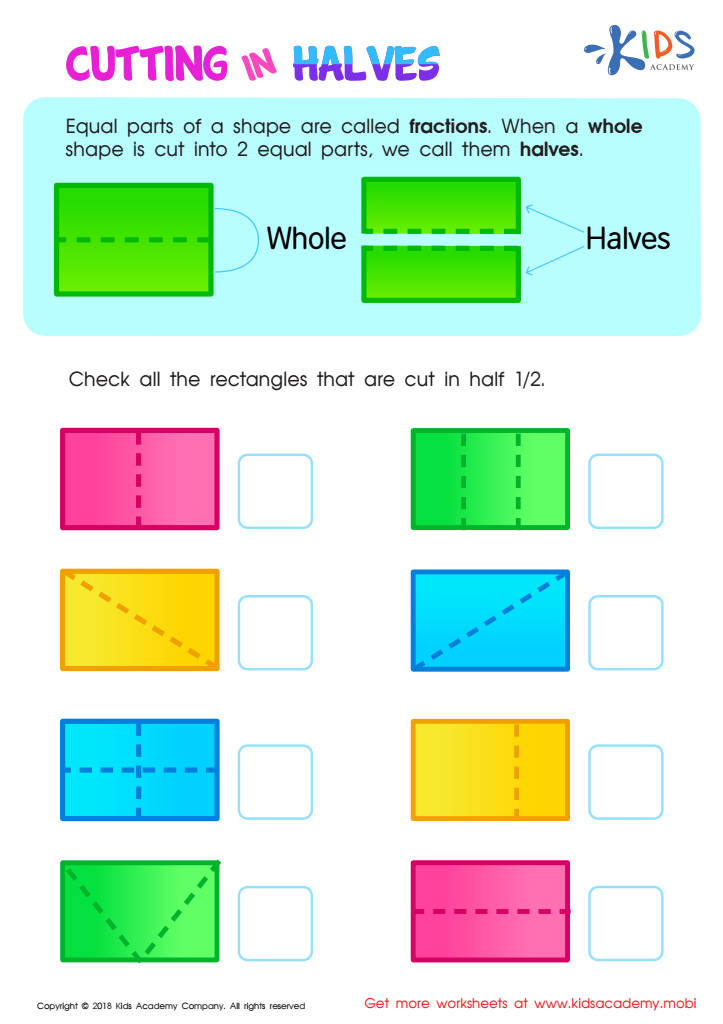
Cutting in Halves Worksheet
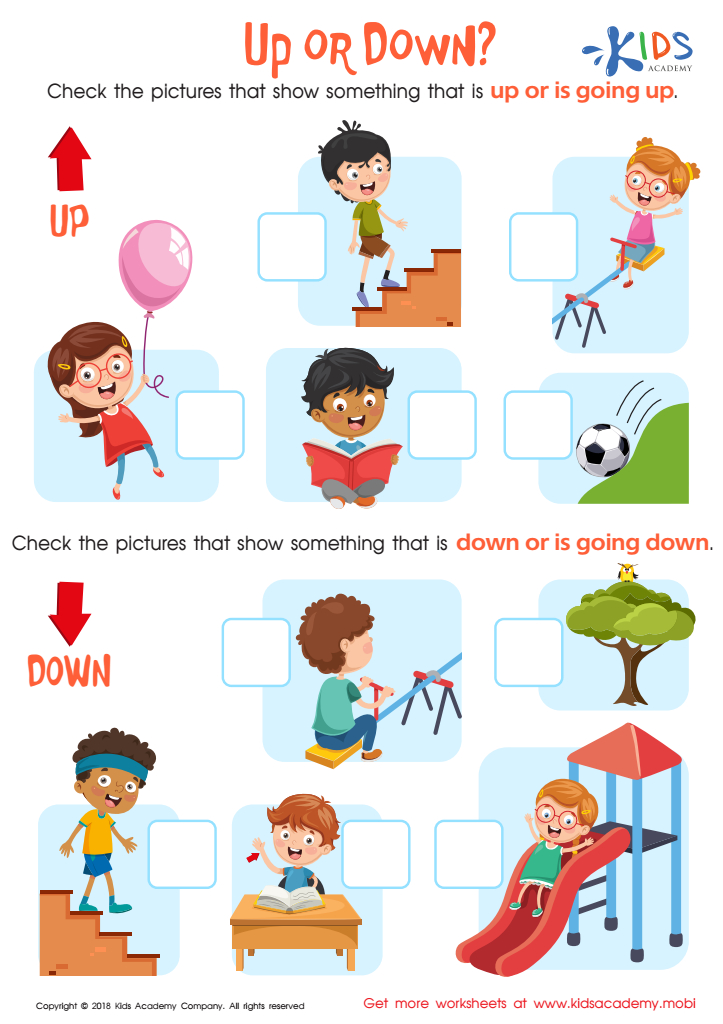
Up or Down Worksheet
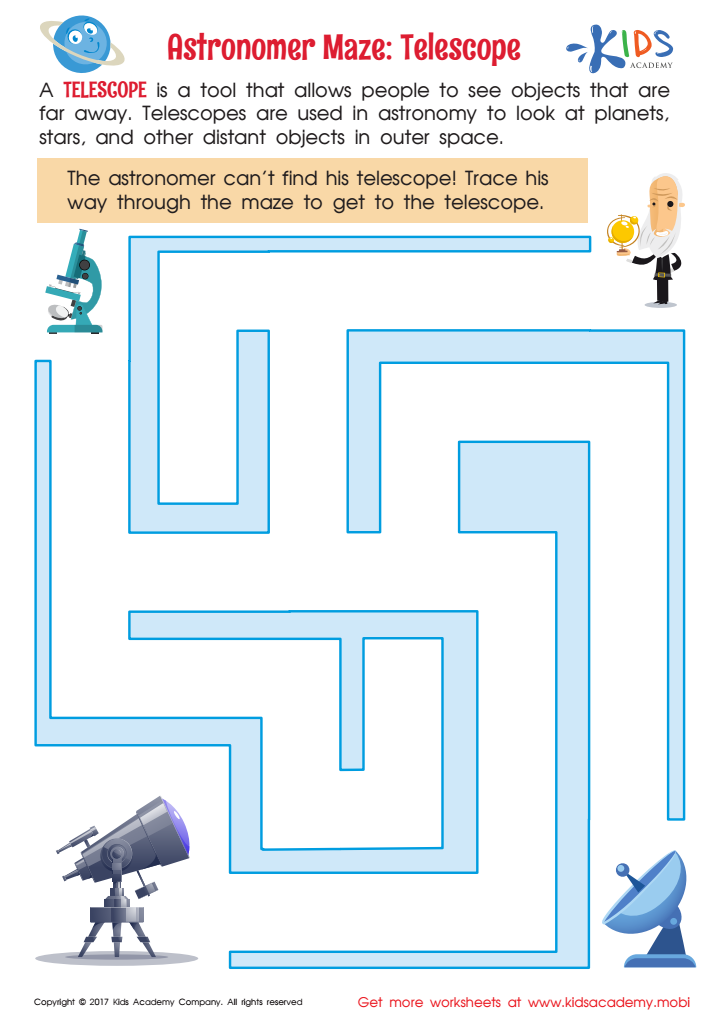
Astronomer Maze: Telescope Worksheet
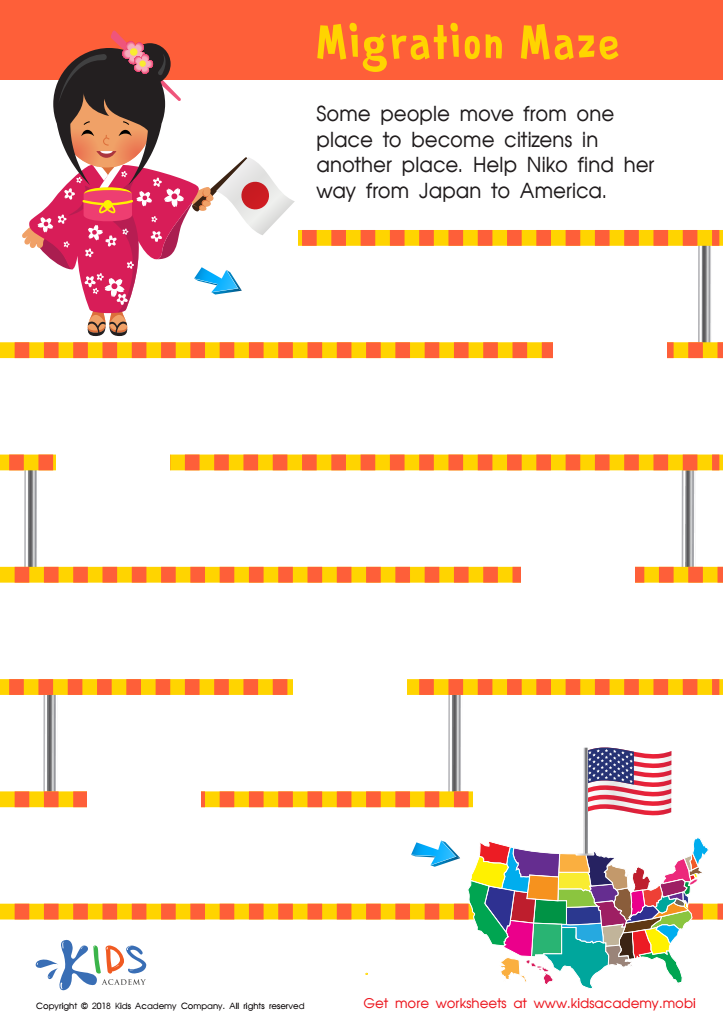
Migration Maze Worksheet
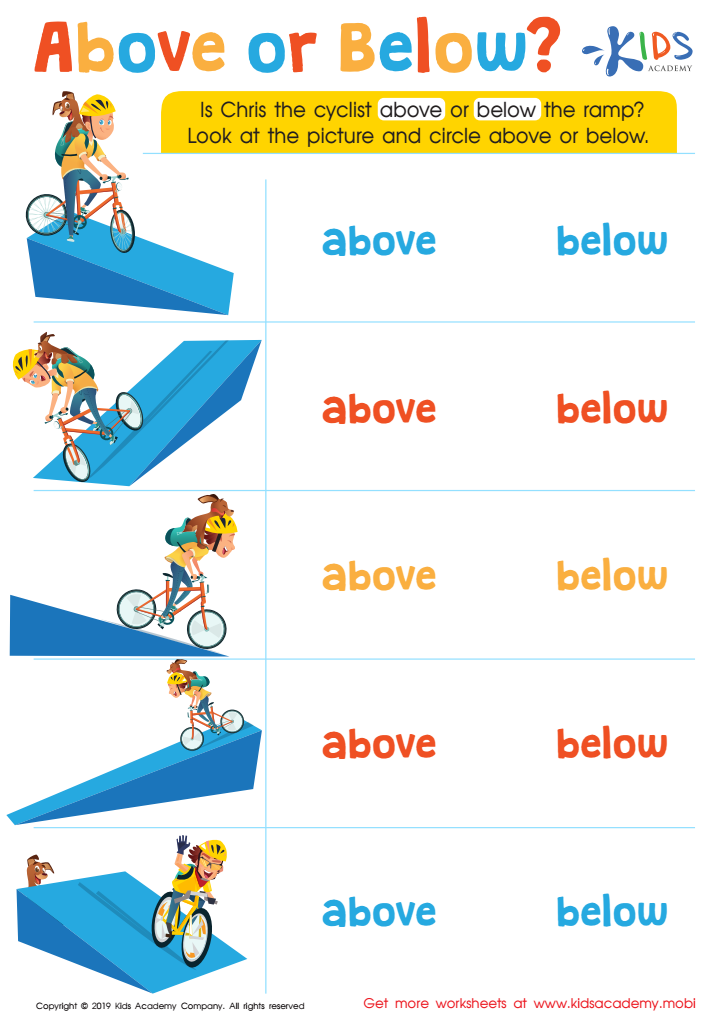
Above or Below? Worksheet







Spatial awareness is crucial for young children aged 4-9 as it helps them understand the relationship between objects and navigate their environment effectively. This skill is foundational for various academic and life tasks—including reading, writing, and mathematics. For instance, when children learn to recognize letters and numbers, spatial awareness allows them to distinguish between similar shapes and understand their placement on a page. It helps with handwriting as kids learn to space words correctly and maintain appropriate line alignment.
In mathematics, concepts such as geometry, measurement, and understanding graphs all require a solid grasp of spatial relationships. Beyond academics, spatial awareness is essential for physical activities and coordination. Sports, dance, and other recreational activities demand an understanding of space and movement. Socially, understanding personal space and physical boundaries helps children interact appropriately with peers and adults.
Moreover, spatial skills are linked to problem-solving and critical thinking. They help children understand patterns, plan their actions, and visualize projects. Developing good spatial awareness in early childhood sets the stage for future success in various fields like engineering, architecture, and computer science.
Therefore, parents and teachers should nurture and support the development of spatial awareness through playful activities, hands-on learning, and guided experiences that make learning these skills natural and engaging.








